BYD's Overseas Sales Surge Amid Domestic Decline
Written by Emily J. Thompson, Senior Investment Analyst
Updated: 4 days ago
0mins
Should l Buy TSLA?
Source: Fool
- Sales Pressure: BYD experienced a 20% year-over-year decline in March sales, marking the seventh consecutive month of lower sales, primarily due to domestic price wars and increased low-cost competition; however, overseas growth remains robust.
- Significant Export Growth: In March, BYD exported 120,083 new-energy vehicles, a 65% increase year-over-year, and has sold over 321,000 vehicles overseas in the first three months of the year, indicating strong international demand for its products.
- Future Growth Expectations: BYD raised its 2026 overseas sales forecast from 1.3 million to 1.5 million vehicles, with expectations that overseas sales could soon account for 50% of total sales, highlighting the company's substantial growth potential in global markets.
- Positive Market Response: At the largest auto show in Southeast Asia, BYD secured more orders than any other automotive brand, and CEO Wang Chuanfu noted that rising oil prices are expected to elevate overseas sales to new heights, further solidifying the company's market position.
Trade with 70% Backtested Accuracy
Stop guessing "Should I Buy TSLA?" and start using high-conviction signals backed by rigorous historical data.
Sign up today to access powerful investing tools and make smarter, data-driven decisions.
Analyst Views on TSLA
Wall Street analysts forecast TSLA stock price to rise
30 Analyst Rating
12 Buy
11 Hold
7 Sell
Hold
Current: 388.900

Low
25.28
Averages
401.93
High
600.00
Current: 388.900
Low
25.28
Averages
401.93
High
600.00
About TSLA
Tesla, Inc. designs, develops, manufactures, sells and leases high-performance fully electric vehicles and energy generation and storage systems, and offers services related to its products. Its segments include automotive, and energy generation and storage. The automotive segment includes the design, development, manufacturing, sales and leasing of high-performance fully electric vehicles, and sales of automotive regulatory credits. It also includes sales of used vehicles, non-warranty maintenance services and collisions, part sales, paid supercharging, insurance services revenue and retail merchandise sales. The energy generation and storage segment include the design, manufacture, installation, sales and leasing of solar energy generation and energy storage products and related services and sales of solar energy systems incentives. Its consumer vehicles include the Model 3, Y, S, X and Cybertruck. Its lithium-ion battery energy storage products include Powerwall and Megapack.
About the author

Emily J. Thompson
Emily J. Thompson, a Chartered Financial Analyst (CFA) with 12 years in investment research, graduated with honors from the Wharton School. Specializing in industrial and technology stocks, she provides in-depth analysis for Intellectia’s earnings and market brief reports.
Tesla's Q1 2026 Earnings Preview and Key Focus Areas

- Production and Delivery Data: In Q1 2026, Tesla produced 408,386 vehicles and delivered 358,023, marking the lowest delivery figures in a year and falling short of Wall Street estimates, indicating potential inventory issues that could pressure free cash flow.
- Robotaxi Progress: Tesla's robotaxi fleet is currently operating in Austin and San Francisco, but the planned expansion into seven new cities may be delayed due to safety culture concerns, which could impact future revenue streams significantly.
- Humanoid Robot Production Outlook: Analysts predict Tesla will produce only 5,000 Optimus robots by 2027 and 30,000 by 2030, despite Musk's ambition of reaching one million annually, creating uncertainty in market expectations regarding these initiatives.
- Market Reaction and Risks: Tesla's stock valuation has decreased from nearly 300 times forward earnings to about 191 times, still higher than peers, and investors are cautious about the rollout of robotaxis; any delays could lead to market disappointment and negatively affect stock performance.
See More

Tesla Reportedly Developing All-New Electric SUV Amid Robotaxi Focus
- New Electric SUV Development: Tesla is reportedly developing an all-new, smaller, and more affordable electric SUV, which is expected to be priced significantly lower than the entry-level Model 3 at $34,000, thereby attracting a broader consumer base and enhancing market competitiveness.
- Shift in Production Location: Sources indicate that the SUV may be produced in China, a strategy that would allow Tesla to leverage advancements in electric vehicle technology in the region, further strengthening its competitive edge in the global market.
- Market Adaptability: The new model is designed to be adaptable for both human driving and autonomous driving, suggesting that Tesla may adopt a flexible strategy in the future autonomous vehicle market to meet evolving consumer demands.
- Increased Competitive Pressure: While Tesla has ambitious plans for autonomous driving and robotics, the aging of its traditional vehicle lineup and intense competition from Chinese EV manufacturers may compel Tesla to refocus on its automotive business to maintain its market leadership.
See More
Analysis of Risks in SpaceX IPO

- Valuation Risk: SpaceX aims for a valuation of around $2 trillion at its IPO, yet many analysts question the feasibility of this figure, suggesting it is significantly inflated, which could lead to skepticism among investors and negatively impact market confidence.
- Competitive Threat: Amazon's Leo satellite internet service is expanding, with plans to acquire Globalstar to enhance its capabilities, posing a formidable challenge to SpaceX's Starlink, potentially eroding its market share and affecting profitability.
- Governance Structure Issues: SpaceX is expected to adopt a dual-class structure that grants Elon Musk absolute control over the company, which may limit investors' influence over capital allocation and strategic decisions, thereby increasing investment risks.
- Leadership Risk: While Musk is regarded as a visionary leader, his past actions and decisions could adversely affect the company, prompting investors to carefully consider the potential conflicts between his personal interests and those of the company.
See More
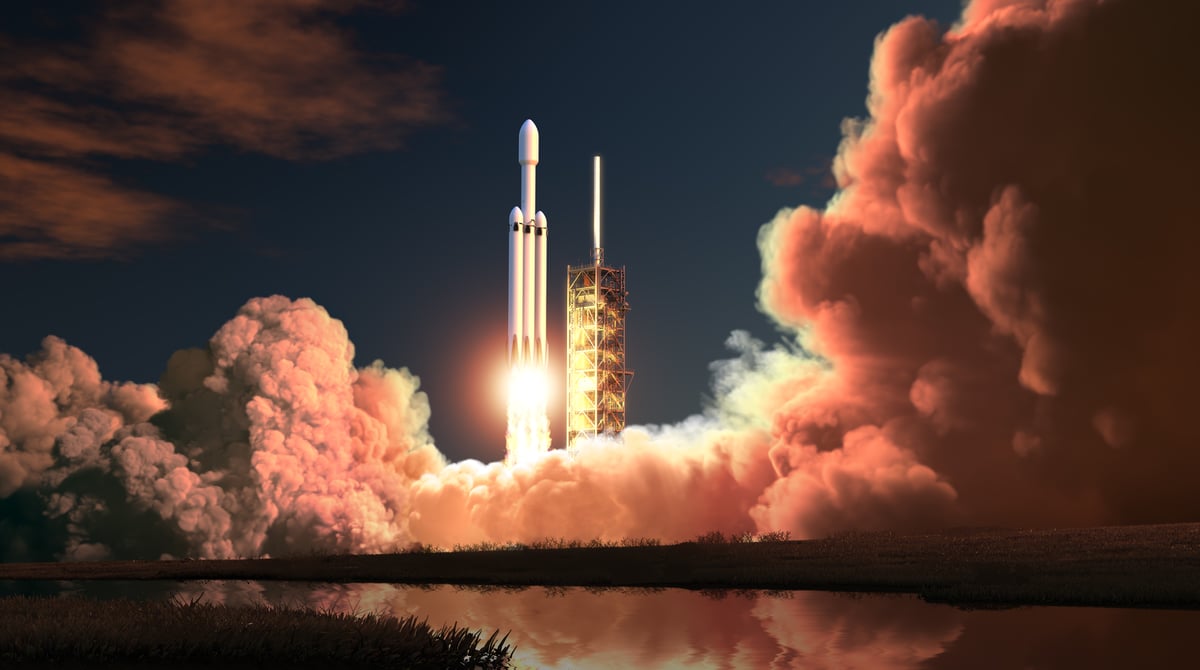
Analyzing Risks of SpaceX's Upcoming IPO
- Valuation Controversy: SpaceX is targeting a valuation of around $2 trillion for its upcoming IPO, a figure that has sparked significant debate, yet this is not the primary risk investors should be concerned about.
- Competitive Threats: Amazon's acquisition of Globalstar to enhance its Leo satellite internet service could pose a challenge to SpaceX's Starlink, although competitive risks are present, they are not the most pressing concern.
- Management Control Risks: The expected dual-class structure of SpaceX's IPO will grant Elon Musk singular control over the company, meaning he will dominate capital allocation and strategic decisions, which investors should be wary of.
- Investor Confidence Test: While Musk is a successful entrepreneur, his past behavior has raised concerns about investor confidence in SpaceX, particularly following controversies surrounding his management of Tesla, prompting investors to carefully weigh the risks against potential rewards.
See More
Tesla Q1 2026 Delivery Data Analysis
- Delivery and Production Data: In Q1 2026, Tesla produced 408,386 vehicles and delivered 358,023, marking the lowest delivery figures in a year and falling short of Wall Street estimates, indicating potential sales pressure that could impact future cash flow.
- Robotaxi Progress: Tesla's robotaxi fleet is currently operating in Austin, Texas, and San Francisco, but despite plans to expand into seven new cities, progress has been slow as of one-third through 2026, which may affect investor expectations for future revenue.
- Humanoid Robot Production Outlook: Analysts predict Tesla will produce only 5,000 Optimus robots by 2027 and 30,000 by 2030, despite Musk's claim of a goal to manufacture one million annually, with the lack of a specific timeline potentially disappointing the market.
- Valuation Risks: Tesla's stock valuation has decreased from nearly 300 times forward earnings at the end of last year to about 191 times, still higher than peers, but delays in the rollout of robotaxis could undermine market confidence, necessitating caution regarding the current risk-reward setup.
See More
Tesla Launches Autonomous Robotaxi Service in Texas
- Service Expansion: Tesla has officially launched its autonomous robotaxi service in Dallas and Houston, Texas, extending its driverless ride-hailing network to three major metropolitan areas in the state, thereby solidifying its market position.
- Technology Showcase: A short video shared on social media demonstrated Tesla vehicles operating without a human driver or safety monitor, underscoring the company's confidence in its Full Self-Driving technology and its readiness for scaling.
- Market Competitiveness: This expansion represents a pivotal step in the commercialization of autonomous ride-hailing services, enhancing Tesla's competitiveness in the rapidly evolving mobility sector and potentially attracting more users to its platform.
- Strategic Implications: As autonomous technology continues to advance, Tesla's initiative not only elevates its brand image but also has the potential to drive the entire industry towards more efficient mobility solutions, fostering innovation and growth in the market.
See More
Tesla's Q1 2026 Earnings Preview and Key Focus Areas
- Production and Delivery Data: In Q1 2026, Tesla produced 408,386 vehicles and delivered 358,023, marking the lowest delivery figures in a year and falling short of Wall Street estimates, indicating potential inventory issues that could pressure free cash flow.
- Robotaxi Progress: Tesla's robotaxi fleet is currently operating in Austin and San Francisco, but the planned expansion into seven new cities may be delayed due to safety culture concerns, which could impact future revenue streams significantly.
- Humanoid Robot Production Outlook: Analysts predict Tesla will produce only 5,000 Optimus robots by 2027 and 30,000 by 2030, despite Musk's ambition of reaching one million annually, creating uncertainty in market expectations regarding these initiatives.
- Market Reaction and Risks: Tesla's stock valuation has decreased from nearly 300 times forward earnings to about 191 times, still higher than peers, and investors are cautious about the rollout of robotaxis; any delays could lead to market disappointment and negatively affect stock performance.
See More
Tesla Reportedly Developing All-New Electric SUV Amid Robotaxi Focus
- New Electric SUV Development: Tesla is reportedly developing an all-new, smaller, and more affordable electric SUV, which is expected to be priced significantly lower than the entry-level Model 3 at $34,000, thereby attracting a broader consumer base and enhancing market competitiveness.
- Shift in Production Location: Sources indicate that the SUV may be produced in China, a strategy that would allow Tesla to leverage advancements in electric vehicle technology in the region, further strengthening its competitive edge in the global market.
- Market Adaptability: The new model is designed to be adaptable for both human driving and autonomous driving, suggesting that Tesla may adopt a flexible strategy in the future autonomous vehicle market to meet evolving consumer demands.
- Increased Competitive Pressure: While Tesla has ambitious plans for autonomous driving and robotics, the aging of its traditional vehicle lineup and intense competition from Chinese EV manufacturers may compel Tesla to refocus on its automotive business to maintain its market leadership.
See More
Analysis of Risks in SpaceX IPO
- Valuation Risk: SpaceX aims for a valuation of around $2 trillion at its IPO, yet many analysts question the feasibility of this figure, suggesting it is significantly inflated, which could lead to skepticism among investors and negatively impact market confidence.
- Competitive Threat: Amazon's Leo satellite internet service is expanding, with plans to acquire Globalstar to enhance its capabilities, posing a formidable challenge to SpaceX's Starlink, potentially eroding its market share and affecting profitability.
- Governance Structure Issues: SpaceX is expected to adopt a dual-class structure that grants Elon Musk absolute control over the company, which may limit investors' influence over capital allocation and strategic decisions, thereby increasing investment risks.
- Leadership Risk: While Musk is regarded as a visionary leader, his past actions and decisions could adversely affect the company, prompting investors to carefully consider the potential conflicts between his personal interests and those of the company.
See More
Analyzing Risks of SpaceX's Upcoming IPO
- Valuation Controversy: SpaceX is targeting a valuation of around $2 trillion for its upcoming IPO, a figure that has sparked significant debate, yet this is not the primary risk investors should be concerned about.
- Competitive Threats: Amazon's acquisition of Globalstar to enhance its Leo satellite internet service could pose a challenge to SpaceX's Starlink, although competitive risks are present, they are not the most pressing concern.
- Management Control Risks: The expected dual-class structure of SpaceX's IPO will grant Elon Musk singular control over the company, meaning he will dominate capital allocation and strategic decisions, which investors should be wary of.
- Investor Confidence Test: While Musk is a successful entrepreneur, his past behavior has raised concerns about investor confidence in SpaceX, particularly following controversies surrounding his management of Tesla, prompting investors to carefully weigh the risks against potential rewards.
See More
Tesla Q1 2026 Delivery Data Analysis
- Delivery and Production Data: In Q1 2026, Tesla produced 408,386 vehicles and delivered 358,023, marking the lowest delivery figures in a year and falling short of Wall Street estimates, indicating potential sales pressure that could impact future cash flow.
- Robotaxi Progress: Tesla's robotaxi fleet is currently operating in Austin, Texas, and San Francisco, but despite plans to expand into seven new cities, progress has been slow as of one-third through 2026, which may affect investor expectations for future revenue.
- Humanoid Robot Production Outlook: Analysts predict Tesla will produce only 5,000 Optimus robots by 2027 and 30,000 by 2030, despite Musk's claim of a goal to manufacture one million annually, with the lack of a specific timeline potentially disappointing the market.
- Valuation Risks: Tesla's stock valuation has decreased from nearly 300 times forward earnings at the end of last year to about 191 times, still higher than peers, but delays in the rollout of robotaxis could undermine market confidence, necessitating caution regarding the current risk-reward setup.
See More
Tesla Launches Autonomous Robotaxi Service in Texas
- Service Expansion: Tesla has officially launched its autonomous robotaxi service in Dallas and Houston, Texas, extending its driverless ride-hailing network to three major metropolitan areas in the state, thereby solidifying its market position.
- Technology Showcase: A short video shared on social media demonstrated Tesla vehicles operating without a human driver or safety monitor, underscoring the company's confidence in its Full Self-Driving technology and its readiness for scaling.
- Market Competitiveness: This expansion represents a pivotal step in the commercialization of autonomous ride-hailing services, enhancing Tesla's competitiveness in the rapidly evolving mobility sector and potentially attracting more users to its platform.
- Strategic Implications: As autonomous technology continues to advance, Tesla's initiative not only elevates its brand image but also has the potential to drive the entire industry towards more efficient mobility solutions, fostering innovation and growth in the market.
See More