BYD Unveils 5-Minute EV Charging Technology: Should Tesla Investors Worry?
Written by Emily J. Thompson, Senior Investment Analyst
Updated: Mar 14 2026
0mins


Should l Buy TSLA?
Source: Yahoo Finance
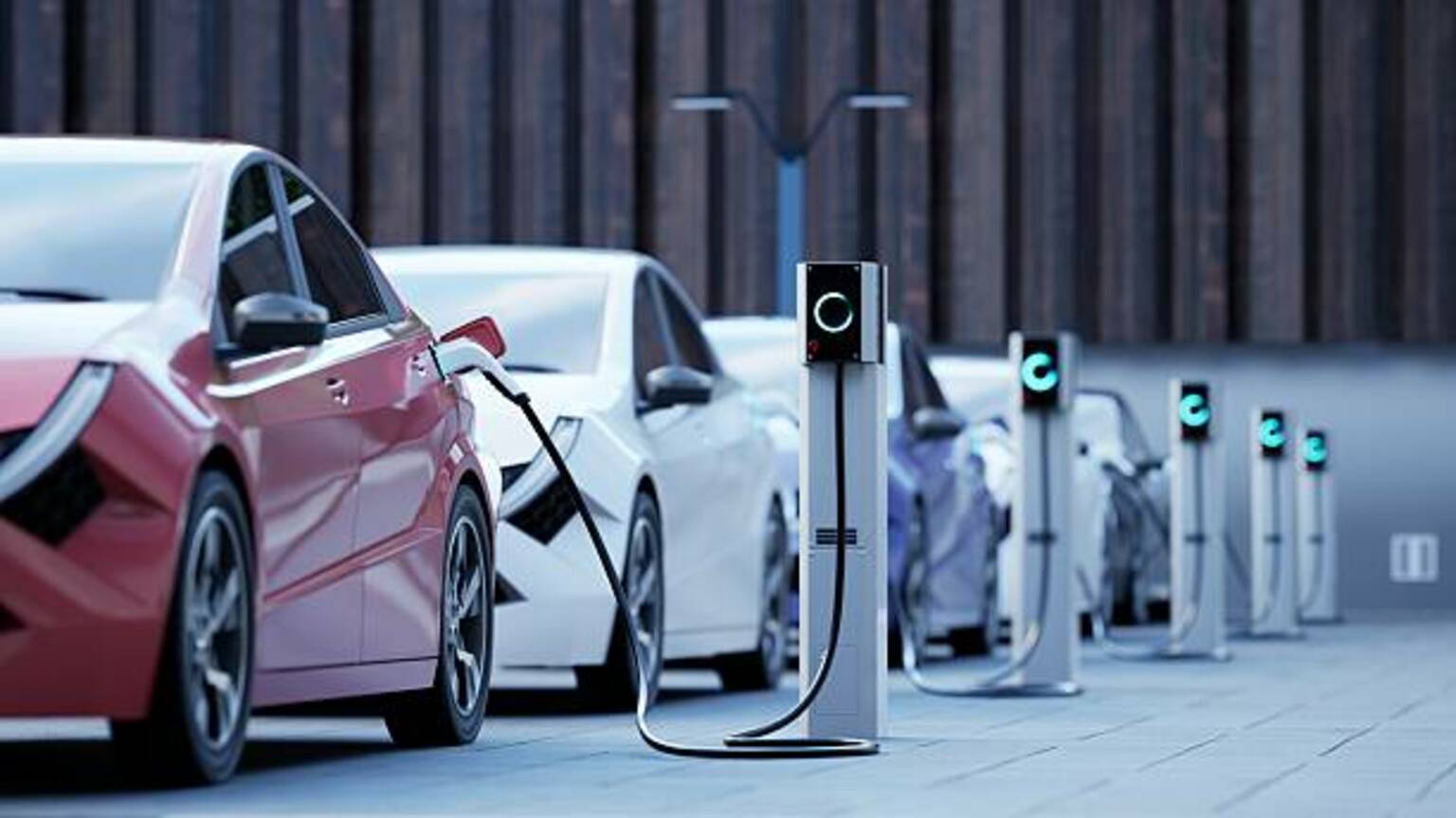
- Charging Time Revolution: BYD's Blade Battery 2.0 combined with the Flash Charging system can charge a vehicle from 10% to 70% in about five minutes and from 20% to 97% in approximately 12 minutes, significantly enhancing the convenience of EV usage and potentially altering consumer purchasing decisions.
- Market Competitive Pressure: Although BYD and Tesla are not direct competitors in the U.S. market, the rapid charging technology could enhance BYD's reputation in the global EV market, posing a threat to Tesla's market share, especially in price-sensitive segments.
- Infrastructure Challenges: BYD is building 1,500-kilowatt charging hubs in China to support its fast charging technology, but the lack of corresponding infrastructure in international markets may limit the technology's adoption and acceptance, reducing market penetration.
- Investor Focus: While BYD's technological advancements may pose a threat to Tesla, the latter's other challenges, such as its pivot to more modestly priced models and CEO Elon Musk's distractions, could have a more significant impact on its future performance.
Trade with 70% Backtested Accuracy
Stop guessing "Should I Buy TSLA?" and start using high-conviction signals backed by rigorous historical data.
Sign up today to access powerful investing tools and make smarter, data-driven decisions.
Analyst Views on TSLA
Wall Street analysts forecast TSLA stock price to rise
30 Analyst Rating
12 Buy
11 Hold
7 Sell
Hold
Current: 389.370

Low
25.28
Averages
401.93
High
600.00
Current: 389.370
Low
25.28
Averages
401.93
High
600.00
About TSLA
Tesla, Inc. designs, develops, manufactures, sells and leases high-performance fully electric vehicles and energy generation and storage systems, and offers services related to its products. Its segments include automotive, and energy generation and storage. The automotive segment includes the design, development, manufacturing, sales and leasing of high-performance fully electric vehicles, and sales of automotive regulatory credits. It also includes sales of used vehicles, non-warranty maintenance services and collisions, part sales, paid supercharging, insurance services revenue and retail merchandise sales. The energy generation and storage segment include the design, manufacture, installation, sales and leasing of solar energy generation and energy storage products and related services and sales of solar energy systems incentives. Its consumer vehicles include the Model 3, Y, S, X and Cybertruck. Its lithium-ion battery energy storage products include Powerwall and Megapack.
About the author

Emily J. Thompson
Emily J. Thompson, a Chartered Financial Analyst (CFA) with 12 years in investment research, graduated with honors from the Wharton School. Specializing in industrial and technology stocks, she provides in-depth analysis for Intellectia’s earnings and market brief reports.
Tesla Recalls Over 218,800 Vehicles Due to Camera Issue

- Large Recall Scale: Tesla is recalling over 218,800 vehicles in the U.S. due to a rearview camera image issue, affecting 2024-2025 Model 3 and Model S, as well as 2023-2025 Model X and Model Y, highlighting ongoing challenges in quality control.
- Significant Safety Risk: The delay in rearview camera image appearance could impair driver visibility, increasing the risk of collisions, which may lead to decreased consumer confidence in Tesla's safety standards.
- Software Update Solution: Tesla typically resolves most issues through free over-the-air software updates, and this recall may again test its ability to respond quickly and provide customer service, although frequent recalls could impact brand image.
- Historical Recall Trends: Rearview camera faults have been a recurring recall category for Tesla in recent years, reflecting ongoing challenges in technological reliability that could negatively affect future sales and market share.
See More
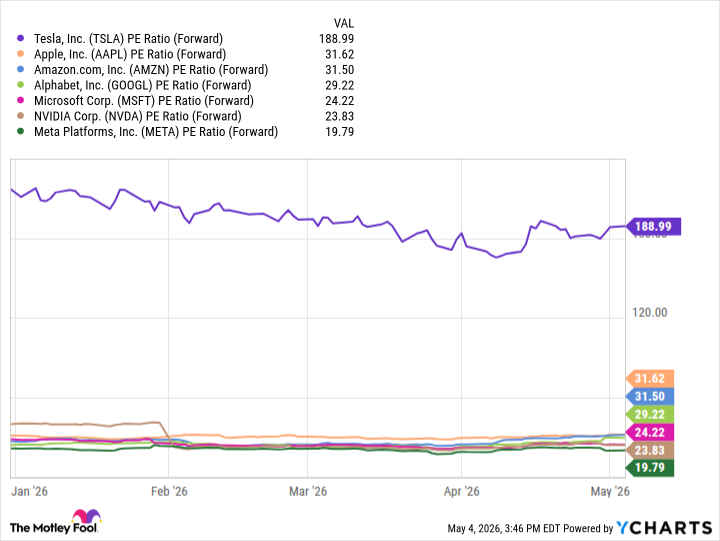
Meta Platforms Stock Slides into Value Territory


- Advertising Revenue Surge: Meta's advertising revenue reached $55 billion in Q1, marking a 33% year-over-year increase and accounting for nearly 98% of total revenue, indicating that its core advertising business remains robust and can fund future investments.
- AI Investment Plans: Meta expects capital expenditures to range between $125 billion and $145 billion in 2023, primarily for new data centers and AI infrastructure, which, despite raising investor skepticism, is crucial for maintaining a competitive edge in the AI race.
- AI Model Launch: The recent release of Meta's AI model, Muse Spark, which outperforms common models in several areas, suggests potential in the AI space, although its adoption remains to be seen, indicating a shift in market perception of Meta's capabilities.
- Vertical Integration Strategy: By developing custom application-specific integrated circuits in partnership with Broadcom, Meta aims to reduce reliance on Nvidia and AMD, thereby lowering computing costs and accelerating its vertical integration within the AI ecosystem.
See More
SpaceX Targets Mid-2026 IPO Valued Up to $2 Trillion Amid Criticism
- IPO Valuation Controversy: SpaceX is targeting a mid-2026 IPO with a valuation between $1.75 trillion and $2 trillion, potentially making it the largest public listing in U.S. history; however, unions warn that this valuation 'defies financial logic' and could expose retail investors to significant risks.
- Regulatory Scrutiny Call: The American Federation of Teachers has urged the SEC to subject SpaceX's IPO to 'extraordinary scrutiny,' highlighting concerns over ambiguous financial disclosures that could draw millions of retail investors and retirement accounts into a high-risk investment scenario, raising alarms about investor protections.
- Impact of Nasdaq Rule Changes: The union criticized recent rule changes at Nasdaq and other index providers that could allow SpaceX to enter major indexes within 15 days of its IPO, potentially forcing passive index fund investors to buy SpaceX shares before fully understanding the associated risks of valuation and business model.
- AI Expansion and IPO Outlook: Musk is expanding SpaceX's AI ambitions by integrating xAI into the company, although questions about the reliability of its data center operations and reliance on temporary infrastructure could impact market performance and investor confidence ahead of the IPO.
See More
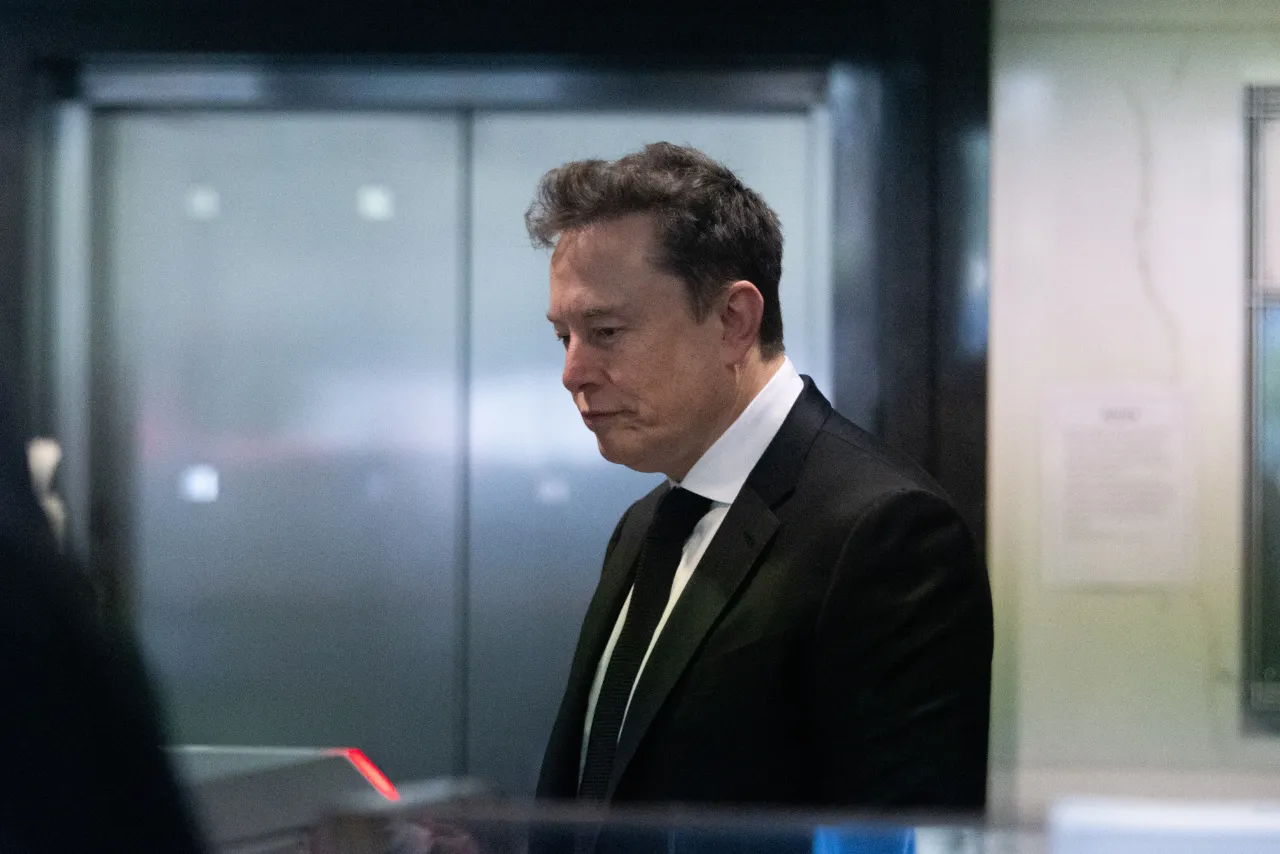
Musk's Tax Burden Sparks Attention
- Tax Burden Disclosure: Musk revealed on social media that he faces a combined federal and state tax rate of 45% when exercising and selling stock options, sparking widespread discussion about billionaire taxation and potentially influencing public perceptions of tax burdens on the wealthy.
- Massive Compensation Plan: Tesla recently disclosed that Musk's 2025 compensation package is valued at $158.4 billion for accounting purposes, with potential worth reaching $1 trillion over the next decade if the company meets aggressive targets, significantly impacting shareholder expectations and market sentiment.
- SpaceX Equity Awards: SpaceX has approved a compensation structure for Musk based on future milestones, which could grant him 200 million super-voting restricted shares if the company achieves a $7.5 trillion valuation and establishes a human colony on Mars, potentially exacerbating his tax liabilities.
- Deepening Corporate Ties: Musk's business empire is increasingly interconnected, with SpaceX paying Tesla $143.3 million for vehicle purchases, highlighting the close collaboration between the two companies in electric vehicles and AI infrastructure, which may influence investor confidence in their future growth trajectories.
See More

Zilis Testifies, Reveals Relationship with Musk in OpenAI Lawsuit
- Witness Testimony: Shivon Zilis took the stand in Musk's lawsuit against OpenAI, revealing her secret relationship with Musk, which could significantly impact the case, particularly Musk's allegations against OpenAI executives for breaching founding agreements.
- Lawsuit Context: Musk accuses OpenAI's CEO and president of unjust enrichment during the company's transition from non-profit to for-profit, seeking to remove both executives and claiming $134 billion in damages, which could fundamentally alter OpenAI's operational model if successful.
- Complex Relationship: Zilis maintained communication with Musk while serving on OpenAI's board, and during her testimony, she acknowledged discussing strategies with Musk in 2018, indicating her potential influence on internal information flow between the two parties.
- Personal Life Exposure: Zilis's relationship with Musk became public in 2022, revealing they have four children together, and her testimony may further illuminate the complexities of their relationship and its potential implications for OpenAI's future.
See More
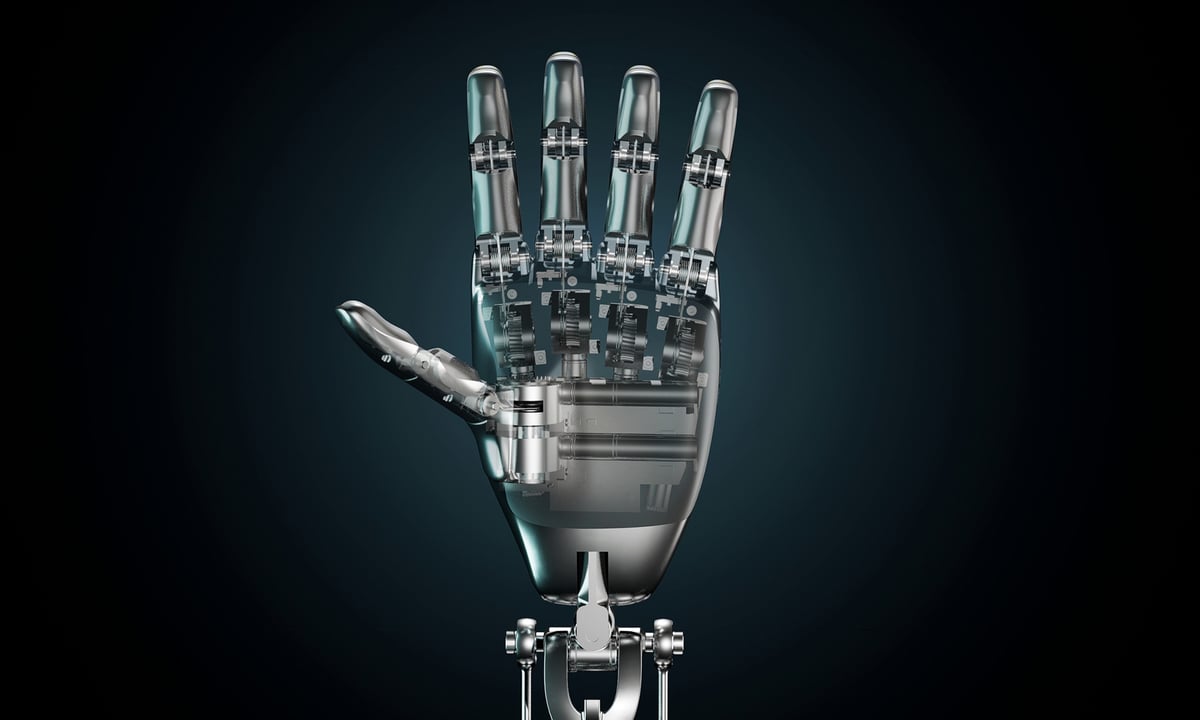
Tesla's New Future: A $10 Trillion Opportunity in Robotaxi Market

- Massive Market Opportunity: Tesla is targeting the robotaxi market, which could be valued at $10 trillion globally, and despite a decline in auto sales, its market cap remains above $1 trillion, indicating strong investor confidence in its future.
- Product Line Evolution: Since its founding in 2003, Tesla has transitioned from luxury sports cars to more affordable models, particularly with the launch of the Model 3 and Model Y, which now account for over 90% of its global auto sales.
- Significant Competitive Advantage: Tesla's ability to internally produce hundreds of thousands of robotaxis gives it a distinct edge over competitors like Uber and Waymo, who rely on third-party production, allowing for quicker scaling in the market.
- Future Expansion Plans: Musk aims to expand the robotaxi service to a dozen new markets within the next year, and if successful, could achieve global scaling within a decade, further solidifying Tesla's leading position in this emerging sector.
See More
Tesla Recalls Over 218,800 Vehicles Due to Camera Issue
- Large Recall Scale: Tesla is recalling over 218,800 vehicles in the U.S. due to a rearview camera image issue, affecting 2024-2025 Model 3 and Model S, as well as 2023-2025 Model X and Model Y, highlighting ongoing challenges in quality control.
- Significant Safety Risk: The delay in rearview camera image appearance could impair driver visibility, increasing the risk of collisions, which may lead to decreased consumer confidence in Tesla's safety standards.
- Software Update Solution: Tesla typically resolves most issues through free over-the-air software updates, and this recall may again test its ability to respond quickly and provide customer service, although frequent recalls could impact brand image.
- Historical Recall Trends: Rearview camera faults have been a recurring recall category for Tesla in recent years, reflecting ongoing challenges in technological reliability that could negatively affect future sales and market share.
See More
Meta Platforms Stock Slides into Value Territory
- Advertising Revenue Surge: Meta's advertising revenue reached $55 billion in Q1, marking a 33% year-over-year increase and accounting for nearly 98% of total revenue, indicating that its core advertising business remains robust and can fund future investments.
- AI Investment Plans: Meta expects capital expenditures to range between $125 billion and $145 billion in 2023, primarily for new data centers and AI infrastructure, which, despite raising investor skepticism, is crucial for maintaining a competitive edge in the AI race.
- AI Model Launch: The recent release of Meta's AI model, Muse Spark, which outperforms common models in several areas, suggests potential in the AI space, although its adoption remains to be seen, indicating a shift in market perception of Meta's capabilities.
- Vertical Integration Strategy: By developing custom application-specific integrated circuits in partnership with Broadcom, Meta aims to reduce reliance on Nvidia and AMD, thereby lowering computing costs and accelerating its vertical integration within the AI ecosystem.
See More
SpaceX Targets Mid-2026 IPO Valued Up to $2 Trillion Amid Criticism
- IPO Valuation Controversy: SpaceX is targeting a mid-2026 IPO with a valuation between $1.75 trillion and $2 trillion, potentially making it the largest public listing in U.S. history; however, unions warn that this valuation 'defies financial logic' and could expose retail investors to significant risks.
- Regulatory Scrutiny Call: The American Federation of Teachers has urged the SEC to subject SpaceX's IPO to 'extraordinary scrutiny,' highlighting concerns over ambiguous financial disclosures that could draw millions of retail investors and retirement accounts into a high-risk investment scenario, raising alarms about investor protections.
- Impact of Nasdaq Rule Changes: The union criticized recent rule changes at Nasdaq and other index providers that could allow SpaceX to enter major indexes within 15 days of its IPO, potentially forcing passive index fund investors to buy SpaceX shares before fully understanding the associated risks of valuation and business model.
- AI Expansion and IPO Outlook: Musk is expanding SpaceX's AI ambitions by integrating xAI into the company, although questions about the reliability of its data center operations and reliance on temporary infrastructure could impact market performance and investor confidence ahead of the IPO.
See More
Musk's Tax Burden Sparks Attention
- Tax Burden Disclosure: Musk revealed on social media that he faces a combined federal and state tax rate of 45% when exercising and selling stock options, sparking widespread discussion about billionaire taxation and potentially influencing public perceptions of tax burdens on the wealthy.
- Massive Compensation Plan: Tesla recently disclosed that Musk's 2025 compensation package is valued at $158.4 billion for accounting purposes, with potential worth reaching $1 trillion over the next decade if the company meets aggressive targets, significantly impacting shareholder expectations and market sentiment.
- SpaceX Equity Awards: SpaceX has approved a compensation structure for Musk based on future milestones, which could grant him 200 million super-voting restricted shares if the company achieves a $7.5 trillion valuation and establishes a human colony on Mars, potentially exacerbating his tax liabilities.
- Deepening Corporate Ties: Musk's business empire is increasingly interconnected, with SpaceX paying Tesla $143.3 million for vehicle purchases, highlighting the close collaboration between the two companies in electric vehicles and AI infrastructure, which may influence investor confidence in their future growth trajectories.
See More
Zilis Testifies, Reveals Relationship with Musk in OpenAI Lawsuit
- Witness Testimony: Shivon Zilis took the stand in Musk's lawsuit against OpenAI, revealing her secret relationship with Musk, which could significantly impact the case, particularly Musk's allegations against OpenAI executives for breaching founding agreements.
- Lawsuit Context: Musk accuses OpenAI's CEO and president of unjust enrichment during the company's transition from non-profit to for-profit, seeking to remove both executives and claiming $134 billion in damages, which could fundamentally alter OpenAI's operational model if successful.
- Complex Relationship: Zilis maintained communication with Musk while serving on OpenAI's board, and during her testimony, she acknowledged discussing strategies with Musk in 2018, indicating her potential influence on internal information flow between the two parties.
- Personal Life Exposure: Zilis's relationship with Musk became public in 2022, revealing they have four children together, and her testimony may further illuminate the complexities of their relationship and its potential implications for OpenAI's future.
See More
Tesla's New Future: A $10 Trillion Opportunity in Robotaxi Market
- Massive Market Opportunity: Tesla is targeting the robotaxi market, which could be valued at $10 trillion globally, and despite a decline in auto sales, its market cap remains above $1 trillion, indicating strong investor confidence in its future.
- Product Line Evolution: Since its founding in 2003, Tesla has transitioned from luxury sports cars to more affordable models, particularly with the launch of the Model 3 and Model Y, which now account for over 90% of its global auto sales.
- Significant Competitive Advantage: Tesla's ability to internally produce hundreds of thousands of robotaxis gives it a distinct edge over competitors like Uber and Waymo, who rely on third-party production, allowing for quicker scaling in the market.
- Future Expansion Plans: Musk aims to expand the robotaxi service to a dozen new markets within the next year, and if successful, could achieve global scaling within a decade, further solidifying Tesla's leading position in this emerging sector.
See More