BYD, the Chinese electric vehicle leader, reveals contingency plan in case of Nvidia chip supply disruption.
Written by Emily J. Thompson, Senior Investment Analyst
Updated: Sep 23 2025
0mins
Source: CNBC
BYD's Backup Plan: BYD has a contingency plan in place in case it is cut off from using Nvidia chips, although details of the plan were not disclosed. The company has previously navigated semiconductor shortages during the Covid-19 pandemic by developing much of its technology in-house.
Nvidia's Role and Market Dynamics: Nvidia's chips are crucial for AI development and automotive applications, and despite U.S.-China tensions, there is currently no indication that the Chinese government will ban Nvidia's automotive chips. BYD's executive believes that such a ban would be detrimental to Nvidia's market value.
Trade with 70% Backtested Accuracy
Stop guessing "Should I Buy NVDA?" and start using high-conviction signals backed by rigorous historical data.
Sign up today to access powerful investing tools and make smarter, data-driven decisions.
Analyst Views on NVDA
Wall Street analysts forecast NVDA stock price to rise
41 Analyst Rating
39 Buy
1 Hold
1 Sell
Strong Buy
Current: 215.330

Low
200.00
Averages
264.97
High
352.00
Current: 215.330
Low
200.00
Averages
264.97
High
352.00
About NVDA
NVIDIA Corporation is an artificial intelligence (AI) infrastructure company. The Company is engaged in accelerated computing to help solve the challenging computational problems. Its segments include Compute & Networking and Graphics. The Compute & Networking segment includes its Data Center accelerated computing and networking platforms and AI solutions and software, and automotive platforms and autonomous and electric vehicle solutions, including software. The Graphics segment includes GeForce GPUs for gaming and personal computers (PCs), and Quadro/NVIDIA RTX GPUs for enterprise workstation graphics. Its technology stack includes the foundational NVIDIA CUDA development platform that runs on all NVIDIA GPUs, as well as hundreds of domain-specific software libraries, frameworks, algorithms, software development kits (SDKs), and application programming interfaces (APIs). Its platforms address four markets, which include Data Center, Gaming, Professional Visualization, and Automotive.
About the author

Emily J. Thompson
Emily J. Thompson, a Chartered Financial Analyst (CFA) with 12 years in investment research, graduated with honors from the Wharton School. Specializing in industrial and technology stocks, she provides in-depth analysis for Intellectia’s earnings and market brief reports.

Nvidia's Strong Earnings Mask Underlying Concerns

- Significant Revenue Growth: Nvidia reported an 85% revenue growth in Q1 of Fiscal 2027, surpassing the previous quarter's 73%, indicating strong demand for its AI chips; however, market concerns about future growth expectations have emerged.
- Increased Competition Risks: The company warned in its earnings report that some customers are developing their own ASICs and other products, which could erode Nvidia's market share and margins, raising investor concerns about future profitability.
- Stock Price Volatility Reasons: Despite a strong earnings report, Nvidia's stock fell by 0.88% post-release, reflecting that investor uncertainty about future growth may outweigh current performance metrics.
- Valuation Controversy: With a market cap of $5.2 trillion, Nvidia appears expensive, yet its forward P/E ratio of 25 suggests it could be undervalued; however, any slowdown in tech spending or increased competition could impact earnings projections, necessitating cautious investor sentiment.
See More
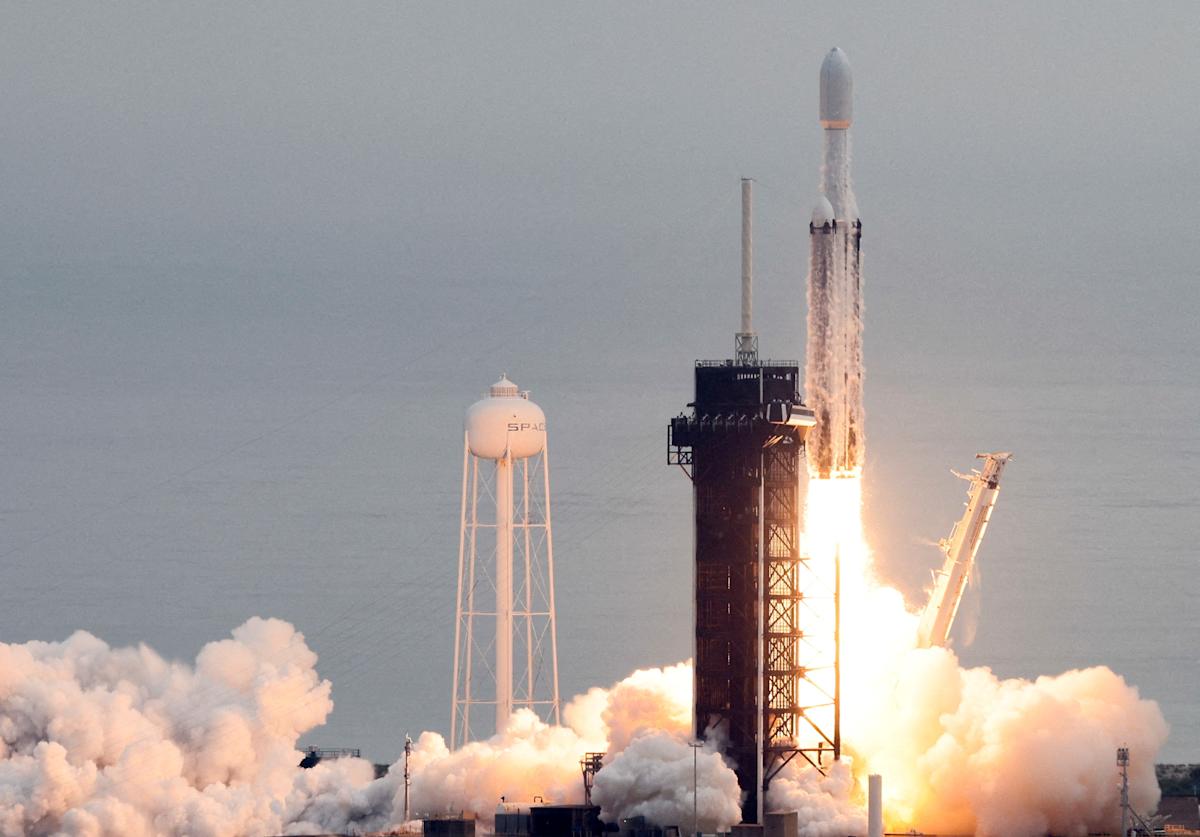
SpaceX IPO Sparks Tech Stock Rally
- SpaceX IPO Outlook: SpaceX filed its S-1 IPO prospectus seeking a $2 trillion valuation, showcasing its ambitions in AI infrastructure and interstellar travel, which is expected to attract investor interest in tech themes.
- Intensifying AI Competition: OpenAI and Anthropic are also reportedly planning to file for IPOs in the coming weeks, which is likely to further fuel the AI trading frenzy and create a new competitive landscape in the market.
- Nvidia Earnings Boost: Nvidia's quarterly results last week exceeded Wall Street expectations and provided an optimistic second-quarter outlook, offering strong support for AI-related stocks and boosting investor confidence.
- Positive Market Reaction: As several tech companies report earnings this week, investors are optimistic about future profit expectations, particularly for firms like Zscaler, Marvell, and Salesforce, which may further drive tech stock gains.
See More
ByteDance Becomes Qualcomm's First Major AI Chip Customer
- Partnership Agreement: ByteDance has signed a deal with Qualcomm to become a major customer for its AI data center chips, marking a significant breakthrough in Qualcomm's diversification strategy beyond smartphones, which is expected to drive future revenue growth.
- Budget Increase: ByteDance has raised its AI infrastructure budget for 2026 by 25% to RMB 200 billion (approximately $29.4 billion), demonstrating its commitment to AI technology and ambition for future development, which may further boost demand for Qualcomm's chips.
- Positive Market Reaction: Qualcomm's shares hit record highs following the signing of the agreement, reflecting investor optimism regarding its AI chip business prospects, with the stock rising over 43% this year, indicating market recognition of its transformation.
- Multi-Generation Collaboration Outlook: Qualcomm's CEO mentioned during the earnings call that the partnership with ByteDance is a
See More

Analysis of SpaceX's Financials Before IPO


- Financial Overview: SpaceX's stock price on May 22, 2026, serves as a basis for analysis, and while specific financial data is not disclosed, the upcoming IPO generates market interest that could influence investor confidence.
- Market Reaction: The video, published on May 25, 2026, indicates that analysts are cautious about SpaceX's financial status, suggesting that investors may need to reassess their strategies in the current market environment.
- Investment Advice: Despite the generally positive outlook for SpaceX, analysts recommend skipping the stock for now, reflecting concerns over its valuation and market volatility that could impact short-term investment decisions.
- Future Outlook: As SpaceX's IPO approaches, ongoing scrutiny of its financial health will persist, and investors should closely monitor subsequent financial reports and market developments to make informed investment choices.
See More

Strong Q1 2026 Earnings Reports from Major U.S. Companies

- Earnings Beat Expectations: As of now, 84% of S&P 500 companies have exceeded earnings per share estimates and 81% have surpassed revenue expectations, indicating a resilient U.S. economy, although market concerns about the future are intensifying.
- AI-Driven Growth: Companies like Nvidia and Palantir reported 85% revenue growth in Q1 2027 and anticipate 95% and 80% growth in the second quarter, respectively, highlighting rapid expansion in the AI sector and strong market confidence.
- Consumer Spending Trends: Walmart and Costco's earnings reports show that consumer spending remains robust despite inflationary pressures, but Walmart's management cautioned that budget-conscious consumers may be facing financial stress, reflecting a “K-shaped” recovery in the economy.
- Market Volatility Risks: Despite optimistic guidance from AI companies, rising inflation and interest rates may lead to stock price volatility, prompting investors to maintain diversified portfolios to mitigate potential risks.
See More
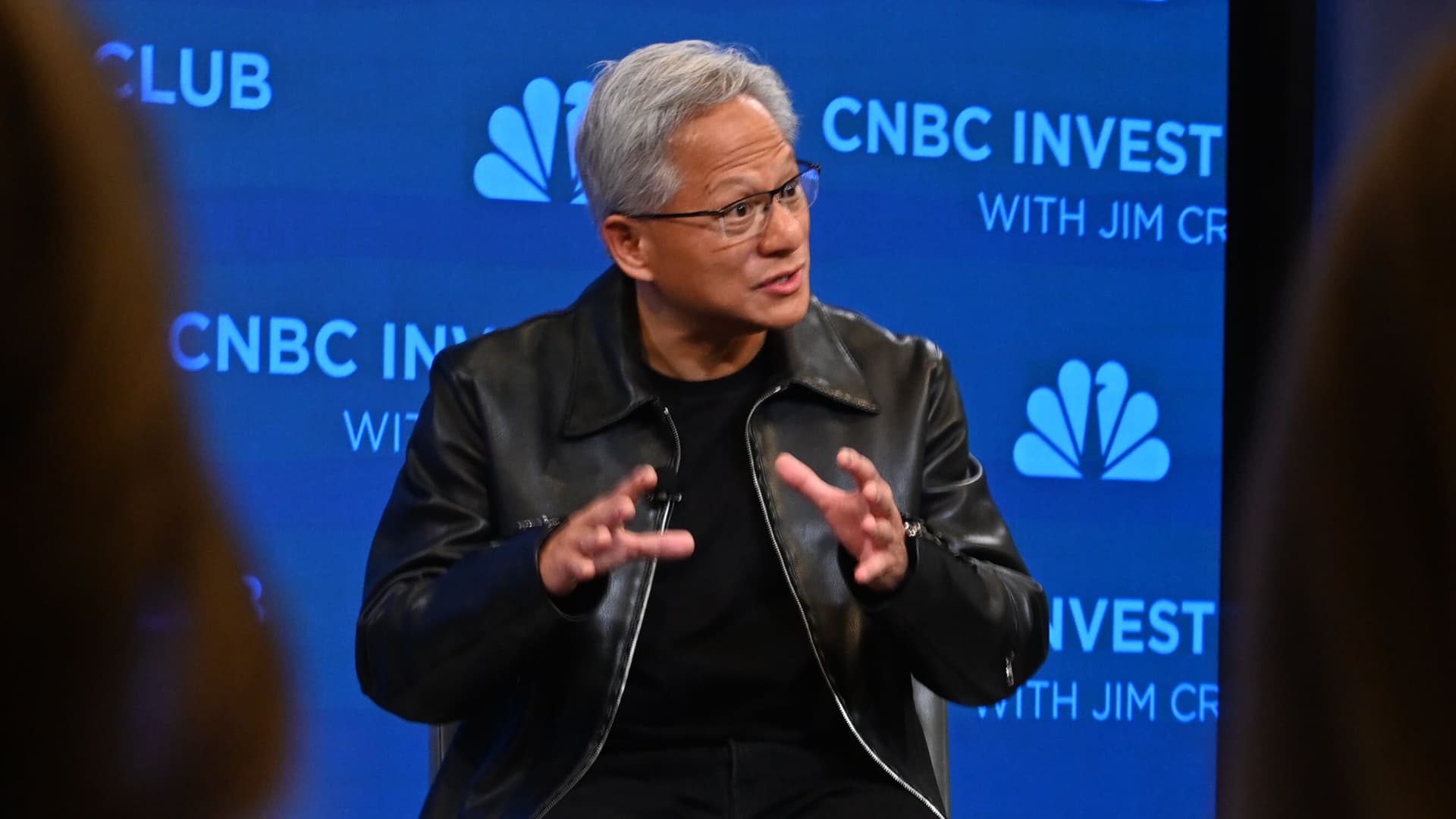
Nvidia Stock Fluctuations and Technical Analysis

- Technical Support and Resistance: Nvidia's stock has broken through resistance in the $210 to $215 range, previously rejected in October 2025 and late April; a drop below $215 could turn it into resistance, impacting future price movements.
- Historical High Retreat: After reaching an all-time high of $236.54 on May 14, Nvidia's stock has since pulled back, raising concerns about market confidence and potential investor sentiment.
- Shareholder Return Strategy: Jim Cramer suggests Nvidia consider a cash return strategy similar to Apple's, which reduces share float and increases shareholder value, although exiting the stock is not currently on the table.
- Long-Term Value Belief: Despite Nvidia's recent underperformance, its fundamentals remain strong with sustained market demand, prompting investors to carefully assess their position size to mitigate potential opportunity costs.
See More
Nvidia's Strong Earnings Mask Underlying Concerns
- Significant Revenue Growth: Nvidia reported an 85% revenue growth in Q1 of Fiscal 2027, surpassing the previous quarter's 73%, indicating strong demand for its AI chips; however, market concerns about future growth expectations have emerged.
- Increased Competition Risks: The company warned in its earnings report that some customers are developing their own ASICs and other products, which could erode Nvidia's market share and margins, raising investor concerns about future profitability.
- Stock Price Volatility Reasons: Despite a strong earnings report, Nvidia's stock fell by 0.88% post-release, reflecting that investor uncertainty about future growth may outweigh current performance metrics.
- Valuation Controversy: With a market cap of $5.2 trillion, Nvidia appears expensive, yet its forward P/E ratio of 25 suggests it could be undervalued; however, any slowdown in tech spending or increased competition could impact earnings projections, necessitating cautious investor sentiment.
See More
SpaceX IPO Sparks Tech Stock Rally
- SpaceX IPO Outlook: SpaceX filed its S-1 IPO prospectus seeking a $2 trillion valuation, showcasing its ambitions in AI infrastructure and interstellar travel, which is expected to attract investor interest in tech themes.
- Intensifying AI Competition: OpenAI and Anthropic are also reportedly planning to file for IPOs in the coming weeks, which is likely to further fuel the AI trading frenzy and create a new competitive landscape in the market.
- Nvidia Earnings Boost: Nvidia's quarterly results last week exceeded Wall Street expectations and provided an optimistic second-quarter outlook, offering strong support for AI-related stocks and boosting investor confidence.
- Positive Market Reaction: As several tech companies report earnings this week, investors are optimistic about future profit expectations, particularly for firms like Zscaler, Marvell, and Salesforce, which may further drive tech stock gains.
See More
ByteDance Becomes Qualcomm's First Major AI Chip Customer
- Partnership Agreement: ByteDance has signed a deal with Qualcomm to become a major customer for its AI data center chips, marking a significant breakthrough in Qualcomm's diversification strategy beyond smartphones, which is expected to drive future revenue growth.
- Budget Increase: ByteDance has raised its AI infrastructure budget for 2026 by 25% to RMB 200 billion (approximately $29.4 billion), demonstrating its commitment to AI technology and ambition for future development, which may further boost demand for Qualcomm's chips.
- Positive Market Reaction: Qualcomm's shares hit record highs following the signing of the agreement, reflecting investor optimism regarding its AI chip business prospects, with the stock rising over 43% this year, indicating market recognition of its transformation.
- Multi-Generation Collaboration Outlook: Qualcomm's CEO mentioned during the earnings call that the partnership with ByteDance is a
See More
Analysis of SpaceX's Financials Before IPO
- Financial Overview: SpaceX's stock price on May 22, 2026, serves as a basis for analysis, and while specific financial data is not disclosed, the upcoming IPO generates market interest that could influence investor confidence.
- Market Reaction: The video, published on May 25, 2026, indicates that analysts are cautious about SpaceX's financial status, suggesting that investors may need to reassess their strategies in the current market environment.
- Investment Advice: Despite the generally positive outlook for SpaceX, analysts recommend skipping the stock for now, reflecting concerns over its valuation and market volatility that could impact short-term investment decisions.
- Future Outlook: As SpaceX's IPO approaches, ongoing scrutiny of its financial health will persist, and investors should closely monitor subsequent financial reports and market developments to make informed investment choices.
See More
Strong Q1 2026 Earnings Reports from Major U.S. Companies
- Earnings Beat Expectations: As of now, 84% of S&P 500 companies have exceeded earnings per share estimates and 81% have surpassed revenue expectations, indicating a resilient U.S. economy, although market concerns about the future are intensifying.
- AI-Driven Growth: Companies like Nvidia and Palantir reported 85% revenue growth in Q1 2027 and anticipate 95% and 80% growth in the second quarter, respectively, highlighting rapid expansion in the AI sector and strong market confidence.
- Consumer Spending Trends: Walmart and Costco's earnings reports show that consumer spending remains robust despite inflationary pressures, but Walmart's management cautioned that budget-conscious consumers may be facing financial stress, reflecting a “K-shaped” recovery in the economy.
- Market Volatility Risks: Despite optimistic guidance from AI companies, rising inflation and interest rates may lead to stock price volatility, prompting investors to maintain diversified portfolios to mitigate potential risks.
See More
Nvidia Stock Fluctuations and Technical Analysis
- Technical Support and Resistance: Nvidia's stock has broken through resistance in the $210 to $215 range, previously rejected in October 2025 and late April; a drop below $215 could turn it into resistance, impacting future price movements.
- Historical High Retreat: After reaching an all-time high of $236.54 on May 14, Nvidia's stock has since pulled back, raising concerns about market confidence and potential investor sentiment.
- Shareholder Return Strategy: Jim Cramer suggests Nvidia consider a cash return strategy similar to Apple's, which reduces share float and increases shareholder value, although exiting the stock is not currently on the table.
- Long-Term Value Belief: Despite Nvidia's recent underperformance, its fundamentals remain strong with sustained market demand, prompting investors to carefully assess their position size to mitigate potential opportunity costs.
See More