BP Shares Steady as UBS Upgrades to Buy Amid Leadership Change
Written by Emily J. Thompson, Senior Investment Analyst
Updated: 1 hour ago
0mins
Should l Buy BP?
Source: seekingalpha
- Rating Upgrade: UBS has upgraded BP's stock from Neutral to Buy, reflecting optimism regarding new CEO Meg O'Neill's ability to rebuild investor confidence at a critical juncture, despite BP's stock underperforming peers by over 50% since 2018.
- Cost Optimization Potential: Analyst Joshua Stone highlighted that BP's operating expenses have risen by approximately $10 billion since 2019, making it the highest among peers, with potential savings of $3 billion to $6 billion identified, representing a 20% increase in pre-tax earnings at the midpoint.
- Leverage Ratio Improvement: BP holds the highest leverage ratio in its sector at 47%, but with rising oil prices, it is projected to decrease to 27% by 2028, facilitating faster deleveraging and enhancing financial stability.
- Capital Expenditure Outlook: Stone anticipates BP's capital expenditures can remain at $13 billion to $14 billion until 2027, but may need to increase to around $15 billion from 2028 to fund new projects, indicating strategic planning for future growth.
Trade with 70% Backtested Accuracy
Stop guessing "Should I Buy BP?" and start using high-conviction signals backed by rigorous historical data.
Sign up today to access powerful investing tools and make smarter, data-driven decisions.
Analyst Views on BP
Wall Street analysts forecast BP stock price to rise
11 Analyst Rating
5 Buy
5 Hold
1 Sell
Moderate Buy
Current: 46.170

Low
6.38
Averages
84.26
High
503.69
Current: 46.170
Low
6.38
Averages
84.26
High
503.69
About BP
BP p.l.c. is a United Kingdom-based integrated energy company. Its segments include Gas & low carbon energy, Oil production & operations, Customers & products, and Other businesses & corporate. The gas & low carbon energy comprises regions with upstream businesses that predominantly produce natural gas, gas marketing and trading activities and its solar, wind and hydrogen businesses. The oil production & operations segment comprises regions with upstream activities that predominantly produce crude oil, including bpx energy. The customers & products segment comprises its customer-focused businesses, which include convenience and retail fuels, electric vehicle (EV) charging, as well as Castrol, aviation and business-to-business (B2B) and midstream. It also includes its products businesses, refining and oil trading, as well as its bioenergy businesses. The other businesses and corporate also comprises the Company's shipping and treasury functions, and corporate activities worldwide.
About the author

Emily J. Thompson
Emily J. Thompson, a Chartered Financial Analyst (CFA) with 12 years in investment research, graduated with honors from the Wharton School. Specializing in industrial and technology stocks, she provides in-depth analysis for Intellectia’s earnings and market brief reports.

BP's Oil Trading Division Set for Exceptional Q1 Performance Amid Market Volatility
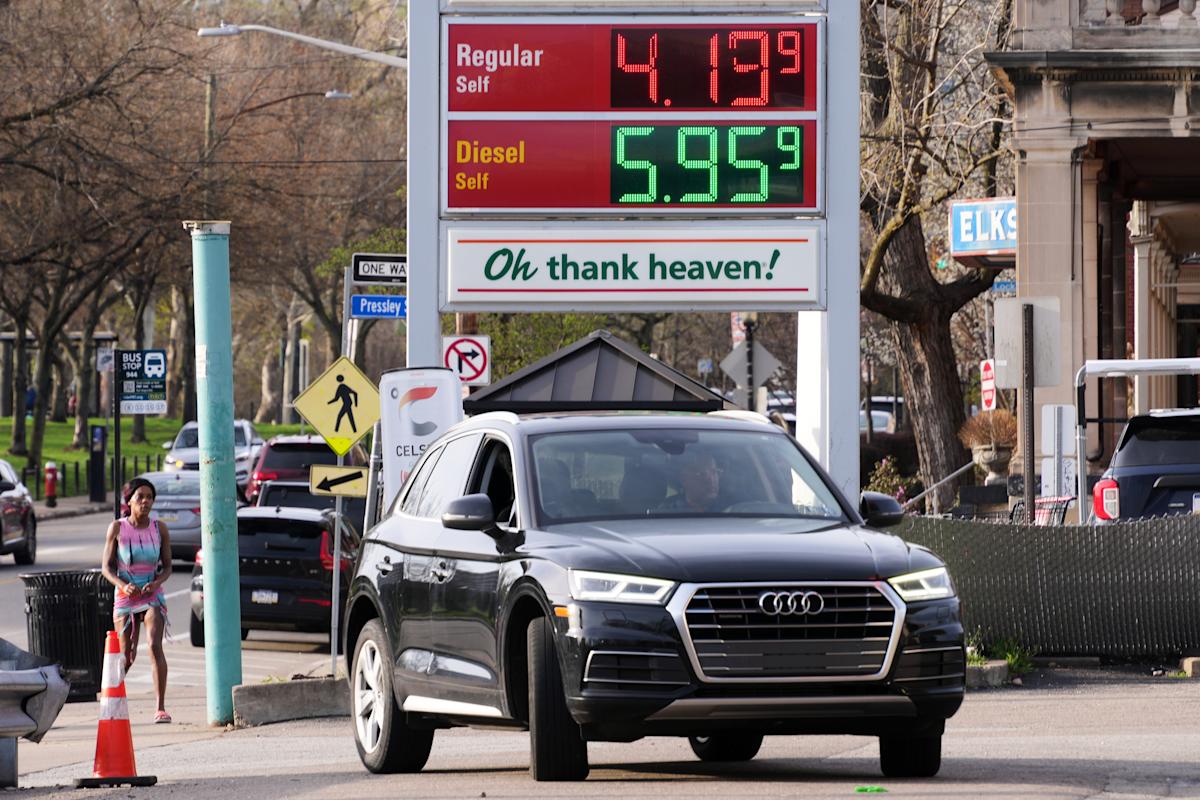
- Market Volatility Impact: BP's oil trading division is poised for an “exceptional” first-quarter performance, benefiting from energy market volatility driven by Middle East tensions, with Brent crude prices rising from $63.73 in Q4 to $81.13 in Q1, indicating a strong market rebound.
- Stable Production Outlook: The company expects upstream production in Q1 to remain flat compared to Q4 2025 at 2,344 mboe/d, with a slight increase in gas and low-carbon energy output, reflecting stability amid ongoing transitions in the energy sector.
- Increased Financial Pressure: Net debt is projected to rise to between $25 billion and $27 billion at the end of Q1 from $22.2 billion at the end of Q4 2025, primarily due to a $4 billion to $7 billion increase in working capital, highlighting financial pressures in the current pricing environment.
- Lagged Pricing Effects: BP's oil and gas production faces impacts from pricing lags, particularly in the Gulf of America and UAE, with realizations expected to increase by $0.1 billion to $0.2 billion compared to the prior quarter, reflecting the uncertainties in market pricing dynamics.
See More
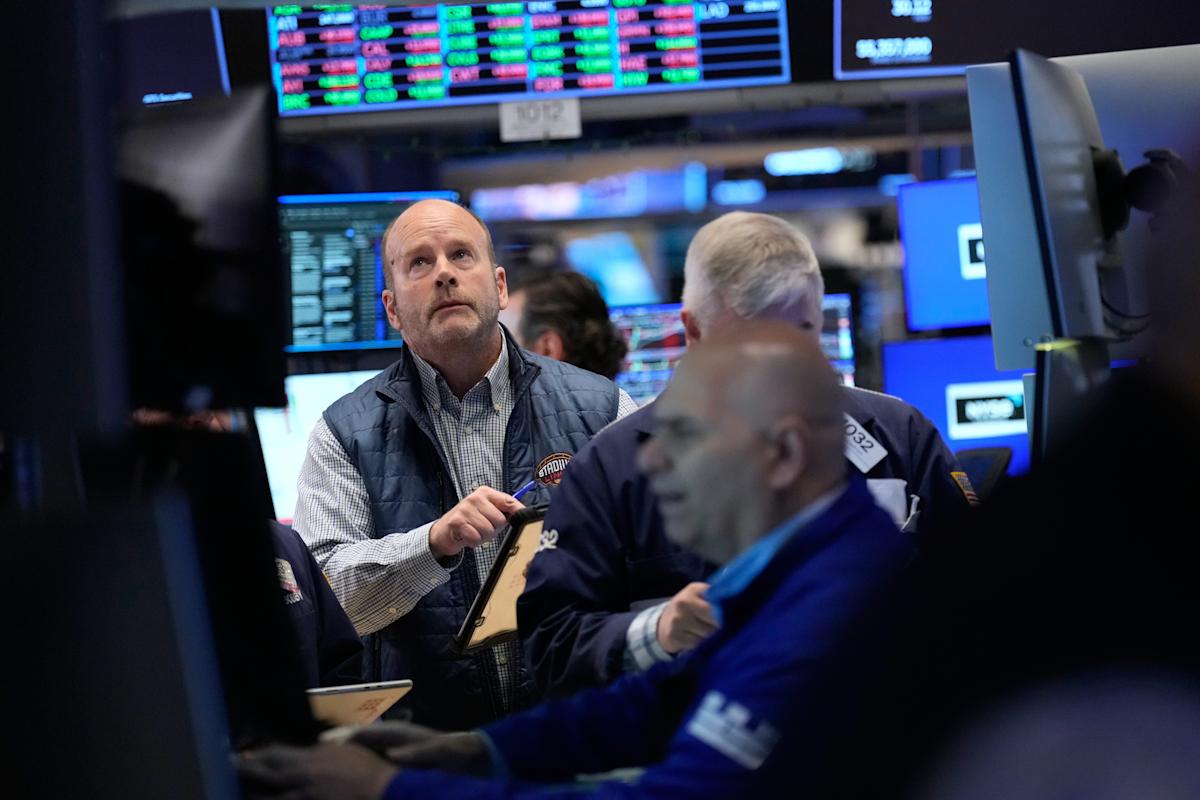
BP Shares Steady as UBS Upgrades to Buy Amid Leadership Change
- Rating Upgrade: UBS has upgraded BP's stock from Neutral to Buy, reflecting optimism regarding new CEO Meg O'Neill's ability to rebuild investor confidence at a critical juncture, despite BP's stock underperforming peers by over 50% since 2018.
- Cost Optimization Potential: Analyst Joshua Stone highlighted that BP's operating expenses have risen by approximately $10 billion since 2019, making it the highest among peers, with potential savings of $3 billion to $6 billion identified, representing a 20% increase in pre-tax earnings at the midpoint.
- Leverage Ratio Improvement: BP holds the highest leverage ratio in its sector at 47%, but with rising oil prices, it is projected to decrease to 27% by 2028, facilitating faster deleveraging and enhancing financial stability.
- Capital Expenditure Outlook: Stone anticipates BP's capital expenditures can remain at $13 billion to $14 billion until 2027, but may need to increase to around $15 billion from 2028 to fund new projects, indicating strategic planning for future growth.
See More
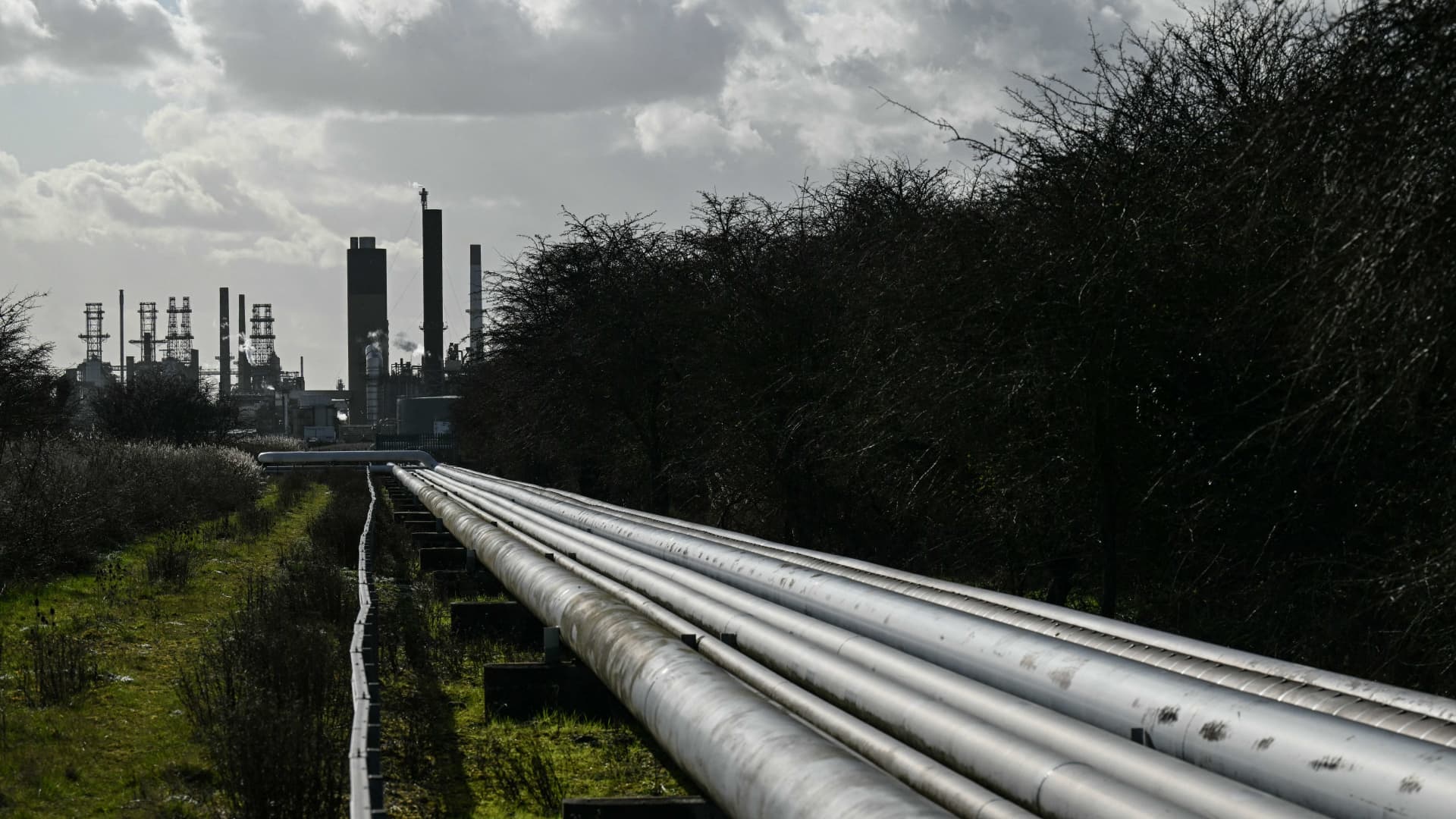
UK Refining Capacity Decline Sparks Fuel Shortage Crisis

- Declining Refining Capacity: The UK's refining capacity has decreased by 41% since 2000, primarily due to the exit of major oil companies like BP and Shell in 2011, which has diminished market competitiveness and affected the stability of domestic fuel supplies.
- Increased Import Dependency: In 2024, the UK imported 3.1 times more kerosene than it produced and 2.5 times more diesel, indicating a significant decline in self-sufficiency in these critical fuels due to refinery closures, thereby increasing reliance on external supplies.
- Stockpile Crisis: The UK's kerosene stockpiles are only sufficient for one month's supply, far below the levels of most other countries, creating an urgent demand for kerosene in the international market, especially during peak aviation fuel demand periods.
- Price Hike Expectations: With European kerosene prices having doubled, airfares are expected to rise this summer, and airlines may cut capacity, which could impact the UK's tourism sector, although it may encourage more domestic vacations, providing opportunities for local hospitality businesses.
See More
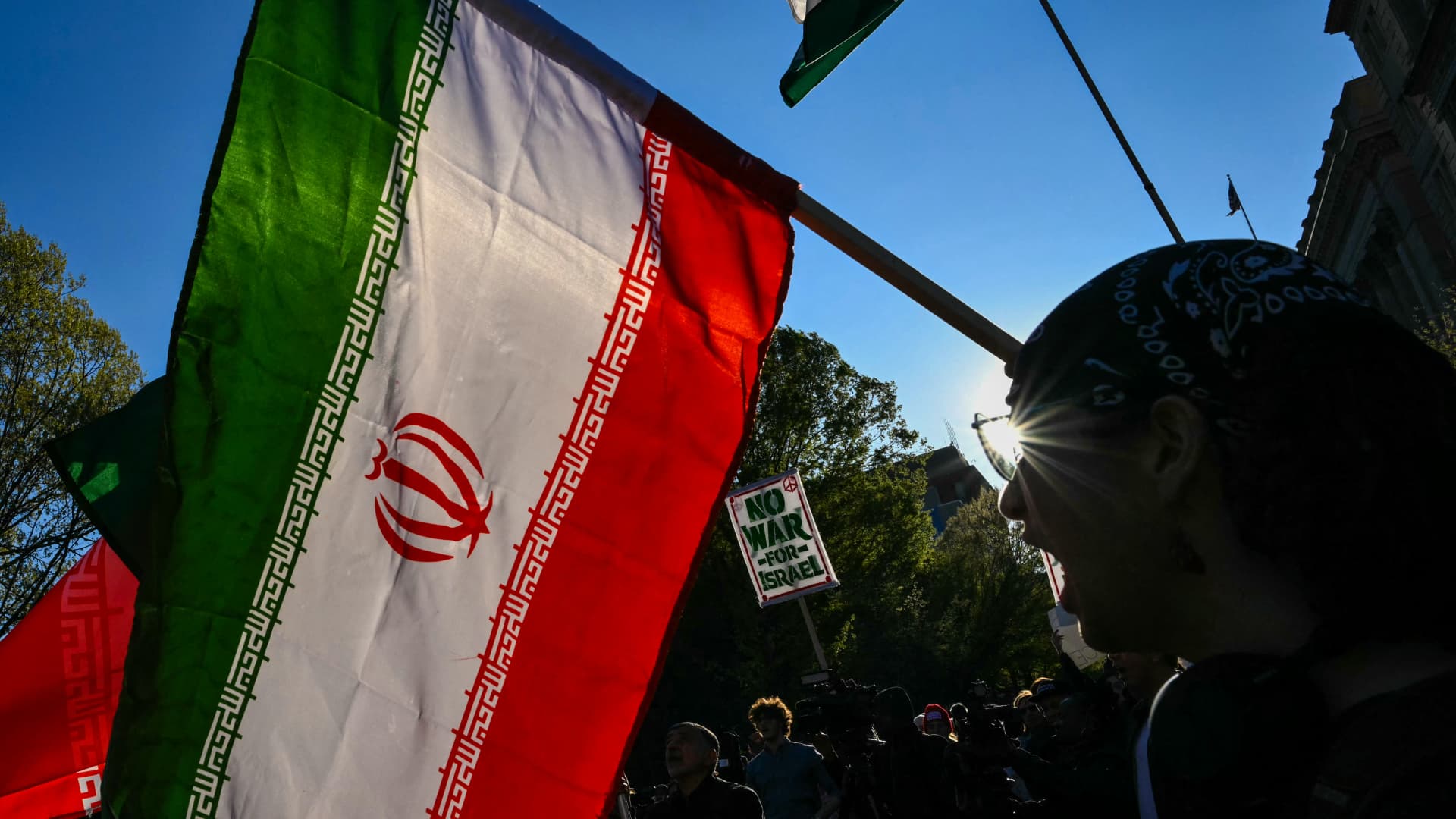
US-Iran Tensions Impact Market Dynamics

- Market Recovery: The S&P 500 has erased all declines since the onset of the Iran war and is nearing an all-time high, reflecting investor optimism about potential progress in US-Iran negotiations, which could drive further stock market gains.
- Economic Blockade Impact: The full implementation of the US blockade on Iranian ports has cut off international sea trade that powers about 90% of Iran's economy, potentially leading to further economic deterioration in Iran while also creating ripple effects in the global energy market.
- International Relations Strain: The US's maximum pressure campaign not only affects Iran but also strains relationships with China and India, particularly as nearly all Iranian oil exports are directed to China, complicating regional dynamics.
- Corporate Developments: European chip manufacturing giant ASML has exceeded first-quarter revenue expectations with sales topping 8.8 billion euros, indicating that the tech sector continues to show robust growth amid global economic uncertainties, likely attracting more investor interest.
See More

U.S.-Iran Negotiation Optimism Fuels Stock Market Rally


- Stock Market Surge: The S&P 500 index has rallied for nine out of the last ten trading sessions, nearing its all-time high, driven by investor optimism regarding U.S.-Iran negotiations, indicating strong confidence in future economic recovery.
- Strait of Hormuz Blockade: President Trump announced a new blockade of the Strait of Hormuz, impacting about 20% of global oil supply, with over 10,000 U.S. military personnel and several warships enforcing it, further complicating the uncertain situation in the Middle East.
- Aviation Industry Crisis: Experts warn that if the blockade persists, Europe's airline industry could face a
See More
BP Expects Exceptional Q1 Oil Trading Results Amid Middle East Volatility
- Market Volatility Impact: BP anticipates exceptional performance in its oil trading business for Q1, driven by market volatility from the Middle East conflict; however, the company cautions that this volatility will cloud its financial results and lead to increased net debt.
- Rising Net Debt: The company expects net debt to rise to between $25 billion and $27 billion by the end of Q1, up from $22.2 billion three months prior, reflecting the need for additional working capital to navigate turbulent energy markets.
- Buyback Plans Stalled: Analysts indicate that BP's increase in net debt could dampen hopes for a return to share buybacks, which were halted earlier this year, suggesting that while this may be a short-term issue, it limits shareholder expectations for sharing oil-related windfalls through buybacks and dividends.
- Earnings Delay: While BP's oil trading operations benefit from market volatility, the company will not see immediate gains from higher prices due to a one- to two-month lag in output pricing, indicating that significant increases in production-related earnings will not materialize until Q2.
See More
BP's Oil Trading Division Set for Exceptional Q1 Performance Amid Market Volatility
- Market Volatility Impact: BP's oil trading division is poised for an “exceptional” first-quarter performance, benefiting from energy market volatility driven by Middle East tensions, with Brent crude prices rising from $63.73 in Q4 to $81.13 in Q1, indicating a strong market rebound.
- Stable Production Outlook: The company expects upstream production in Q1 to remain flat compared to Q4 2025 at 2,344 mboe/d, with a slight increase in gas and low-carbon energy output, reflecting stability amid ongoing transitions in the energy sector.
- Increased Financial Pressure: Net debt is projected to rise to between $25 billion and $27 billion at the end of Q1 from $22.2 billion at the end of Q4 2025, primarily due to a $4 billion to $7 billion increase in working capital, highlighting financial pressures in the current pricing environment.
- Lagged Pricing Effects: BP's oil and gas production faces impacts from pricing lags, particularly in the Gulf of America and UAE, with realizations expected to increase by $0.1 billion to $0.2 billion compared to the prior quarter, reflecting the uncertainties in market pricing dynamics.
See More
BP Shares Steady as UBS Upgrades to Buy Amid Leadership Change
- Rating Upgrade: UBS has upgraded BP's stock from Neutral to Buy, reflecting optimism regarding new CEO Meg O'Neill's ability to rebuild investor confidence at a critical juncture, despite BP's stock underperforming peers by over 50% since 2018.
- Cost Optimization Potential: Analyst Joshua Stone highlighted that BP's operating expenses have risen by approximately $10 billion since 2019, making it the highest among peers, with potential savings of $3 billion to $6 billion identified, representing a 20% increase in pre-tax earnings at the midpoint.
- Leverage Ratio Improvement: BP holds the highest leverage ratio in its sector at 47%, but with rising oil prices, it is projected to decrease to 27% by 2028, facilitating faster deleveraging and enhancing financial stability.
- Capital Expenditure Outlook: Stone anticipates BP's capital expenditures can remain at $13 billion to $14 billion until 2027, but may need to increase to around $15 billion from 2028 to fund new projects, indicating strategic planning for future growth.
See More
UK Refining Capacity Decline Sparks Fuel Shortage Crisis
- Declining Refining Capacity: The UK's refining capacity has decreased by 41% since 2000, primarily due to the exit of major oil companies like BP and Shell in 2011, which has diminished market competitiveness and affected the stability of domestic fuel supplies.
- Increased Import Dependency: In 2024, the UK imported 3.1 times more kerosene than it produced and 2.5 times more diesel, indicating a significant decline in self-sufficiency in these critical fuels due to refinery closures, thereby increasing reliance on external supplies.
- Stockpile Crisis: The UK's kerosene stockpiles are only sufficient for one month's supply, far below the levels of most other countries, creating an urgent demand for kerosene in the international market, especially during peak aviation fuel demand periods.
- Price Hike Expectations: With European kerosene prices having doubled, airfares are expected to rise this summer, and airlines may cut capacity, which could impact the UK's tourism sector, although it may encourage more domestic vacations, providing opportunities for local hospitality businesses.
See More
US-Iran Tensions Impact Market Dynamics
- Market Recovery: The S&P 500 has erased all declines since the onset of the Iran war and is nearing an all-time high, reflecting investor optimism about potential progress in US-Iran negotiations, which could drive further stock market gains.
- Economic Blockade Impact: The full implementation of the US blockade on Iranian ports has cut off international sea trade that powers about 90% of Iran's economy, potentially leading to further economic deterioration in Iran while also creating ripple effects in the global energy market.
- International Relations Strain: The US's maximum pressure campaign not only affects Iran but also strains relationships with China and India, particularly as nearly all Iranian oil exports are directed to China, complicating regional dynamics.
- Corporate Developments: European chip manufacturing giant ASML has exceeded first-quarter revenue expectations with sales topping 8.8 billion euros, indicating that the tech sector continues to show robust growth amid global economic uncertainties, likely attracting more investor interest.
See More
U.S.-Iran Negotiation Optimism Fuels Stock Market Rally
- Stock Market Surge: The S&P 500 index has rallied for nine out of the last ten trading sessions, nearing its all-time high, driven by investor optimism regarding U.S.-Iran negotiations, indicating strong confidence in future economic recovery.
- Strait of Hormuz Blockade: President Trump announced a new blockade of the Strait of Hormuz, impacting about 20% of global oil supply, with over 10,000 U.S. military personnel and several warships enforcing it, further complicating the uncertain situation in the Middle East.
- Aviation Industry Crisis: Experts warn that if the blockade persists, Europe's airline industry could face a
See More
BP Expects Exceptional Q1 Oil Trading Results Amid Middle East Volatility
- Market Volatility Impact: BP anticipates exceptional performance in its oil trading business for Q1, driven by market volatility from the Middle East conflict; however, the company cautions that this volatility will cloud its financial results and lead to increased net debt.
- Rising Net Debt: The company expects net debt to rise to between $25 billion and $27 billion by the end of Q1, up from $22.2 billion three months prior, reflecting the need for additional working capital to navigate turbulent energy markets.
- Buyback Plans Stalled: Analysts indicate that BP's increase in net debt could dampen hopes for a return to share buybacks, which were halted earlier this year, suggesting that while this may be a short-term issue, it limits shareholder expectations for sharing oil-related windfalls through buybacks and dividends.
- Earnings Delay: While BP's oil trading operations benefit from market volatility, the company will not see immediate gains from higher prices due to a one- to two-month lag in output pricing, indicating that significant increases in production-related earnings will not materialize until Q2.
See More