BP Sells 65% Stake in Castrol Lubricants for $8 Billion

- Transaction Overview: BP sells a 65% stake in its Castrol lubricants business for $8 billion, which, while falling short of a full 100% sale, aligns with market expectations and indicates positive progress in the company's strategic reset.
- Financial Impact: The deal will provide BP with funds to reduce debt, although analysts express concerns about the long-term sustainability of dividends and earnings quality, suggesting that cutting buybacks would have been a better option.
- Market Reaction: BP's shares rose 0.1% to £4.28 following the announcement, reflecting an 8.8% increase year-to-date, indicating investor satisfaction with the sale price.
- Strategic Outlook: Under the leadership of newly appointed CEO Meg O'Neill and Chair Albert Manifold, a strategic review is expected in February, with investors hopeful for more radical changes compared to previous leadership.
Trade with 70% Backtested Accuracy
Analyst Views on BP

About BP
About the author


U.S. Judge Approves Trump's $400 Million White House Ballroom Project
- Project Approval: A U.S. judge has approved Trump's $400 million ballroom project at the White House, dismissing objections from preservationists, indicating strong support for the initiative that is expected to enhance the White House's hosting capabilities and image.
- Legal Challenges: The National Trust for Historic Preservation filed a lawsuit seeking to pause construction, arguing that the project does not comply with federal laws and regulations; however, the judge stated that the current arguments were insufficient for a preliminary injunction, potentially affecting future legal strategies.
- Progress and Budget: Trump announced that construction is ahead of schedule and under budget following the ruling, which not only aids the project's feasibility but may also bolster public confidence in government efficiency.
- Historical Context: Notably, Trump proposed the ballroom idea back in 2010 during the Obama administration, and the advancement of this project reflects his long-term policy vision and emphasis on the functionality of the White House.
Iran Crisis Triggers Oil Market Turmoil


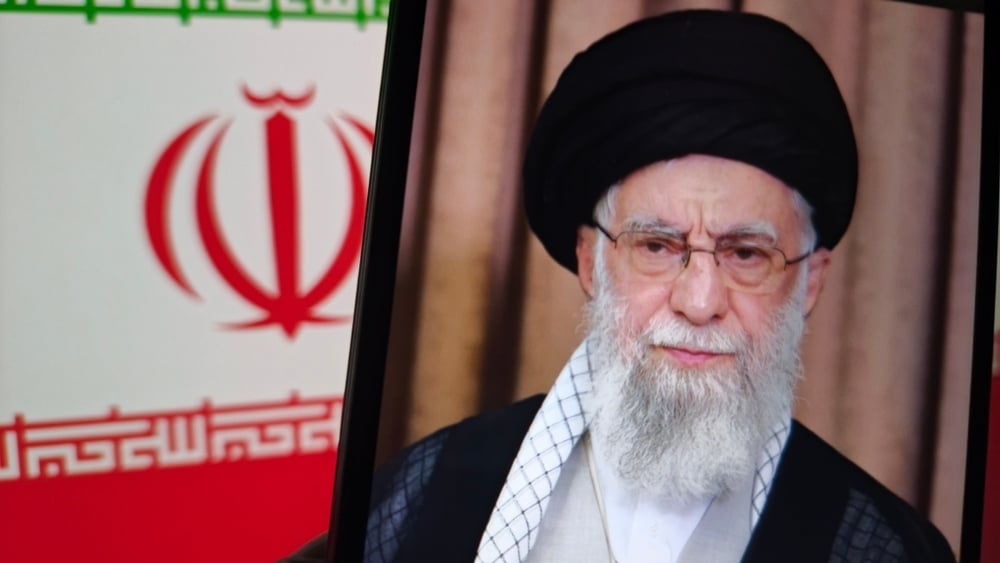
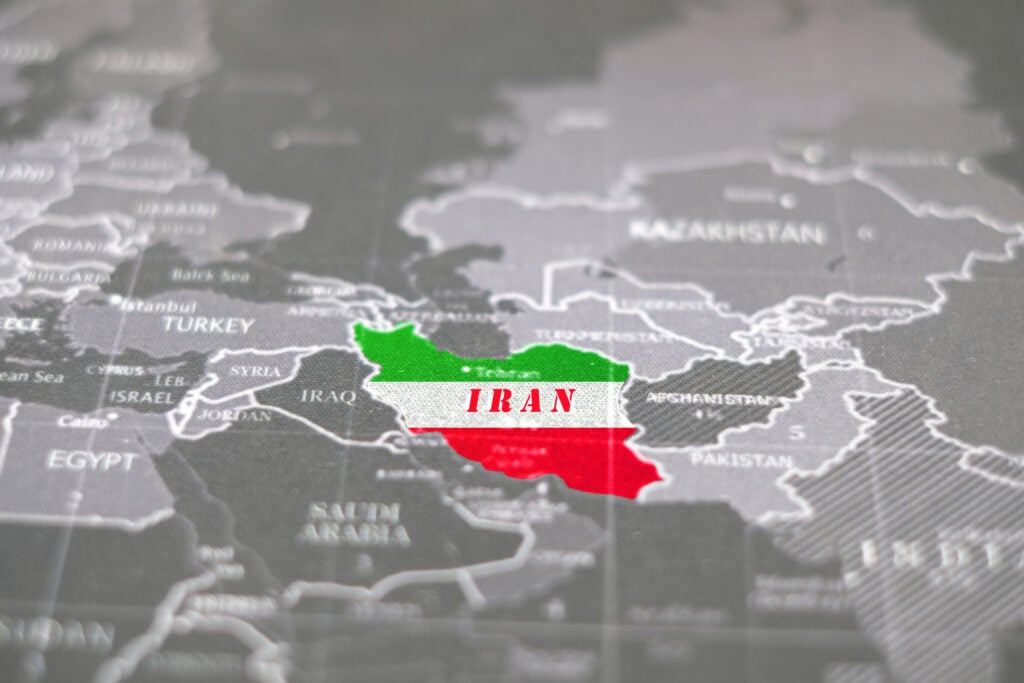
- Supply Disruption Risk: The joint U.S. and Israeli attack on Iran risks a major oil supply disruption, with Iran being the fourth-largest OPEC producer at over 3 million barrels per day, heightening the risk of a global economic recession if the situation escalates.
- Price Surge Expectations: Crude oil futures are expected to rise by $5 to $7 when trading opens on Sunday, with Brent crude settling at $72.48 per barrel on Friday, as the market begins to price in potential risks that could push prices above $100 per barrel.
- Strategic Importance of Strait of Hormuz: In 2025, over 14 million barrels of oil flowed through the Strait of Hormuz, accounting for a third of the world's seaborne crude exports, and any closure would severely impact the global economy, particularly for major importers like China.
- Market Response and Reserve Strategy: Should oil prices spike, the Trump administration may tap into the Strategic Petroleum Reserve, which currently holds about 415 million barrels, but analysts warn that a prolonged crisis in Hormuz could exceed the offset capabilities of U.S. and IEA reserves.

President Trump Expresses Discontent with Iran Negotiations, Claims They Aren't Committed Enough; No Enrichment, Not Even 20%


Trump's Stance on Iran: President Trump expressed dissatisfaction with Iran's negotiation approach, indicating that they are not willing to compromise significantly.
Concerns Over Enrichment: Trump emphasized that there should be no enrichment of uranium by Iran, reiterating a hardline stance on nuclear negotiations.
Frustration with Current Negotiations: He conveyed that the current state of negotiations with Iran is unsatisfactory and does not meet U.S. expectations.
Overall Sentiment: Trump's comments reflect a broader frustration with Iran's actions and the ongoing diplomatic efforts surrounding their nuclear program.

US-Iran Talks Fail to Achieve Breakthrough, Negotiations Extended
- Limited Negotiation Progress: Iranian Foreign Minister Araghchi stated that while some progress was made during the talks in Geneva, no substantial agreement was reached, leading both sides to agree to extend negotiations, highlighting the complexity and urgency of the current situation.
- Key Issues Unresolved: Central to the discussions are the lifting of U.S. sanctions on Iran and nuclear-related steps; although both sides plan to engage in more detailed discussions next week in Vienna, Iran's refusal to commit to not developing nuclear weapons remains a significant sticking point.
- Escalating Military Tensions: The U.S. has amassed a large military presence in the Middle East, with Trump warning of

UiPath Shares Rise 7.8% on AI Foundation Membership

- Stock Price Surge: UiPath's stock rose 7.75% to $10.71, reflecting investor enthusiasm following its membership in the Agentic AI Foundation, indicating a commitment to intelligent automation that may drive future revenue growth.
- Volume Spike: The trading volume reached 51 million shares, approximately 76% above the three-month average of 29 million shares, indicating increased market interest in UiPath and potentially signaling investor confidence in its future performance.
- Improved Financials: Earlier this year, UiPath reported its first GAAP-profitable quarter with a 16% revenue increase to $411 million, showcasing progress in cost control and stabilization in enterprise spending, which bolstered investor confidence.
- Market Focus: As UiPath's role in shaping automation standards grows, investors will closely monitor its upcoming quarterly results to assess whether AI-driven automation spending is accelerating, which could significantly impact the company's future market performance.

UiPath Stock Rises 7.75% Driven by AI Developments
- Stock Surge: UiPath's stock closed at $10.71 on Thursday, up 7.75%, reflecting investor optimism following its membership in the Agentic AI Foundation, indicating expectations for future revenue growth and accelerated AI adoption.
- Volume Spike: The company's trading volume reached 51 million shares, approximately 76% above its three-month average of 29 million shares, highlighting a significant increase in market interest and potentially signaling a recovery in investor confidence.
- Profitability and Revenue Growth: Earlier this year, UiPath reported its first GAAP-profitable quarter with a 16% revenue increase to $411 million, demonstrating successful cost discipline and stabilization in enterprise spending, thereby enhancing its competitive position in the market.
- Institutional Investor Interest: The Public Sector Pension Investment Board purchased around 474,700 shares of UiPath last week, indicating strong institutional confidence in the company's future, as investors will closely monitor the upcoming quarterly results to assess whether AI-driven automation spending is accelerating.
U.S. Judge Approves Trump's $400 Million White House Ballroom Project
- Project Approval: A U.S. judge has approved Trump's $400 million ballroom project at the White House, dismissing objections from preservationists, indicating strong support for the initiative that is expected to enhance the White House's hosting capabilities and image.
- Legal Challenges: The National Trust for Historic Preservation filed a lawsuit seeking to pause construction, arguing that the project does not comply with federal laws and regulations; however, the judge stated that the current arguments were insufficient for a preliminary injunction, potentially affecting future legal strategies.
- Progress and Budget: Trump announced that construction is ahead of schedule and under budget following the ruling, which not only aids the project's feasibility but may also bolster public confidence in government efficiency.
- Historical Context: Notably, Trump proposed the ballroom idea back in 2010 during the Obama administration, and the advancement of this project reflects his long-term policy vision and emphasis on the functionality of the White House.
Iran Crisis Triggers Oil Market Turmoil
- Supply Disruption Risk: The joint U.S. and Israeli attack on Iran risks a major oil supply disruption, with Iran being the fourth-largest OPEC producer at over 3 million barrels per day, heightening the risk of a global economic recession if the situation escalates.
- Price Surge Expectations: Crude oil futures are expected to rise by $5 to $7 when trading opens on Sunday, with Brent crude settling at $72.48 per barrel on Friday, as the market begins to price in potential risks that could push prices above $100 per barrel.
- Strategic Importance of Strait of Hormuz: In 2025, over 14 million barrels of oil flowed through the Strait of Hormuz, accounting for a third of the world's seaborne crude exports, and any closure would severely impact the global economy, particularly for major importers like China.
- Market Response and Reserve Strategy: Should oil prices spike, the Trump administration may tap into the Strategic Petroleum Reserve, which currently holds about 415 million barrels, but analysts warn that a prolonged crisis in Hormuz could exceed the offset capabilities of U.S. and IEA reserves.
President Trump Expresses Discontent with Iran Negotiations, Claims They Aren't Committed Enough; No Enrichment, Not Even 20%
Trump's Stance on Iran: President Trump expressed dissatisfaction with Iran's negotiation approach, indicating that they are not willing to compromise significantly.
Concerns Over Enrichment: Trump emphasized that there should be no enrichment of uranium by Iran, reiterating a hardline stance on nuclear negotiations.
Frustration with Current Negotiations: He conveyed that the current state of negotiations with Iran is unsatisfactory and does not meet U.S. expectations.
Overall Sentiment: Trump's comments reflect a broader frustration with Iran's actions and the ongoing diplomatic efforts surrounding their nuclear program.
US-Iran Talks Fail to Achieve Breakthrough, Negotiations Extended
- Limited Negotiation Progress: Iranian Foreign Minister Araghchi stated that while some progress was made during the talks in Geneva, no substantial agreement was reached, leading both sides to agree to extend negotiations, highlighting the complexity and urgency of the current situation.
- Key Issues Unresolved: Central to the discussions are the lifting of U.S. sanctions on Iran and nuclear-related steps; although both sides plan to engage in more detailed discussions next week in Vienna, Iran's refusal to commit to not developing nuclear weapons remains a significant sticking point.
- Escalating Military Tensions: The U.S. has amassed a large military presence in the Middle East, with Trump warning of
UiPath Shares Rise 7.8% on AI Foundation Membership
- Stock Price Surge: UiPath's stock rose 7.75% to $10.71, reflecting investor enthusiasm following its membership in the Agentic AI Foundation, indicating a commitment to intelligent automation that may drive future revenue growth.
- Volume Spike: The trading volume reached 51 million shares, approximately 76% above the three-month average of 29 million shares, indicating increased market interest in UiPath and potentially signaling investor confidence in its future performance.
- Improved Financials: Earlier this year, UiPath reported its first GAAP-profitable quarter with a 16% revenue increase to $411 million, showcasing progress in cost control and stabilization in enterprise spending, which bolstered investor confidence.
- Market Focus: As UiPath's role in shaping automation standards grows, investors will closely monitor its upcoming quarterly results to assess whether AI-driven automation spending is accelerating, which could significantly impact the company's future market performance.
UiPath Stock Rises 7.75% Driven by AI Developments
- Stock Surge: UiPath's stock closed at $10.71 on Thursday, up 7.75%, reflecting investor optimism following its membership in the Agentic AI Foundation, indicating expectations for future revenue growth and accelerated AI adoption.
- Volume Spike: The company's trading volume reached 51 million shares, approximately 76% above its three-month average of 29 million shares, highlighting a significant increase in market interest and potentially signaling a recovery in investor confidence.
- Profitability and Revenue Growth: Earlier this year, UiPath reported its first GAAP-profitable quarter with a 16% revenue increase to $411 million, demonstrating successful cost discipline and stabilization in enterprise spending, thereby enhancing its competitive position in the market.
- Institutional Investor Interest: The Public Sector Pension Investment Board purchased around 474,700 shares of UiPath last week, indicating strong institutional confidence in the company's future, as investors will closely monitor the upcoming quarterly results to assess whether AI-driven automation spending is accelerating.