BofA Warns of Bubble Risks Amid Stock Market Rally
Written by Emily J. Thompson, Senior Investment Analyst
Updated: 22 hours ago
0mins
Should l Buy BAC?
Source: CNBC
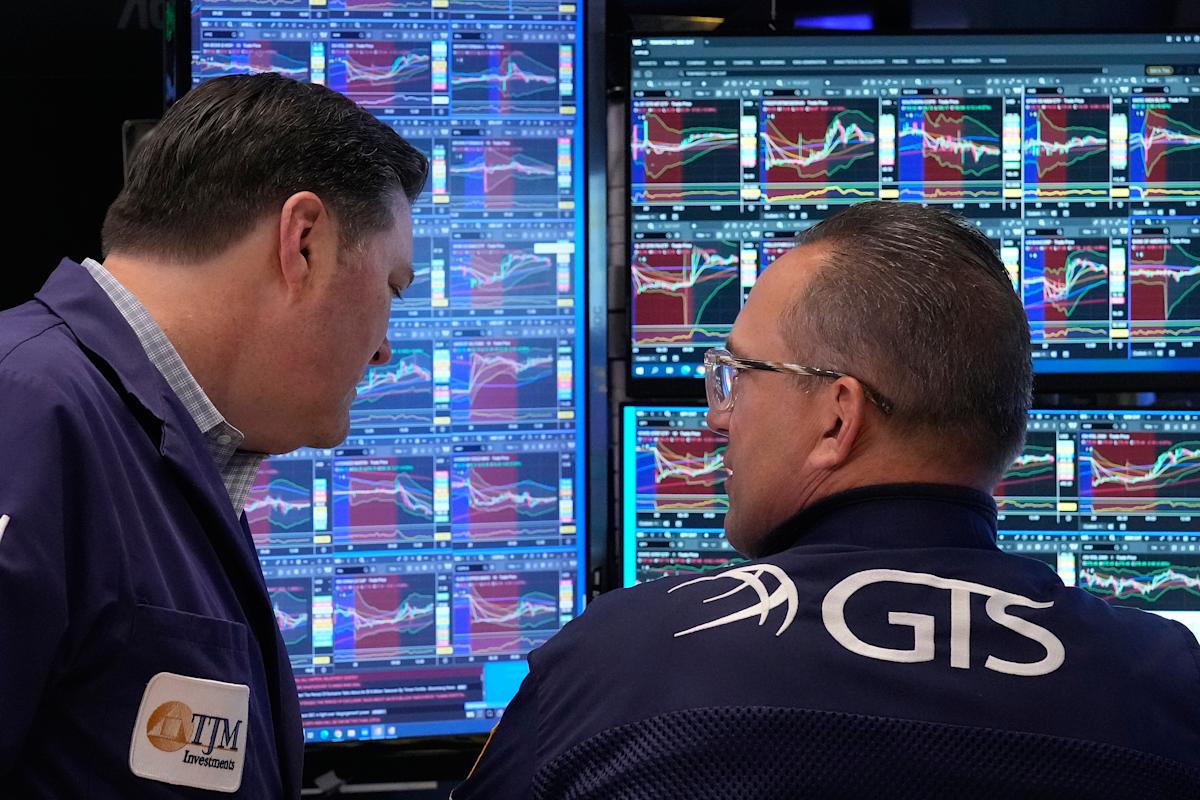
- Bubble Risk Warning: Bank of America cautions that the recent stock market rally, termed an 'upside crash,' could lead to bubble formation, particularly as the Nasdaq experiences its longest winning streak since 1992, indicating high volatility and uncertainty in the market.
- Historic Performance: The Nasdaq Composite extended its winning streak to 13 consecutive days last week, reaching an all-time high above 7,100, despite ongoing conflicts in the Middle East, showcasing a robust market rebound.
- Investment Strategy Recommendations: BofA advises investors to buy call options on the Nasdaq-100 ETF (QQQ) and the Cboe Volatility Index (VIX) to profit during significant market spikes while capping risk exposure.
- Long-Term Holding Advice: The firm suggests that holding options in the Nasdaq-100 is preferable to volatility variance spreads in the S&P 500, as tech stocks are more likely to benefit from AI advancements, while also recommending hedging against potential downside risks.
Trade with 70% Backtested Accuracy
Stop guessing "Should I Buy BAC?" and start using high-conviction signals backed by rigorous historical data.
Sign up today to access powerful investing tools and make smarter, data-driven decisions.
Analyst Views on BAC
Wall Street analysts forecast BAC stock price to rise
19 Analyst Rating
15 Buy
4 Hold
0 Sell
Strong Buy
Current: 53.480

Low
55.00
Averages
61.64
High
71.00
Current: 53.480
Low
55.00
Averages
61.64
High
71.00
About BAC
Bank of America Corporation is a bank holding company and a financial holding company. Its segments include Consumer Banking, Global Wealth & Investment Management (GWIM), Global Banking and Global Markets. Consumer Banking segment offers a range of credit, banking and investment products and services to consumers and small businesses. The GWIM includes two businesses: Merrill Wealth Management, which provides tailored solutions to meet clients' needs through a full set of investment management, brokerage, banking and retirement products and Bank of America Private Bank, which provides comprehensive wealth management solutions. Global Banking segment provides a range of lending-related products and services, integrated working capital management and treasury solutions, and underwriting and advisory services. Global Markets segment offers sales and trading services and research services to institutional clients across fixed-income, credit, currency, commodity, and equity businesses.
About the author

Emily J. Thompson
Emily J. Thompson, a Chartered Financial Analyst (CFA) with 12 years in investment research, graduated with honors from the Wharton School. Specializing in industrial and technology stocks, she provides in-depth analysis for Intellectia’s earnings and market brief reports.

Netflix Stock Drops 13% but Analysts See Rebound Potential


- Stock Price Analysis: Since announcing a 10-for-1 stock split last October, Netflix's stock has dropped 13%, yet historical data indicates that stocks typically rebound with an average return of 25% in the 12 months following a split, suggesting potential for recovery.
- Earnings Report and Market Reaction: Netflix's Q1 earnings report revealed a 16% revenue increase to $12.2 billion and an 84% rise in GAAP net income to $1.23 per share; however, the stock fell 12% post-report due to missing Wall Street's earnings expectations.
- Future Growth Expectations: Although the company projects a 13% revenue increase to $12.5 billion and an 8% rise in net income to $0.78 per share for Q2, some investors are disappointed, yet analysts believe recent price hikes will drive growth in the second half of 2026.
- Market Share and Content Advantage: With 325 million paid subscribers, Netflix covers less than 50% of addressable smart TV households and its revenue represents only 10% of its $670 billion market, but its strong content production capabilities position it well for future market share expansion.
See More

Netflix Announces 10-for-1 Stock Split Amid Price Decline
- Stock Split Impact: Netflix announced a 10-for-1 stock split on October 30, and while the stock has dropped 13% since then, historical data from 1980 to 2024 indicates an average return of 25% in the 12 months following a split, presenting potential rebound opportunities for investors.
- Disappointing Earnings: The first-quarter report revealed a 16% revenue increase to $12.2 billion and an 84% rise in GAAP net income to $1.23 per share; however, missing Wall Street's earnings estimate of $0.76 led to a 12% drop in stock price post-announcement, reflecting market disappointment.
- Cautious Future Guidance: Netflix expects a 13% revenue increase to $12.5 billion and an 8% rise in net income to $0.78 per share for the second quarter, but investor dissatisfaction with this guidance persists, especially after recent price hikes across all subscription tiers.
- Significant Market Potential: With 325 million paid subscribers covering less than 50% of addressable households with smart TVs and revenue representing less than 10% of a $670 billion market, Netflix's projected annual earnings growth of 21% over the next three to five years, coupled with a current P/E ratio of 30, indicates strong long-term investment appeal, encouraging patient investors to consider buying on dips.
See More

BofA Warns of Bubble Risks Amid Stock Market Rally
- Bubble Risk Warning: Bank of America cautions that the recent stock market rally, termed an 'upside crash,' could lead to bubble formation, particularly as the Nasdaq experiences its longest winning streak since 1992, indicating high volatility and uncertainty in the market.
- Historic Performance: The Nasdaq Composite extended its winning streak to 13 consecutive days last week, reaching an all-time high above 7,100, despite ongoing conflicts in the Middle East, showcasing a robust market rebound.
- Investment Strategy Recommendations: BofA advises investors to buy call options on the Nasdaq-100 ETF (QQQ) and the Cboe Volatility Index (VIX) to profit during significant market spikes while capping risk exposure.
- Long-Term Holding Advice: The firm suggests that holding options in the Nasdaq-100 is preferable to volatility variance spreads in the S&P 500, as tech stocks are more likely to benefit from AI advancements, while also recommending hedging against potential downside risks.
See More

Anthropic to Soon Provide Mythos AI Access to European Banks

- Technological Challenge: Anthropic plans to provide access to its Mythos AI model to European banks, addressing the urgent need for global banks to test technology, especially as large U.S. banks have already gained initial access, which could pose significant challenges to traditional banking systems.
- Regulatory Concerns: At the recent International Monetary Fund spring meeting, regulators and policymakers expressed concerns about the potential risks of Mythos AI, emphasizing its impact on the banking sector, particularly as cybersecurity risks continue to rise.
- Rapid Deployment: Sources indicate that Anthropic could provide access to European banks within days, although the rollout may be delayed due to security checks, highlighting the company's commitment to accelerating technology adoption while ensuring safety.
- Industry Participation: JPMorgan Chase is the only bank publicly confirmed to have access to Mythos, while other U.S. banks, including Bank of America, are also testing the technology internally, demonstrating the industry's keen interest and rapid adaptation to emerging AI technologies.
See More
Anthropic Set to Offer European Banks Access to Mythos AI Model Soon, According to Sources

- Anthropic's Plans: Anthropic is set to provide access to its AI model, MythoS, to European banks.
- Focus on Compliance: The initiative aims to ensure that European financial institutions can utilize advanced AI technology while adhering to regulatory standards.
See More

Latin American Markets Thrive Amid Trump Policies

- Latin American Stock Surge: Brazil's benchmark BVSP index has risen 21.7% year-to-date, while Chile's S&P IPSA is up 8.2%, indicating strong performance in Latin American markets amidst global uncertainty, attracting significant investor interest.
- Venezuela Situation Boosts Investment: Trump's military action against Venezuelan President Maduro has led to record highs in the country's stock market, with the benchmark IBC up nearly 216% year-to-date, demonstrating the positive impact of political changes on market sentiment.
- Foreign Capital Inflow Drives Growth: A Bank of America survey indicates continued capital allocation to Latin America, particularly after U.S. military actions led to record highs in local markets, reflecting strong foreign support for emerging markets.
- Monetary Policy Expectations Shift: Significant changes in monetary policy expectations have occurred in Brazil, Mexico, and Chile, with the market's rate hike expectations for Mexico deemed excessive, indicating increased investor confidence in Latin American currencies, which have appreciated against the dollar.
See More
Netflix Stock Drops 13% but Analysts See Rebound Potential
- Stock Price Analysis: Since announcing a 10-for-1 stock split last October, Netflix's stock has dropped 13%, yet historical data indicates that stocks typically rebound with an average return of 25% in the 12 months following a split, suggesting potential for recovery.
- Earnings Report and Market Reaction: Netflix's Q1 earnings report revealed a 16% revenue increase to $12.2 billion and an 84% rise in GAAP net income to $1.23 per share; however, the stock fell 12% post-report due to missing Wall Street's earnings expectations.
- Future Growth Expectations: Although the company projects a 13% revenue increase to $12.5 billion and an 8% rise in net income to $0.78 per share for Q2, some investors are disappointed, yet analysts believe recent price hikes will drive growth in the second half of 2026.
- Market Share and Content Advantage: With 325 million paid subscribers, Netflix covers less than 50% of addressable smart TV households and its revenue represents only 10% of its $670 billion market, but its strong content production capabilities position it well for future market share expansion.
See More
Netflix Announces 10-for-1 Stock Split Amid Price Decline
- Stock Split Impact: Netflix announced a 10-for-1 stock split on October 30, and while the stock has dropped 13% since then, historical data from 1980 to 2024 indicates an average return of 25% in the 12 months following a split, presenting potential rebound opportunities for investors.
- Disappointing Earnings: The first-quarter report revealed a 16% revenue increase to $12.2 billion and an 84% rise in GAAP net income to $1.23 per share; however, missing Wall Street's earnings estimate of $0.76 led to a 12% drop in stock price post-announcement, reflecting market disappointment.
- Cautious Future Guidance: Netflix expects a 13% revenue increase to $12.5 billion and an 8% rise in net income to $0.78 per share for the second quarter, but investor dissatisfaction with this guidance persists, especially after recent price hikes across all subscription tiers.
- Significant Market Potential: With 325 million paid subscribers covering less than 50% of addressable households with smart TVs and revenue representing less than 10% of a $670 billion market, Netflix's projected annual earnings growth of 21% over the next three to five years, coupled with a current P/E ratio of 30, indicates strong long-term investment appeal, encouraging patient investors to consider buying on dips.
See More
BofA Warns of Bubble Risks Amid Stock Market Rally
- Bubble Risk Warning: Bank of America cautions that the recent stock market rally, termed an 'upside crash,' could lead to bubble formation, particularly as the Nasdaq experiences its longest winning streak since 1992, indicating high volatility and uncertainty in the market.
- Historic Performance: The Nasdaq Composite extended its winning streak to 13 consecutive days last week, reaching an all-time high above 7,100, despite ongoing conflicts in the Middle East, showcasing a robust market rebound.
- Investment Strategy Recommendations: BofA advises investors to buy call options on the Nasdaq-100 ETF (QQQ) and the Cboe Volatility Index (VIX) to profit during significant market spikes while capping risk exposure.
- Long-Term Holding Advice: The firm suggests that holding options in the Nasdaq-100 is preferable to volatility variance spreads in the S&P 500, as tech stocks are more likely to benefit from AI advancements, while also recommending hedging against potential downside risks.
See More
Anthropic to Soon Provide Mythos AI Access to European Banks
- Technological Challenge: Anthropic plans to provide access to its Mythos AI model to European banks, addressing the urgent need for global banks to test technology, especially as large U.S. banks have already gained initial access, which could pose significant challenges to traditional banking systems.
- Regulatory Concerns: At the recent International Monetary Fund spring meeting, regulators and policymakers expressed concerns about the potential risks of Mythos AI, emphasizing its impact on the banking sector, particularly as cybersecurity risks continue to rise.
- Rapid Deployment: Sources indicate that Anthropic could provide access to European banks within days, although the rollout may be delayed due to security checks, highlighting the company's commitment to accelerating technology adoption while ensuring safety.
- Industry Participation: JPMorgan Chase is the only bank publicly confirmed to have access to Mythos, while other U.S. banks, including Bank of America, are also testing the technology internally, demonstrating the industry's keen interest and rapid adaptation to emerging AI technologies.
See More
Anthropic Set to Offer European Banks Access to Mythos AI Model Soon, According to Sources
- Anthropic's Plans: Anthropic is set to provide access to its AI model, MythoS, to European banks.
- Focus on Compliance: The initiative aims to ensure that European financial institutions can utilize advanced AI technology while adhering to regulatory standards.
See More
Latin American Markets Thrive Amid Trump Policies
- Latin American Stock Surge: Brazil's benchmark BVSP index has risen 21.7% year-to-date, while Chile's S&P IPSA is up 8.2%, indicating strong performance in Latin American markets amidst global uncertainty, attracting significant investor interest.
- Venezuela Situation Boosts Investment: Trump's military action against Venezuelan President Maduro has led to record highs in the country's stock market, with the benchmark IBC up nearly 216% year-to-date, demonstrating the positive impact of political changes on market sentiment.
- Foreign Capital Inflow Drives Growth: A Bank of America survey indicates continued capital allocation to Latin America, particularly after U.S. military actions led to record highs in local markets, reflecting strong foreign support for emerging markets.
- Monetary Policy Expectations Shift: Significant changes in monetary policy expectations have occurred in Brazil, Mexico, and Chile, with the market's rate hike expectations for Mexico deemed excessive, indicating increased investor confidence in Latin American currencies, which have appreciated against the dollar.
See More