Boeing, Saab, and BAE Systems Collaborate to Provide Training Solutions for RAF Pilots
Collaboration Announcement: BAE Systems, Boeing, and Saab have signed a Letter of Intent to work together on the UK Royal Air Force fast-jet trainer programme, focusing on the T-7A Red Hawk aircraft.
Job Creation: BAE Systems will lead the initiative, which includes establishing a UK-based final assembly line, thereby creating jobs in the UK.
Strategic Defence Review: The need for a new UK Advanced Jet Trainer was highlighted in the 2025 Strategic Defence Review.
Training System Overview: The T-7A Red Hawk is designed as an integrated training system for new pilots, capable of preparing them to operate advanced multi-role fighter and bomber aircraft.
Trade with 70% Backtested Accuracy
Analyst Views on BA

About BA
About the author


Boeing Faces Execution Challenges Despite Significant Potential

- Backlog Supports Growth: Boeing currently has a $682 billion backlog, with over $560 billion from Boeing Commercial Airplanes, which provides strong support for future growth, although delivery improvements will take time to realize.
- Cash Flow Outlook: CFO Jesus Malave expects Boeing to generate $1 billion to $3 billion in free cash flow by 2026, and while this target is deemed 'very obtainable', investors need to see sustained good execution to rebuild confidence.
- Underperformance in Market: Since the earnings report on January 27, Boeing's stock has notably underperformed the S&P 500 index, reflecting market concerns about its execution capabilities, especially at a critical juncture for 737 MAX deliveries.
- Internal Execution Issues: Boeing faces free cash flow constraints due to internal execution factors, particularly in its Defense, Space & Security division, and investors are looking for blemish-free quarterly reports without major losses or delivery delays to restore trust in the company.

Boeing Delivers ViaSat-3 Satellite, Expanding Asia-Pacific Communications Coverage
- Program Milestone: Boeing successfully delivered the ViaSat-3 Flight 3 satellite on Tuesday, marking a key step in its plan to expand high-capacity communications coverage in the Asia-Pacific region, which is expected to significantly enhance connectivity in the area.
- Satellite Design: The ViaSat-3 F3 satellite is designed to support commercial mobility, government, and defense users in high-density markets across Asia-Pacific, utilizing Boeing's 702MP+ platform that allows for larger payloads and higher power output to meet market demands.
- Launch Preparations: The satellite will undergo pre-launch processing at Cape Canaveral Space Force Station in Florida, with a launch planned aboard a SpaceX Falcon Heavy rocket, as Boeing and Viasat continue to collaborate to ensure successful orbital deployment.
- Market Demand: Once operational, the ViaSat-3 F3 satellite will complete the constellation's geographic reach, addressing the growing demand for satellite-based connectivity in the Asia-Pacific region, thereby strengthening Boeing's position in the global communications market.
FOUR ASTRONAUTS FROM ARTEMIS II MISSION LAND SAFELY OFF SOUTHERN CALIFORNIA AFTER 10-DAY JOURNEY AROUND THE MOON


Mission Overview: Four astronauts from Artemis II are set to embark on a 10-day mission that will take them around the Moon and back.
Launch Location: The mission will launch from Southern California, marking a significant step in lunar exploration.
ORION CAPSULE SHEDS PROPULSION SYSTEM AS PLANNED, RETURNING FOUR ARTEMIS ASTRONAUTS FROM THE MOON FOR RE-ENTRY INTO EARTH'S ATMOSPHERE
Mission Overview: The Orion spacecraft is set to return to Earth after a successful mission involving astronauts from the Artemis program.
Re-Entry Preparation: The spacecraft's propulsion system has been planned and tested ahead of its re-entry through Earth's atmosphere.

European Stocks Edge Up Amid Optimism for Ukraine Peace Talks
- Market Rebound: The pan-European Stoxx 600 index rose by 0.7% on Friday morning, reflecting investor focus on the fragile ceasefire between the U.S. and Iran and optimism surrounding potential peace negotiations in Ukraine, indicating market sensitivity to geopolitical risks.
- Defense Stocks Decline: Following signals from Ukraine's senior negotiator that a resolution to the conflict could be near, shares of Germany's largest arms manufacturer Rheinmetall fell by 5.9%, with tank maker Renkwas and military tech firm Hensoldt down 5.8% and 6% respectively, highlighting concerns over the defense sector's outlook.
- Asian Markets Rise: Positive news led to a 1.75% increase in South Korea's Kospi index and a 1.65% rise in the small-cap Kosdaq, while Japan's Nikkei 225 gained 1.88%, suggesting a recovery in investor confidence across global markets.
- German Inflation Accelerates: Germany's inflation rate accelerated to 2.8% in March, driven primarily by rising energy product prices, particularly motor fuel and heating oil, reflecting the direct impact of international tensions on consumer prices.
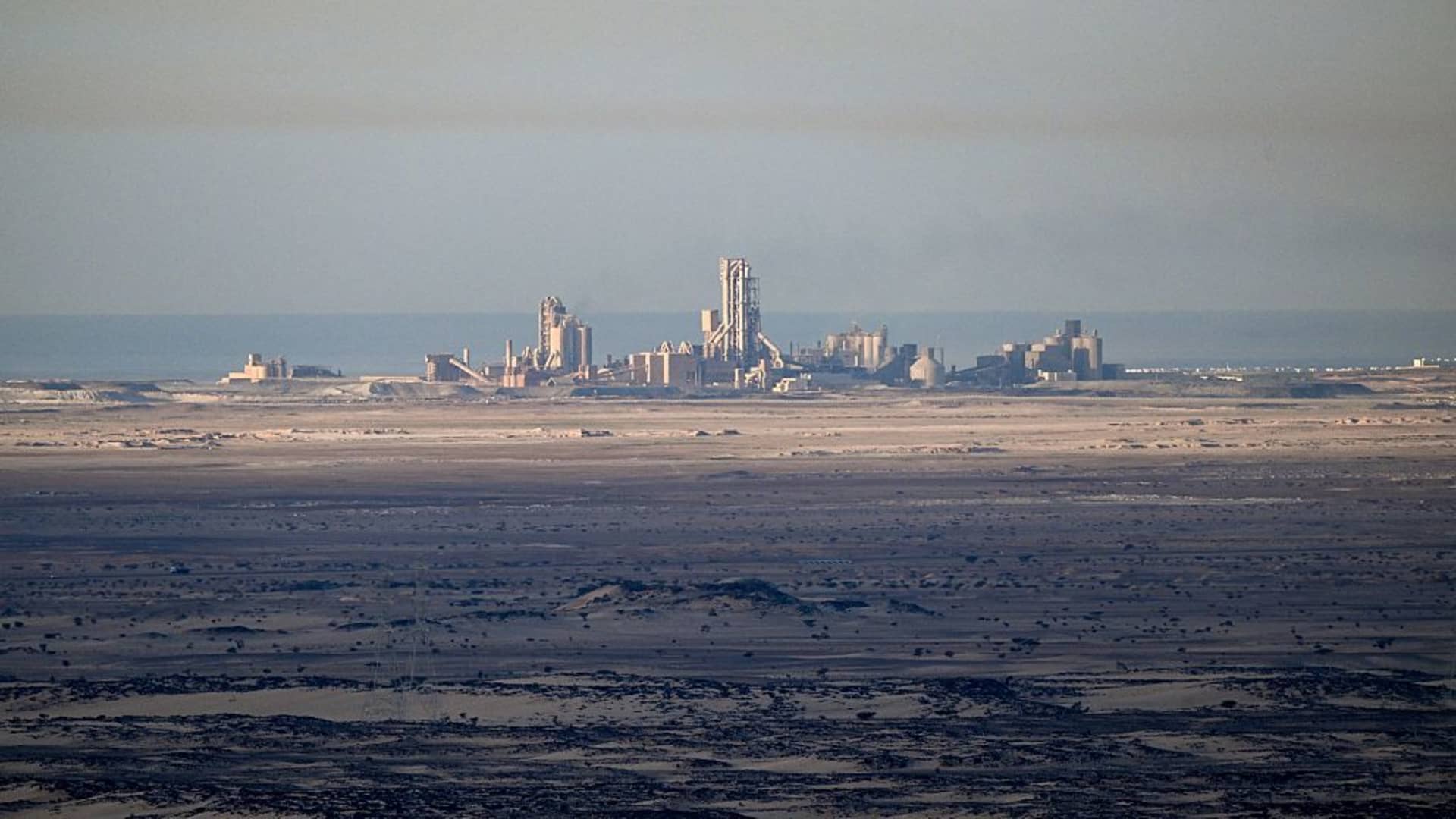
Fragile U.S.-Iran Ceasefire Tested Amid Oil Price Volatility


- Oil Price Fluctuations: Iran's attack on Saudi Arabia's Red Sea pipeline has cut throughput by 700,000 barrels per day, causing oil prices to hover below $100 per barrel, which exacerbates uncertainty in global markets.
- Ceasefire Negotiations Tension: U.S. and Iranian negotiators are set to meet in Pakistan, and despite heated rhetoric, there remains a willingness to maintain the ceasefire, which could impact future energy supply and price stability.
- Global Economic Impact: China's factory-gate prices have risen for the first time in over three years, indicating the war's disruption of global energy markets, potentially leading to increased inflationary pressures for the Federal Reserve.
- Political Landscape Attention: The British Prime Minister expressed frustration over energy price volatility, highlighting the influence of international politics on domestic economies, which underscores the far-reaching effects of global political dynamics on markets.
Boeing Faces Execution Challenges Despite Significant Potential
- Backlog Supports Growth: Boeing currently has a $682 billion backlog, with over $560 billion from Boeing Commercial Airplanes, which provides strong support for future growth, although delivery improvements will take time to realize.
- Cash Flow Outlook: CFO Jesus Malave expects Boeing to generate $1 billion to $3 billion in free cash flow by 2026, and while this target is deemed 'very obtainable', investors need to see sustained good execution to rebuild confidence.
- Underperformance in Market: Since the earnings report on January 27, Boeing's stock has notably underperformed the S&P 500 index, reflecting market concerns about its execution capabilities, especially at a critical juncture for 737 MAX deliveries.
- Internal Execution Issues: Boeing faces free cash flow constraints due to internal execution factors, particularly in its Defense, Space & Security division, and investors are looking for blemish-free quarterly reports without major losses or delivery delays to restore trust in the company.
Boeing Delivers ViaSat-3 Satellite, Expanding Asia-Pacific Communications Coverage
- Program Milestone: Boeing successfully delivered the ViaSat-3 Flight 3 satellite on Tuesday, marking a key step in its plan to expand high-capacity communications coverage in the Asia-Pacific region, which is expected to significantly enhance connectivity in the area.
- Satellite Design: The ViaSat-3 F3 satellite is designed to support commercial mobility, government, and defense users in high-density markets across Asia-Pacific, utilizing Boeing's 702MP+ platform that allows for larger payloads and higher power output to meet market demands.
- Launch Preparations: The satellite will undergo pre-launch processing at Cape Canaveral Space Force Station in Florida, with a launch planned aboard a SpaceX Falcon Heavy rocket, as Boeing and Viasat continue to collaborate to ensure successful orbital deployment.
- Market Demand: Once operational, the ViaSat-3 F3 satellite will complete the constellation's geographic reach, addressing the growing demand for satellite-based connectivity in the Asia-Pacific region, thereby strengthening Boeing's position in the global communications market.
FOUR ASTRONAUTS FROM ARTEMIS II MISSION LAND SAFELY OFF SOUTHERN CALIFORNIA AFTER 10-DAY JOURNEY AROUND THE MOON
Mission Overview: Four astronauts from Artemis II are set to embark on a 10-day mission that will take them around the Moon and back.
Launch Location: The mission will launch from Southern California, marking a significant step in lunar exploration.
ORION CAPSULE SHEDS PROPULSION SYSTEM AS PLANNED, RETURNING FOUR ARTEMIS ASTRONAUTS FROM THE MOON FOR RE-ENTRY INTO EARTH'S ATMOSPHERE
Mission Overview: The Orion spacecraft is set to return to Earth after a successful mission involving astronauts from the Artemis program.
Re-Entry Preparation: The spacecraft's propulsion system has been planned and tested ahead of its re-entry through Earth's atmosphere.
European Stocks Edge Up Amid Optimism for Ukraine Peace Talks
- Market Rebound: The pan-European Stoxx 600 index rose by 0.7% on Friday morning, reflecting investor focus on the fragile ceasefire between the U.S. and Iran and optimism surrounding potential peace negotiations in Ukraine, indicating market sensitivity to geopolitical risks.
- Defense Stocks Decline: Following signals from Ukraine's senior negotiator that a resolution to the conflict could be near, shares of Germany's largest arms manufacturer Rheinmetall fell by 5.9%, with tank maker Renkwas and military tech firm Hensoldt down 5.8% and 6% respectively, highlighting concerns over the defense sector's outlook.
- Asian Markets Rise: Positive news led to a 1.75% increase in South Korea's Kospi index and a 1.65% rise in the small-cap Kosdaq, while Japan's Nikkei 225 gained 1.88%, suggesting a recovery in investor confidence across global markets.
- German Inflation Accelerates: Germany's inflation rate accelerated to 2.8% in March, driven primarily by rising energy product prices, particularly motor fuel and heating oil, reflecting the direct impact of international tensions on consumer prices.
Fragile U.S.-Iran Ceasefire Tested Amid Oil Price Volatility
- Oil Price Fluctuations: Iran's attack on Saudi Arabia's Red Sea pipeline has cut throughput by 700,000 barrels per day, causing oil prices to hover below $100 per barrel, which exacerbates uncertainty in global markets.
- Ceasefire Negotiations Tension: U.S. and Iranian negotiators are set to meet in Pakistan, and despite heated rhetoric, there remains a willingness to maintain the ceasefire, which could impact future energy supply and price stability.
- Global Economic Impact: China's factory-gate prices have risen for the first time in over three years, indicating the war's disruption of global energy markets, potentially leading to increased inflationary pressures for the Federal Reserve.
- Political Landscape Attention: The British Prime Minister expressed frustration over energy price volatility, highlighting the influence of international politics on domestic economies, which underscores the far-reaching effects of global political dynamics on markets.