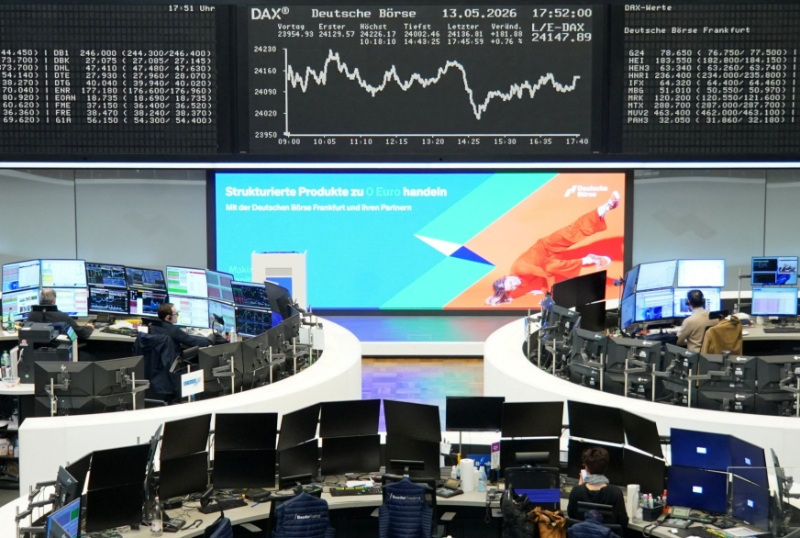
Blue Origin Unveils New Employee Stock Plan Amid Staff Unrest
Written by Emily J. Thompson, Senior Investment Analyst
Updated: May 06 2026
0mins
Should l Buy AMZN?
Source: seekingalpha
- Updated Employee Incentives: Blue Origin has introduced a new stock option plan to address staff unrest, adding liquidity events such as external funding rounds and tender offers to enhance employee morale and compete with rival SpaceX.
- Previous Plan's Expiration Sparks Anger: The original stock option plan's options are set to expire this year without any payouts, intensifying employee dissatisfaction, especially as SpaceX employees have profited significantly from their stock sales.
- New Plan Details Revealed: The new stock options have a strike price of $9.50 per share, and while the company did not disclose its valuation, this move aims to provide employees with opportunities to convert vested stock options into realized value, reflecting the company's responsiveness to employee feedback.
- Future Development Goals: Blue Origin aims to achieve positive gross profit margins by 2029 and plans to conduct between 8 and 12 launches of its New Glenn heavy-lift rocket this year, demonstrating the company's commitment to growth in a competitive aerospace market.
Trade with 70% Backtested Accuracy
Stop guessing "Should I Buy AMZN?" and start using high-conviction signals backed by rigorous historical data.
Sign up today to access powerful investing tools and make smarter, data-driven decisions.
Analyst Views on AMZN
Wall Street analysts forecast AMZN stock price to rise
44 Analyst Rating
41 Buy
3 Hold
0 Sell
Strong Buy
Current: 267.220

Low
175.00
Averages
280.01
High
325.00
Current: 267.220
Low
175.00
Averages
280.01
High
325.00
About AMZN
Amazon.com, Inc. provides a range of products and services to customers. The products offered through its stores include merchandise and content it has purchased for resale and products offered by third-party sellers. The Company’s segments include North America, International and Amazon Web Services (AWS). It serves consumers through its online and physical stores and focuses on selection, price, and convenience. Customers access its offerings through its websites, mobile apps, Alexa, devices, streaming, and physically visiting its stores. It also manufactures and sells electronic devices, including Kindle, Fire tablet, Fire TV, Echo, Ring, Blink, and eero, and develops and produces media content. It serves developers and enterprises of all sizes, including start-ups, government agencies, and academic institutions, through AWS, which offers a set of on-demand technology services, including compute, storage, database, analytics, and machine learning, and other services.
About the author

Emily J. Thompson
Emily J. Thompson, a Chartered Financial Analyst (CFA) with 12 years in investment research, graduated with honors from the Wharton School. Specializing in industrial and technology stocks, she provides in-depth analysis for Intellectia’s earnings and market brief reports.

Amazon Approaches $3 Trillion Market Cap

- Stock Momentum: Despite a slight dip last Friday, Amazon's stock has surged 33% over the past three months, indicating growing market confidence in its future growth, particularly with a 17% year-over-year increase in net sales reported in Q1.
- Strong Cloud Growth: Amazon Web Services (AWS) saw a 28% rise in net sales during the first quarter, marking its strongest growth in over three years, showcasing its robust performance amid surging AI demand, which further boosts the company's overall profitability.
- High Margin Business: AWS has maintained an operating margin exceeding 35% for the third consecutive year, and while Amazon's e-commerce operations have historically been lean, AWS's high-margin nature makes it a significant contributor to the company's overall operating profit, accounting for over half of it.
- Optimistic Market Outlook: With increased investments in AI infrastructure, market expectations for Amazon's future are rising, and it is anticipated that Amazon will soon surpass the $3 trillion market cap, joining the elite group of companies that have achieved this milestone.
See More
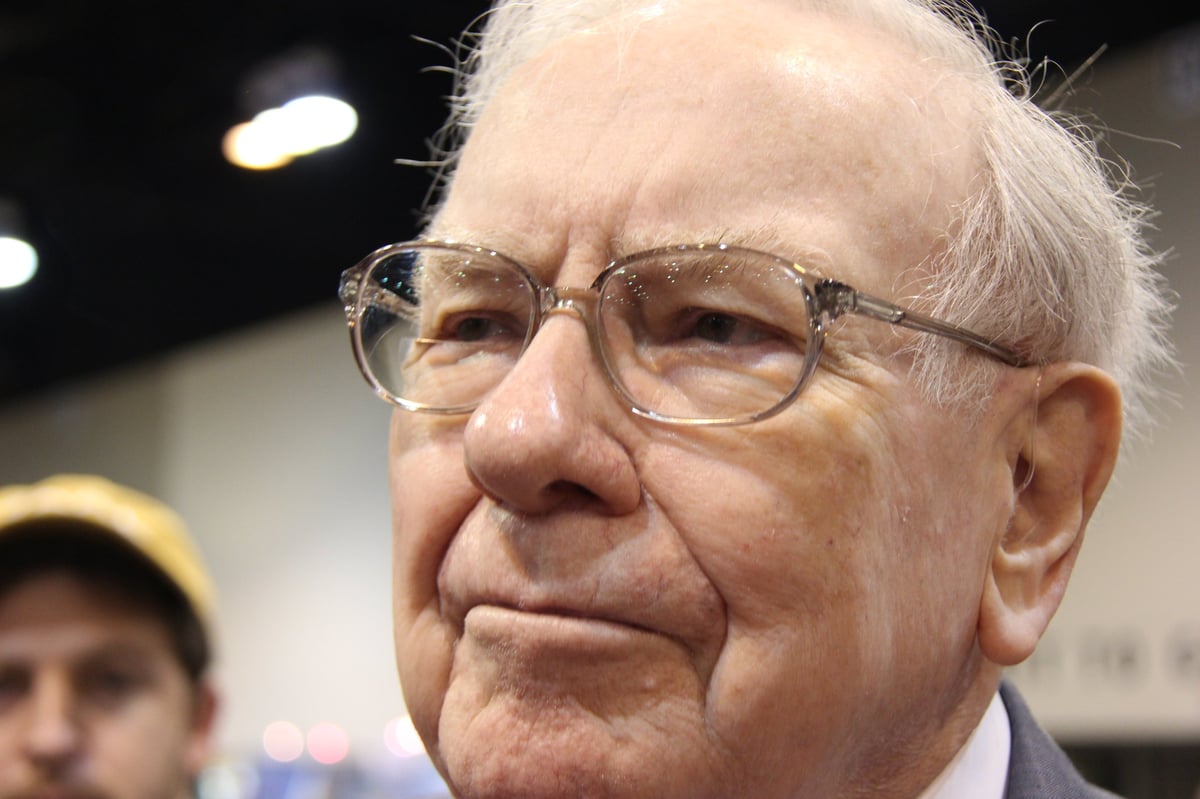
Warren Buffett Retires, Greg Abel Takes Over as CEO

- Leadership Transition: Warren Buffett will retire as CEO on December 31, 2025, with longtime understudy Greg Abel taking over, marking a new era for Berkshire Hathaway as Abel assumes control of daily operations and the investment portfolio while Buffett remains as chairman.
- Investment Strategy Shift: In his first quarter, Abel completely exited 16 positions, including notable companies like Amazon and Visa, highlighting the challenges of finding value in a historically expensive market and reflecting his investment philosophy similar to Buffett's.
- Alphabet's Rise: Abel promoted AI giant Alphabet to a top-five position in Berkshire's portfolio, acquiring 36.4 million Class A shares valued at approximately $23 billion, indicating the company's increasing focus on tech stocks and optimism about future growth potential.
- Cloud Computing Growth: Google Cloud's revenue surged 63% year-over-year, with a 400% increase in cloud backlog, showcasing Alphabet's strong performance in high-margin sectors, potentially becoming a leading cash-flow driver and reinforcing its competitive advantage in the market.
See More

Amazon's AI Business Thrives Amidst Growth

- Stock Surge: Amazon's shares have climbed over 30% since the end of March, reflecting strong market confidence in its AI business, which is expected to drive sustained growth in the coming years.
- Capital Expenditure Plans: Amazon announced a $200 billion investment in AWS infrastructure by 2026 to meet surging AI demand, with this investment projected to translate into revenue between 2027 and 2028, indicating the company's commitment to future market opportunities.
- Chip Business Potential: Amazon's in-house chips like Graviton and Trainium are driving revenue growth in its AI business, with a current annual revenue run rate exceeding $15 billion, showcasing its competitiveness in the chip market and potential for future expansion.
- Attractive Valuation: With a forward P/E ratio of 30, Amazon is reasonably priced given its strong growth trajectory and future potential, which may attract investors and further boost its stock price.
See More
Alibaba's AI Business Surges Amid Profit Decline

- AI Business Growth: Alibaba's AI-related product revenue has seen triple-digit growth for the 11th consecutive quarter, particularly driven by its ability to produce custom AI chips at scale, which provides a significant structural cost advantage that excites investors.
- Cloud Intelligence Revenue Surge: The cloud intelligence segment's revenue climbed 38% to $6 billion, with adjusted EBITA soaring 57% to $550 million, indicating rapid growth in cloud computing, although the majority of profits still stem from its e-commerce operations.
- E-commerce Revenue Fluctuations: While e-commerce revenue rose 6% to $17.7 billion, adjusted EBITA plummeted 40% to $3.5 billion, with quick commerce revenue soaring 57% to $2.9 billion, highlighting the pressure of investments on profitability.
- Future Investment Outlook: Alibaba is heavily investing in quick commerce and AI infrastructure, aiming for profitable scale by the end of 2027, and although AI currently represents a small part of its overall business, its potential to lead the market in China is significant.
See More

Amazon Faces Class Action Lawsuit Over Tariff Refunds
- Lawsuit Background: A proposed class action lawsuit alleges that Amazon has failed to apply for tariff refunds it is entitled to, following a U.S. Supreme Court ruling that invalidated Trump's tariffs, placing Amazon under legal scrutiny.
- Financial Impact: The lawsuit claims that Amazon is using consumer funds to maintain favor with Trump, resulting in higher prices for consumers due to tariffs, with Amazon's stock down nearly 1% ahead of Monday trading.
- Legal Basis: The lawsuit accuses Amazon of violating Washington state consumer protection laws and claims unjust enrichment, highlighting the dual pressures the company faces from legal and ethical standpoints.
- Market Reaction: Amazon's stock has dropped nearly 6% since hitting an all-time high of $273.55 on May 5, indicating investor concerns about the company's future performance, with retail sentiment remaining bearish.
See More

Analysis of Three Stable Dividend Stocks


- Walmart's Market Advantage: With a vast network of 5,212 U.S. retail units and a 15.1% growth in global membership revenue, Walmart demonstrates strong market competitiveness, ensuring the safety of its dividend payments and long-term growth potential.
- Coca-Cola's Brand Power: Coca-Cola, with a 64-year dividend growth history and a gross margin of 61.82%, consistently maintains stable dividend returns amid economic fluctuations; although its annual growth rate is modest, its dividend appeal remains strong.
- McDonald's Asset-Light Model: By owning most of its restaurant real estate and charging franchisees rent, McDonald's showcases higher profit margins than traditional restaurant chains; while it has not yet reached
See More
Amazon Approaches $3 Trillion Market Cap
- Stock Momentum: Despite a slight dip last Friday, Amazon's stock has surged 33% over the past three months, indicating growing market confidence in its future growth, particularly with a 17% year-over-year increase in net sales reported in Q1.
- Strong Cloud Growth: Amazon Web Services (AWS) saw a 28% rise in net sales during the first quarter, marking its strongest growth in over three years, showcasing its robust performance amid surging AI demand, which further boosts the company's overall profitability.
- High Margin Business: AWS has maintained an operating margin exceeding 35% for the third consecutive year, and while Amazon's e-commerce operations have historically been lean, AWS's high-margin nature makes it a significant contributor to the company's overall operating profit, accounting for over half of it.
- Optimistic Market Outlook: With increased investments in AI infrastructure, market expectations for Amazon's future are rising, and it is anticipated that Amazon will soon surpass the $3 trillion market cap, joining the elite group of companies that have achieved this milestone.
See More
Warren Buffett Retires, Greg Abel Takes Over as CEO
- Leadership Transition: Warren Buffett will retire as CEO on December 31, 2025, with longtime understudy Greg Abel taking over, marking a new era for Berkshire Hathaway as Abel assumes control of daily operations and the investment portfolio while Buffett remains as chairman.
- Investment Strategy Shift: In his first quarter, Abel completely exited 16 positions, including notable companies like Amazon and Visa, highlighting the challenges of finding value in a historically expensive market and reflecting his investment philosophy similar to Buffett's.
- Alphabet's Rise: Abel promoted AI giant Alphabet to a top-five position in Berkshire's portfolio, acquiring 36.4 million Class A shares valued at approximately $23 billion, indicating the company's increasing focus on tech stocks and optimism about future growth potential.
- Cloud Computing Growth: Google Cloud's revenue surged 63% year-over-year, with a 400% increase in cloud backlog, showcasing Alphabet's strong performance in high-margin sectors, potentially becoming a leading cash-flow driver and reinforcing its competitive advantage in the market.
See More
Amazon's AI Business Thrives Amidst Growth
- Stock Surge: Amazon's shares have climbed over 30% since the end of March, reflecting strong market confidence in its AI business, which is expected to drive sustained growth in the coming years.
- Capital Expenditure Plans: Amazon announced a $200 billion investment in AWS infrastructure by 2026 to meet surging AI demand, with this investment projected to translate into revenue between 2027 and 2028, indicating the company's commitment to future market opportunities.
- Chip Business Potential: Amazon's in-house chips like Graviton and Trainium are driving revenue growth in its AI business, with a current annual revenue run rate exceeding $15 billion, showcasing its competitiveness in the chip market and potential for future expansion.
- Attractive Valuation: With a forward P/E ratio of 30, Amazon is reasonably priced given its strong growth trajectory and future potential, which may attract investors and further boost its stock price.
See More
Alibaba's AI Business Surges Amid Profit Decline
- AI Business Growth: Alibaba's AI-related product revenue has seen triple-digit growth for the 11th consecutive quarter, particularly driven by its ability to produce custom AI chips at scale, which provides a significant structural cost advantage that excites investors.
- Cloud Intelligence Revenue Surge: The cloud intelligence segment's revenue climbed 38% to $6 billion, with adjusted EBITA soaring 57% to $550 million, indicating rapid growth in cloud computing, although the majority of profits still stem from its e-commerce operations.
- E-commerce Revenue Fluctuations: While e-commerce revenue rose 6% to $17.7 billion, adjusted EBITA plummeted 40% to $3.5 billion, with quick commerce revenue soaring 57% to $2.9 billion, highlighting the pressure of investments on profitability.
- Future Investment Outlook: Alibaba is heavily investing in quick commerce and AI infrastructure, aiming for profitable scale by the end of 2027, and although AI currently represents a small part of its overall business, its potential to lead the market in China is significant.
See More
Amazon Faces Class Action Lawsuit Over Tariff Refunds
- Lawsuit Background: A proposed class action lawsuit alleges that Amazon has failed to apply for tariff refunds it is entitled to, following a U.S. Supreme Court ruling that invalidated Trump's tariffs, placing Amazon under legal scrutiny.
- Financial Impact: The lawsuit claims that Amazon is using consumer funds to maintain favor with Trump, resulting in higher prices for consumers due to tariffs, with Amazon's stock down nearly 1% ahead of Monday trading.
- Legal Basis: The lawsuit accuses Amazon of violating Washington state consumer protection laws and claims unjust enrichment, highlighting the dual pressures the company faces from legal and ethical standpoints.
- Market Reaction: Amazon's stock has dropped nearly 6% since hitting an all-time high of $273.55 on May 5, indicating investor concerns about the company's future performance, with retail sentiment remaining bearish.
See More
Analysis of Three Stable Dividend Stocks
- Walmart's Market Advantage: With a vast network of 5,212 U.S. retail units and a 15.1% growth in global membership revenue, Walmart demonstrates strong market competitiveness, ensuring the safety of its dividend payments and long-term growth potential.
- Coca-Cola's Brand Power: Coca-Cola, with a 64-year dividend growth history and a gross margin of 61.82%, consistently maintains stable dividend returns amid economic fluctuations; although its annual growth rate is modest, its dividend appeal remains strong.
- McDonald's Asset-Light Model: By owning most of its restaurant real estate and charging franchisees rent, McDonald's showcases higher profit margins than traditional restaurant chains; while it has not yet reached
See More