BlackRock's Expansion in Private Markets Allegedly Led to Salary Increase for Top Executives — What Is the Amount of the Raise?
Executive Compensation: President Rob Kapito received $25.7 million, CFO Martin Small earned $13.6 million, and COO Rob Goldstein was paid $15.6 million, reflecting significant compensation for top executives at BlackRock.
Financial Performance: BlackRock reported $698 billion in inflows last year, surpassing $14 trillion in assets under management, indicating strong growth in its investment management business.
Private Market Strategy: The firm has invested approximately $28 billion to expand into private markets and aims to raise an additional $400 billion by 2030, despite facing early stress signals in its strategy.
Market Sentiment: BlackRock's stock has declined nearly 14% this year, with retail sentiment around its stock being bearish, while trading volumes remained at normal levels.
Trade with 70% Backtested Accuracy
Analyst Views on BLK

About BLK
About the author

BlackRock to Report Q1 2026 Earnings on April 14
- Earnings Release Schedule: BlackRock has announced that it will report its Q1 2026 earnings before the NYSE opens on April 14, reflecting the company's commitment to transparency and investor communication.
- Executive Conference Call: CEO Laurence D. Fink and other executives will host a teleconference at 7:30 a.m. ET, aimed at providing investors and analysts with an in-depth analysis of the financial performance.
- Webcast and Replay Availability: The teleconference will be available via live webcast on BlackRock's investor relations website, with a replay accessible by 10:30 a.m. ET, ensuring all stakeholders can obtain critical information.
- Company Mission and Vision: BlackRock is dedicated to helping more people achieve financial well-being by providing financial technology services that simplify investing, demonstrating the company's commitment to social responsibility.

BlackRock Partners with Greater Manchester Pension Fund to Invest £1B in NHS Properties
- Investment Scale: BlackRock is collaborating with the Greater Manchester Pension Fund (GMPF) to invest £1 billion in NHS properties, with BlackRock contributing significantly alongside GMPF's £150 million investment, reflecting strong confidence in public assets.
- Strategic Partnership: This collaboration aims to attract additional pension fund investors to build a portfolio worth £1 billion over the next five years, thereby accelerating the availability of private capital for essential assets to meet public service needs.
- Market Outlook: John Benham, head of UK open-ended funds at BlackRock, expressed being “incredibly excited” about partnering with GMPF, indicating the company's proactive stance in promoting infrastructure investment, which may attract more investors to public assets.
- Industry Impact: This initiative not only helps improve the funding situation for NHS properties but may also encourage other investment institutions to follow suit, further driving private capital participation in public services and promoting overall market health.
Iran War Triggers Market Turmoil Amid Conflicting Statements

- Market Uncertainty: The oil markets are experiencing volatility due to conflicting statements regarding the Iran war, with both WTI and Brent crude prices initially rising before pulling back, indicating investor concerns about future developments.
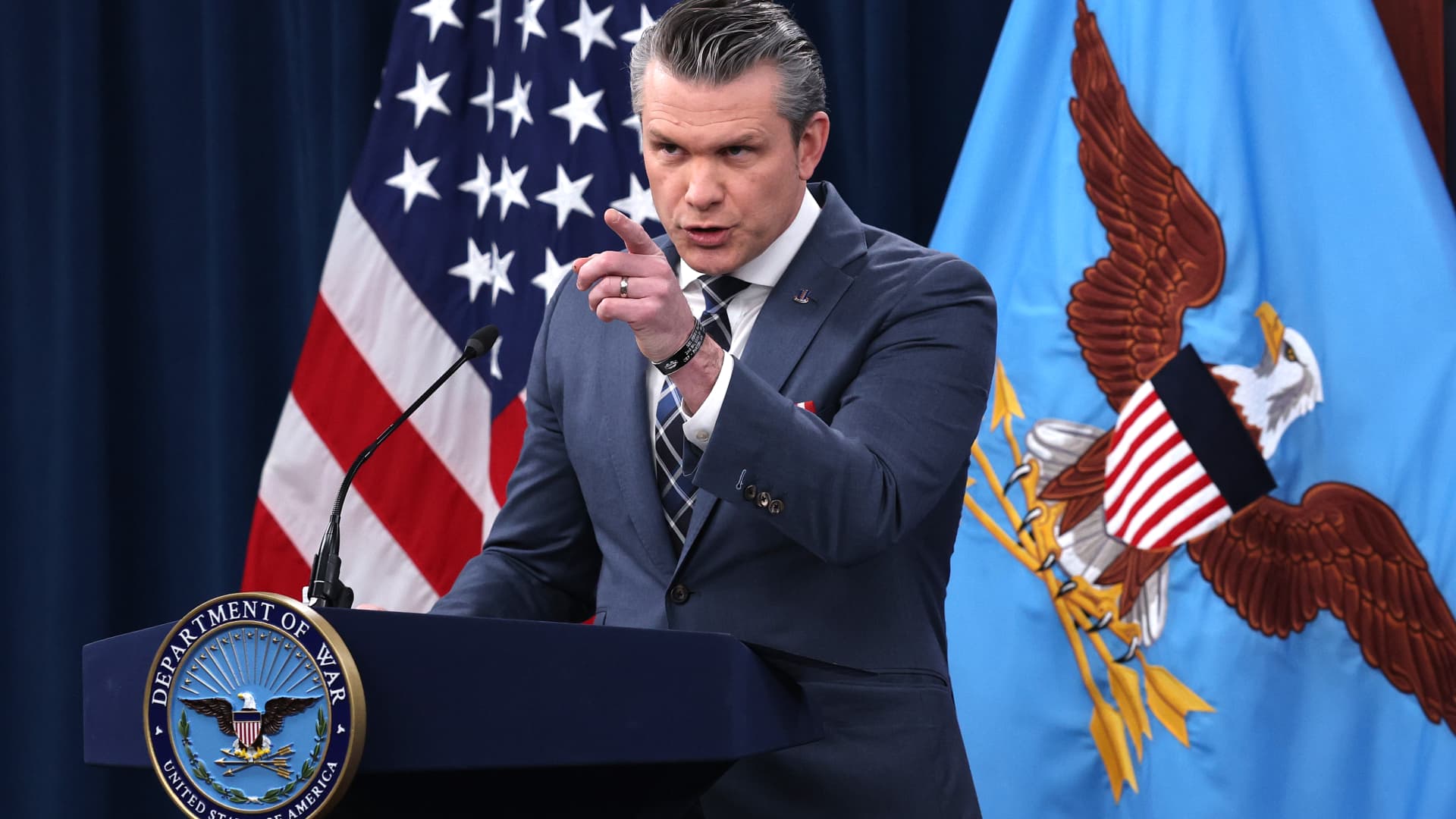
- Defense Secretary Investment Controversy: U.S. Defense Secretary Pete Hegseth's broker reportedly sought to make multimillion-dollar investments in major defense companies before the war, raising questions about potential insider trading, although the Pentagon has dismissed these claims.
- Trump's Tough Rhetoric: President Trump threatened to destroy Iran's oil wells and power plants if a peace deal is not reached, which has heightened market anxiety and complicated investor expectations regarding the conflict's trajectory.
- Fed's Inflation Outlook: Federal Reserve Chair Jerome Powell stated that inflation expectations remain grounded despite rising energy prices, suggesting that the central bank does not need to respond with higher interest rates, which could influence market perceptions of future monetary policy.
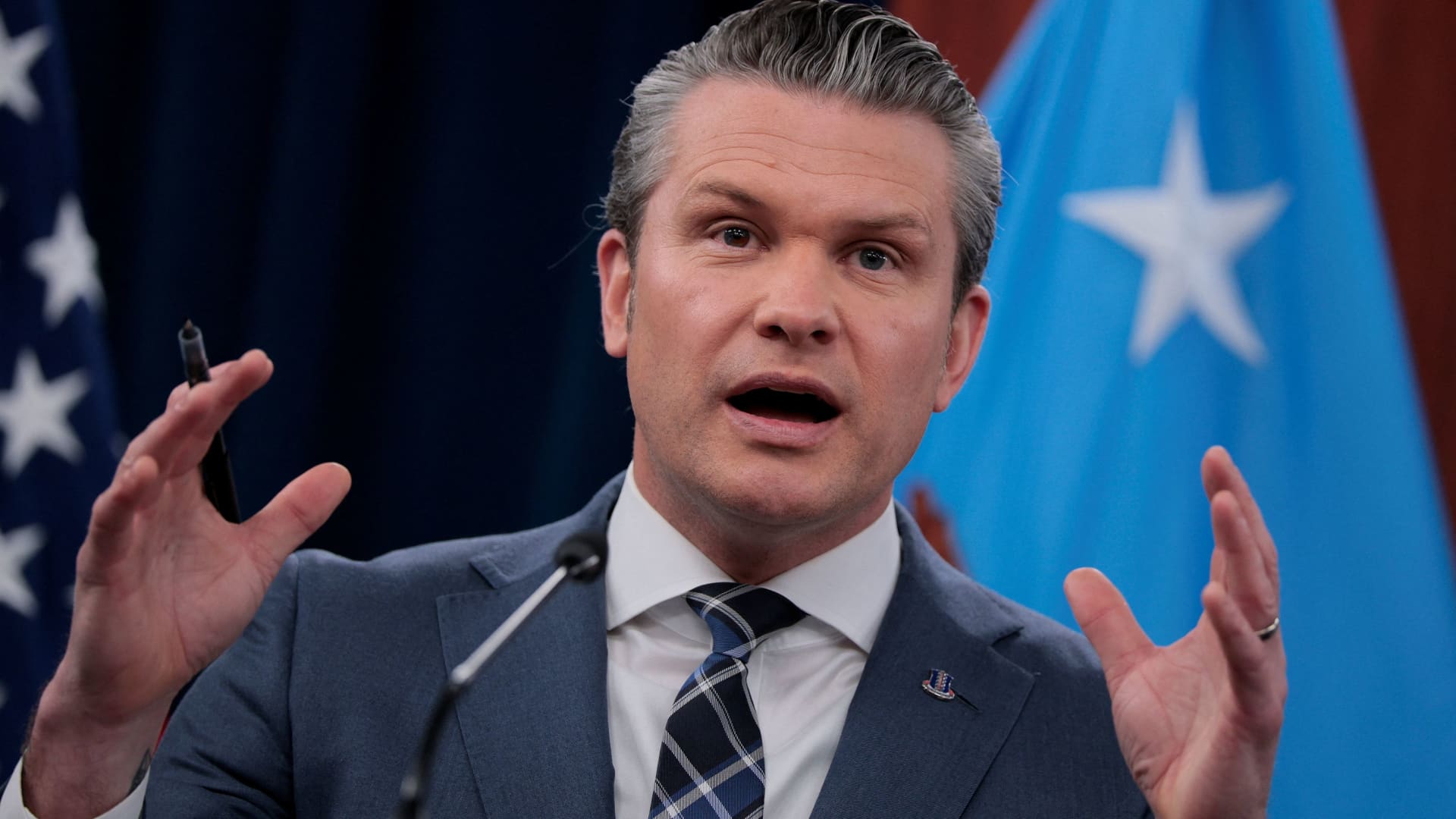
Pentagon Denies Defense Secretary's Investment Rumors

- Investment Rumors Surface: According to the Financial Times, U.S. Defense Secretary Pete Hegseth's broker sought to make a large investment in major defense companies ahead of the Iran war, although the Pentagon denied the report, labeling it as 'entirely false.'
- ETF Investment Plan: Hegseth's broker contacted BlackRock to discuss a multimillion-dollar investment in its iShares Defense Industrials Active ETF, which has approximately $3.1 billion in assets and includes stocks from major defense firms like Lockheed Martin.
- Poor Market Performance: The Defense ETF has lost 12.4% in the past month since the onset of the Iran war, reflecting cautious sentiment in the defense investment landscape, despite Hegseth's investment plans not materializing.
- Conflict Escalation: With U.S. Marines arriving in the region, the Pentagon is preparing for weeks of ground operations in Iran, indicating a potential escalation of the conflict that could further impact defense industry investment sentiment.

Americans Should Prioritize Tax Planning for Wealth Maximization

- Importance of Tax Planning: A survey by the Nationwide Retirement Institute reveals that while 80% of Americans expect taxes to rise, only 31% are adjusting their financial plans accordingly, indicating a significant oversight that could lead to substantial financial losses for families.
- 401(k) Investment Benefits: In 2026, employees can contribute up to $24,500 pre-tax to a 401(k) or 403(b), with those over 50 allowed an additional $8,000, maximizing these pre-tax deductions can effectively lower taxable income and result in real savings.
- Tax-Optimized Investment Strategies: Placing high-yield investments in retirement accounts like IRAs can avoid ordinary tax rates that are typically higher than capital gains rates, while utilizing a Roth IRA for high-growth assets allows for tax-free growth throughout one's lifetime, enhancing wealth accumulation efficiency.
- Tax Benefits of Donating Investments: Donor-advised funds enable investors to make tax-deductible charitable contributions using highly appreciated assets, thus avoiding capital gains tax, particularly beneficial for those holding significant company stock, which can substantially reduce tax liabilities over the long term.
IQM FINLAND OY SECURES €50 MILLION FINANCING PACKAGE FROM BLACKROCK-MANAGED FUNDS AND ACCOUNTS.
- Financing Secured: Finland has secured a financing package worth 50 million euros.
- Managed by BlackRock: The funds and accounts are managed by the investment firm BlackRock.
BlackRock to Report Q1 2026 Earnings on April 14
- Earnings Release Schedule: BlackRock has announced that it will report its Q1 2026 earnings before the NYSE opens on April 14, reflecting the company's commitment to transparency and investor communication.
- Executive Conference Call: CEO Laurence D. Fink and other executives will host a teleconference at 7:30 a.m. ET, aimed at providing investors and analysts with an in-depth analysis of the financial performance.
- Webcast and Replay Availability: The teleconference will be available via live webcast on BlackRock's investor relations website, with a replay accessible by 10:30 a.m. ET, ensuring all stakeholders can obtain critical information.
- Company Mission and Vision: BlackRock is dedicated to helping more people achieve financial well-being by providing financial technology services that simplify investing, demonstrating the company's commitment to social responsibility.
BlackRock Partners with Greater Manchester Pension Fund to Invest £1B in NHS Properties
- Investment Scale: BlackRock is collaborating with the Greater Manchester Pension Fund (GMPF) to invest £1 billion in NHS properties, with BlackRock contributing significantly alongside GMPF's £150 million investment, reflecting strong confidence in public assets.
- Strategic Partnership: This collaboration aims to attract additional pension fund investors to build a portfolio worth £1 billion over the next five years, thereby accelerating the availability of private capital for essential assets to meet public service needs.
- Market Outlook: John Benham, head of UK open-ended funds at BlackRock, expressed being “incredibly excited” about partnering with GMPF, indicating the company's proactive stance in promoting infrastructure investment, which may attract more investors to public assets.
- Industry Impact: This initiative not only helps improve the funding situation for NHS properties but may also encourage other investment institutions to follow suit, further driving private capital participation in public services and promoting overall market health.
Iran War Triggers Market Turmoil Amid Conflicting Statements
- Market Uncertainty: The oil markets are experiencing volatility due to conflicting statements regarding the Iran war, with both WTI and Brent crude prices initially rising before pulling back, indicating investor concerns about future developments.
- Defense Secretary Investment Controversy: U.S. Defense Secretary Pete Hegseth's broker reportedly sought to make multimillion-dollar investments in major defense companies before the war, raising questions about potential insider trading, although the Pentagon has dismissed these claims.
- Trump's Tough Rhetoric: President Trump threatened to destroy Iran's oil wells and power plants if a peace deal is not reached, which has heightened market anxiety and complicated investor expectations regarding the conflict's trajectory.
- Fed's Inflation Outlook: Federal Reserve Chair Jerome Powell stated that inflation expectations remain grounded despite rising energy prices, suggesting that the central bank does not need to respond with higher interest rates, which could influence market perceptions of future monetary policy.
Pentagon Denies Defense Secretary's Investment Rumors
- Investment Rumors Surface: According to the Financial Times, U.S. Defense Secretary Pete Hegseth's broker sought to make a large investment in major defense companies ahead of the Iran war, although the Pentagon denied the report, labeling it as 'entirely false.'
- ETF Investment Plan: Hegseth's broker contacted BlackRock to discuss a multimillion-dollar investment in its iShares Defense Industrials Active ETF, which has approximately $3.1 billion in assets and includes stocks from major defense firms like Lockheed Martin.
- Poor Market Performance: The Defense ETF has lost 12.4% in the past month since the onset of the Iran war, reflecting cautious sentiment in the defense investment landscape, despite Hegseth's investment plans not materializing.
- Conflict Escalation: With U.S. Marines arriving in the region, the Pentagon is preparing for weeks of ground operations in Iran, indicating a potential escalation of the conflict that could further impact defense industry investment sentiment.
Americans Should Prioritize Tax Planning for Wealth Maximization
- Importance of Tax Planning: A survey by the Nationwide Retirement Institute reveals that while 80% of Americans expect taxes to rise, only 31% are adjusting their financial plans accordingly, indicating a significant oversight that could lead to substantial financial losses for families.
- 401(k) Investment Benefits: In 2026, employees can contribute up to $24,500 pre-tax to a 401(k) or 403(b), with those over 50 allowed an additional $8,000, maximizing these pre-tax deductions can effectively lower taxable income and result in real savings.
- Tax-Optimized Investment Strategies: Placing high-yield investments in retirement accounts like IRAs can avoid ordinary tax rates that are typically higher than capital gains rates, while utilizing a Roth IRA for high-growth assets allows for tax-free growth throughout one's lifetime, enhancing wealth accumulation efficiency.
- Tax Benefits of Donating Investments: Donor-advised funds enable investors to make tax-deductible charitable contributions using highly appreciated assets, thus avoiding capital gains tax, particularly beneficial for those holding significant company stock, which can substantially reduce tax liabilities over the long term.
IQM FINLAND OY SECURES €50 MILLION FINANCING PACKAGE FROM BLACKROCK-MANAGED FUNDS AND ACCOUNTS.
- Financing Secured: Finland has secured a financing package worth 50 million euros.
- Managed by BlackRock: The funds and accounts are managed by the investment firm BlackRock.