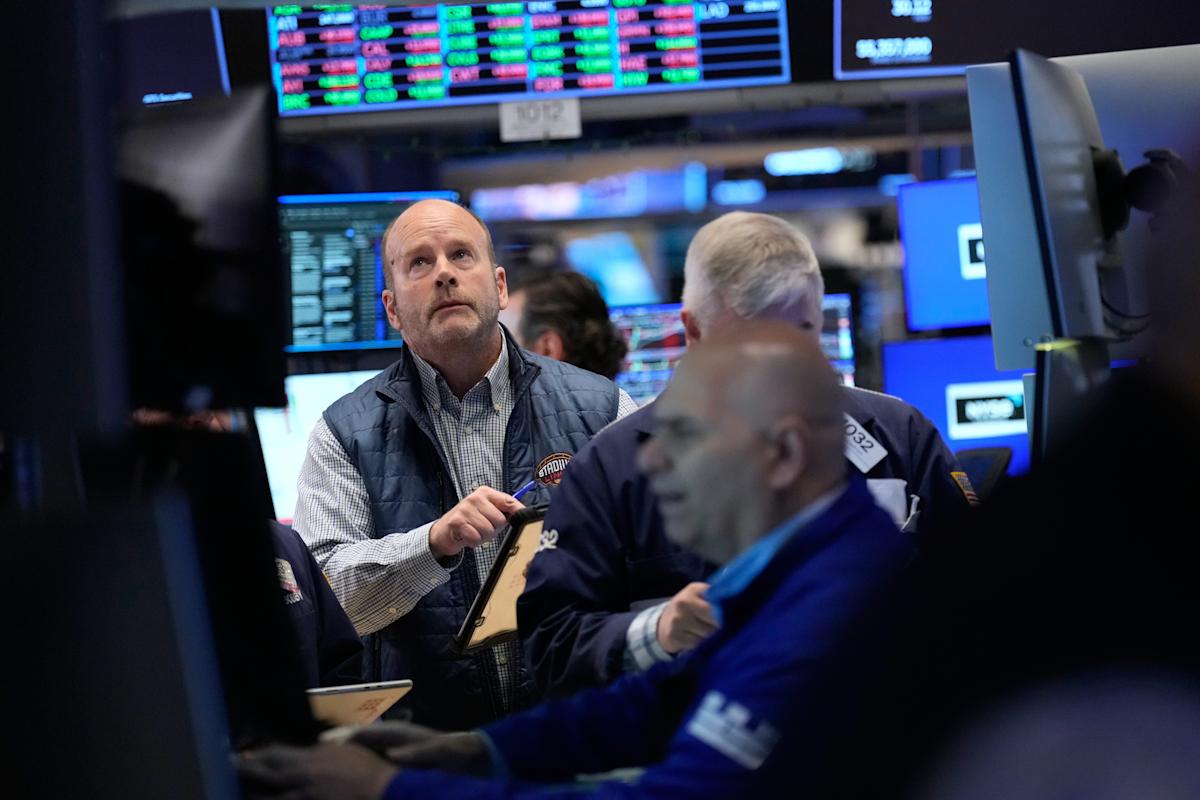
Bitmine Approved for Uplisting to NYSE, Strengthening Market Position
Written by Emily J. Thompson, Senior Investment Analyst
Updated: Apr 06 2026
0mins


Should l Buy COIN?
Source: PRnewswire
- Uplisting Approval: Bitmine has been approved to uplist from NYSE American to the New York Stock Exchange effective April 9, 2026, marking a significant advancement in its capital market strategy, which is expected to attract more institutional investor interest.
- Significant ETH Holdings: Bitmine currently holds 3,334,637 ETH valued at $7.1 billion, representing 3.98% of the total ETH supply, positioning it as a leading entity among global ETH holders and reinforcing its status as a major ETH treasury.
- Total Cash and Asset Value: Bitmine's total cash and
Trade with 70% Backtested Accuracy
Stop guessing "Should I Buy COIN?" and start using high-conviction signals backed by rigorous historical data.
Sign up today to access powerful investing tools and make smarter, data-driven decisions.
Analyst Views on COIN
Wall Street analysts forecast COIN stock price to rise
25 Analyst Rating
17 Buy
7 Hold
1 Sell
Moderate Buy
Current: 184.410

Low
230.00
Averages
361.63
High
440.00
Current: 184.410
Low
230.00
Averages
361.63
High
440.00
About COIN
Coinbase Global, Inc. is a holding company of Coinbase, Inc. and other subsidiaries. The Company provides a platform that serves as a compliant on-ramp to the onchain economy and enables users to engage in a variety of activities with their crypto assets in both proprietary and third-party product experiences enabled by access to decentralized applications. It offers consumers their primary financial account for the onchain economy; institutions a full-service prime brokerage platform with access to deep pools of liquidity across the crypto marketplace, and developers a suite of products granting access to build onchain. The Company offers products and services to various customer groups: consumers, businesses, institutions, and developers. Its transaction products consist of consumer trading, prime trading, markets, base protocol and Coinbase wallet. The Company also provides market infrastructure in the form of exchanges for customers to trade spots and derivatives.
About the author

Emily J. Thompson
Emily J. Thompson, a Chartered Financial Analyst (CFA) with 12 years in investment research, graduated with honors from the Wharton School. Specializing in industrial and technology stocks, she provides in-depth analysis for Intellectia’s earnings and market brief reports.

Coinbase to Release Q1 2026 Financial Results on May 7

- Earnings Release Schedule: Coinbase announced it will release its Q1 2026 financial results on May 7, 2026, after market close, reflecting the company's commitment to transparency and investor confidence.
- Live Webcast Meeting: The company will hold a webcast at 2:30 PM PT on the same day to discuss its financial results, providing real-time interaction opportunities that enhance communication with investors and improve information transparency.
- Disclosure Channels: Coinbase employs various channels, including its Investor Relations website, blog, press releases, and social media, to ensure compliance with regulatory requirements and timely disclosure of material information, thereby strengthening corporate governance.
- Mission and Vision: Coinbase aims to enhance economic freedom by providing a trusted platform for over 1 billion people to engage in economic activities, showcasing its leadership and social responsibility in the cryptocurrency space.
See More

Warning on Cryptocurrency Risks
- Centralization Risks: Despite being marketed as 'decentralized', cryptocurrencies rely on centralized platforms like exchanges and custodians, exposing investors to potential asset loss risks, especially if these platforms fail.
- Historical Lessons: Bitcoin has experienced 70%-80% peak-to-trough declines during the crypto crashes of 2017-2018 and 2021-2022, highlighting that market volatility is a significant risk investors must contend with.
- Platform Collapse Cases: The failures of platforms like FTX, BlockFi, and Celsius Network turned investors into unsecured creditors, resulting in substantial losses and underscoring the importance of choosing secure platforms.
- Safety Recommendations: To mitigate risks, investors should diversify their assets across multiple platforms, utilize hardware wallets for cryptocurrency storage, and avoid high-yield staking products that seem too good to be true.
See More

Analysis of Risks in Cryptocurrency Investment
- Volatility Risk: One of the biggest risks in cryptocurrency investment is volatility, as Bitcoin experienced a peak-to-trough decline of 70%-80% during the crashes of 2017-2018 and 2021-2022, exposing investors to significant financial loss risks.
- Counterparty Risk: Although cryptocurrencies are marketed as 'decentralized', they actually rely on centralized platforms such as exchanges and custodians, meaning that if these platforms fail, investors could lose access to their tokens even if they continue trading normally on other exchanges.
- Platform Collapse Cases: The collapse of platforms like FTX, BlockFi, and Celsius Network left investors unable to access their tokens, as these platforms diverted customer funds into other risky investments, resulting in customers becoming unsecured creditors and facing substantial financial losses.
- Risk Mitigation Strategies: To mitigate risks, investors should store their tokens in hardware wallets, diversify their assets across multiple platforms, and avoid high-yield staking products that seem too good to be true, thereby protecting their investments.
See More

The Impact of AI on Cryptocurrency Security

- Increased Security Risks: The advancement of AI technologies, particularly tools like Anthropic's Mythos, may heighten the risk of cyberattacks on cryptocurrency exchanges, with companies like Coinbase and Gemini facing greater security threats due to their handling of vast amounts of personal information and funds.
- Resilience of Cryptocurrency: Despite the new threats posed by AI, the Bitcoin blockchain has never been hacked since its inception in 2009, demonstrating its security underpinned by cryptography and shared rules, which may bolster investor confidence in Bitcoin.
- Response Strategies of Exchanges: Major exchanges like Coinbase and Binance are keen to invest in AI to enhance platform security, with Coinbase's Chief Security Officer noting that AI will accelerate deep testing of software and systems, thereby strengthening defense capabilities.
- Market Sentiment Impact: Analysts suggest that while AI may create a negative narrative for crypto exchanges in the short term, these companies could emerge as pioneers in defending against AI attacks in the long run, advising investors not to withdraw due to short-term fears.
See More

Coinbase Shares Rise on Security Talks with Anthropic

- Stock Surge: Coinbase shares rose over 4% to $192 in morning trading, driven by Chief Security Officer Philip Martin's announcement of talks with Anthropic regarding its Mythos AI model, reflecting market confidence in the company's security strategy.
- Security Demand Communication: Martin highlighted that Mythos tools could expedite testing for cyber threats and defenses; however, while major banks like Goldman Sachs have early access, crypto firms have yet to be included in the initial rollout, indicating a pressing need for advanced security technologies in the industry.
- Analyst Target Upgrade: Piper Sandler raised Coinbase's price target from $150 to $180, maintaining a cautious outlook on year-over-year comparisons for Q2 2026, yet noted that the ongoing Iran War could provide strong market support, showcasing analysts' optimism about the company's future performance.
- Positive Market Sentiment: On Stocktwits, retail sentiment around Coinbase remained in the 'bullish' zone, indicating investor confidence in the company's prospects, especially as global market volatility increases, which could drive higher trading volumes.
See More

Kalshi Defends Against Regulatory Pressure on Prediction Markets

- Advertising Strategy: Kalshi launched an advertising campaign in Washington, spending over $615,000 to differentiate itself from Polymarket by emphasizing compliance and transparency, thereby enhancing trust among the public and policymakers.
- Market Share Dominance: According to a Bank of America report, Kalshi holds approximately 90% of the U.S. prediction market share, showcasing its strong position in the rapidly growing prediction market despite regulatory pressures from lawmakers.
- Legislative Challenges: Since January, at least eight prediction market bills have been introduced, with some aimed at combating insider trading, indicating a growing concern among legislators that could impact Kalshi's operational model.
- Regulatory Dynamics: Kalshi collaborates with the CFTC to implement voluntary guardrails against illegal activities, and despite facing regulatory challenges from various states, its recent victory in federal appeals court provides legal support for its operations.
See More
Coinbase to Release Q1 2026 Financial Results on May 7
- Earnings Release Schedule: Coinbase announced it will release its Q1 2026 financial results on May 7, 2026, after market close, reflecting the company's commitment to transparency and investor confidence.
- Live Webcast Meeting: The company will hold a webcast at 2:30 PM PT on the same day to discuss its financial results, providing real-time interaction opportunities that enhance communication with investors and improve information transparency.
- Disclosure Channels: Coinbase employs various channels, including its Investor Relations website, blog, press releases, and social media, to ensure compliance with regulatory requirements and timely disclosure of material information, thereby strengthening corporate governance.
- Mission and Vision: Coinbase aims to enhance economic freedom by providing a trusted platform for over 1 billion people to engage in economic activities, showcasing its leadership and social responsibility in the cryptocurrency space.
See More
Warning on Cryptocurrency Risks
- Centralization Risks: Despite being marketed as 'decentralized', cryptocurrencies rely on centralized platforms like exchanges and custodians, exposing investors to potential asset loss risks, especially if these platforms fail.
- Historical Lessons: Bitcoin has experienced 70%-80% peak-to-trough declines during the crypto crashes of 2017-2018 and 2021-2022, highlighting that market volatility is a significant risk investors must contend with.
- Platform Collapse Cases: The failures of platforms like FTX, BlockFi, and Celsius Network turned investors into unsecured creditors, resulting in substantial losses and underscoring the importance of choosing secure platforms.
- Safety Recommendations: To mitigate risks, investors should diversify their assets across multiple platforms, utilize hardware wallets for cryptocurrency storage, and avoid high-yield staking products that seem too good to be true.
See More
Analysis of Risks in Cryptocurrency Investment
- Volatility Risk: One of the biggest risks in cryptocurrency investment is volatility, as Bitcoin experienced a peak-to-trough decline of 70%-80% during the crashes of 2017-2018 and 2021-2022, exposing investors to significant financial loss risks.
- Counterparty Risk: Although cryptocurrencies are marketed as 'decentralized', they actually rely on centralized platforms such as exchanges and custodians, meaning that if these platforms fail, investors could lose access to their tokens even if they continue trading normally on other exchanges.
- Platform Collapse Cases: The collapse of platforms like FTX, BlockFi, and Celsius Network left investors unable to access their tokens, as these platforms diverted customer funds into other risky investments, resulting in customers becoming unsecured creditors and facing substantial financial losses.
- Risk Mitigation Strategies: To mitigate risks, investors should store their tokens in hardware wallets, diversify their assets across multiple platforms, and avoid high-yield staking products that seem too good to be true, thereby protecting their investments.
See More
The Impact of AI on Cryptocurrency Security
- Increased Security Risks: The advancement of AI technologies, particularly tools like Anthropic's Mythos, may heighten the risk of cyberattacks on cryptocurrency exchanges, with companies like Coinbase and Gemini facing greater security threats due to their handling of vast amounts of personal information and funds.
- Resilience of Cryptocurrency: Despite the new threats posed by AI, the Bitcoin blockchain has never been hacked since its inception in 2009, demonstrating its security underpinned by cryptography and shared rules, which may bolster investor confidence in Bitcoin.
- Response Strategies of Exchanges: Major exchanges like Coinbase and Binance are keen to invest in AI to enhance platform security, with Coinbase's Chief Security Officer noting that AI will accelerate deep testing of software and systems, thereby strengthening defense capabilities.
- Market Sentiment Impact: Analysts suggest that while AI may create a negative narrative for crypto exchanges in the short term, these companies could emerge as pioneers in defending against AI attacks in the long run, advising investors not to withdraw due to short-term fears.
See More
Coinbase Shares Rise on Security Talks with Anthropic
- Stock Surge: Coinbase shares rose over 4% to $192 in morning trading, driven by Chief Security Officer Philip Martin's announcement of talks with Anthropic regarding its Mythos AI model, reflecting market confidence in the company's security strategy.
- Security Demand Communication: Martin highlighted that Mythos tools could expedite testing for cyber threats and defenses; however, while major banks like Goldman Sachs have early access, crypto firms have yet to be included in the initial rollout, indicating a pressing need for advanced security technologies in the industry.
- Analyst Target Upgrade: Piper Sandler raised Coinbase's price target from $150 to $180, maintaining a cautious outlook on year-over-year comparisons for Q2 2026, yet noted that the ongoing Iran War could provide strong market support, showcasing analysts' optimism about the company's future performance.
- Positive Market Sentiment: On Stocktwits, retail sentiment around Coinbase remained in the 'bullish' zone, indicating investor confidence in the company's prospects, especially as global market volatility increases, which could drive higher trading volumes.
See More
Kalshi Defends Against Regulatory Pressure on Prediction Markets
- Advertising Strategy: Kalshi launched an advertising campaign in Washington, spending over $615,000 to differentiate itself from Polymarket by emphasizing compliance and transparency, thereby enhancing trust among the public and policymakers.
- Market Share Dominance: According to a Bank of America report, Kalshi holds approximately 90% of the U.S. prediction market share, showcasing its strong position in the rapidly growing prediction market despite regulatory pressures from lawmakers.
- Legislative Challenges: Since January, at least eight prediction market bills have been introduced, with some aimed at combating insider trading, indicating a growing concern among legislators that could impact Kalshi's operational model.
- Regulatory Dynamics: Kalshi collaborates with the CFTC to implement voluntary guardrails against illegal activities, and despite facing regulatory challenges from various states, its recent victory in federal appeals court provides legal support for its operations.
See More