Beyond Meat Faces Major Challenges as Stock Plummets 97%
Written by Emily J. Thompson, Senior Investment Analyst
Updated: 4 days ago
0mins

Source: Fool
- Declining Sales: Beyond Meat's sales have been on a downward trend since their peak in 2022, with a 15% year-over-year decline in Q1 2026, indicating significant challenges in the competitive plant-based food market and making recovery difficult.
- Profitability Pressure: Despite a gross margin of 3.4% in Q1, the operating margin plummeted to -70.6%, highlighting major difficulties in cost control and profitability, which raises concerns among investors about the company's future.
- Shrinking Market Share: Several retailers have stopped carrying Beyond Meat products, and relationships with restaurant partners like McDonald's have not yielded expected results, leading to declines in sales across both retail and fast-food service categories, affecting brand recognition.
- New Product Direction: Although the launch of new products like the plant-based protein drink Beyond Immerse represents a potential growth avenue, it remains uncertain whether these new offerings will succeed, necessitating cautious observation from investors regarding the company's recovery prospects.
Trade with 70% Backtested Accuracy
Stop guessing "Should I Buy BYND?" and start using high-conviction signals backed by rigorous historical data.
Sign up today to access powerful investing tools and make smarter, data-driven decisions.
Analyst Views on BYND
Wall Street analysts forecast BYND stock price to rise
4 Analyst Rating
0 Buy
1 Hold
3 Sell
Moderate Sell
Current: 0.804

Low
0.80
Averages
0.93
High
1.00
Current: 0.804
Low
0.80
Averages
0.93
High
1.00
About BYND
Beyond Meat, Inc. is a plant-based meat company offering a portfolio of plant-based meats. The Company sells a range of plant-based meat products across its three core platforms of beef, pork and poultry. The primary components of animal-based meat are amino acids, lipids, carbohydrates, trace minerals and water, which are not exclusive to animals and are plentiful in plants. Its beef platform products contain protein primarily derived from one or a combination of pea protein, rice protein, faba bean protein and wheat gluten. Its pork platform products include Beyond Sausage, Beyond Breakfast Sausage Patties, Beyond Breakfast Sausage Links and Beyond Sausage Crumbles. Its poultry platform consists of products that mimic animal-based chicken in its various merchandised forms, including chicken tenders, chicken nuggets and popcorn chicken. Its primary products under its poultry platform include Beyond Chicken Tenders, Beyond Chicken Nuggets and Beyond Popcorn Chicken.
About the author

Emily J. Thompson
Emily J. Thompson, a Chartered Financial Analyst (CFA) with 12 years in investment research, graduated with honors from the Wharton School. Specializing in industrial and technology stocks, she provides in-depth analysis for Intellectia’s earnings and market brief reports.
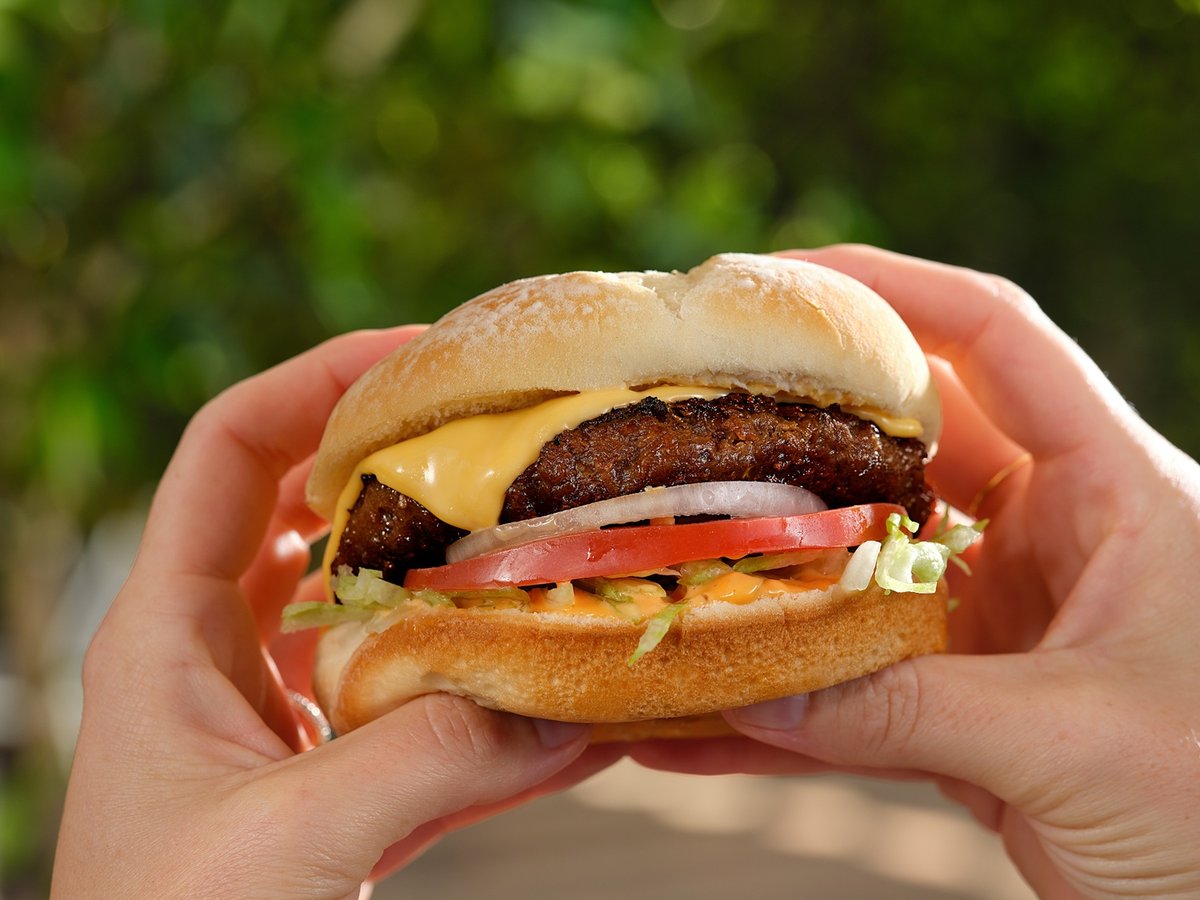
Beyond Meat Faces Major Challenges as Stock Plummets 97%


- Declining Sales: Beyond Meat's sales have been on a downward trend since their peak in 2022, with a 15% year-over-year decline in Q1 2026, indicating significant challenges in the competitive plant-based food market and making recovery difficult.
- Profitability Pressure: Despite a gross margin of 3.4% in Q1, the operating margin plummeted to -70.6%, highlighting major difficulties in cost control and profitability, which raises concerns among investors about the company's future.
- Shrinking Market Share: Several retailers have stopped carrying Beyond Meat products, and relationships with restaurant partners like McDonald's have not yielded expected results, leading to declines in sales across both retail and fast-food service categories, affecting brand recognition.
- New Product Direction: Although the launch of new products like the plant-based protein drink Beyond Immerse represents a potential growth avenue, it remains uncertain whether these new offerings will succeed, necessitating cautious observation from investors regarding the company's recovery prospects.
See More
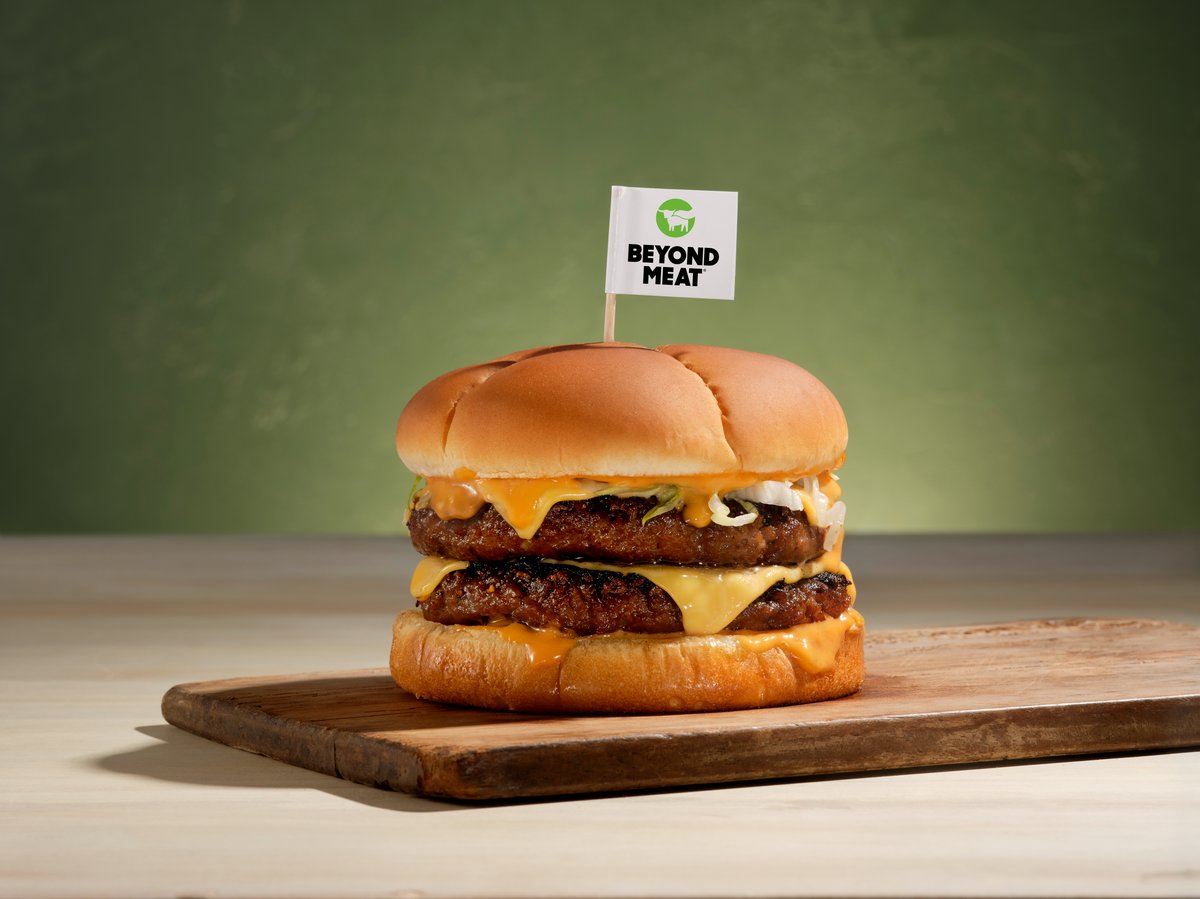
Beyond Meat Faces Competitive Pressure as Stock Falls Below $1
- Revenue Decline: Beyond Meat reported a 15% year-over-year decline in net revenue for Q1, totaling just over $58 million, indicating ongoing sales pressure in the highly competitive plant-based food market, which negatively impacts its market share and brand strength.
- Narrowed Net Loss: The company managed to reduce its net loss to $46.8 million from $59 million a year ago, yet it still fell short of analyst expectations, highlighting its fragile profitability and dampening investor confidence.
- Intensified Market Competition: With the rise of competitors like Impossible Foods and Tyson Foods, Beyond Meat's product innovations no longer hold a market edge, putting its position in the plant-based food sector at risk and leaving its future growth prospects uncertain.
- Brand Strategy Shift: Beyond Meat has launched the Beyond Immerse beverage line and is gradually dropping the
See More

Beyond Meat Stock Surges 40.3% in April Amid Market Rally

- Stock Surge: Beyond Meat's stock price soared by 40.3% in April, largely driven by the broader market's strong performance, with the S&P 500 rising 10.4% and the Nasdaq Composite up 15.3%, indicating renewed investor enthusiasm for equities.
- New Product Launch: The company announced the launch of its new plant-based breakfast sausages on April 13, followed by a distribution agreement with Big Geyser on April 16 to introduce Beyond Immerse protein drinks in the New York area, which are expected to enhance brand visibility and market share.
- Disappointing Sales Performance: Despite the strong April, Beyond Meat's Q1 earnings report released on May 6 revealed sales of $58.2 million and an operating loss of $41.1 million, with gross margin improving but still at a concerningly low level, raising concerns about profitability.
- Challenging Outlook: The company guided for Q2 sales between $60 million and $65 million, suggesting sequential improvement, but also cautioned about facing high levels of uncertainty and operational volatility, indicating a challenging performance outlook ahead.
See More

Small-Cap Stocks Decline Amid Middle East Tensions


- Market Reaction: Stocks gave up early gains as negotiations between the U.S. and Iran showed signs of stagnation, with the S&P 500 closing down 0.4%, the Dow Jones down 0.6%, and the Nasdaq down 0.1% after morning gains.
- Small-Cap Struggles: The Russell 2000 index fell 1.6% due to renewed Middle East tensions, with small-cap stocks being particularly sensitive to interest rates and inflation, exemplified by Bloom Energy's nearly 10% drop.
- Inflation Expectations Rise: The escalation in the Middle East has led to rising oil prices and interest rates, signaling that inflation may continue to increase, which places additional pressure on small-cap stocks that react strongly to macroeconomic changes.
- Investment Opportunity Analysis: Despite small-caps lagging behind large-caps during the AI boom, the valuation gap may prompt a rotation from large to small stocks, with the iShares Russell 2000 ETF trading at a P/E of 19.4 compared to 27.5 for the S&P 500 ETF, indicating potential for growth.
See More
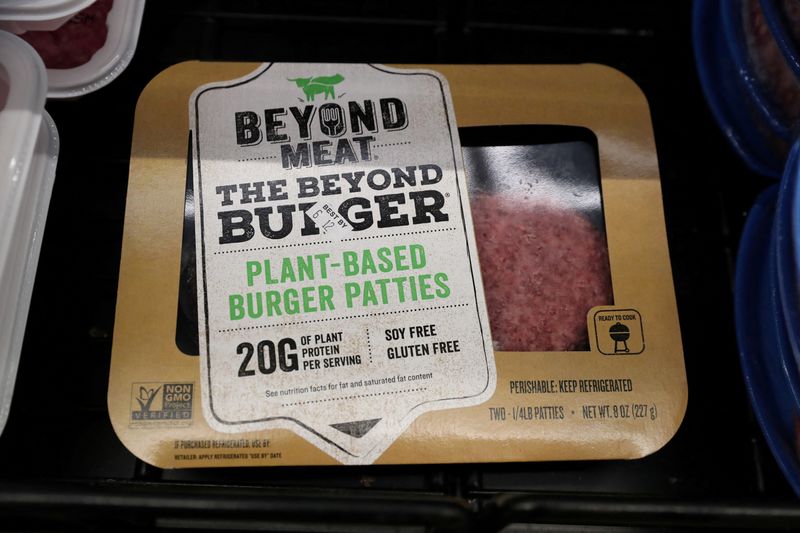
Beyond Meat's Q2 Revenue Outlook Falls Short of Market Expectations
- Revenue Outlook Decline: Beyond Meat expects Q2 net revenues between $60M and $65M, falling short of the consensus estimate of $67.94M, indicating ongoing challenges in the plant-based meat sector.
- Q1 Performance: The company reported a non-GAAP EPS of -$0.10 and revenue of $58.21M in Q1, meeting market expectations, yet reflecting a year-over-year decline of over 15%, highlighting weak category demand.
- Channel Performance Issues: U.S. retail channel net revenues decreased by 15.3% year-over-year to $26.6M, primarily due to a 14.7% drop in volume sold and a 0.6% decrease in net revenue per pound, indicating reduced distribution points and weak demand.
- International Market Growth: Despite poor performance in the U.S., international retail channel net revenues increased by 8.1% year-over-year to $13.7M, driven by a 7.8% rise in net revenue per pound and a 0.3% increase in volume sold, showcasing potential in international markets.
See More
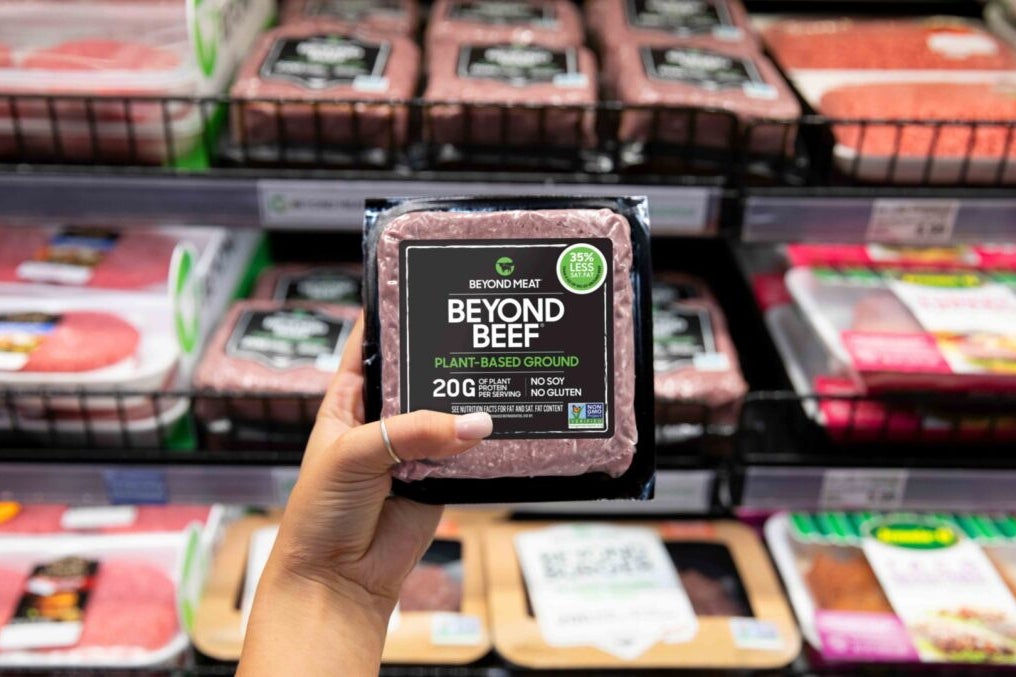
BEYOND MEAT STOCKS FALL 11.1% IN PREMARKET TRADING AS COMPANY PREDICTS Q2 SALES WILL MISS EXPECTATIONS
Stock Performance: Beyond Meat's shares have decreased by 11.1% in pre-market trading.
Sales Forecast: The decline follows a forecast indicating that Q2 sales will fall below expectations.
See More
Beyond Meat Faces Major Challenges as Stock Plummets 97%
- Declining Sales: Beyond Meat's sales have been on a downward trend since their peak in 2022, with a 15% year-over-year decline in Q1 2026, indicating significant challenges in the competitive plant-based food market and making recovery difficult.
- Profitability Pressure: Despite a gross margin of 3.4% in Q1, the operating margin plummeted to -70.6%, highlighting major difficulties in cost control and profitability, which raises concerns among investors about the company's future.
- Shrinking Market Share: Several retailers have stopped carrying Beyond Meat products, and relationships with restaurant partners like McDonald's have not yielded expected results, leading to declines in sales across both retail and fast-food service categories, affecting brand recognition.
- New Product Direction: Although the launch of new products like the plant-based protein drink Beyond Immerse represents a potential growth avenue, it remains uncertain whether these new offerings will succeed, necessitating cautious observation from investors regarding the company's recovery prospects.
See More
Beyond Meat Faces Competitive Pressure as Stock Falls Below $1
- Revenue Decline: Beyond Meat reported a 15% year-over-year decline in net revenue for Q1, totaling just over $58 million, indicating ongoing sales pressure in the highly competitive plant-based food market, which negatively impacts its market share and brand strength.
- Narrowed Net Loss: The company managed to reduce its net loss to $46.8 million from $59 million a year ago, yet it still fell short of analyst expectations, highlighting its fragile profitability and dampening investor confidence.
- Intensified Market Competition: With the rise of competitors like Impossible Foods and Tyson Foods, Beyond Meat's product innovations no longer hold a market edge, putting its position in the plant-based food sector at risk and leaving its future growth prospects uncertain.
- Brand Strategy Shift: Beyond Meat has launched the Beyond Immerse beverage line and is gradually dropping the
See More
Beyond Meat Stock Surges 40.3% in April Amid Market Rally
- Stock Surge: Beyond Meat's stock price soared by 40.3% in April, largely driven by the broader market's strong performance, with the S&P 500 rising 10.4% and the Nasdaq Composite up 15.3%, indicating renewed investor enthusiasm for equities.
- New Product Launch: The company announced the launch of its new plant-based breakfast sausages on April 13, followed by a distribution agreement with Big Geyser on April 16 to introduce Beyond Immerse protein drinks in the New York area, which are expected to enhance brand visibility and market share.
- Disappointing Sales Performance: Despite the strong April, Beyond Meat's Q1 earnings report released on May 6 revealed sales of $58.2 million and an operating loss of $41.1 million, with gross margin improving but still at a concerningly low level, raising concerns about profitability.
- Challenging Outlook: The company guided for Q2 sales between $60 million and $65 million, suggesting sequential improvement, but also cautioned about facing high levels of uncertainty and operational volatility, indicating a challenging performance outlook ahead.
See More
Small-Cap Stocks Decline Amid Middle East Tensions
- Market Reaction: Stocks gave up early gains as negotiations between the U.S. and Iran showed signs of stagnation, with the S&P 500 closing down 0.4%, the Dow Jones down 0.6%, and the Nasdaq down 0.1% after morning gains.
- Small-Cap Struggles: The Russell 2000 index fell 1.6% due to renewed Middle East tensions, with small-cap stocks being particularly sensitive to interest rates and inflation, exemplified by Bloom Energy's nearly 10% drop.
- Inflation Expectations Rise: The escalation in the Middle East has led to rising oil prices and interest rates, signaling that inflation may continue to increase, which places additional pressure on small-cap stocks that react strongly to macroeconomic changes.
- Investment Opportunity Analysis: Despite small-caps lagging behind large-caps during the AI boom, the valuation gap may prompt a rotation from large to small stocks, with the iShares Russell 2000 ETF trading at a P/E of 19.4 compared to 27.5 for the S&P 500 ETF, indicating potential for growth.
See More
Beyond Meat's Q2 Revenue Outlook Falls Short of Market Expectations
- Revenue Outlook Decline: Beyond Meat expects Q2 net revenues between $60M and $65M, falling short of the consensus estimate of $67.94M, indicating ongoing challenges in the plant-based meat sector.
- Q1 Performance: The company reported a non-GAAP EPS of -$0.10 and revenue of $58.21M in Q1, meeting market expectations, yet reflecting a year-over-year decline of over 15%, highlighting weak category demand.
- Channel Performance Issues: U.S. retail channel net revenues decreased by 15.3% year-over-year to $26.6M, primarily due to a 14.7% drop in volume sold and a 0.6% decrease in net revenue per pound, indicating reduced distribution points and weak demand.
- International Market Growth: Despite poor performance in the U.S., international retail channel net revenues increased by 8.1% year-over-year to $13.7M, driven by a 7.8% rise in net revenue per pound and a 0.3% increase in volume sold, showcasing potential in international markets.
See More
BEYOND MEAT STOCKS FALL 11.1% IN PREMARKET TRADING AS COMPANY PREDICTS Q2 SALES WILL MISS EXPECTATIONS
Stock Performance: Beyond Meat's shares have decreased by 11.1% in pre-market trading.
Sales Forecast: The decline follows a forecast indicating that Q2 sales will fall below expectations.
See More