Berkshire's New CEO Reveals Investment Strategy
Written by Emily J. Thompson, Senior Investment Analyst
Updated: 1 hour ago
0mins
Should l Buy CVX?
Source: Fool
- Core Holdings Emphasis: New CEO Greg Abel highlighted Apple, American Express, Coca-Cola, and Moody's as core holdings expected to compound over decades, indicating a strong long-term confidence in these companies amidst a $318 billion equities portfolio.
- Bank Stock Reduction: Despite a historical investment of $5 billion in Bank of America, Abel did not classify it as a core holding and has halved its stake in recent years, reflecting a cautious stance towards the banking sector, possibly due to recession concerns.
- Energy Investment Dynamics: Chevron, which Abel did not mention, has attracted Berkshire's interest in recent years; although it sold some shares in 2022, it has increased its position since Q2 2023, indicating ongoing confidence in energy assets despite market volatility.
- Market Environment Impact: Amidst fluctuating oil prices and tensions in the Middle East, Chevron's strong financial health and dividend yield position it as a potential defensive investment for Berkshire, even though Abel did not categorize it as a core holding, its market performance remains noteworthy.
Trade with 70% Backtested Accuracy
Stop guessing "Should I Buy CVX?" and start using high-conviction signals backed by rigorous historical data.
Sign up today to access powerful investing tools and make smarter, data-driven decisions.
Analyst Views on CVX
Wall Street analysts forecast CVX stock price to fall
19 Analyst Rating
15 Buy
4 Hold
0 Sell
Strong Buy
Current: 189.900

Low
158.00
Averages
176.95
High
206.00
Current: 189.900
Low
158.00
Averages
176.95
High
206.00
About CVX
Chevron Corporation is an integrated energy company. The Company produces crude oil and natural gas; manufactures transportation fuels, lubricants, petrochemicals and additives; and develops technologies that enhance its business and industry. The Company’s segments include Upstream and Downstream. Upstream operations consist primarily of exploring for, developing, producing and transporting crude oil and natural gas; liquefaction, transportation and regasification associated with LNG; transporting crude oil by major international oil export pipelines; processing, transporting, storage and marketing of natural gas; carbon capture and storage; and a gas-to-liquids plant. Downstream operations consist primarily of the refining of crude oil into petroleum products; marketing crude oil, refined products, and lubricants; manufacturing and marketing of renewable fuels, and transporting of crude oil and refined products by pipeline, marine vessel, motor equipment and rail car.
About the author

Emily J. Thompson
Emily J. Thompson, a Chartered Financial Analyst (CFA) with 12 years in investment research, graduated with honors from the Wharton School. Specializing in industrial and technology stocks, she provides in-depth analysis for Intellectia’s earnings and market brief reports.
Buffett Bets Big on Global Energy Stock

- Increased Energy Holdings: Berkshire Hathaway has increased its stake in Chevron from 122 million shares to 130 million shares last quarter, raising its portfolio weight to 7.24%, indicating strong confidence in the company.
- Performance Returns: Chevron achieved record oil and gas production last year, returning $26 billion to shareholders, an 18% increase year-over-year, despite its stock price rising only 1.5% in 2025, reflecting the pressure of low oil prices on profitability.
- Market Environment Analysis: Although Chevron's production and efficiency gains are significant, the company's profitability is impacted by oil prices remaining below $70 per barrel, with a break-even point around $50 per barrel, suggesting that even small price increases could substantially enhance profits.
- Geopolitical Impact: With rising geopolitical tensions in the Middle East, oil prices are expected to rise, and Buffett and his team are optimistic about Chevron's future performance, believing that in a recovering price environment, the stock could see significant upside.
See More
Berkshire's New CEO Lists Core Holdings

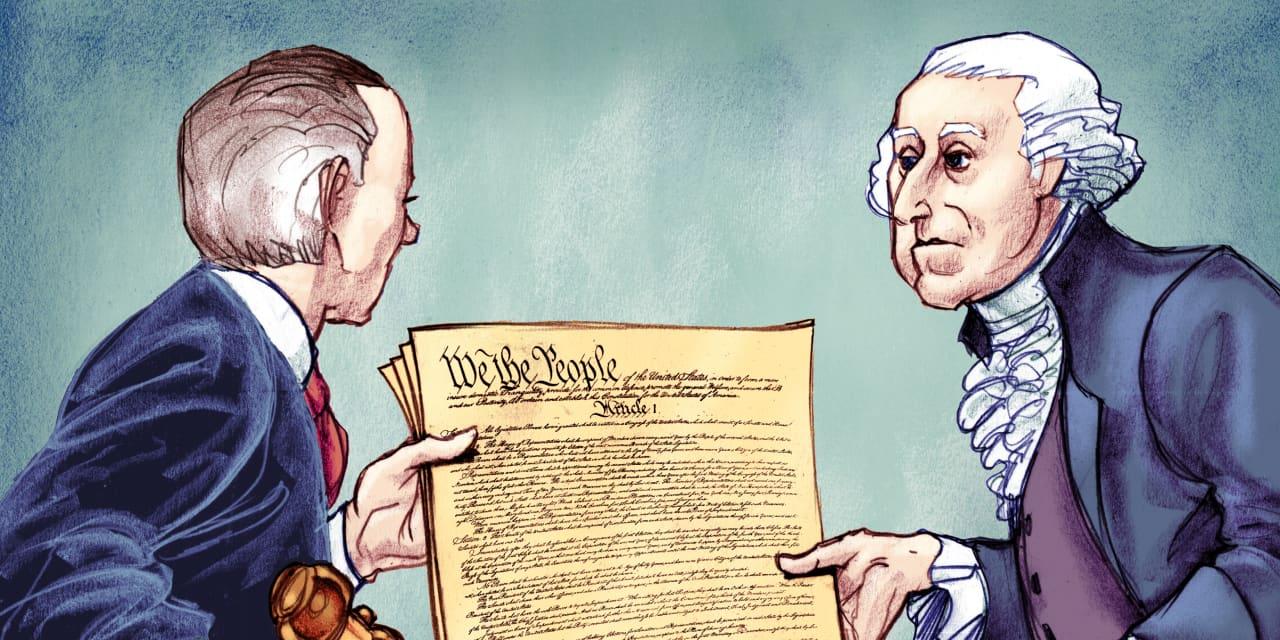
- Core Holdings Revealed: New CEO Greg Abel identified Apple, American Express, Coca-Cola, and Moody's as core holdings in his letter to shareholders, indicating a strong commitment to long-term investments expected to compound over decades.
- Bank Holdings Reduction: Abel's omission of Bank of America, previously the fourth-largest holding, reflects a cautious stance towards the banking sector, especially after significant reductions, suggesting potential further cuts in bank investments.
- Energy Investment Dynamics: Despite Berkshire's increased investments in energy assets, Abel's failure to list Chevron as a core holding is surprising, potentially indicating a reserved outlook on traditional energy, even though Chevron maintains a solid financial position.
- Market Environment Considerations: Amid growing global economic uncertainties, Berkshire's cash reserves and investment strategies demonstrate vigilance towards potential recessions, which may influence future investment decisions, particularly regarding high-valuation bank stocks.
See More

Berkshire's New CEO Reveals Investment Strategy
- Core Holdings Emphasis: New CEO Greg Abel highlighted Apple, American Express, Coca-Cola, and Moody's as core holdings expected to compound over decades, indicating a strong long-term confidence in these companies amidst a $318 billion equities portfolio.
- Bank Stock Reduction: Despite a historical investment of $5 billion in Bank of America, Abel did not classify it as a core holding and has halved its stake in recent years, reflecting a cautious stance towards the banking sector, possibly due to recession concerns.
- Energy Investment Dynamics: Chevron, which Abel did not mention, has attracted Berkshire's interest in recent years; although it sold some shares in 2022, it has increased its position since Q2 2023, indicating ongoing confidence in energy assets despite market volatility.
- Market Environment Impact: Amidst fluctuating oil prices and tensions in the Middle East, Chevron's strong financial health and dividend yield position it as a potential defensive investment for Berkshire, even though Abel did not categorize it as a core holding, its market performance remains noteworthy.
See More

A Successful Blue-Chip Fund Changes the Game in AI Investments


Performance of Schwab US Dividend Equity ETF: The $88 billion Schwab US Dividend Equity exchange-traded fund is experiencing significant growth this year, surprising many investors.
Investor Expectations: Investors in the fund likely did not anticipate such a dramatic increase in performance, indicating a positive shift in market conditions.
See More
Middle East War Disrupts Oil Prices and Stock Market


- Oil Price Surge Impacts Market: The ongoing Middle East war has led to a 35.6% spike in U.S. WTI crude oil prices within a week, marking the largest weekly gain since trading began in 1983, closing above $90 per barrel, which directly contributed to a 3% drop in the Dow Jones Industrial Average and a 2% decline in the S&P 500.
- Investor Sentiment Deteriorates: Despite the oil price surge, the market did not crash, indicating that investors are still searching for stocks that can remain stable in a high oil price environment, reflecting a focus on individual company performance amidst broader market volatility.
- Oracle Earnings in Focus: Cramer highlighted that Oracle's earnings report on Tuesday after the close is highly anticipated, with investors hoping for positive updates on its data center buildout and profitability, especially given the pressure from significant debt financing.
- Inflation Outlook Complicated: The consumer price index (CPI) data will be released on Wednesday, and the spike in oil prices complicates the inflation outlook; Cramer warned that if inflation does not show signs of decreasing, the Federal Reserve will struggle to justify further rate cuts, which could have profound implications for the market.
See More

U.S. Economic Outlook Affected by War

- Growth Forecast Downgrade: The Atlanta Fed's GDPNow model has lowered its first-quarter economic growth projection to an annualized 2.1%, down nearly a third from 3.0% since Monday, indicating heightened risks of economic slowdown that could undermine investor confidence.
- Oil Price Volatility Risk: The Iran conflict could lead to a $20 increase in oil prices, which is expected to negatively impact U.S. GDP by 0.1% and raise headline inflation by 0.4%, exacerbating market uncertainty and affecting consumer spending.
- Weak Labor Market: The latest nonfarm payrolls report revealed a loss of 92,000 jobs in February, marking the third contraction in five months, which complicates the Federal Reserve's decision-making regarding interest rate policies amid rising inflation concerns.
- Investors Seeking Safety: In light of above-target inflation and a sluggish labor market, investors are gravitating towards defensive investments, and while the U.S. is still viewed as a global economic leader, market volatility complicates investment decisions.
See More
Buffett Bets Big on Global Energy Stock
- Increased Energy Holdings: Berkshire Hathaway has increased its stake in Chevron from 122 million shares to 130 million shares last quarter, raising its portfolio weight to 7.24%, indicating strong confidence in the company.
- Performance Returns: Chevron achieved record oil and gas production last year, returning $26 billion to shareholders, an 18% increase year-over-year, despite its stock price rising only 1.5% in 2025, reflecting the pressure of low oil prices on profitability.
- Market Environment Analysis: Although Chevron's production and efficiency gains are significant, the company's profitability is impacted by oil prices remaining below $70 per barrel, with a break-even point around $50 per barrel, suggesting that even small price increases could substantially enhance profits.
- Geopolitical Impact: With rising geopolitical tensions in the Middle East, oil prices are expected to rise, and Buffett and his team are optimistic about Chevron's future performance, believing that in a recovering price environment, the stock could see significant upside.
See More
Berkshire's New CEO Lists Core Holdings
- Core Holdings Revealed: New CEO Greg Abel identified Apple, American Express, Coca-Cola, and Moody's as core holdings in his letter to shareholders, indicating a strong commitment to long-term investments expected to compound over decades.
- Bank Holdings Reduction: Abel's omission of Bank of America, previously the fourth-largest holding, reflects a cautious stance towards the banking sector, especially after significant reductions, suggesting potential further cuts in bank investments.
- Energy Investment Dynamics: Despite Berkshire's increased investments in energy assets, Abel's failure to list Chevron as a core holding is surprising, potentially indicating a reserved outlook on traditional energy, even though Chevron maintains a solid financial position.
- Market Environment Considerations: Amid growing global economic uncertainties, Berkshire's cash reserves and investment strategies demonstrate vigilance towards potential recessions, which may influence future investment decisions, particularly regarding high-valuation bank stocks.
See More
Berkshire's New CEO Reveals Investment Strategy
- Core Holdings Emphasis: New CEO Greg Abel highlighted Apple, American Express, Coca-Cola, and Moody's as core holdings expected to compound over decades, indicating a strong long-term confidence in these companies amidst a $318 billion equities portfolio.
- Bank Stock Reduction: Despite a historical investment of $5 billion in Bank of America, Abel did not classify it as a core holding and has halved its stake in recent years, reflecting a cautious stance towards the banking sector, possibly due to recession concerns.
- Energy Investment Dynamics: Chevron, which Abel did not mention, has attracted Berkshire's interest in recent years; although it sold some shares in 2022, it has increased its position since Q2 2023, indicating ongoing confidence in energy assets despite market volatility.
- Market Environment Impact: Amidst fluctuating oil prices and tensions in the Middle East, Chevron's strong financial health and dividend yield position it as a potential defensive investment for Berkshire, even though Abel did not categorize it as a core holding, its market performance remains noteworthy.
See More
A Successful Blue-Chip Fund Changes the Game in AI Investments
Performance of Schwab US Dividend Equity ETF: The $88 billion Schwab US Dividend Equity exchange-traded fund is experiencing significant growth this year, surprising many investors.
Investor Expectations: Investors in the fund likely did not anticipate such a dramatic increase in performance, indicating a positive shift in market conditions.
See More
Middle East War Disrupts Oil Prices and Stock Market
- Oil Price Surge Impacts Market: The ongoing Middle East war has led to a 35.6% spike in U.S. WTI crude oil prices within a week, marking the largest weekly gain since trading began in 1983, closing above $90 per barrel, which directly contributed to a 3% drop in the Dow Jones Industrial Average and a 2% decline in the S&P 500.
- Investor Sentiment Deteriorates: Despite the oil price surge, the market did not crash, indicating that investors are still searching for stocks that can remain stable in a high oil price environment, reflecting a focus on individual company performance amidst broader market volatility.
- Oracle Earnings in Focus: Cramer highlighted that Oracle's earnings report on Tuesday after the close is highly anticipated, with investors hoping for positive updates on its data center buildout and profitability, especially given the pressure from significant debt financing.
- Inflation Outlook Complicated: The consumer price index (CPI) data will be released on Wednesday, and the spike in oil prices complicates the inflation outlook; Cramer warned that if inflation does not show signs of decreasing, the Federal Reserve will struggle to justify further rate cuts, which could have profound implications for the market.
See More
U.S. Economic Outlook Affected by War
- Growth Forecast Downgrade: The Atlanta Fed's GDPNow model has lowered its first-quarter economic growth projection to an annualized 2.1%, down nearly a third from 3.0% since Monday, indicating heightened risks of economic slowdown that could undermine investor confidence.
- Oil Price Volatility Risk: The Iran conflict could lead to a $20 increase in oil prices, which is expected to negatively impact U.S. GDP by 0.1% and raise headline inflation by 0.4%, exacerbating market uncertainty and affecting consumer spending.
- Weak Labor Market: The latest nonfarm payrolls report revealed a loss of 92,000 jobs in February, marking the third contraction in five months, which complicates the Federal Reserve's decision-making regarding interest rate policies amid rising inflation concerns.
- Investors Seeking Safety: In light of above-target inflation and a sluggish labor market, investors are gravitating towards defensive investments, and while the U.S. is still viewed as a global economic leader, market volatility complicates investment decisions.
See More