Berkshire Exits UnitedHealth Investment After 45% Rebound
Written by Emily J. Thompson, Senior Investment Analyst
Updated: May 17 2026
0mins


Source: Yahoo Finance
- Quick Profit Exit: Berkshire Hathaway completely exited its 5 million-share position in UnitedHealth after the stock rebounded from $271 to $394 over nine months, locking in fast profits and showcasing its contrarian investment strategy during the stock's collapse in 2025.
- Positive Market Reaction: Following Berkshire's disclosure of its stake, the market reacted swiftly, with investors viewing it as a Buffett-style contrarian bet, despite UnitedHealth facing rising medical costs and ongoing DOJ investigations.
- New CEO's Strategic Shift: New CEO Greg Abel is reshaping the portfolio by reducing investments in healthcare insurers under regulatory scrutiny, indicating that UnitedHealth's rebound may have peaked and that downside risks are increasing.
- Strong Cash Flow Remains: Despite challenges, UnitedHealth remains the largest health insurer in the U.S., generating over $23 billion in operating cash flow over the past 12 months, underscoring its significant position and ongoing profitability in the industry.
Trade with 70% Backtested Accuracy
Stop guessing "Should I Buy UNH?" and start using high-conviction signals backed by rigorous historical data.
Sign up today to access powerful investing tools and make smarter, data-driven decisions.
Analyst Views on UNH
Wall Street analysts forecast UNH stock price to rise
19 Analyst Rating
16 Buy
3 Hold
0 Sell
Strong Buy
Current: 380.310

Low
330.00
Averages
397.82
High
444.00
Current: 380.310
Low
330.00
Averages
397.82
High
444.00
About UNH
UnitedHealth Group Incorporated is a healthcare and well-being company. Its segments include Optum Health, Optum Insight, Optum Rx, and UnitedHealthcare, which includes UnitedHealthcare Employer & Individual, UnitedHealthcare Medicare & Retirement and UnitedHealthcare Community & State. Optum Health provides comprehensive and patient-centered care, addressing the physical, mental, and social well-being. Optum Health delivers primary, specialty and surgical care and helps patients and providers navigate and address complex, chronic and behavioral health needs. Optum Insight connects the healthcare system with services, analytics and platforms that make clinical, administrative and financial processes simpler and more efficient for all participants in the healthcare system. Optum Rx offers a range of pharmacy care services through retail pharmacies, through home delivery, specialty and community health pharmacies and the provision of in-home and community-based infusion services.
About the author

Emily J. Thompson
Emily J. Thompson, a Chartered Financial Analyst (CFA) with 12 years in investment research, graduated with honors from the Wharton School. Specializing in industrial and technology stocks, she provides in-depth analysis for Intellectia’s earnings and market brief reports.
CVS vs. UnitedHealth: Dividend Growth Comparison

- Price Action Analysis: CVS Health and UnitedHealth Group faced significant declines earlier in 2026 due to lower-than-expected Medicare reimbursement rates; however, following better-than-expected revisions, CVS's one-year total return reached 50%, while UnitedHealth's was 31%, both outperforming the S&P 500's 30% return.
- Dividend Yield Comparison: CVS Health currently boasts a forward dividend yield of approximately 2.9%, surpassing UnitedHealth's 2.3%; however, UnitedHealth has demonstrated a robust annual dividend growth rate of 16.6% over the past decade, significantly outpacing CVS's 6.63%, indicating stronger dividend growth potential.
- Payout Ratio Analysis: While CVS's payout ratio stands at a staggering 116.7% due to one-time asset write-downs, analysts project earnings of $7.43 per share, suggesting that its annual cash dividend of $2.66 is well-covered; in contrast, UnitedHealth's payout ratio is 66.5%.
- Future Growth Potential: Although UnitedHealth excels in dividend growth metrics, CVS's forward P/E ratio of 12.5 indicates substantial rerating potential; if the market recognizes CVS's diversified business model, its stock price may experience modest appreciation.
See More

CVS vs. UnitedHealth: Dividend Growth Comparison
- Dividend Yield Comparison: CVS Health boasts a forward dividend yield of approximately 2.9%, surpassing UnitedHealth's 2.3%; however, UnitedHealth has consistently raised its dividend for 16 consecutive years, while CVS has not increased its payout in over two years, highlighting UnitedHealth's stability advantage.
- Dividend Growth Performance: UnitedHealth has achieved an average annual dividend growth rate of 16.6% over the past decade, compared to CVS's mere 6.63%, indicating that UnitedHealth significantly outperforms CVS in terms of dividend growth, making it a better choice for dividend-focused investors.
- Valuation and Rerating Potential: CVS trades at a forward P/E ratio of 12.5, suggesting substantial rerating potential; if the market recognizes CVS's diversified business model, its stock price could rise, whereas UnitedHealth's 21 P/E ratio may face valuation pressures, impacting future price appreciation potential.
- Market Performance and Outlook: Both companies recently reported stronger-than-expected quarterly results, with CVS achieving a total return of 50% over the past year and UnitedHealth at 31%, both outperforming the S&P 500's 30%, indicating that CVS may offer higher total return potential moving forward.
See More
Walmart Limits Employee AI Access with Token System


- AI Usage Limitation: Walmart is now providing a fixed number of AI 'tokens' for employees, replacing the previous unlimited access, reflecting the rising computing costs companies face as AI tools become more prevalent.
- Productivity Enhancement: Code Puppy, Walmart's in-house AI assistant, is designed to assist employees with tasks such as creating presentations and analyzing spreadsheets, and despite the usage restrictions, the company continues to push for AI integration in productivity and supply chain operations.
- Industry Trends: As AI adoption accelerates, many companies are discovering that costs can escalate quickly; for instance, Uber reportedly exhausted its entire 2026 AI budget by April, prompting a reassessment of its AI spending assumptions.
- Market Sentiment Shift: Walmart's stock has gained over 15% in the past year, and retail sentiment on Stocktwits shifted from 'bullish' to 'extremely bullish', indicating investor confidence in the company's future AI strategy.
See More
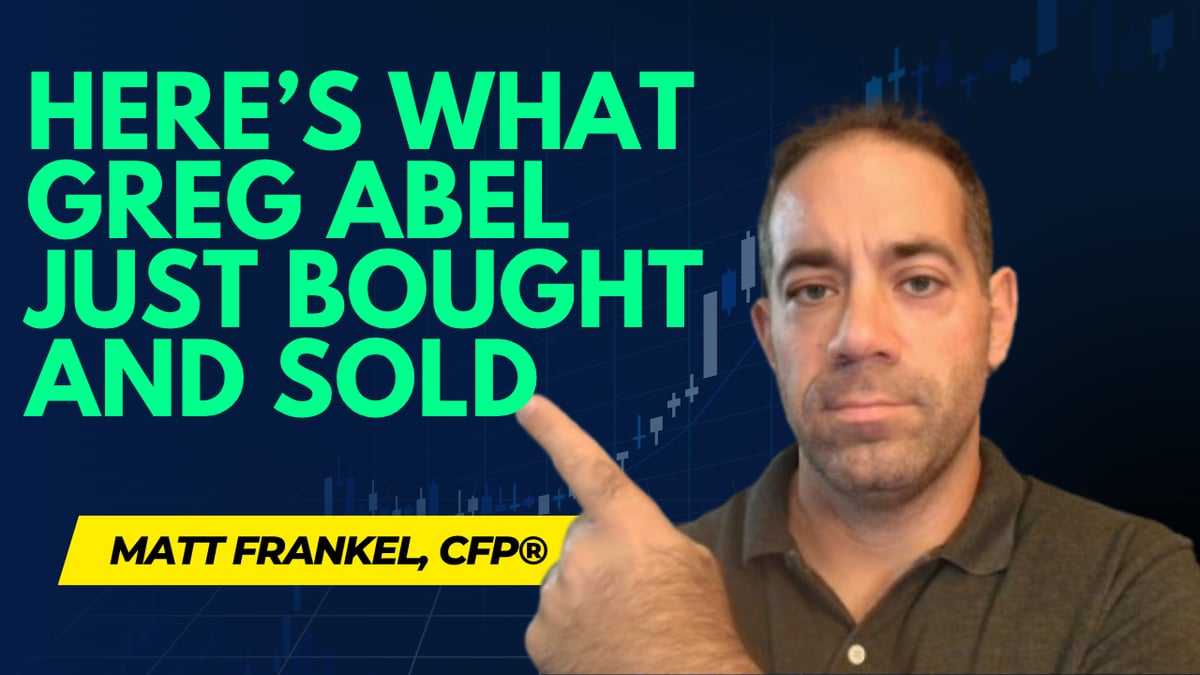
Greg Abel's Strategic Moves in Berkshire's Portfolio


- New CEO Appointment: Greg Abel took over as CEO of Berkshire Hathaway in January 2026, marking a significant leadership change that is expected to influence the company's investment strategy and market performance.
- Portfolio Adjustments: Abel quickly made adjustments to the stock portfolio after taking office, demonstrating his keen insight into market dynamics, which could impact Berkshire's long-term returns.
- Positive Market Reaction: Based on morning stock prices from May 29, 2026, Abel's investment decisions have elicited a positive market response, potentially boosting investor confidence in Berkshire's future performance.
- Clear Strategic Direction: Abel's investment choices reflect a clear strategy for the company's future development, which may attract more investor attention to Berkshire's long-term growth potential.
See More
Investment Comparison: Oscar Health vs. UnitedHealth

- Oscar Health Growth Potential: Oscar Health reported approximately $11.7 billion in revenue for FY 2025, reflecting a 27.5% increase with nearly 3.2 million members, despite a net loss of about $443.2 million, indicating both challenges and opportunities in a rapidly growing market.
- UnitedHealth Stability: UnitedHealth generated nearly $447.6 billion in revenue for FY 2025, an 11.8% increase, with a net income of approximately $12.1 billion and a net margin of 2.7%, showcasing its leadership through a vast customer base and diversified services.
- Risks and Challenges: Oscar Health faces significant risks from changes to the Affordable Care Act, particularly regarding federal funding and premium tax credits, while UnitedHealth must effectively manage medical costs and cybersecurity risks to maintain its market position and profitability.
- Valuation Comparison: Oscar Health has a forward P/E ratio of 25.8x, lower than UnitedHealth's 20.6x, while its P/S ratio stands at 0.5x, indicating relative undervaluation amidst high growth potential, prompting investors to weigh stability against growth opportunities.
See More

Investment Comparison: Oscar Health vs. UnitedHealth Group
- Revenue Growth Comparison: Oscar Health reported approximately $11.7 billion in revenue for FY 2025, reflecting a 27.5% increase despite a net loss of about $443.2 million, indicating its rapid expansion potential in the individual health insurance market.
- Market Scale and Risks: UnitedHealth Group achieved nearly $447.6 billion in revenue for FY 2025, an 11.8% increase, with its vast customer base and diversified revenue streams providing stability, yet it faces concentration risk from the Centers for Medicare & Medicaid Services.
- Financial Health Metrics: Oscar Health's debt-to-equity ratio stands at approximately 0.4, indicating a conservative leverage level, while UnitedHealth's ratio is around 0.8, suggesting a relative reliance on debt financing that may impact liquidity.
- Investor Choice Dilemma: Investors weighing Oscar Health against UnitedHealth must navigate the trade-off between stability and growth potential, as Oscar Health, being a newer entrant, presents higher risks but also the promise of greater returns through its innovative digital service model.
See More
CVS vs. UnitedHealth: Dividend Growth Comparison
- Price Action Analysis: CVS Health and UnitedHealth Group faced significant declines earlier in 2026 due to lower-than-expected Medicare reimbursement rates; however, following better-than-expected revisions, CVS's one-year total return reached 50%, while UnitedHealth's was 31%, both outperforming the S&P 500's 30% return.
- Dividend Yield Comparison: CVS Health currently boasts a forward dividend yield of approximately 2.9%, surpassing UnitedHealth's 2.3%; however, UnitedHealth has demonstrated a robust annual dividend growth rate of 16.6% over the past decade, significantly outpacing CVS's 6.63%, indicating stronger dividend growth potential.
- Payout Ratio Analysis: While CVS's payout ratio stands at a staggering 116.7% due to one-time asset write-downs, analysts project earnings of $7.43 per share, suggesting that its annual cash dividend of $2.66 is well-covered; in contrast, UnitedHealth's payout ratio is 66.5%.
- Future Growth Potential: Although UnitedHealth excels in dividend growth metrics, CVS's forward P/E ratio of 12.5 indicates substantial rerating potential; if the market recognizes CVS's diversified business model, its stock price may experience modest appreciation.
See More
CVS vs. UnitedHealth: Dividend Growth Comparison
- Dividend Yield Comparison: CVS Health boasts a forward dividend yield of approximately 2.9%, surpassing UnitedHealth's 2.3%; however, UnitedHealth has consistently raised its dividend for 16 consecutive years, while CVS has not increased its payout in over two years, highlighting UnitedHealth's stability advantage.
- Dividend Growth Performance: UnitedHealth has achieved an average annual dividend growth rate of 16.6% over the past decade, compared to CVS's mere 6.63%, indicating that UnitedHealth significantly outperforms CVS in terms of dividend growth, making it a better choice for dividend-focused investors.
- Valuation and Rerating Potential: CVS trades at a forward P/E ratio of 12.5, suggesting substantial rerating potential; if the market recognizes CVS's diversified business model, its stock price could rise, whereas UnitedHealth's 21 P/E ratio may face valuation pressures, impacting future price appreciation potential.
- Market Performance and Outlook: Both companies recently reported stronger-than-expected quarterly results, with CVS achieving a total return of 50% over the past year and UnitedHealth at 31%, both outperforming the S&P 500's 30%, indicating that CVS may offer higher total return potential moving forward.
See More
Walmart Limits Employee AI Access with Token System
- AI Usage Limitation: Walmart is now providing a fixed number of AI 'tokens' for employees, replacing the previous unlimited access, reflecting the rising computing costs companies face as AI tools become more prevalent.
- Productivity Enhancement: Code Puppy, Walmart's in-house AI assistant, is designed to assist employees with tasks such as creating presentations and analyzing spreadsheets, and despite the usage restrictions, the company continues to push for AI integration in productivity and supply chain operations.
- Industry Trends: As AI adoption accelerates, many companies are discovering that costs can escalate quickly; for instance, Uber reportedly exhausted its entire 2026 AI budget by April, prompting a reassessment of its AI spending assumptions.
- Market Sentiment Shift: Walmart's stock has gained over 15% in the past year, and retail sentiment on Stocktwits shifted from 'bullish' to 'extremely bullish', indicating investor confidence in the company's future AI strategy.
See More
Greg Abel's Strategic Moves in Berkshire's Portfolio
- New CEO Appointment: Greg Abel took over as CEO of Berkshire Hathaway in January 2026, marking a significant leadership change that is expected to influence the company's investment strategy and market performance.
- Portfolio Adjustments: Abel quickly made adjustments to the stock portfolio after taking office, demonstrating his keen insight into market dynamics, which could impact Berkshire's long-term returns.
- Positive Market Reaction: Based on morning stock prices from May 29, 2026, Abel's investment decisions have elicited a positive market response, potentially boosting investor confidence in Berkshire's future performance.
- Clear Strategic Direction: Abel's investment choices reflect a clear strategy for the company's future development, which may attract more investor attention to Berkshire's long-term growth potential.
See More
Investment Comparison: Oscar Health vs. UnitedHealth
- Oscar Health Growth Potential: Oscar Health reported approximately $11.7 billion in revenue for FY 2025, reflecting a 27.5% increase with nearly 3.2 million members, despite a net loss of about $443.2 million, indicating both challenges and opportunities in a rapidly growing market.
- UnitedHealth Stability: UnitedHealth generated nearly $447.6 billion in revenue for FY 2025, an 11.8% increase, with a net income of approximately $12.1 billion and a net margin of 2.7%, showcasing its leadership through a vast customer base and diversified services.
- Risks and Challenges: Oscar Health faces significant risks from changes to the Affordable Care Act, particularly regarding federal funding and premium tax credits, while UnitedHealth must effectively manage medical costs and cybersecurity risks to maintain its market position and profitability.
- Valuation Comparison: Oscar Health has a forward P/E ratio of 25.8x, lower than UnitedHealth's 20.6x, while its P/S ratio stands at 0.5x, indicating relative undervaluation amidst high growth potential, prompting investors to weigh stability against growth opportunities.
See More
Investment Comparison: Oscar Health vs. UnitedHealth Group
- Revenue Growth Comparison: Oscar Health reported approximately $11.7 billion in revenue for FY 2025, reflecting a 27.5% increase despite a net loss of about $443.2 million, indicating its rapid expansion potential in the individual health insurance market.
- Market Scale and Risks: UnitedHealth Group achieved nearly $447.6 billion in revenue for FY 2025, an 11.8% increase, with its vast customer base and diversified revenue streams providing stability, yet it faces concentration risk from the Centers for Medicare & Medicaid Services.
- Financial Health Metrics: Oscar Health's debt-to-equity ratio stands at approximately 0.4, indicating a conservative leverage level, while UnitedHealth's ratio is around 0.8, suggesting a relative reliance on debt financing that may impact liquidity.
- Investor Choice Dilemma: Investors weighing Oscar Health against UnitedHealth must navigate the trade-off between stability and growth potential, as Oscar Health, being a newer entrant, presents higher risks but also the promise of greater returns through its innovative digital service model.
See More