Berkshire Boosts Alphabet Stake, Signaling Confidence
Written by Emily J. Thompson, Senior Investment Analyst
Updated: 1 hour ago
0mins
Should l Buy GOOGL?
Source: Fool
- Increased Stake: Under new CEO Greg Abel, Berkshire Hathaway boosted its stake in Alphabet by 224%, raising it to nearly 58 million shares worth about $23 billion, making it one of its seven largest equity holdings, signaling strong confidence in Google.
- Accelerated Revenue Growth: Alphabet's Q1 revenue rose 22% year-over-year to $109.9 billion, accelerating from 18% growth in Q4 2025, showcasing robust performance in advertising and cloud computing, further solidifying its market position.
- Strong Cloud Performance: Google Cloud's revenue surged 63% to $20 billion, with operating income tripling to $6.6 billion, indicating that its enterprise AI solutions have become a primary growth driver, suggesting significant future potential.
- Capital Expenditure Pressure: Despite strong growth, Alphabet's Q1 capital spending reached $35.7 billion, with management raising 2026 capital expenditure guidance to $180 billion to $190 billion, which may pressure free cash flow, warranting investor caution regarding potential risks.
Trade with 70% Backtested Accuracy
Stop guessing "Should I Buy GOOGL?" and start using high-conviction signals backed by rigorous historical data.
Sign up today to access powerful investing tools and make smarter, data-driven decisions.
Analyst Views on GOOGL
Wall Street analysts forecast GOOGL stock price to fall
33 Analyst Rating
26 Buy
7 Hold
0 Sell
Strong Buy
Current: 401.070

Low
305.00
Averages
374.25
High
400.00
Current: 401.070
Low
305.00
Averages
374.25
High
400.00
About GOOGL
Alphabet Inc. is a holding company. The Company's segments include Google Services, Google Cloud, and Other Bets. The Google Services segment includes products and services such as ads, Android, Chrome, devices, Google Maps, Google Play, Search, and YouTube. The Google Cloud segment includes infrastructure and platform services, collaboration tools, and other services for enterprise customers. Its Other Bets segment is engaged in the sale of healthcare-related services and Internet services. Its Google Cloud provides enterprise-ready cloud services, including Google Cloud Platform and Google Workspace. Google Cloud Platform provides access to solutions such as artificial intelligence (AI) offerings, including its AI infrastructure, Vertex AI platform, and Gemini for Google Cloud; cybersecurity, and data and analytics. Google Workspace includes cloud-based communication and collaboration tools for enterprises, such as Calendar, Gmail, Docs, Drive, and Meet.
About the author

Emily J. Thompson
Emily J. Thompson, a Chartered Financial Analyst (CFA) with 12 years in investment research, graduated with honors from the Wharton School. Specializing in industrial and technology stocks, she provides in-depth analysis for Intellectia’s earnings and market brief reports.

Alphabet Transforms AI Demand into Growth Momentum

- AI Demand Surge: Alphabet's significant increase in AI demand across Google Cloud, Gemini, Search, and enterprise tools has driven overall performance growth, indicating that its ongoing investments in technological innovation are yielding returns.
- Strong Quarterly Performance: In its latest earnings report, Alphabet showcased robust results, further solidifying market confidence in its future growth, particularly regarding the potential applications of AI technology.
- Capital Expenditure Plans: The company's plans for substantial capital expenditures raise concerns about its ability to sustain earnings growth without sacrificing free cash flow, prompting investors to closely monitor its financial health.
- Market Reaction: As of May 6, 2026, Alphabet's stock price reflects market recognition of its AI strategy, demonstrating investor optimism despite the pressures from capital expenditure, suggesting a resilient outlook for the company.
See More

Berkshire Boosts Alphabet Stake, Signaling Confidence

- Increased Stake: Under new CEO Greg Abel, Berkshire Hathaway boosted its stake in Alphabet by 224%, raising it to nearly 58 million shares worth about $23 billion, making it one of its seven largest equity holdings, signaling strong confidence in Google.
- Accelerated Revenue Growth: Alphabet's Q1 revenue rose 22% year-over-year to $109.9 billion, accelerating from 18% growth in Q4 2025, showcasing robust performance in advertising and cloud computing, further solidifying its market position.
- Strong Cloud Performance: Google Cloud's revenue surged 63% to $20 billion, with operating income tripling to $6.6 billion, indicating that its enterprise AI solutions have become a primary growth driver, suggesting significant future potential.
- Capital Expenditure Pressure: Despite strong growth, Alphabet's Q1 capital spending reached $35.7 billion, with management raising 2026 capital expenditure guidance to $180 billion to $190 billion, which may pressure free cash flow, warranting investor caution regarding potential risks.
See More
Alphabet's Competitive Edge in AI Chips
- Cost Advantage: As the expenses of building and operating AI data centers surge, Alphabet leverages its proprietary TPU chips to achieve lower operational costs, providing significant advantages in energy efficiency and cost compared to Nvidia's GPUs, thereby enhancing its competitive edge.
- Technological Leadership: Alphabet's TPU chips have reached their eighth generation, introducing two variants specifically designed for training and inference for the first time, with TPU 8t focusing on speed and TPU 8i featuring large memory, further optimizing its hardware and software stack and solidifying its leadership in the cloud computing space.
- Market Penetration: By allowing select customers to purchase TPU chips directly, Alphabet not only enhances the capabilities of Google Cloud but also opens new growth avenues, which is expected to drive revenue growth, particularly through its partnership with Broadcom.
- Model Training Advantage: Alphabet utilizes TPUs to train its world-class Gemini foundational model, enabling it to conduct model training and inference at a significantly lower cost than competitors reliant on GPUs, thus embedding the Gemini model into its search and other business areas to drive growth.
See More

The Complexity of Investing in Tech Stocks


- QQQ's Strong Performance: The Invesco QQQ ETF has delivered an average annual return of 18.98% over the past decade, with a cumulative return of 578.64%, meaning a $10,000 investment made ten years ago would now be worth $67,864, showcasing its robust performance in tech stocks.
- Risk Warning: Despite QQQ's impressive track record, it has historically faced downturns, such as the 'lost decade' following the 2000 dot-com bubble, highlighting that tech stocks are not always a safe investment and can carry significant risks.
- Defensive Nature of SPYM: The State Street SPDR Portfolio S&P 500 ETF has achieved a 15.25% average annual return over the past decade, which, while lower than QQQ, offers a low expense ratio (0.02%) and broader sector coverage, making it an ideal choice for diversification.
- Market Diversification: SPYM's tech stock allocation is 37.1%, which is less concentrated than QQQ's 64%, allowing investors to reduce portfolio volatility while potentially benefiting from capital flows into other sectors when tech stocks underperform.
See More
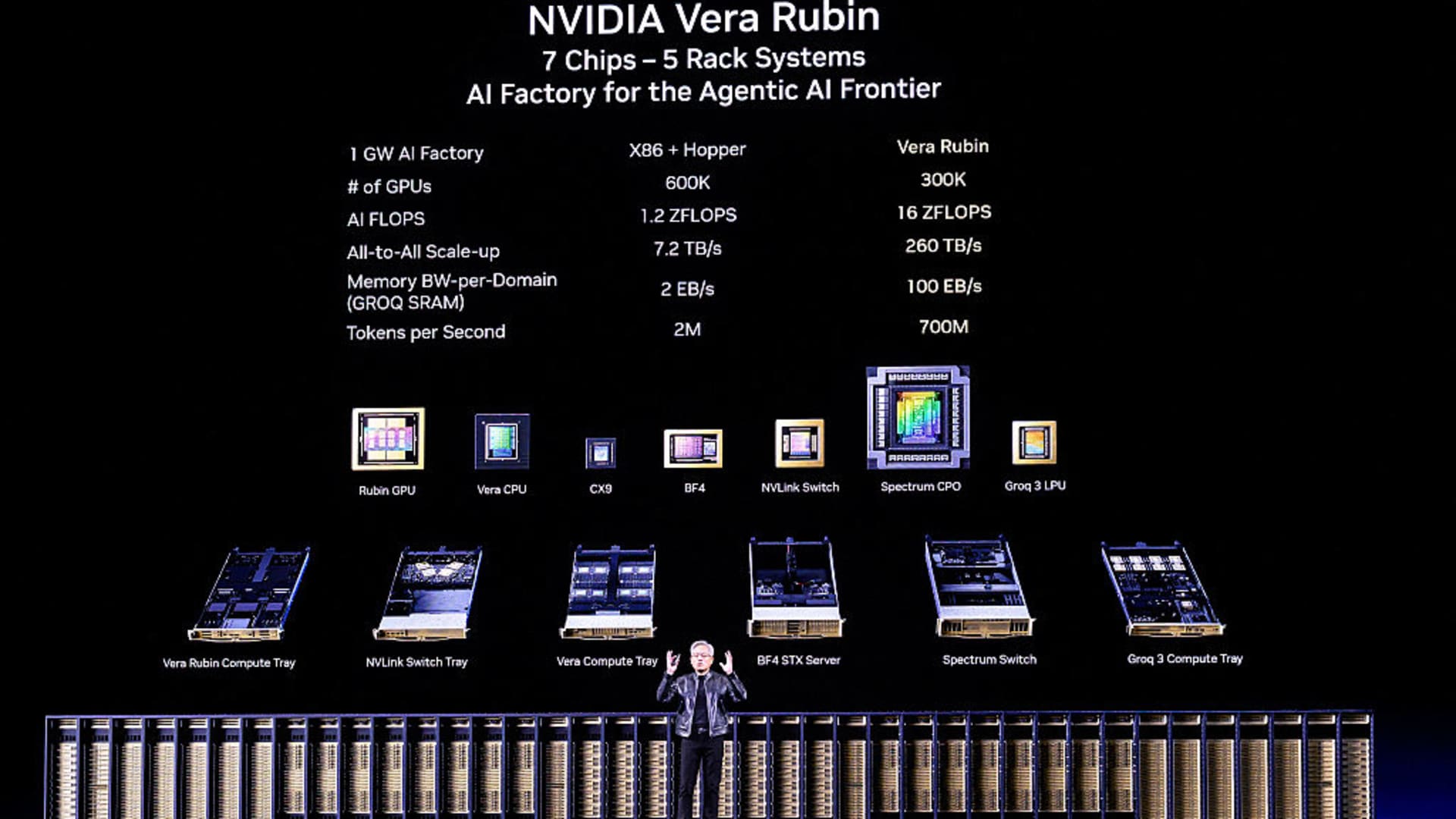
Nvidia Earnings Week Approaches, Market Anticipates Key Insights

- Nvidia Earnings Expectations: Nvidia is set to report its Q1 earnings on Wednesday, with revenue anticipated at $78.67 billion and EPS of $1.76, as analysts look for results that exceed expectations to boost stock prices and alleviate concerns about a slowing investment cycle.
- Home Depot Performance Outlook: Home Depot is expected to see only 0.8% same-store sales growth in Q1, as rising mortgage rates and a challenging economic backdrop lead analysts to predict its full-year guidance will remain flat to 2%, reflecting low market expectations for its performance.
- TJX Companies Performance: TJX anticipates a 4.1% same-store sales growth in Q1, benefiting from consumer demand for quality merchandise at affordable prices, although rising freight costs may impact margins; nonetheless, the company is viewed as a solid long-term investment.
- Google Developer Conference: Google will host its annual developer conference on Tuesday and Wednesday, with analysts warning that a lack of a
See More

Impact of AI Layoffs on Stock Performance


- Layoffs and Stock Decline: As of May 15, 56% of the 23 S&P 500 companies that announced layoffs linked to AI have seen their stock prices decline, averaging a drop of about 25%, indicating a negative market reaction that could undermine investor confidence.
- Nike's Layoff Case: Nike cut nearly 800 workers in January to accelerate automation at its U.S. distribution centers, yet by May 15, its stock was down nearly 35% from the layoff announcement, reflecting skepticism about its transformation strategy.
- Salesforce and Fiverr's Performance: Salesforce's stock fell approximately 32% after it laid off 4,000 employees last September, while Fiverr's stock plummeted 54% after cutting 30% of its workforce, suggesting that AI-driven layoffs have not effectively boosted stock prices.
- Uncertain Long-term Impact of AI: Although AI is seen as a tool for enhancing productivity, experts note that layoffs have not led to significant profit increases, leaving investors confused about AI's true impact, which may exacerbate market volatility.
See More
Alphabet Transforms AI Demand into Growth Momentum
- AI Demand Surge: Alphabet's significant increase in AI demand across Google Cloud, Gemini, Search, and enterprise tools has driven overall performance growth, indicating that its ongoing investments in technological innovation are yielding returns.
- Strong Quarterly Performance: In its latest earnings report, Alphabet showcased robust results, further solidifying market confidence in its future growth, particularly regarding the potential applications of AI technology.
- Capital Expenditure Plans: The company's plans for substantial capital expenditures raise concerns about its ability to sustain earnings growth without sacrificing free cash flow, prompting investors to closely monitor its financial health.
- Market Reaction: As of May 6, 2026, Alphabet's stock price reflects market recognition of its AI strategy, demonstrating investor optimism despite the pressures from capital expenditure, suggesting a resilient outlook for the company.
See More
Berkshire Boosts Alphabet Stake, Signaling Confidence
- Increased Stake: Under new CEO Greg Abel, Berkshire Hathaway boosted its stake in Alphabet by 224%, raising it to nearly 58 million shares worth about $23 billion, making it one of its seven largest equity holdings, signaling strong confidence in Google.
- Accelerated Revenue Growth: Alphabet's Q1 revenue rose 22% year-over-year to $109.9 billion, accelerating from 18% growth in Q4 2025, showcasing robust performance in advertising and cloud computing, further solidifying its market position.
- Strong Cloud Performance: Google Cloud's revenue surged 63% to $20 billion, with operating income tripling to $6.6 billion, indicating that its enterprise AI solutions have become a primary growth driver, suggesting significant future potential.
- Capital Expenditure Pressure: Despite strong growth, Alphabet's Q1 capital spending reached $35.7 billion, with management raising 2026 capital expenditure guidance to $180 billion to $190 billion, which may pressure free cash flow, warranting investor caution regarding potential risks.
See More
Alphabet's Competitive Edge in AI Chips
- Cost Advantage: As the expenses of building and operating AI data centers surge, Alphabet leverages its proprietary TPU chips to achieve lower operational costs, providing significant advantages in energy efficiency and cost compared to Nvidia's GPUs, thereby enhancing its competitive edge.
- Technological Leadership: Alphabet's TPU chips have reached their eighth generation, introducing two variants specifically designed for training and inference for the first time, with TPU 8t focusing on speed and TPU 8i featuring large memory, further optimizing its hardware and software stack and solidifying its leadership in the cloud computing space.
- Market Penetration: By allowing select customers to purchase TPU chips directly, Alphabet not only enhances the capabilities of Google Cloud but also opens new growth avenues, which is expected to drive revenue growth, particularly through its partnership with Broadcom.
- Model Training Advantage: Alphabet utilizes TPUs to train its world-class Gemini foundational model, enabling it to conduct model training and inference at a significantly lower cost than competitors reliant on GPUs, thus embedding the Gemini model into its search and other business areas to drive growth.
See More
The Complexity of Investing in Tech Stocks
- QQQ's Strong Performance: The Invesco QQQ ETF has delivered an average annual return of 18.98% over the past decade, with a cumulative return of 578.64%, meaning a $10,000 investment made ten years ago would now be worth $67,864, showcasing its robust performance in tech stocks.
- Risk Warning: Despite QQQ's impressive track record, it has historically faced downturns, such as the 'lost decade' following the 2000 dot-com bubble, highlighting that tech stocks are not always a safe investment and can carry significant risks.
- Defensive Nature of SPYM: The State Street SPDR Portfolio S&P 500 ETF has achieved a 15.25% average annual return over the past decade, which, while lower than QQQ, offers a low expense ratio (0.02%) and broader sector coverage, making it an ideal choice for diversification.
- Market Diversification: SPYM's tech stock allocation is 37.1%, which is less concentrated than QQQ's 64%, allowing investors to reduce portfolio volatility while potentially benefiting from capital flows into other sectors when tech stocks underperform.
See More
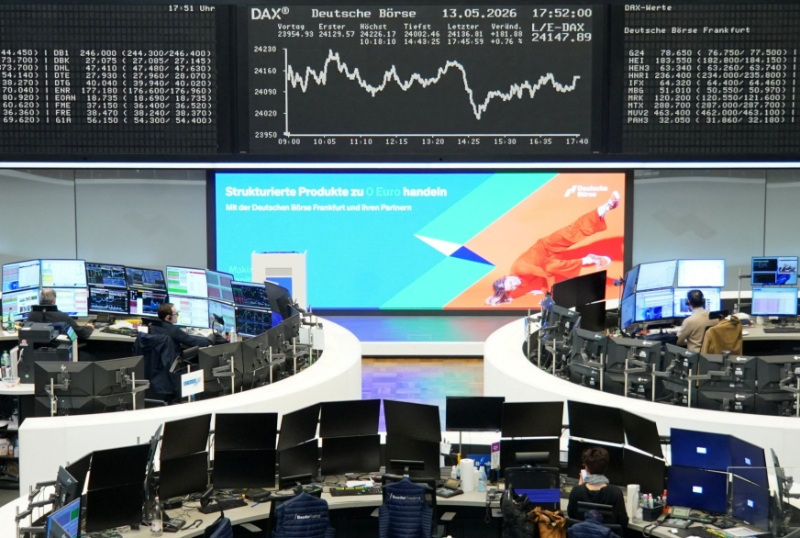
Nvidia Earnings Week Approaches, Market Anticipates Key Insights
- Nvidia Earnings Expectations: Nvidia is set to report its Q1 earnings on Wednesday, with revenue anticipated at $78.67 billion and EPS of $1.76, as analysts look for results that exceed expectations to boost stock prices and alleviate concerns about a slowing investment cycle.
- Home Depot Performance Outlook: Home Depot is expected to see only 0.8% same-store sales growth in Q1, as rising mortgage rates and a challenging economic backdrop lead analysts to predict its full-year guidance will remain flat to 2%, reflecting low market expectations for its performance.
- TJX Companies Performance: TJX anticipates a 4.1% same-store sales growth in Q1, benefiting from consumer demand for quality merchandise at affordable prices, although rising freight costs may impact margins; nonetheless, the company is viewed as a solid long-term investment.
- Google Developer Conference: Google will host its annual developer conference on Tuesday and Wednesday, with analysts warning that a lack of a
See More
Impact of AI Layoffs on Stock Performance
- Layoffs and Stock Decline: As of May 15, 56% of the 23 S&P 500 companies that announced layoffs linked to AI have seen their stock prices decline, averaging a drop of about 25%, indicating a negative market reaction that could undermine investor confidence.
- Nike's Layoff Case: Nike cut nearly 800 workers in January to accelerate automation at its U.S. distribution centers, yet by May 15, its stock was down nearly 35% from the layoff announcement, reflecting skepticism about its transformation strategy.
- Salesforce and Fiverr's Performance: Salesforce's stock fell approximately 32% after it laid off 4,000 employees last September, while Fiverr's stock plummeted 54% after cutting 30% of its workforce, suggesting that AI-driven layoffs have not effectively boosted stock prices.
- Uncertain Long-term Impact of AI: Although AI is seen as a tool for enhancing productivity, experts note that layoffs have not led to significant profit increases, leaving investors confused about AI's true impact, which may exacerbate market volatility.
See More