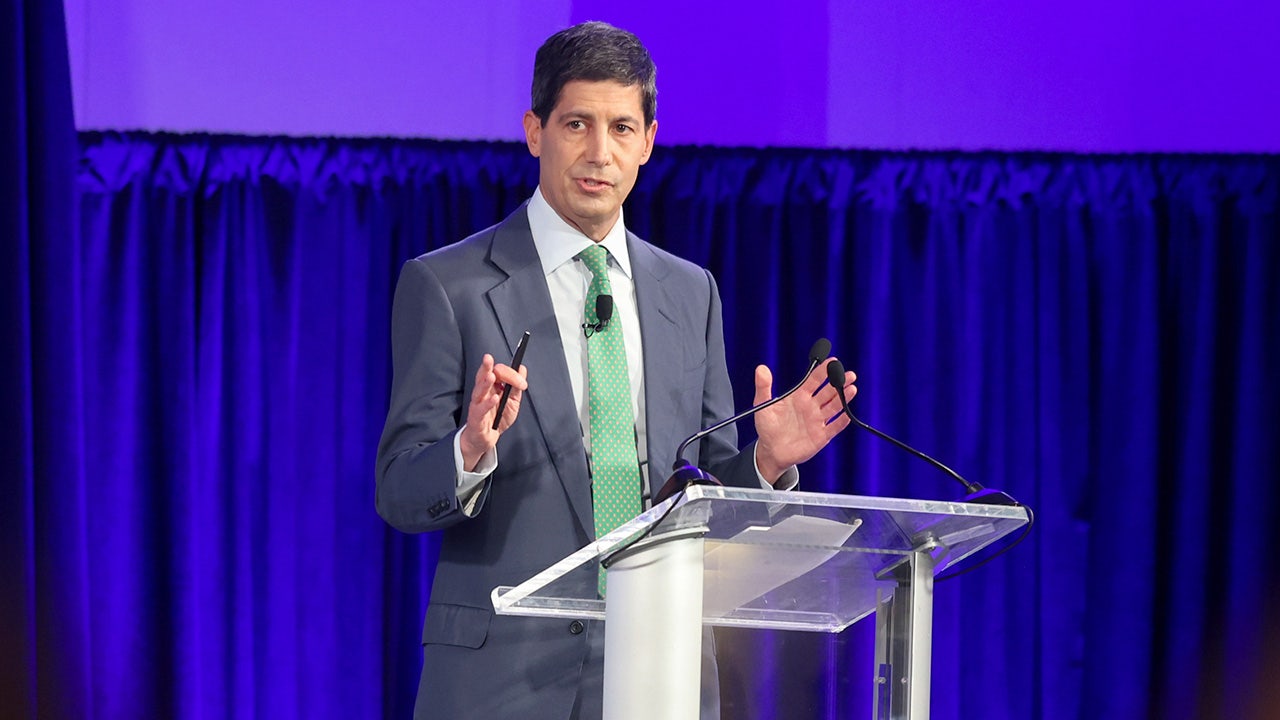
Baidu Reports 4% Revenue Decline in Q4 Earnings
Written by Emily J. Thompson, Senior Investment Analyst
Updated: Feb 26 2026
0mins

Should l Buy BIDU?
Source: Benzinga
- Revenue Performance: Baidu reported fourth-quarter revenue of $4.682 billion, a 4% year-over-year decline, although it saw a 5% quarter-over-quarter increase, indicating ongoing weakness in its core advertising business, partially offset by strong growth in its cloud segment.
- AI Cloud and Applications Growth: The AI Cloud Infrastructure generated 5.8 billion yuan in revenue during the fourth quarter, reflecting a 143% year-over-year increase, while AI Applications contributed 2.7 billion yuan, highlighting the company's ongoing investment and demand in the AI sector.
- Autonomous Driving Expansion: Apollo Go completed 3.4 million fully driverless rides in the quarter, representing over a 200% year-over-year increase, with cumulative rides surpassing 20 million, showcasing the company's leadership and technological advancements in autonomous driving.
- Financial Position and Buyback Plan: As of December 31, 2025, Baidu maintained a solid cash position of $42.06 billion and authorized a share repurchase program of up to $5 billion, alongside introducing its first dividend policy, with an initial payment expected by the end of 2026.
Trade with 70% Backtested Accuracy
Stop guessing "Should I Buy BIDU?" and start using high-conviction signals backed by rigorous historical data.
Sign up today to access powerful investing tools and make smarter, data-driven decisions.
Analyst Views on BIDU
Wall Street analysts forecast BIDU stock price to rise
13 Analyst Rating
11 Buy
2 Hold
0 Sell
Strong Buy
Current: 126.130

Low
140.00
Averages
170.39
High
215.00
Current: 126.130
Low
140.00
Averages
170.39
High
215.00
About BIDU
Baidu Inc is a Chinese language Internet search provider. The Company operates its businesses through two segments, Baidu Core segment and iQIYI segment. Baidu Core segment mainly provides search-based, feed-based, and other online marketing services, as well as products and services from the Company’s new artificial intelligence (AI) initiatives, such as display advertisement and based on performance criteria other than cost-per-click, cloud services, smart devices and services, non-marketing consumer-facing services such as membership, and intelligent driving. iQIYI segment produces, aggregates and distributes a wide variety of professionally produced content, as well as a broad spectrum of other video content, in a variety of formats, including a variety of products and services encompassing online video, online games, online literature, comics and others.
About the author

Emily J. Thompson
Emily J. Thompson, a Chartered Financial Analyst (CFA) with 12 years in investment research, graduated with honors from the Wharton School. Specializing in industrial and technology stocks, she provides in-depth analysis for Intellectia’s earnings and market brief reports.
Baidu Shares Surge on Strong Cloud Business Momentum
- Cloud Business Growth: Baidu Cloud secured 25 projects worth 1.25 billion yuan in Q1, ranking first among peers in China, demonstrating its strong competitive position in the cloud computing market.
- Revenue Forecast Upgrade: Analysts predict Baidu's AI Cloud Infra revenue will grow over 40% year-on-year, significantly exceeding the market consensus of 29%, which is likely to further boost investor confidence and drive stock price increases.
- IPO Speculation: Speculation regarding the IPO progress of Baidu's chip unit Kunlunxin has also contributed to the stock rally, reflecting market optimism about its future growth potential.
- Pricing Strategy: Baidu plans to raise fees by 5% to 30% on a range of cloud products and services starting April 18, a strategy aimed at increasing revenue and reflecting the enhanced value of its services.
See More

Uber Commits $10 Billion to Acquire Autonomous Vehicle Fleet


- Strategic Shift: Uber has announced a commitment of over $10 billion to acquire thousands of autonomous vehicles, marking a significant transition from its 'asset-light' model to owning a fleet, aimed at countering threats from competitors like Waymo and Tesla.
- Market Response: This move not only surpasses last year's $9.8 billion in free cash flow but also demonstrates Uber's determination in the autonomous driving sector, with plans to launch robotaxi services in 15 cities, further solidifying its market position.
- Partnerships: Uber's investment will involve collaborations with companies like Lucid, Rivian, and China's Baidu, aiming to ensure supply chain stability and enhance its competitiveness in the autonomous driving market.
- Financial Pressure: While this investment may increase financial burdens, analysts view it as a necessary step for Uber to adapt to market changes and achieve long-term growth, especially in competition with giants like Amazon and Alphabet.
See More
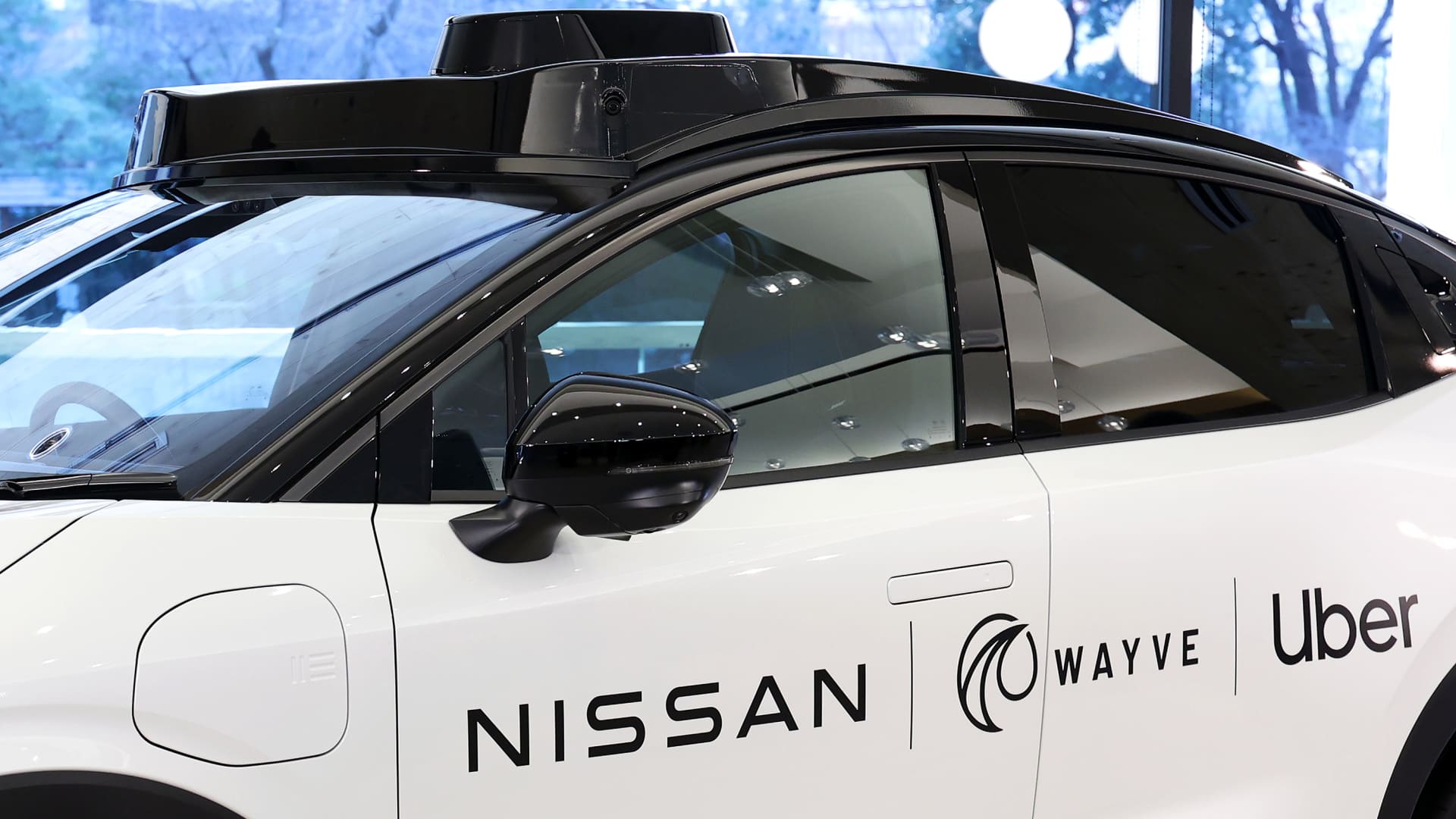
Wayve Secures $60 Million Funding to Advance Autonomous Driving Technology


- Funding Update: British autonomous driving startup Wayve announced on Wednesday that it raised $60 million from Qualcomm, AMD, and Arm, marking a follow-on investment to its $1.2 billion funding round in February, highlighting its appeal and potential in the autonomous driving sector.
- Technological Edge: Wayve's technology aims to enable cars to drive autonomously without the need for high-definition maps or extensive training in specific areas, presenting a distinct approach compared to competitors like Waymo, which could accelerate its market penetration.
- Collaborative Prospects: Wayve has signed a commercial agreement with Nissan to integrate its AI technology into Nissan's driver-assistance systems, while also collaborating with Uber to develop robotaxis, indicating its intent to expand in global markets and commercialize its offerings.
- Market Competition: Wayve is testing its driverless cars in the U.K., Germany, Japan, and the U.S., facing fierce competition from Waymo and Chinese players like Baidu, WeRide, and Pony.ai, which will impact its market share and the speed of technology adoption.
See More

Wayve Secures $60 Million Investment from Major Tech Firms
- Funding Background: Wayve announced a $60 million follow-on investment from Qualcomm, AMD, and Arm, part of its $1.2 billion funding round from February, demonstrating its ongoing appeal in the autonomous driving sector.
- Technological Advantage: Wayve's technology aims to enable autonomous driving without the need for high-definition maps or extensive localized training, contrasting sharply with competitors like Waymo, potentially providing a competitive edge in the market.
- Market Expansion: Currently testing its driverless cars in the U.K., Germany, Japan, and the U.S., Wayve has signed a commercial deal with Nissan to integrate its AI into Nissan's driver-assistance systems, further pushing towards technology commercialization.
- Competitive Pressure: Despite backing from major semiconductor firms, Wayve faces intense competition from Waymo and Chinese players like Baidu, who are expanding their driverless technology offerings internationally, which could impact Wayve's market share.
See More
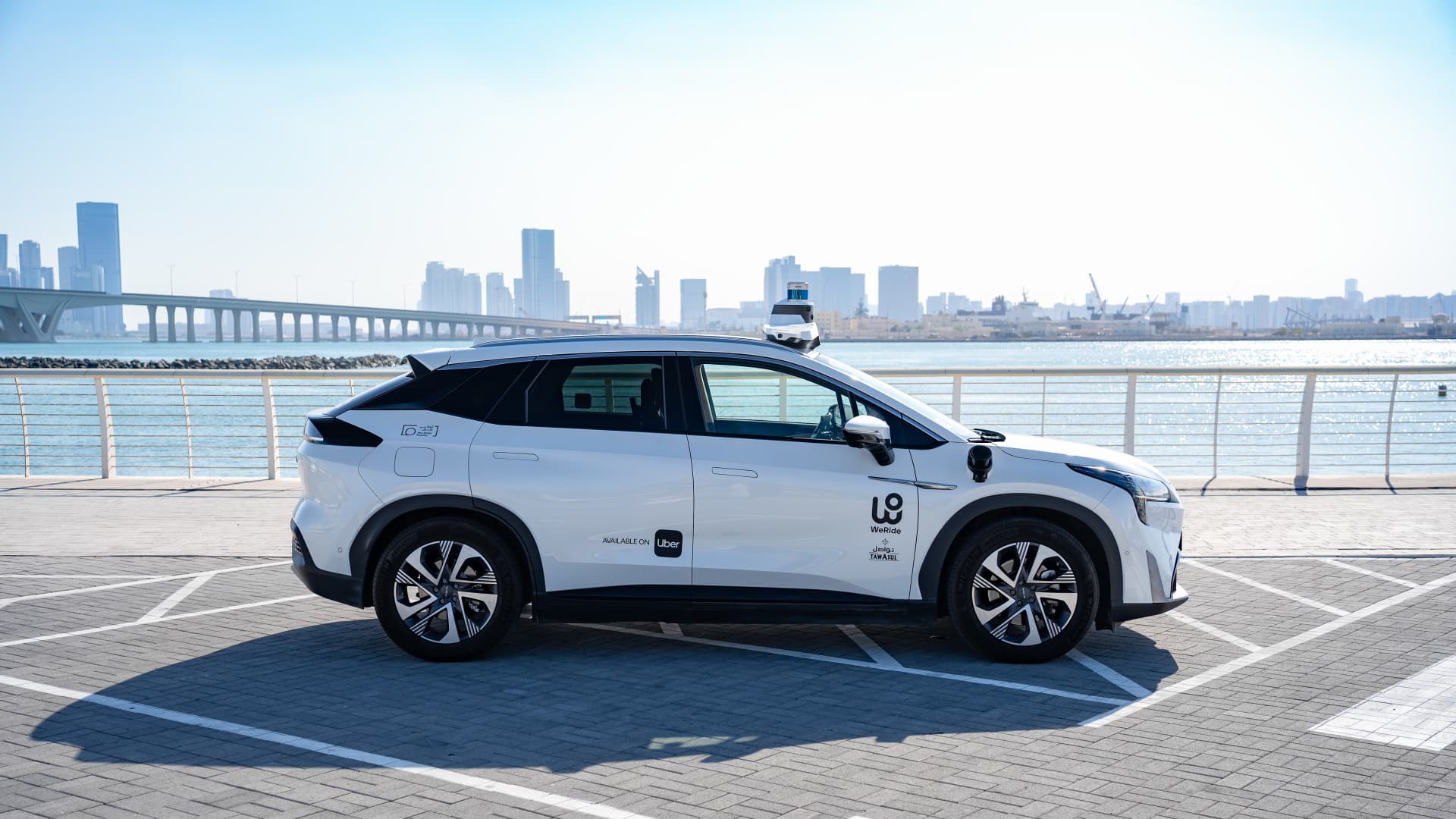
Didi Launches First Robotaxi Test in UAE
- International Expansion Plans: Didi plans to initiate its first overseas robotaxi test in the UAE later this year, marking a significant step in its global strategy aimed at enhancing international competitiveness.
- Market Collaboration Dynamics: Didi's growing collaboration with local governments and businesses in Abu Dhabi, particularly following a meeting with the Crown Prince, underscores the increasing influence of Chinese firms in the Middle Eastern market.
- Competitive Landscape Analysis: In addition to Didi, Guangzhou-based WeRide and Pony.ai are also actively expanding in the UAE, with WeRide launching a fully driverless fare-charging robotaxi service in Dubai, indicating intensifying competition among Chinese robotaxi companies on the global stage.
- Future Development Prospects: With the rapid growth of the Middle Eastern market, over 1,000 robotaxis are expected to be operational in Dubai over the next few years, which will not only drive innovation in local transportation services but also provide new growth opportunities for Chinese companies in the international market.
See More
Chinese Robotaxi Companies Expand into Middle East
- Market Expansion Plans: At least three Chinese robotaxi companies are accelerating their entry into the Middle East market despite the ongoing Iran war, indicating their confidence and strategic positioning in international markets.
- Didi Testing Plans: Didi plans to conduct its first overseas robotaxi test in the UAE later this year, marking a significant step in its global expansion strategy.
- WeRide Service Launch: Guangzhou-based WeRide has launched a fully driverless, fare-charging robotaxi service in Dubai's Jumeirah and Umm Suqeim districts, allowing riders to book through Uber's app, showcasing its successful entry into the international market.
- Pony.ai and Baidu Progress: Pony.ai and Baidu's Apollo Go are also actively pursuing commercial operations in Dubai, with Pony.ai having received testing permission from the local transport authority, while Apollo Go plans to roll out over 1,000 robotaxis in the coming years, demonstrating the competitiveness of Chinese firms in the global autonomous driving sector.
See More
Baidu Shares Surge on Strong Cloud Business Momentum
- Cloud Business Growth: Baidu Cloud secured 25 projects worth 1.25 billion yuan in Q1, ranking first among peers in China, demonstrating its strong competitive position in the cloud computing market.
- Revenue Forecast Upgrade: Analysts predict Baidu's AI Cloud Infra revenue will grow over 40% year-on-year, significantly exceeding the market consensus of 29%, which is likely to further boost investor confidence and drive stock price increases.
- IPO Speculation: Speculation regarding the IPO progress of Baidu's chip unit Kunlunxin has also contributed to the stock rally, reflecting market optimism about its future growth potential.
- Pricing Strategy: Baidu plans to raise fees by 5% to 30% on a range of cloud products and services starting April 18, a strategy aimed at increasing revenue and reflecting the enhanced value of its services.
See More
Uber Commits $10 Billion to Acquire Autonomous Vehicle Fleet
- Strategic Shift: Uber has announced a commitment of over $10 billion to acquire thousands of autonomous vehicles, marking a significant transition from its 'asset-light' model to owning a fleet, aimed at countering threats from competitors like Waymo and Tesla.
- Market Response: This move not only surpasses last year's $9.8 billion in free cash flow but also demonstrates Uber's determination in the autonomous driving sector, with plans to launch robotaxi services in 15 cities, further solidifying its market position.
- Partnerships: Uber's investment will involve collaborations with companies like Lucid, Rivian, and China's Baidu, aiming to ensure supply chain stability and enhance its competitiveness in the autonomous driving market.
- Financial Pressure: While this investment may increase financial burdens, analysts view it as a necessary step for Uber to adapt to market changes and achieve long-term growth, especially in competition with giants like Amazon and Alphabet.
See More
Wayve Secures $60 Million Funding to Advance Autonomous Driving Technology
- Funding Update: British autonomous driving startup Wayve announced on Wednesday that it raised $60 million from Qualcomm, AMD, and Arm, marking a follow-on investment to its $1.2 billion funding round in February, highlighting its appeal and potential in the autonomous driving sector.
- Technological Edge: Wayve's technology aims to enable cars to drive autonomously without the need for high-definition maps or extensive training in specific areas, presenting a distinct approach compared to competitors like Waymo, which could accelerate its market penetration.
- Collaborative Prospects: Wayve has signed a commercial agreement with Nissan to integrate its AI technology into Nissan's driver-assistance systems, while also collaborating with Uber to develop robotaxis, indicating its intent to expand in global markets and commercialize its offerings.
- Market Competition: Wayve is testing its driverless cars in the U.K., Germany, Japan, and the U.S., facing fierce competition from Waymo and Chinese players like Baidu, WeRide, and Pony.ai, which will impact its market share and the speed of technology adoption.
See More
Wayve Secures $60 Million Investment from Major Tech Firms
- Funding Background: Wayve announced a $60 million follow-on investment from Qualcomm, AMD, and Arm, part of its $1.2 billion funding round from February, demonstrating its ongoing appeal in the autonomous driving sector.
- Technological Advantage: Wayve's technology aims to enable autonomous driving without the need for high-definition maps or extensive localized training, contrasting sharply with competitors like Waymo, potentially providing a competitive edge in the market.
- Market Expansion: Currently testing its driverless cars in the U.K., Germany, Japan, and the U.S., Wayve has signed a commercial deal with Nissan to integrate its AI into Nissan's driver-assistance systems, further pushing towards technology commercialization.
- Competitive Pressure: Despite backing from major semiconductor firms, Wayve faces intense competition from Waymo and Chinese players like Baidu, who are expanding their driverless technology offerings internationally, which could impact Wayve's market share.
See More
Didi Launches First Robotaxi Test in UAE
- International Expansion Plans: Didi plans to initiate its first overseas robotaxi test in the UAE later this year, marking a significant step in its global strategy aimed at enhancing international competitiveness.
- Market Collaboration Dynamics: Didi's growing collaboration with local governments and businesses in Abu Dhabi, particularly following a meeting with the Crown Prince, underscores the increasing influence of Chinese firms in the Middle Eastern market.
- Competitive Landscape Analysis: In addition to Didi, Guangzhou-based WeRide and Pony.ai are also actively expanding in the UAE, with WeRide launching a fully driverless fare-charging robotaxi service in Dubai, indicating intensifying competition among Chinese robotaxi companies on the global stage.
- Future Development Prospects: With the rapid growth of the Middle Eastern market, over 1,000 robotaxis are expected to be operational in Dubai over the next few years, which will not only drive innovation in local transportation services but also provide new growth opportunities for Chinese companies in the international market.
See More
Chinese Robotaxi Companies Expand into Middle East
- Market Expansion Plans: At least three Chinese robotaxi companies are accelerating their entry into the Middle East market despite the ongoing Iran war, indicating their confidence and strategic positioning in international markets.
- Didi Testing Plans: Didi plans to conduct its first overseas robotaxi test in the UAE later this year, marking a significant step in its global expansion strategy.
- WeRide Service Launch: Guangzhou-based WeRide has launched a fully driverless, fare-charging robotaxi service in Dubai's Jumeirah and Umm Suqeim districts, allowing riders to book through Uber's app, showcasing its successful entry into the international market.
- Pony.ai and Baidu Progress: Pony.ai and Baidu's Apollo Go are also actively pursuing commercial operations in Dubai, with Pony.ai having received testing permission from the local transport authority, while Apollo Go plans to roll out over 1,000 robotaxis in the coming years, demonstrating the competitiveness of Chinese firms in the global autonomous driving sector.
See More