AVEM Stock Performance Analysis and ETF Dynamics
Written by Emily J. Thompson, Senior Investment Analyst
Updated: Feb 27 2026
0mins


Source: NASDAQ.COM
- Price Range Analysis: AVEM's 52-week low is $52.52 and high is $89.75, with the last trade at $88.50, indicating the stock is trading near its high, reflecting market optimism about its future performance.
- Technical Analysis Tool: Comparing the recent share price to the 200-day moving average can provide investors with valuable insights for technical analysis, aiding in the assessment of price trends and potential buy or sell opportunities.
- ETF Trading Mechanism: Exchange-traded funds (ETFs) trade like stocks, where investors buy and sell 'units' that can be created or destroyed based on investor demand, impacting the liquidity and market performance of the ETF.
- Inflows and Outflows Monitoring: Weekly monitoring of changes in shares outstanding for ETFs helps identify those experiencing significant inflows (new units created) or outflows (old units destroyed), allowing for an assessment of their impact on underlying assets and market trends.
Trade with 70% Backtested Accuracy
Stop guessing "Should I Buy TSM?" and start using high-conviction signals backed by rigorous historical data.
Sign up today to access powerful investing tools and make smarter, data-driven decisions.
Analyst Views on TSM
Wall Street analysts forecast TSM stock price to fall
8 Analyst Rating
7 Buy
1 Hold
0 Sell
Strong Buy
Current: 424.860

Low
63.24
Averages
313.46
High
390.00
Current: 424.860
Low
63.24
Averages
313.46
High
390.00
About TSM
Taiwan Semiconductor Manufacturing Co Ltd is a Taiwan-based integrated circuit foundry service provider. The Company is primarily engaged in integrated circuit manufacturing services. It offers advanced process technologies, specialised process solutions, advanced photomask and silicon stacking, and packaging-related technologies, while supporting a comprehensive design ecosystem. The Company's products serve diverse electronic sectors including artificial intelligence, high-performance computing, wired and wireless communications, automotive and industrial equipment, personal computing, information applications, consumer electronics, smart internet of things, and wearable devices.
About the author

Emily J. Thompson
Emily J. Thompson, a Chartered Financial Analyst (CFA) with 12 years in investment research, graduated with honors from the Wharton School. Specializing in industrial and technology stocks, she provides in-depth analysis for Intellectia’s earnings and market brief reports.

Investment Opportunities Amid Market Downturns

- Market Downturn Opportunities: During market downturns, many large tech stocks saw valuations drop to recent lows, with investors buying back in March, leading to a 24.7% rise in the Nasdaq Composite and a 15.9% increase in the S&P 500 since April 1, both hitting new highs.
- Valuation Spike Risks: The Shiller P/E ratio has surged to 42 due to the recent rally, nearing levels last seen before the 1999 market crash, indicating potential risks of another downturn, which investors should monitor closely.
- TSMC Market Dominance: Taiwan Semiconductor Manufacturing Company (TSMC) controls 72% of the global foundry market and over 90% of the advanced chip market, leveraging its scale and technological advantages to maintain a strong competitive edge.
- Strong Return Performance: TSMC has risen 40% year-to-date and 119% over the past 12 months, averaging a 33% annualized return, indicating robust performance in the tech sector, making it a potential buy during market corrections.
See More

Nvidia Projects Data Center Spending to Reach $1 Trillion

- Data Center Spending Forecast: Nvidia anticipates that capital expenditures for data centers will reach $1 trillion by 2027, which will drive the entire industry towards an annual spending of $3 trillion to $4 trillion by 2030, indicating strong market demand and growth potential for AI technologies.
- Nvidia's Growth Potential: As the leading provider of AI computing units, Nvidia is expected to achieve a 39% revenue growth rate with the upcoming launch of its Rubin architecture platform, and while market analysts remain cautious, its capital expenditure trajectory could lead to even higher growth.
- Taiwan Semiconductor's Market Position: Taiwan Semiconductor, the primary manufacturer of Nvidia's chips, expects its AI chip business to grow at nearly a 60% compound annual growth rate from 2024 to 2029, and despite a 26 times forward P/E ratio, it remains a solid investment choice amid strong AI market demand.
- Micron's Supply-Demand Dynamics: Micron's memory chip market is nearly sold out due to surging AI demand, with expectations to meet only 50% to 66% of medium-term demand by 2026, leading to skyrocketing memory chip prices and a projected tripling of revenue, positioning Micron as a key player for investors capitalizing on memory chip demand.
See More
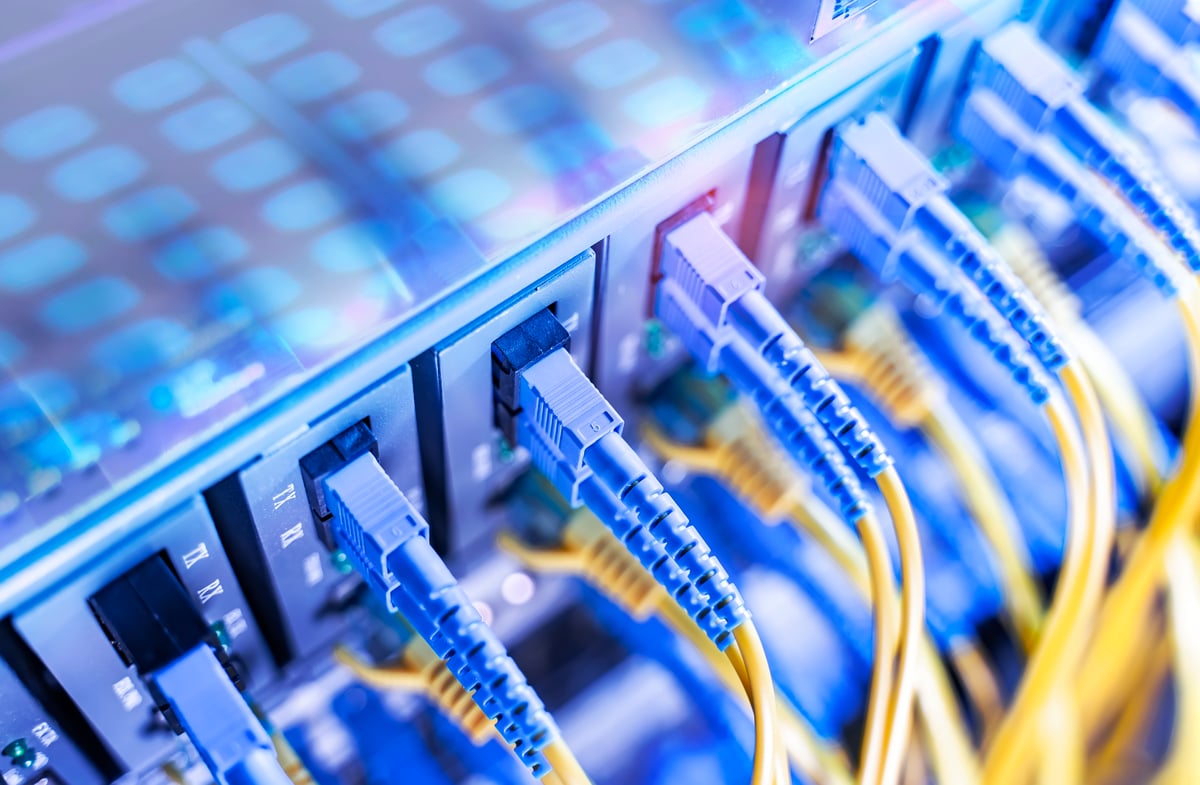
AI Drives Strong Growth for Lumentum and Applied Materials

- Lumentum Performance Surge: In the first nine months of fiscal 2026, Lumentum's revenue soared 72% year-over-year to over $2 billion, with current quarter revenue expected to exceed $985 million, indicating sustained AI-driven demand that strengthens its leadership in the photonics market.
- Significant Profitability Boost: Lumentum's earnings per share increased 4.5 times year-over-year to $5.27 in the first nine months of fiscal 2026, with robust revenue growth poised to enhance profitability, justifying its high 56 times P/E ratio as investors consider entry points.
- Applied Materials Growth Acceleration: Applied Materials reported an 11% year-over-year revenue increase to $7.91 billion in Q2 of fiscal 2026, with current quarter revenue projected to reach $8.95 billion, reflecting a strong 23% year-over-year growth driven by robust AI chip demand.
- Optimistic Market Outlook: Applied Materials anticipates over 30% growth in its semiconductor equipment business in 2026, bolstered by partnerships with industry leaders to develop AI-focused equipment, leading analysts to significantly raise earnings expectations and reflect strong market confidence.
See More

Lumentum and Applied Materials Show Strong Growth Amid AI Demand
- Lumentum Revenue Surge: Lumentum's revenue increased by 72% year-over-year in the first nine months of fiscal 2026, surpassing $2 billion, with current quarter guidance suggesting revenue could double to $985 million from $480.7 million last year, indicating robust demand driven by AI infrastructure.
- Profitability Enhancement: Lumentum's earnings per share soared 4.5 times year-over-year to $5.27 in the first nine months of fiscal 2026, reflecting high margins from its data center products and signaling sustained profitability growth ahead.
- Applied Materials Performance Recovery: Applied Materials reported an 11% year-over-year revenue increase in Q2 2026, reaching $7.91 billion, with earnings per share rising 20% to $2.86, showcasing a strong rebound in the semiconductor equipment market.
- Future Growth Outlook: The company anticipates $8.95 billion in revenue for the current quarter, a 23% increase, with earnings expected to grow by 36%, and forecasts over 30% growth in its semiconductor equipment business in 2026, solidifying its market position.
See More

Elwood Capital Fully Exits Wix.com Position


- Liquidation Trade: Elwood Capital disclosed in an SEC filing that it fully liquidated its 52,033 shares in Wix.com during Q1 2026, with an estimated trade value of $4.35 million, reflecting a pessimistic outlook on the company's future performance.
- Position Change: This transaction reduced Elwood's stake in Wix.com from 3.2% to zero, with a net position change of $5.41 million, indicating concerns over market volatility and the company's profitability.
- Performance Metrics: Despite Wix.com reporting a 14% year-over-year revenue increase to $541 million in Q1 and achieving an annual recurring revenue of $1.9 billion, it still posted a GAAP net loss of $57.5 million, highlighting ongoing profitability challenges.
- Market Reaction: Wix.com's stock price has plummeted 63% over the past year, significantly underperforming the S&P 500's 28% gain, which may dampen investor confidence further, and Elwood's exit could exacerbate negative sentiment around the stock.
See More

TSMC's Dominance in the Semiconductor Market

- Market Leadership: TSMC has achieved a near-monopoly in the semiconductor industry through its advanced chip manufacturing technology and scale, relying on all logic chip designers, ensuring the company continues to benefit amid growing demand for AI accelerators and CPUs.
- Significant Investment Returns: Glen Kacher, founder of Light Street Capital, has demonstrated outstanding performance over the past three years, with his fund generating returns of 45.7%, 59.4%, and 37.3% in 2023, 2024, and 2025 respectively, showcasing the success of his investment strategy in the semiconductor sector.
- Custom Chip Market Potential: Broadcom shows immense growth potential in its custom AI chip business, with projected revenues exceeding $100 billion by fiscal 2027, while analysts forecast AI revenues to reach $180 billion by fiscal 2028, reflecting strong demand in the data center market.
- AMD's Growth Opportunities: AMD is poised to capitalize on the growth of agentic AI and inference markets through its chip design, with two contracts worth approximately $100 billion each, further solidifying its leadership in the data center CPU market and showcasing robust growth prospects.
See More
Investment Opportunities Amid Market Downturns
- Market Downturn Opportunities: During market downturns, many large tech stocks saw valuations drop to recent lows, with investors buying back in March, leading to a 24.7% rise in the Nasdaq Composite and a 15.9% increase in the S&P 500 since April 1, both hitting new highs.
- Valuation Spike Risks: The Shiller P/E ratio has surged to 42 due to the recent rally, nearing levels last seen before the 1999 market crash, indicating potential risks of another downturn, which investors should monitor closely.
- TSMC Market Dominance: Taiwan Semiconductor Manufacturing Company (TSMC) controls 72% of the global foundry market and over 90% of the advanced chip market, leveraging its scale and technological advantages to maintain a strong competitive edge.
- Strong Return Performance: TSMC has risen 40% year-to-date and 119% over the past 12 months, averaging a 33% annualized return, indicating robust performance in the tech sector, making it a potential buy during market corrections.
See More
Nvidia Projects Data Center Spending to Reach $1 Trillion
- Data Center Spending Forecast: Nvidia anticipates that capital expenditures for data centers will reach $1 trillion by 2027, which will drive the entire industry towards an annual spending of $3 trillion to $4 trillion by 2030, indicating strong market demand and growth potential for AI technologies.
- Nvidia's Growth Potential: As the leading provider of AI computing units, Nvidia is expected to achieve a 39% revenue growth rate with the upcoming launch of its Rubin architecture platform, and while market analysts remain cautious, its capital expenditure trajectory could lead to even higher growth.
- Taiwan Semiconductor's Market Position: Taiwan Semiconductor, the primary manufacturer of Nvidia's chips, expects its AI chip business to grow at nearly a 60% compound annual growth rate from 2024 to 2029, and despite a 26 times forward P/E ratio, it remains a solid investment choice amid strong AI market demand.
- Micron's Supply-Demand Dynamics: Micron's memory chip market is nearly sold out due to surging AI demand, with expectations to meet only 50% to 66% of medium-term demand by 2026, leading to skyrocketing memory chip prices and a projected tripling of revenue, positioning Micron as a key player for investors capitalizing on memory chip demand.
See More
AI Drives Strong Growth for Lumentum and Applied Materials
- Lumentum Performance Surge: In the first nine months of fiscal 2026, Lumentum's revenue soared 72% year-over-year to over $2 billion, with current quarter revenue expected to exceed $985 million, indicating sustained AI-driven demand that strengthens its leadership in the photonics market.
- Significant Profitability Boost: Lumentum's earnings per share increased 4.5 times year-over-year to $5.27 in the first nine months of fiscal 2026, with robust revenue growth poised to enhance profitability, justifying its high 56 times P/E ratio as investors consider entry points.
- Applied Materials Growth Acceleration: Applied Materials reported an 11% year-over-year revenue increase to $7.91 billion in Q2 of fiscal 2026, with current quarter revenue projected to reach $8.95 billion, reflecting a strong 23% year-over-year growth driven by robust AI chip demand.
- Optimistic Market Outlook: Applied Materials anticipates over 30% growth in its semiconductor equipment business in 2026, bolstered by partnerships with industry leaders to develop AI-focused equipment, leading analysts to significantly raise earnings expectations and reflect strong market confidence.
See More
Lumentum and Applied Materials Show Strong Growth Amid AI Demand
- Lumentum Revenue Surge: Lumentum's revenue increased by 72% year-over-year in the first nine months of fiscal 2026, surpassing $2 billion, with current quarter guidance suggesting revenue could double to $985 million from $480.7 million last year, indicating robust demand driven by AI infrastructure.
- Profitability Enhancement: Lumentum's earnings per share soared 4.5 times year-over-year to $5.27 in the first nine months of fiscal 2026, reflecting high margins from its data center products and signaling sustained profitability growth ahead.
- Applied Materials Performance Recovery: Applied Materials reported an 11% year-over-year revenue increase in Q2 2026, reaching $7.91 billion, with earnings per share rising 20% to $2.86, showcasing a strong rebound in the semiconductor equipment market.
- Future Growth Outlook: The company anticipates $8.95 billion in revenue for the current quarter, a 23% increase, with earnings expected to grow by 36%, and forecasts over 30% growth in its semiconductor equipment business in 2026, solidifying its market position.
See More
Elwood Capital Fully Exits Wix.com Position
- Liquidation Trade: Elwood Capital disclosed in an SEC filing that it fully liquidated its 52,033 shares in Wix.com during Q1 2026, with an estimated trade value of $4.35 million, reflecting a pessimistic outlook on the company's future performance.
- Position Change: This transaction reduced Elwood's stake in Wix.com from 3.2% to zero, with a net position change of $5.41 million, indicating concerns over market volatility and the company's profitability.
- Performance Metrics: Despite Wix.com reporting a 14% year-over-year revenue increase to $541 million in Q1 and achieving an annual recurring revenue of $1.9 billion, it still posted a GAAP net loss of $57.5 million, highlighting ongoing profitability challenges.
- Market Reaction: Wix.com's stock price has plummeted 63% over the past year, significantly underperforming the S&P 500's 28% gain, which may dampen investor confidence further, and Elwood's exit could exacerbate negative sentiment around the stock.
See More
TSMC's Dominance in the Semiconductor Market
- Market Leadership: TSMC has achieved a near-monopoly in the semiconductor industry through its advanced chip manufacturing technology and scale, relying on all logic chip designers, ensuring the company continues to benefit amid growing demand for AI accelerators and CPUs.
- Significant Investment Returns: Glen Kacher, founder of Light Street Capital, has demonstrated outstanding performance over the past three years, with his fund generating returns of 45.7%, 59.4%, and 37.3% in 2023, 2024, and 2025 respectively, showcasing the success of his investment strategy in the semiconductor sector.
- Custom Chip Market Potential: Broadcom shows immense growth potential in its custom AI chip business, with projected revenues exceeding $100 billion by fiscal 2027, while analysts forecast AI revenues to reach $180 billion by fiscal 2028, reflecting strong demand in the data center market.
- AMD's Growth Opportunities: AMD is poised to capitalize on the growth of agentic AI and inference markets through its chip design, with two contracts worth approximately $100 billion each, further solidifying its leadership in the data center CPU market and showcasing robust growth prospects.
See More