ASTS BlueBird-7 Satellite Launch Fails to Reach Intended Orbit
Written by Emily J. Thompson, Senior Investment Analyst
Updated: 1 hour ago
0mins
Should l Buy ASTS?
Source: stocktwits
- Launch Failure Impact: ASTS's BlueBird-7 satellite failed to reach its intended orbit post-launch, resulting in a 15% drop in stock price during Sunday trading, compounding the previous week's 10% decline and increasing market pressure on the company.
- Insurance Compensation Assurance: Despite the orbital failure, ASTS indicated that the satellite's costs are expected to be covered by its insurance policy, providing a financial buffer against the losses incurred from this setback.
- Ongoing Satellite Production: ASTS continues to produce its BlueBird satellite series, with BlueBird-8 through BlueBird-10 expected to be ready for shipment within 30 days, demonstrating the company's commitment to advancing its space broadband network strategy despite challenges.
- Market Sentiment Recovery: Retail traders on Stocktwits have shown increased optimism, with sentiment rising from “bullish” to “extremely bullish” despite the launch failure, indicating a belief in ASTS's future potential even amid heightened stock price volatility.
Trade with 70% Backtested Accuracy
Stop guessing "Should I Buy ASTS?" and start using high-conviction signals backed by rigorous historical data.
Sign up today to access powerful investing tools and make smarter, data-driven decisions.
Analyst Views on ASTS
Wall Street analysts forecast ASTS stock price to rise
8 Analyst Rating
3 Buy
4 Hold
1 Sell
Hold
Current: 90.940

Low
43.00
Averages
91.68
High
137.00
Current: 90.940
Low
43.00
Averages
91.68
High
137.00
About ASTS
AST SpaceMobile, Inc. is engaged in building a global cellular broadband network in space to operate directly with standard, unmodified mobile devices based on its intellectual property (IP) and patent portfolio and designed for both commercial and government applications. The Company is engaged in designing and developing the constellation of BlueBird (BB) satellites and has planned space-based Cellular Broadband network distributed through a constellation of low Earth orbit (LEO) satellites. Its SpaceMobile Service is being designed to provide high-speed cellular broadband services to end-users who are out of terrestrial cellular coverage using existing mobile devices. The Company intends to continue testing capabilities of the BW3 test satellite, including further testing with cellular service providers and the government. The Company has operations in India, Scotland, Spain, and Israel.
About the author

Emily J. Thompson
Emily J. Thompson, a Chartered Financial Analyst (CFA) with 12 years in investment research, graduated with honors from the Wharton School. Specializing in industrial and technology stocks, she provides in-depth analysis for Intellectia’s earnings and market brief reports.
AST SpaceMobile's BlueBird 7 Launch Fails to Achieve Orbit

- Launch Failure: AST SpaceMobile's BlueBird 7 satellite failed to reach its intended orbit during the New Glenn rocket launch, as it was placed in a lower orbit than planned, rendering it unable to operate and leading to its de-orbiting.
- Insurance Coverage: The costs associated with BlueBird 7 are expected to be covered by the company's insurance policy, which will mitigate the financial impact of the launch failure, although the negative repercussions remain significant.
- Future Launch Plans: The company anticipates conducting an orbital launch every one to two months in 2026, aiming to have approximately 45 satellites in orbit by the end of the year, thereby advancing its space-based cellular network initiative.
- Production Progress: Currently, AST SpaceMobile is producing BlueBird 32, with BlueBird 8 to 10 expected to be ready for shipment in about 30 days, indicating the company's ongoing commitment to expanding its satellite network.
See More
ASTS BlueBird-7 Satellite Launch Fails to Reach Intended Orbit
- Launch Failure Impact: ASTS's BlueBird-7 satellite failed to reach its intended orbit post-launch, resulting in a 15% drop in stock price during Sunday trading, compounding the previous week's 10% decline and increasing market pressure on the company.
- Insurance Compensation Assurance: Despite the orbital failure, ASTS indicated that the satellite's costs are expected to be covered by its insurance policy, providing a financial buffer against the losses incurred from this setback.
- Ongoing Satellite Production: ASTS continues to produce its BlueBird satellite series, with BlueBird-8 through BlueBird-10 expected to be ready for shipment within 30 days, demonstrating the company's commitment to advancing its space broadband network strategy despite challenges.
- Market Sentiment Recovery: Retail traders on Stocktwits have shown increased optimism, with sentiment rising from “bullish” to “extremely bullish” despite the launch failure, indicating a belief in ASTS's future potential even amid heightened stock price volatility.
See More
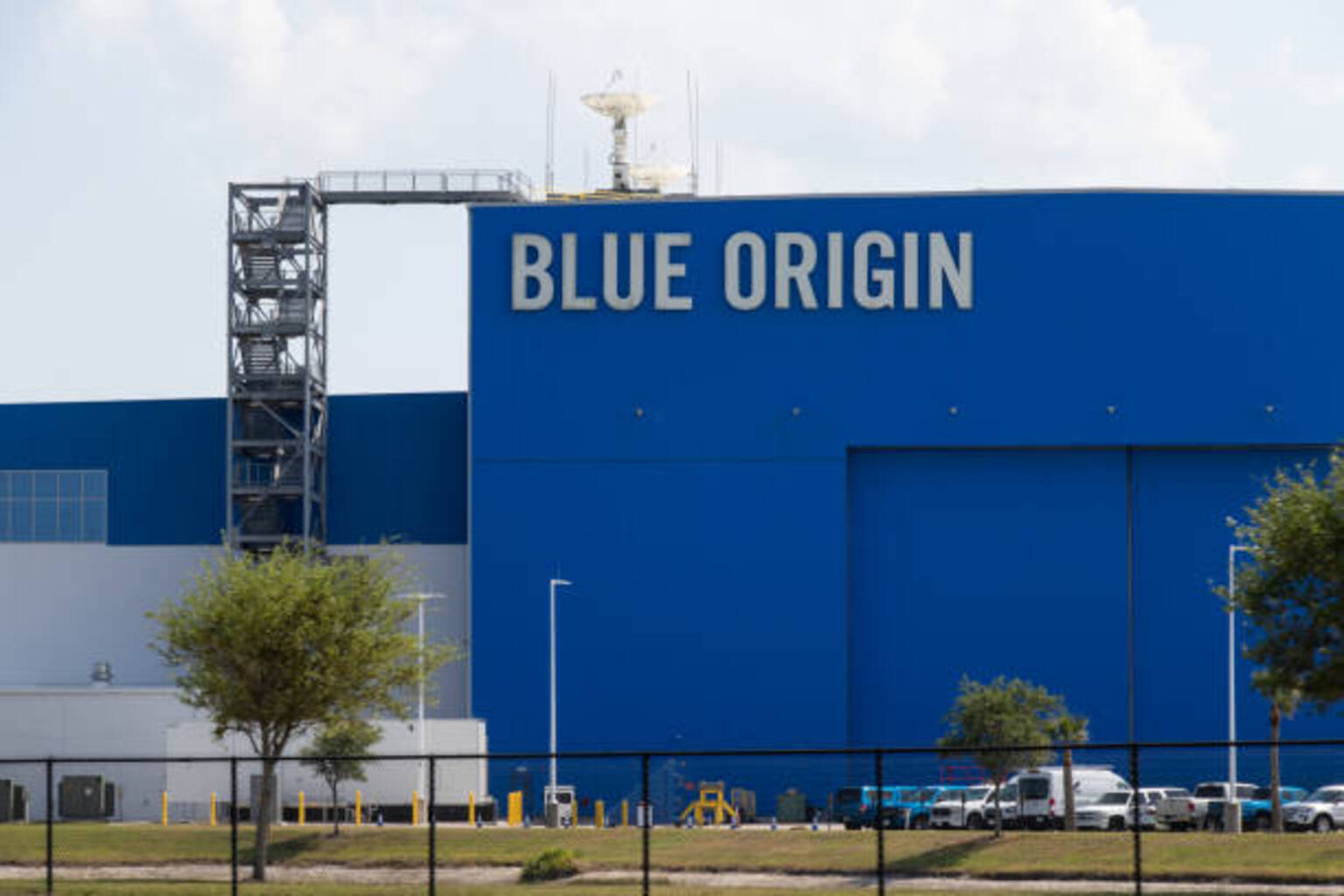
Blue Origin Successfully Launches New Glenn Rocket
- First Reuse Success: Blue Origin successfully reused a booster during its third New Glenn mission, marking a significant advancement in rocket recovery technology, although the payload failed to reach its intended orbit, highlighting the complexities of implementation.
- Launch Timing and Location: The rocket lifted off from Cape Canaveral, Florida, at 7:25 a.m. local time, and approximately 10 minutes later, the reusable first-stage booster landed on a barge in the Atlantic Ocean, demonstrating its recovery capabilities.
- Satellite Mission Challenges: The mission carried a satellite for AST SpaceMobile, which successfully separated from the upper stage but entered an “off-nominal orbit,” potentially impacting Blue Origin's competitiveness in the satellite launch market, especially against SpaceX.
- Future Launch Plans: CEO Dave Limp stated that Blue Origin aims to complete 8 to 12 launches this year, despite only managing two last year, reflecting a contradiction between strong market demand for satellite deployment and the company's launch capabilities.
See More

The Future Prospects of Space-Based Data Centers


- Technological Advancements: The concept of space-based data centers has shifted from impractical to ideal due to advancements in technology, particularly as terrestrial data centers generate excessive heat that requires efficient cooling, which the cold environment of space can provide.
- Solar Power Advantage: Space data centers can utilize solar energy as a continuous power source, addressing the electricity demands of terrestrial AI data centers, indicating significant sustainability benefits for this technology.
- Decreasing Launch Costs: Since 2010, SpaceX's Falcon 9 rocket has reduced launch costs to $2,600 per kilogram, with Falcon Heavy further lowering it to $1,500, and projections suggest costs could drop below $1,000, establishing a solid economic foundation for space data centers.
- Significant Market Potential: Although the realization of space data centers is still a few years away, companies like Rocket Lab are preparing reusable medium-lift rockets capable of launching 13,000 kilograms into orbit, attracting investor interest in this promising market.
See More

The Future Outlook of Space-Based Data Centers
- Cost Reduction Trend: Since 2010, SpaceX's Falcon 9 rocket has reduced launch costs from $5,400 per kilogram to $2,600, and further down to $1,500 in 2018, with expectations of dropping below $1,000, making the establishment of space-based data centers increasingly feasible.
- Technology Readiness: AST SpaceMobile has successfully provided broadband internet connectivity from satellites to ordinary mobile phones, demonstrating the maturity of space communication technology, which lays a reliable communication foundation for future space data center operations.
- Significant Environmental Benefits: Space data centers powered by solar energy avoid the high heat and environmental impact generated by terrestrial data centers, showcasing a more eco-friendly operational model that aligns with global sustainability demands.
- Huge Market Potential: As launch costs decrease and technology advances, the concept of space data centers is gradually becoming a reality, attracting attention from industry leaders including Elon Musk and Jeff Bezos, indicating an increase in future investment opportunities.
See More
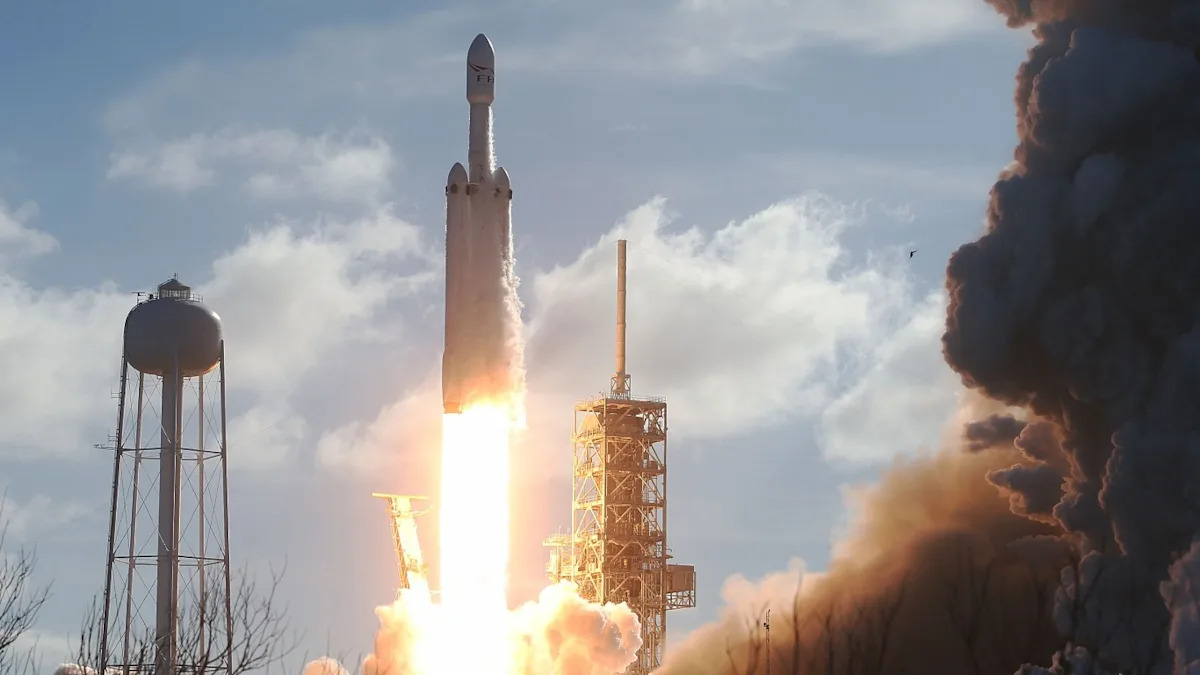
Rocket Lab Reports Record Revenue of $602M for 2025

- Significant Revenue Growth: Rocket Lab (RKLB) reported a record revenue of $602 million for 2025, reflecting a 38% year-over-year increase, showcasing its vertical integration across launch vehicles, spacecraft systems, and orbital infrastructure, with a market cap nearing $49 billion, despite ongoing losses, indicating rapid operational leverage.
- Optimistic Market Outlook: AST SpaceMobile (ASTS) generated $70.9 million in revenue for 2025 and projects revenue between $150 million and $200 million for 2026, holding over $1.2 billion in contracted revenue, highlighting its strong growth potential in building a space-based cellular broadband network.
- Increased Contract Value: Planet Labs (PL) posted $307.7 million in revenue for fiscal 2026, up 26% year-over-year, with a backlog of $900 million and 98% recurring contract value, demonstrating its strong competitive position in the Earth observation market and expected benefits from the SpaceX IPO.
- Industry Restructuring Expectations: SpaceX's IPO is set to reprice the entire space ecosystem, with companies like Rocket Lab, AST SpaceMobile, and Planet Labs positioned to gain greater attention and investment opportunities due to their tight ties to the infrastructure layer.
See More
AST SpaceMobile's BlueBird 7 Launch Fails to Achieve Orbit
- Launch Failure: AST SpaceMobile's BlueBird 7 satellite failed to reach its intended orbit during the New Glenn rocket launch, as it was placed in a lower orbit than planned, rendering it unable to operate and leading to its de-orbiting.
- Insurance Coverage: The costs associated with BlueBird 7 are expected to be covered by the company's insurance policy, which will mitigate the financial impact of the launch failure, although the negative repercussions remain significant.
- Future Launch Plans: The company anticipates conducting an orbital launch every one to two months in 2026, aiming to have approximately 45 satellites in orbit by the end of the year, thereby advancing its space-based cellular network initiative.
- Production Progress: Currently, AST SpaceMobile is producing BlueBird 32, with BlueBird 8 to 10 expected to be ready for shipment in about 30 days, indicating the company's ongoing commitment to expanding its satellite network.
See More
ASTS BlueBird-7 Satellite Launch Fails to Reach Intended Orbit
- Launch Failure Impact: ASTS's BlueBird-7 satellite failed to reach its intended orbit post-launch, resulting in a 15% drop in stock price during Sunday trading, compounding the previous week's 10% decline and increasing market pressure on the company.
- Insurance Compensation Assurance: Despite the orbital failure, ASTS indicated that the satellite's costs are expected to be covered by its insurance policy, providing a financial buffer against the losses incurred from this setback.
- Ongoing Satellite Production: ASTS continues to produce its BlueBird satellite series, with BlueBird-8 through BlueBird-10 expected to be ready for shipment within 30 days, demonstrating the company's commitment to advancing its space broadband network strategy despite challenges.
- Market Sentiment Recovery: Retail traders on Stocktwits have shown increased optimism, with sentiment rising from “bullish” to “extremely bullish” despite the launch failure, indicating a belief in ASTS's future potential even amid heightened stock price volatility.
See More
Blue Origin Successfully Launches New Glenn Rocket
- First Reuse Success: Blue Origin successfully reused a booster during its third New Glenn mission, marking a significant advancement in rocket recovery technology, although the payload failed to reach its intended orbit, highlighting the complexities of implementation.
- Launch Timing and Location: The rocket lifted off from Cape Canaveral, Florida, at 7:25 a.m. local time, and approximately 10 minutes later, the reusable first-stage booster landed on a barge in the Atlantic Ocean, demonstrating its recovery capabilities.
- Satellite Mission Challenges: The mission carried a satellite for AST SpaceMobile, which successfully separated from the upper stage but entered an “off-nominal orbit,” potentially impacting Blue Origin's competitiveness in the satellite launch market, especially against SpaceX.
- Future Launch Plans: CEO Dave Limp stated that Blue Origin aims to complete 8 to 12 launches this year, despite only managing two last year, reflecting a contradiction between strong market demand for satellite deployment and the company's launch capabilities.
See More
The Future Prospects of Space-Based Data Centers
- Technological Advancements: The concept of space-based data centers has shifted from impractical to ideal due to advancements in technology, particularly as terrestrial data centers generate excessive heat that requires efficient cooling, which the cold environment of space can provide.
- Solar Power Advantage: Space data centers can utilize solar energy as a continuous power source, addressing the electricity demands of terrestrial AI data centers, indicating significant sustainability benefits for this technology.
- Decreasing Launch Costs: Since 2010, SpaceX's Falcon 9 rocket has reduced launch costs to $2,600 per kilogram, with Falcon Heavy further lowering it to $1,500, and projections suggest costs could drop below $1,000, establishing a solid economic foundation for space data centers.
- Significant Market Potential: Although the realization of space data centers is still a few years away, companies like Rocket Lab are preparing reusable medium-lift rockets capable of launching 13,000 kilograms into orbit, attracting investor interest in this promising market.
See More
The Future Outlook of Space-Based Data Centers
- Cost Reduction Trend: Since 2010, SpaceX's Falcon 9 rocket has reduced launch costs from $5,400 per kilogram to $2,600, and further down to $1,500 in 2018, with expectations of dropping below $1,000, making the establishment of space-based data centers increasingly feasible.
- Technology Readiness: AST SpaceMobile has successfully provided broadband internet connectivity from satellites to ordinary mobile phones, demonstrating the maturity of space communication technology, which lays a reliable communication foundation for future space data center operations.
- Significant Environmental Benefits: Space data centers powered by solar energy avoid the high heat and environmental impact generated by terrestrial data centers, showcasing a more eco-friendly operational model that aligns with global sustainability demands.
- Huge Market Potential: As launch costs decrease and technology advances, the concept of space data centers is gradually becoming a reality, attracting attention from industry leaders including Elon Musk and Jeff Bezos, indicating an increase in future investment opportunities.
See More
Rocket Lab Reports Record Revenue of $602M for 2025
- Significant Revenue Growth: Rocket Lab (RKLB) reported a record revenue of $602 million for 2025, reflecting a 38% year-over-year increase, showcasing its vertical integration across launch vehicles, spacecraft systems, and orbital infrastructure, with a market cap nearing $49 billion, despite ongoing losses, indicating rapid operational leverage.
- Optimistic Market Outlook: AST SpaceMobile (ASTS) generated $70.9 million in revenue for 2025 and projects revenue between $150 million and $200 million for 2026, holding over $1.2 billion in contracted revenue, highlighting its strong growth potential in building a space-based cellular broadband network.
- Increased Contract Value: Planet Labs (PL) posted $307.7 million in revenue for fiscal 2026, up 26% year-over-year, with a backlog of $900 million and 98% recurring contract value, demonstrating its strong competitive position in the Earth observation market and expected benefits from the SpaceX IPO.
- Industry Restructuring Expectations: SpaceX's IPO is set to reprice the entire space ecosystem, with companies like Rocket Lab, AST SpaceMobile, and Planet Labs positioned to gain greater attention and investment opportunities due to their tight ties to the infrastructure layer.
See More