Archer Aviation Files Patent Infringement Suit Against Vertical Aerospace
Written by Emily J. Thompson, Senior Investment Analyst
Updated: Feb 24 2026
0mins
Should l Buy ACHR?
Source: seekingalpha
- Patent Infringement Lawsuit: Archer Aviation has filed a complaint in the Eastern District of Texas, alleging that Vertical Aerospace's Valo aircraft visually mimics its Midnight aircraft's industrial design, involving at least two design patents that could impact Vertical's market competitiveness.
- Design Patent Protection: The patents mentioned in the lawsuit include U.S. Patent Nos. D1,062,878 and D1,067,164, which protect the unique V-tail, fuselage, and wing configurations of Midnight, highlighting Archer's commitment to safeguarding its distinctive designs.
- Utility Patent Infringement: Additionally, Vertical's Valo aircraft is accused of infringing on one of Archer's utility patents (U.S. Patent No. 11,945,597), which covers critical flight control systems and battery power management, potentially undermining Vertical's technological edge.
- Market Reaction: Vertical Aerospace's shares have declined by 23.6% year-to-date, while Archer Aviation's stock has also fallen by 8.8%, indicating market concerns about the future prospects of both companies, particularly in light of the patent dispute.
Trade with 70% Backtested Accuracy
Stop guessing "Should I Buy ACHR?" and start using high-conviction signals backed by rigorous historical data.
Sign up today to access powerful investing tools and make smarter, data-driven decisions.
Analyst Views on ACHR
Wall Street analysts forecast ACHR stock price to rise
6 Analyst Rating
4 Buy
2 Hold
0 Sell
Moderate Buy
Current: 6.010

Low
8.00
Averages
12.40
High
18.00
Current: 6.010
Low
8.00
Averages
12.40
High
18.00
About ACHR
Archer Aviation Inc. is an aerospace company. It is engaged in providing customers with advanced aircraft and related technologies and services in the United States and internationally in both the commercial and defense sectors. Its commercial line of business consists of the sale of its commercial aircraft (Archer Direct), such as Midnight, to aircraft operators as well as technologies and services related thereto, including commercial launch (certification, testing, training, demonstration, market survey and early trial operations), and maintenance and repair. Its defense line of business consists of the sale of aircraft and related technologies for defense applications. Its initial product is intended to be a hybrid-propulsion, vertical take-off and landing (VTOL) aircraft. Its Midnight aircraft is designed around its proprietary 12-tilt-6 distributed electric propulsion platform. It carries four passengers plus a pilot. The aircraft is purpose-built for air taxi operations.
About the author

Emily J. Thompson
Emily J. Thompson, a Chartered Financial Analyst (CFA) with 12 years in investment research, graduated with honors from the Wharton School. Specializing in industrial and technology stocks, she provides in-depth analysis for Intellectia’s earnings and market brief reports.

Archer Aviation Faces Production Target Challenges

- Production Goals Missed: Archer Aviation initially aimed to produce six Midnight aircraft in Q1 2024 without a specific timeline, later raising the target to 'up to 10' for 2025, indicating slow production progress and potential failure to deliver sufficient aircraft, which could undermine market confidence.
- Regulatory Hurdles: As vertical lift air taxis are a new domain, Archer faces stringent regulatory challenges, with regulators needing to establish rules for new aircraft types, causing delays in production until final design approvals are secured, thus increasing uncertainty and costs.
- Financial Pressure: By the end of 2025, Archer reported $2 billion in liquidity, alleviating short-term financial concerns; however, raising funds through share sales dilutes existing shareholders, prompting investors to consider future funding needs and cost pressures.
- High-Risk Investment Nature: At this early stage, Archer Aviation is suited for aggressive growth investors, while conservative investors should remain on the sidelines to observe how the company navigates its numerous challenges before deciding on investment viability.
See More

Archer Aviation Faces Production Challenges and Regulatory Pressures
- Production Goals Missed: Archer Aviation initially aimed to produce six Midnight aircraft in Q1 2024 without a specific timeline, later raising the target to 'up to 10' for 2025, indicating slow production progress that may undermine investor confidence due to unmet expectations.
- Regulatory Hurdles: As vertical lift air taxis are a new domain, Archer faces stringent regulatory challenges, with authorities needing to create rules for new aircraft types, resulting in a lack of clear production targets and increasing market uncertainty.
- Financial Pressure: By the end of 2025, Archer reported $2 billion in liquidity, indicating no immediate cash issues; however, raising funds through share sales could dilute existing shareholders, prompting investors to consider future capital needs carefully.
- High-Risk Investment Nature: At this early stage, Archer Aviation is best suited for aggressive growth investors, while conservative investors should remain on the sidelines, observing how the company navigates its numerous challenges.
See More

Archer Aviation Falls Short on Production Goals for Midnight Aircraft
- Production Target Adjustment: Archer Aviation initially aimed to produce six Midnight aircraft in Q1 2024, later raising the target to 'up to 10' for 2025, yet the lack of updated production figures suggests actual output fell significantly short, potentially undermining investor confidence.
- Regulatory Challenges: As vertical lift air taxis do not currently exist, Archer faces stringent regulatory hurdles, with authorities needing to create new rules from scratch, resulting in slow progress that creates uncertainty in production and market access, impacting business development.
- Financial Pressure: By the end of 2025, Archer reported $2 billion in liquidity, indicating no immediate cash issues; however, raising funds through share sales dilutes existing shareholders, prompting investors to consider future funding needs and cost pressures.
- Market Positioning: At this early stage, Archer Aviation is best suited for aggressive growth investors, while conservative investors should remain on the sidelines, observing how the company navigates its multiple challenges before deciding to invest.
See More
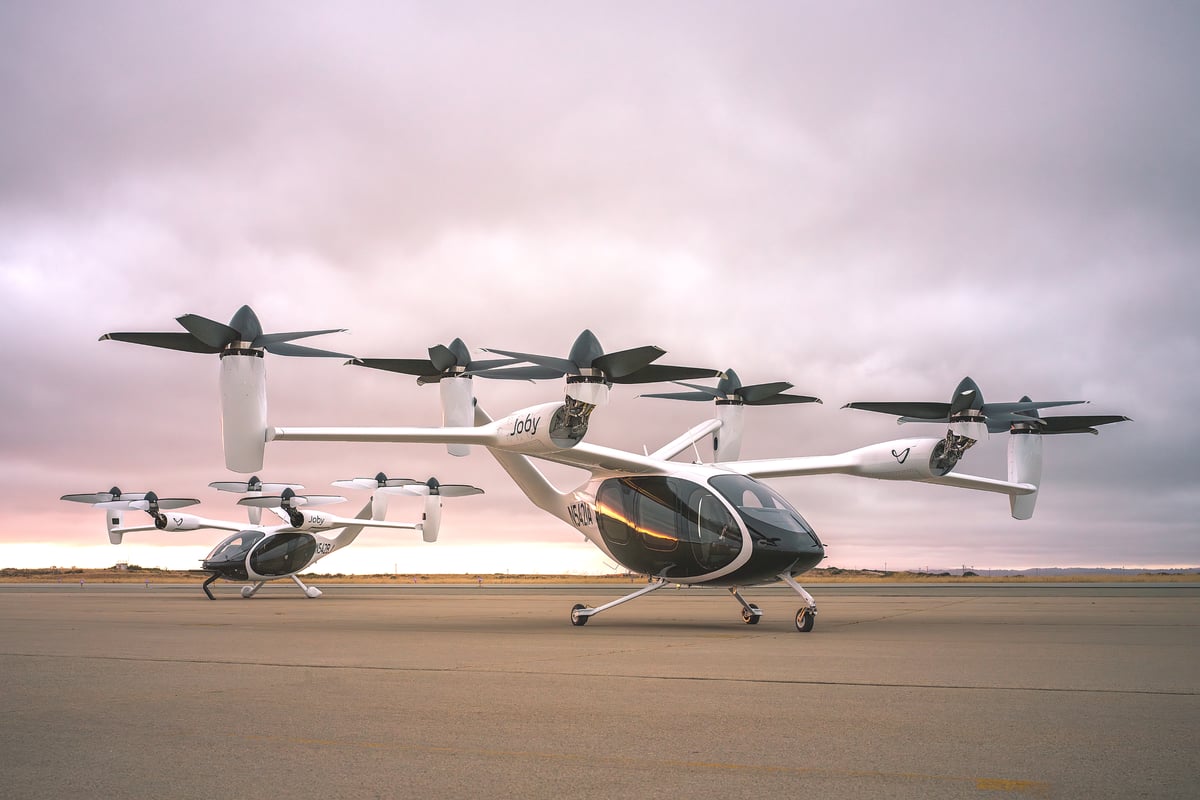
Joby Aviation Outshines Archer in eVTOL Air Taxi Race

- Project Selection Outcome: The U.S. Department of Transportation and FAA selected eight proposals from over 30 submissions, with both Joby and Archer named as partners in multiple projects, highlighting their competitiveness in the eVTOL sector.
- Joby's Advantage: Joby stands out with additional partnerships in Utah and North Carolina, beyond the three projects it shares with Archer, indicating its leading position in the market.
- Technology Application: Joby plans to leverage its Superpilot autonomous flight technology to enhance the applications of its eVTOL aircraft, which not only strengthens its technological capabilities but also lays a foundation for future market expansion.
- Market Reaction: Following the announcement, Joby's stock rose by 2.9%, while Archer's fell by 2.2%, reflecting investor confidence in Joby's prospects in the electric air taxi market.
See More

Archer Aviation's Breakthrough Could Reshape Market Sentiment
- Cautious Market Reaction: Despite Archer Aviation's recent breakthrough, the market remains skeptical about its future potential, reflecting a lack of investor confidence in its business model, which could impact stock performance.
- Breakthrough Milestone: The company's advancements in electric vertical takeoff and landing (eVTOL) technology are seen as critical to reshaping its investment thesis, and successful commercialization could lead to significant market share and revenue growth.
- Potential Risk Factors: While the outlook is optimistic, the market must remain vigilant about hidden risks that could affect Archer's success, including the complexities of technology implementation and regulatory hurdles, which may undermine investor confidence.
- Future Outlook: As interest in electric aviation grows, Archer Aviation's breakthrough could present new investment opportunities, and if it can effectively manage potential risks, it may emerge as a leader in the industry.
See More
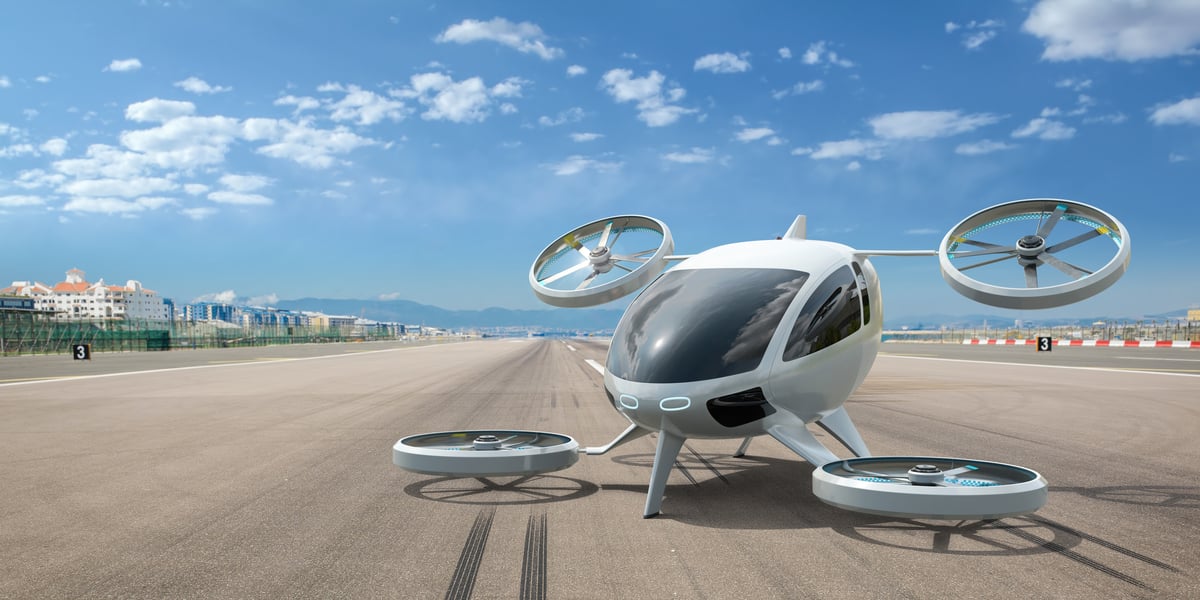
Archer and Joby Aviation Lawsuit Escalation
- Lawsuit Escalation: Joby has sued Archer for corporate espionage, alleging that a former employee stole confidential documents, while Archer countersued Joby for defrauding the U.S. government, highlighting intense competition over intellectual property between the two firms.
- Market Reaction: Despite the lawsuits drawing attention, the market's response has been muted, with Archer's stock dropping 8% following Joby's lawsuit but quickly rebounding, indicating investors' underestimation of the lawsuits' impact.
- Key Allegations: Archer's countersuit claims that Joby sourced critical components through a Chinese subsidiary and misclassified them as consumer goods to evade tariffs, which, if proven, could significantly affect Joby's business model.
- Regulatory Attention: Both companies were selected to participate in the U.S. Department of Transportation's Advanced Air Mobility projects, suggesting that despite ongoing legal disputes, regulatory support may provide momentum for their future growth.
See More
Archer Aviation Faces Production Target Challenges
- Production Goals Missed: Archer Aviation initially aimed to produce six Midnight aircraft in Q1 2024 without a specific timeline, later raising the target to 'up to 10' for 2025, indicating slow production progress and potential failure to deliver sufficient aircraft, which could undermine market confidence.
- Regulatory Hurdles: As vertical lift air taxis are a new domain, Archer faces stringent regulatory challenges, with regulators needing to establish rules for new aircraft types, causing delays in production until final design approvals are secured, thus increasing uncertainty and costs.
- Financial Pressure: By the end of 2025, Archer reported $2 billion in liquidity, alleviating short-term financial concerns; however, raising funds through share sales dilutes existing shareholders, prompting investors to consider future funding needs and cost pressures.
- High-Risk Investment Nature: At this early stage, Archer Aviation is suited for aggressive growth investors, while conservative investors should remain on the sidelines to observe how the company navigates its numerous challenges before deciding on investment viability.
See More
Archer Aviation Faces Production Challenges and Regulatory Pressures
- Production Goals Missed: Archer Aviation initially aimed to produce six Midnight aircraft in Q1 2024 without a specific timeline, later raising the target to 'up to 10' for 2025, indicating slow production progress that may undermine investor confidence due to unmet expectations.
- Regulatory Hurdles: As vertical lift air taxis are a new domain, Archer faces stringent regulatory challenges, with authorities needing to create rules for new aircraft types, resulting in a lack of clear production targets and increasing market uncertainty.
- Financial Pressure: By the end of 2025, Archer reported $2 billion in liquidity, indicating no immediate cash issues; however, raising funds through share sales could dilute existing shareholders, prompting investors to consider future capital needs carefully.
- High-Risk Investment Nature: At this early stage, Archer Aviation is best suited for aggressive growth investors, while conservative investors should remain on the sidelines, observing how the company navigates its numerous challenges.
See More
Archer Aviation Falls Short on Production Goals for Midnight Aircraft
- Production Target Adjustment: Archer Aviation initially aimed to produce six Midnight aircraft in Q1 2024, later raising the target to 'up to 10' for 2025, yet the lack of updated production figures suggests actual output fell significantly short, potentially undermining investor confidence.
- Regulatory Challenges: As vertical lift air taxis do not currently exist, Archer faces stringent regulatory hurdles, with authorities needing to create new rules from scratch, resulting in slow progress that creates uncertainty in production and market access, impacting business development.
- Financial Pressure: By the end of 2025, Archer reported $2 billion in liquidity, indicating no immediate cash issues; however, raising funds through share sales dilutes existing shareholders, prompting investors to consider future funding needs and cost pressures.
- Market Positioning: At this early stage, Archer Aviation is best suited for aggressive growth investors, while conservative investors should remain on the sidelines, observing how the company navigates its multiple challenges before deciding to invest.
See More
Joby Aviation Outshines Archer in eVTOL Air Taxi Race
- Project Selection Outcome: The U.S. Department of Transportation and FAA selected eight proposals from over 30 submissions, with both Joby and Archer named as partners in multiple projects, highlighting their competitiveness in the eVTOL sector.
- Joby's Advantage: Joby stands out with additional partnerships in Utah and North Carolina, beyond the three projects it shares with Archer, indicating its leading position in the market.
- Technology Application: Joby plans to leverage its Superpilot autonomous flight technology to enhance the applications of its eVTOL aircraft, which not only strengthens its technological capabilities but also lays a foundation for future market expansion.
- Market Reaction: Following the announcement, Joby's stock rose by 2.9%, while Archer's fell by 2.2%, reflecting investor confidence in Joby's prospects in the electric air taxi market.
See More
Archer Aviation's Breakthrough Could Reshape Market Sentiment
- Cautious Market Reaction: Despite Archer Aviation's recent breakthrough, the market remains skeptical about its future potential, reflecting a lack of investor confidence in its business model, which could impact stock performance.
- Breakthrough Milestone: The company's advancements in electric vertical takeoff and landing (eVTOL) technology are seen as critical to reshaping its investment thesis, and successful commercialization could lead to significant market share and revenue growth.
- Potential Risk Factors: While the outlook is optimistic, the market must remain vigilant about hidden risks that could affect Archer's success, including the complexities of technology implementation and regulatory hurdles, which may undermine investor confidence.
- Future Outlook: As interest in electric aviation grows, Archer Aviation's breakthrough could present new investment opportunities, and if it can effectively manage potential risks, it may emerge as a leader in the industry.
See More
Archer and Joby Aviation Lawsuit Escalation
- Lawsuit Escalation: Joby has sued Archer for corporate espionage, alleging that a former employee stole confidential documents, while Archer countersued Joby for defrauding the U.S. government, highlighting intense competition over intellectual property between the two firms.
- Market Reaction: Despite the lawsuits drawing attention, the market's response has been muted, with Archer's stock dropping 8% following Joby's lawsuit but quickly rebounding, indicating investors' underestimation of the lawsuits' impact.
- Key Allegations: Archer's countersuit claims that Joby sourced critical components through a Chinese subsidiary and misclassified them as consumer goods to evade tariffs, which, if proven, could significantly affect Joby's business model.
- Regulatory Attention: Both companies were selected to participate in the U.S. Department of Transportation's Advanced Air Mobility projects, suggesting that despite ongoing legal disputes, regulatory support may provide momentum for their future growth.
See More