Apple Set to Launch Foldable iPhone This Year
Written by Emily J. Thompson, Senior Investment Analyst
Updated: 19 hours ago
0mins

Should l Buy AAPL?
Source: NASDAQ.COM
- Significant Revenue Potential: Analysts project that Apple's upcoming foldable iPhone could generate up to $60 billion in revenue within the next 18 months, which would significantly enhance the company's financial performance and strengthen its market position.
- Stock Performance Weakness: Despite having a market cap of approximately $3.7 trillion, Apple's stock has declined by 2% over the past six months, as investors express frustration over the slow rollout of AI features, reflecting concerns about its growth potential.
- Strong Upgrade Incentive: The launch of the foldable iPhone could incentivize existing users to upgrade their devices, especially as the new model is expected to better support future AI capabilities, further driving sales growth and enhancing brand loyalty.
- Long-Term Investment Opportunity: Although Apple's stock trades at about 32 times its trailing earnings, the anticipated launch of the foldable iPhone may present an opportunity for investors to see a rebound in stock price, making it a compelling option for long-term holding.
Trade with 70% Backtested Accuracy
Stop guessing "Should I Buy AAPL?" and start using high-conviction signals backed by rigorous historical data.
Sign up today to access powerful investing tools and make smarter, data-driven decisions.
Analyst Views on AAPL
Wall Street analysts forecast AAPL stock price to rise
27 Analyst Rating
17 Buy
9 Hold
1 Sell
Moderate Buy
Current: 253.790

Low
239.00
Averages
306.89
High
350.00
Current: 253.790
Low
239.00
Averages
306.89
High
350.00
About AAPL
Apple Inc. designs, manufactures and markets smartphones, personal computers, tablets, wearables and accessories, and sells a variety of related services. Its product categories include iPhone, Mac, iPad, and Wearables, Home and Accessories. Its software platforms include iOS, iPadOS, macOS, watchOS, visionOS, and tvOS. Its services include advertising, AppleCare, cloud services, digital content and payment services. The Company operates various platforms, including the App Store, that allow customers to discover and download applications and digital content, such as books, music, video, games and podcasts. It also offers digital content through subscription-based services, including Apple Arcade, Apple Fitness+, Apple Music, Apple News+, and Apple TV+. Its products include iPhone 16 Pro, iPhone 16, iPhone 15, iPhone 14, iPhone SE, MacBook Air, MacBook Pro, iMac, Mac mini, Mac Studio, Mac Pro, iPad Pro, iPad Air, AirPods, AirPods Pro, AirPods Max, Apple TV, Apple Vision Pro and others.
About the author

Emily J. Thompson
Emily J. Thompson, a Chartered Financial Analyst (CFA) with 12 years in investment research, graduated with honors from the Wharton School. Specializing in industrial and technology stocks, she provides in-depth analysis for Intellectia’s earnings and market brief reports.

Apple Reaches $4 Trillion Market Cap Amidst Market Volatility

- Market Milestone: Apple achieved a $4 trillion market cap by the end of 2025, joining a select group of companies, although its stock has declined by 14% from its peak, reflecting investor concerns over tech stocks.
- Sales Growth Driver: The successful launch of the iPhone 17 has propelled Apple's latest quarterly year-over-year revenue growth to nearly 16%, marking the highest growth rate in over three years, indicating that devices remain a crucial revenue source for the company.
- Service Business Outlook: With over 2.5 billion active devices and paid accounts reaching an all-time high, Apple's services segment shows significant growth potential, expected to comprise a larger share of total sales in the future, thereby enhancing profits and margins.
- Investment Value Assessment: Although Apple's price-to-earnings ratio stands at 28.8, above the industry average of 20.9, its strong brand, cash flow, and growth opportunities suggest the stock remains attractive, especially after a 14% pullback, making it a buy on the dip.
See More
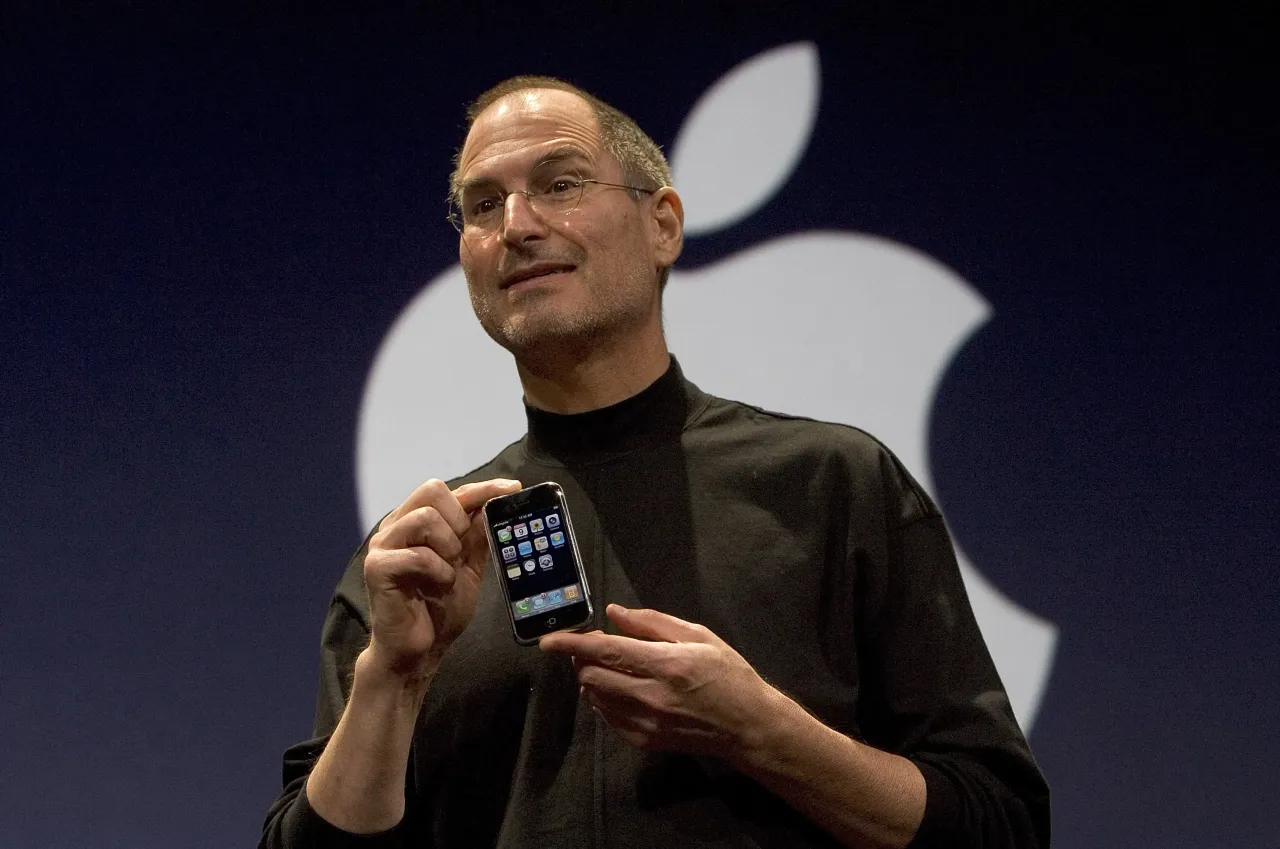
Apple's iPhone: A 50-Year Legacy of Innovation and Market Dominance
- iPhone Revenue Performance: In Q1 ending December 27, 2025, iPhone revenue reached $85.3 billion, accounting for over 59% of Apple's total revenue, underscoring its pivotal role in the company's financial health and solidifying Apple's leadership in the global smartphone market.
- Market Share Growth: According to Counterpoint Research, by the end of 2025, iPhone's global market share increased from 23% to 25%, while capturing 60% of the global smartphone industry's revenue in Q4, reflecting Apple's sustained growth capability in a fiercely competitive landscape.
- Decline of Industry Giants: Following the iPhone's launch, Nokia's market share plummeted from 50.9% to 40.8%, with BlackBerry and Motorola also facing significant challenges, illustrating the disruptive impact of the iPhone on traditional mobile manufacturers.
- Future Outlook: Apple is expected to launch the iPhone 18 series later this year, alongside a low-cost MacBook Neo starting at $499, aiming to compete with affordable notebooks powered by Windows and Chrome OS, indicating Apple's commitment to innovation and product line expansion to meet market demands.
See More

Chip and AI Stocks Surge Amid Iran War Hopes

- Market Rally: Chip and AI-related stocks surged on Wednesday amid hopes for a resolution to the Iran war, with the Nasdaq Composite rising about 1.4% and the S&P 500 gaining approximately 1%.
- Stock Performance: Nvidia (NVDA) shares increased by about 1%, while AMD soared nearly 4%, indicating strong demand for AI technology and a recovery in investor confidence.
- Tech Stocks Lead: Micron Technology (MU) jumped about 11%, and Intel (INTC) announced a $14.2 billion buyback of a 49% stake in its Fab 34 facility in Ireland, with shares rising nearly 10%, reflecting optimistic market expectations for the semiconductor industry.
- Equipment Manufacturers Strong: Chip equipment makers like ASML, Applied Materials (AMAT), and Lam Research (LRCX) each surged about 5%, demonstrating sustained growth in demand for semiconductor production equipment.
See More

Five Key Questions Facing Apple as It Enters Its Second Half-Century

- AI Strategy Challenge: While Apple dominates the U.S. smartphone market with over $100 billion in annual services revenue, its lack of significant investment in AI, compared to competitors spending hundreds of billions, could impact its future market share and innovation potential.
- Leadership Succession Issue: With CEO Tim Cook turning 65, potential successors like hardware chief John Ternus are being considered, but the next leadership will need to navigate the challenges posed by rapid technological changes, particularly in generative AI.
- China Market Dilemma: Apple's revenue from Greater China reached $64.4 billion in fiscal 2025, despite an 11% decline, the December quarter saw a 38% surge, indicating market potential, yet geopolitical tensions and trade disputes pose ongoing uncertainties.
- Brand Positioning and Service Expansion: As Apple introduces lower-priced products like the MacBook Neo and increases App Store advertising, the challenge remains to maintain its premium brand image amidst intensifying competition in the lower-end market, which could dilute its established identity.
See More

Stock Market Rebounds Amid OpenAI's Record Funding Round


- Market Rebound: The stock market experienced its best day since May after an unconfirmed report indicated that the Iranian president is open to ending the U.S.-Iran war, although the major indexes still logged significant losses in March, highlighting market volatility.
- Nike's Performance Fluctuations: Nike beat Wall Street's expectations in its earnings report, but concerns over declining sales forecasts led to a more than 10% drop in its stock during after-hours trading, reflecting market apprehension regarding its performance in China and overall uncertainty.
- Voting Rights Regulation: President Trump signed an executive order limiting mail-in voting, which faced immediate backlash from voting rights advocates and could lead to legal challenges ahead of the upcoming midterm elections, potentially impacting voter access.
- OpenAI Funding Milestone: OpenAI announced a record-breaking funding round, raising $122 billion in committed capital, enhancing its IPO potential, despite not yet achieving profitability, indicating strong market interest in its future prospects.
See More

Apple's 50th Anniversary Faces Multiple Challenges

- Succession Issues: As CEO Tim Cook approaches 65, rumors of his retirement persist despite his denials, with John Ternus, who has been with Apple for nearly 15 years and oversees hardware engineering, seen as a potential successor, facing complex supply chain challenges ahead.
- AI Strategy Lagging: While Apple dominates the U.S. smartphone market with over $100 billion in annual services revenue, its investment in AI lags behind competitors pouring hundreds of billions into infrastructure, and the slow evolution of Siri may hinder its future market competitiveness.
- China Market Dilemma: Apple's revenue from China reached $64.4 billion in fiscal 2025, down 11% from two years prior, although recent quarterly sales surged 38%, the ongoing U.S.-China trade tensions pose risks of tariffs and supply chain disruptions, leaving long-term growth prospects uncertain.
- Brand Positioning Challenges: Apple faces pressure to maintain its premium brand image as it introduces lower-priced products to attract more users, with analysts warning that failure to manage brand perception could dilute its brand value significantly.
See More
Apple Reaches $4 Trillion Market Cap Amidst Market Volatility
- Market Milestone: Apple achieved a $4 trillion market cap by the end of 2025, joining a select group of companies, although its stock has declined by 14% from its peak, reflecting investor concerns over tech stocks.
- Sales Growth Driver: The successful launch of the iPhone 17 has propelled Apple's latest quarterly year-over-year revenue growth to nearly 16%, marking the highest growth rate in over three years, indicating that devices remain a crucial revenue source for the company.
- Service Business Outlook: With over 2.5 billion active devices and paid accounts reaching an all-time high, Apple's services segment shows significant growth potential, expected to comprise a larger share of total sales in the future, thereby enhancing profits and margins.
- Investment Value Assessment: Although Apple's price-to-earnings ratio stands at 28.8, above the industry average of 20.9, its strong brand, cash flow, and growth opportunities suggest the stock remains attractive, especially after a 14% pullback, making it a buy on the dip.
See More
Apple's iPhone: A 50-Year Legacy of Innovation and Market Dominance
- iPhone Revenue Performance: In Q1 ending December 27, 2025, iPhone revenue reached $85.3 billion, accounting for over 59% of Apple's total revenue, underscoring its pivotal role in the company's financial health and solidifying Apple's leadership in the global smartphone market.
- Market Share Growth: According to Counterpoint Research, by the end of 2025, iPhone's global market share increased from 23% to 25%, while capturing 60% of the global smartphone industry's revenue in Q4, reflecting Apple's sustained growth capability in a fiercely competitive landscape.
- Decline of Industry Giants: Following the iPhone's launch, Nokia's market share plummeted from 50.9% to 40.8%, with BlackBerry and Motorola also facing significant challenges, illustrating the disruptive impact of the iPhone on traditional mobile manufacturers.
- Future Outlook: Apple is expected to launch the iPhone 18 series later this year, alongside a low-cost MacBook Neo starting at $499, aiming to compete with affordable notebooks powered by Windows and Chrome OS, indicating Apple's commitment to innovation and product line expansion to meet market demands.
See More
Chip and AI Stocks Surge Amid Iran War Hopes
- Market Rally: Chip and AI-related stocks surged on Wednesday amid hopes for a resolution to the Iran war, with the Nasdaq Composite rising about 1.4% and the S&P 500 gaining approximately 1%.
- Stock Performance: Nvidia (NVDA) shares increased by about 1%, while AMD soared nearly 4%, indicating strong demand for AI technology and a recovery in investor confidence.
- Tech Stocks Lead: Micron Technology (MU) jumped about 11%, and Intel (INTC) announced a $14.2 billion buyback of a 49% stake in its Fab 34 facility in Ireland, with shares rising nearly 10%, reflecting optimistic market expectations for the semiconductor industry.
- Equipment Manufacturers Strong: Chip equipment makers like ASML, Applied Materials (AMAT), and Lam Research (LRCX) each surged about 5%, demonstrating sustained growth in demand for semiconductor production equipment.
See More
Five Key Questions Facing Apple as It Enters Its Second Half-Century
- AI Strategy Challenge: While Apple dominates the U.S. smartphone market with over $100 billion in annual services revenue, its lack of significant investment in AI, compared to competitors spending hundreds of billions, could impact its future market share and innovation potential.
- Leadership Succession Issue: With CEO Tim Cook turning 65, potential successors like hardware chief John Ternus are being considered, but the next leadership will need to navigate the challenges posed by rapid technological changes, particularly in generative AI.
- China Market Dilemma: Apple's revenue from Greater China reached $64.4 billion in fiscal 2025, despite an 11% decline, the December quarter saw a 38% surge, indicating market potential, yet geopolitical tensions and trade disputes pose ongoing uncertainties.
- Brand Positioning and Service Expansion: As Apple introduces lower-priced products like the MacBook Neo and increases App Store advertising, the challenge remains to maintain its premium brand image amidst intensifying competition in the lower-end market, which could dilute its established identity.
See More
Stock Market Rebounds Amid OpenAI's Record Funding Round
- Market Rebound: The stock market experienced its best day since May after an unconfirmed report indicated that the Iranian president is open to ending the U.S.-Iran war, although the major indexes still logged significant losses in March, highlighting market volatility.
- Nike's Performance Fluctuations: Nike beat Wall Street's expectations in its earnings report, but concerns over declining sales forecasts led to a more than 10% drop in its stock during after-hours trading, reflecting market apprehension regarding its performance in China and overall uncertainty.
- Voting Rights Regulation: President Trump signed an executive order limiting mail-in voting, which faced immediate backlash from voting rights advocates and could lead to legal challenges ahead of the upcoming midterm elections, potentially impacting voter access.
- OpenAI Funding Milestone: OpenAI announced a record-breaking funding round, raising $122 billion in committed capital, enhancing its IPO potential, despite not yet achieving profitability, indicating strong market interest in its future prospects.
See More
Apple's 50th Anniversary Faces Multiple Challenges
- Succession Issues: As CEO Tim Cook approaches 65, rumors of his retirement persist despite his denials, with John Ternus, who has been with Apple for nearly 15 years and oversees hardware engineering, seen as a potential successor, facing complex supply chain challenges ahead.
- AI Strategy Lagging: While Apple dominates the U.S. smartphone market with over $100 billion in annual services revenue, its investment in AI lags behind competitors pouring hundreds of billions into infrastructure, and the slow evolution of Siri may hinder its future market competitiveness.
- China Market Dilemma: Apple's revenue from China reached $64.4 billion in fiscal 2025, down 11% from two years prior, although recent quarterly sales surged 38%, the ongoing U.S.-China trade tensions pose risks of tariffs and supply chain disruptions, leaving long-term growth prospects uncertain.
- Brand Positioning Challenges: Apple faces pressure to maintain its premium brand image as it introduces lower-priced products to attract more users, with analysts warning that failure to manage brand perception could dilute its brand value significantly.
See More