Apple Set to Launch Foldable iPhone Amidst Market Challenges
Written by Emily J. Thompson, Senior Investment Analyst
Updated: 3 days ago
0mins
Should l Buy AAPL?
Source: Fool
- Innovation Lag: Apple is entering the foldable smartphone market late, with its first foldable iPhone expected to launch in September, despite the technology being available since 2019, indicating a conservative approach to innovation.
- Technical Challenges: The company is facing design and durability challenges, yet the foldable iPhone is projected to cost over $2,000, potentially becoming its new high-end offering that could attract its loyal customer base.
- Market Potential: While U.S. consumers show limited interest in foldable phones, the market in China is rapidly growing, and Apple's resurgence in the country provides a solid foundation for its new product launch.
- Ecosystem Advantage: Apple's business model locks users into its ecosystem through high-end devices, allowing for the sale of high-margin subscription services, and the introduction of the foldable iPhone will further enhance this lock-in effect, driving user migration to its platform.
Trade with 70% Backtested Accuracy
Stop guessing "Should I Buy AAPL?" and start using high-conviction signals backed by rigorous historical data.
Sign up today to access powerful investing tools and make smarter, data-driven decisions.
Analyst Views on AAPL
Wall Street analysts forecast AAPL stock price to rise
27 Analyst Rating
17 Buy
9 Hold
1 Sell
Moderate Buy
Current: 258.830

Low
239.00
Averages
306.89
High
350.00
Current: 258.830
Low
239.00
Averages
306.89
High
350.00
About AAPL
Apple Inc. designs, manufactures and markets smartphones, personal computers, tablets, wearables and accessories, and sells a variety of related services. Its product categories include iPhone, Mac, iPad, and Wearables, Home and Accessories. Its software platforms include iOS, iPadOS, macOS, watchOS, visionOS, and tvOS. Its services include advertising, AppleCare, cloud services, digital content and payment services. The Company operates various platforms, including the App Store, that allow customers to discover and download applications and digital content, such as books, music, video, games and podcasts. It also offers digital content through subscription-based services, including Apple Arcade, Apple Fitness+, Apple Music, Apple News+, and Apple TV+. Its products include iPhone 16 Pro, iPhone 16, iPhone 15, iPhone 14, iPhone SE, MacBook Air, MacBook Pro, iMac, Mac mini, Mac Studio, Mac Pro, iPad Pro, iPad Air, AirPods, AirPods Pro, AirPods Max, Apple TV, Apple Vision Pro and others.
About the author

Emily J. Thompson
Emily J. Thompson, a Chartered Financial Analyst (CFA) with 12 years in investment research, graduated with honors from the Wharton School. Specializing in industrial and technology stocks, she provides in-depth analysis for Intellectia’s earnings and market brief reports.

Apple's Stability Attracts Retiree Investors

- Business Stability: Apple's core business is more predictable than many tech peers, and despite a 4% year-to-date stock decline, it generates tens of billions in sales during economic downturns, reflecting strong customer loyalty and market demand.
- Diverse Revenue Streams: With over 2.5 billion active devices, Apple offers various subscription services including music and video streaming, which provide a growing source of recurring revenue, enhancing its cash flow stability and risk resilience.
- Product Line Expansion: By introducing lower-priced products like the MacBook Neo, Apple is actively expanding its user base, while plans for a competitive iPhone Fold could further increase market share, positioning the company for future growth.
- Dividend Growth Potential: Although Apple's dividend yield is only 0.4%, its 82.5% growth over the past decade and a conservative 15.6% cash payout ratio indicate the company has room for further increases, making it attractive for retirees seeking stable income.
See More
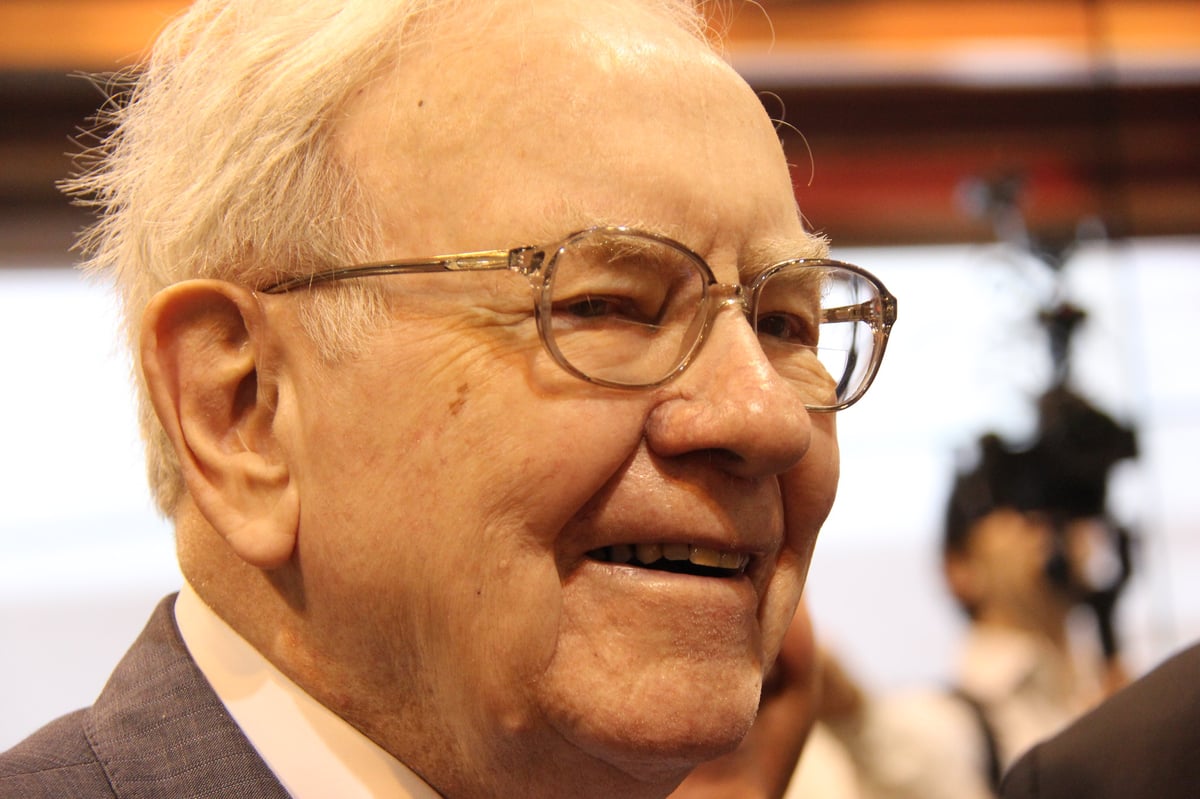
Buffett Retires, Abel Takes Over as CEO of Berkshire Hathaway

- Leadership Transition: Warren Buffett officially retired on December 31, 2025, with Greg Abel taking over the day-to-day operations of Berkshire Hathaway, managing a $318 billion investment portfolio, marking a significant shift in the company's leadership.
- Portfolio Concentration: Abel inherited a portfolio where the top ten holdings account for 79% of invested assets, with Apple representing $59.4 billion or 18.7% of total investments, indicating a strong reliance on core assets.
- Capital Return Strategy: All of Berkshire's top ten holdings pay dividends, with Coca-Cola yielding an impressive 63% annually, reflecting Abel's continuation of Buffett's focus on capital returns to enhance shareholder value.
- Value Investment Principle: Abel emphasizes the importance of value in managing the portfolio, recently selling approximately 75% of Berkshire's Apple shares, indicating that maintaining the portfolio's value is a top priority in the face of high valuations.
See More

MP Materials' Optimistic Future Outlook

- Vertical Integration Advantage: MP Materials' Independence facility in Texas began producing NdFeB magnets in Q4 2025 with an initial capacity of 1,000 tons, set to expand to 3,000 tons, while the new 10X facility will add another 7,000 tons, significantly enhancing profit margins and transforming the company's profitability model.
- Government Support Assurance: The U.S. Department of Defense signed a 10-year deal with MP Materials establishing a price floor of $100 per kilogram for NdPr products and guaranteeing that 100% of magnets produced at the 10X facility will be purchased, providing stable cash flow that boosts investor confidence.
- High-Demand Partnerships: MP Materials' magnets are in high demand for electric vehicles, drones, and data centers, and as the only large-scale U.S. supplier, the company secured a $500 million long-term deal with Apple, further solidifying its market position and expanding top-tier partnerships.
- Risk-Reward Balance: While MP Materials faces negative impacts from global trade policies, the opportunities presented by vertical integration and government support significantly outweigh these risks, making the stock a solid risk-reward proposition in the current market environment.
See More

Greg Abel Takes Over After Buffett's Retirement at Berkshire Hathaway
- Portfolio Transition: Following Warren Buffett's retirement on December 31, 2025, Greg Abel inherited a $318 billion investment portfolio, facing the challenge of a highly concentrated and brand-heavy asset base while committing to uphold Buffett's investment philosophy.
- Capital Return Strategy: All of Berkshire's top ten holdings feature robust capital return programs, with each company paying dividends; Coca-Cola boasts an impressive 63% annual yield, underscoring Abel's dedication to maintaining shareholder value.
- Long-Term Holding Strategy: In his first shareholder letter, Abel classified Apple and Moody's as 'indefinite holdings,' indicating confidence in their long-term prospects, despite Berkshire having sold approximately 75% of its Apple stake in the past two years.
- Value Investment Principle: Both Abel and Buffett emphasize the importance of securing good deals, as evidenced by Berkshire's recent reductions in holdings, reflecting sensitivity to market valuations, particularly when bank stocks trade above book value.
See More
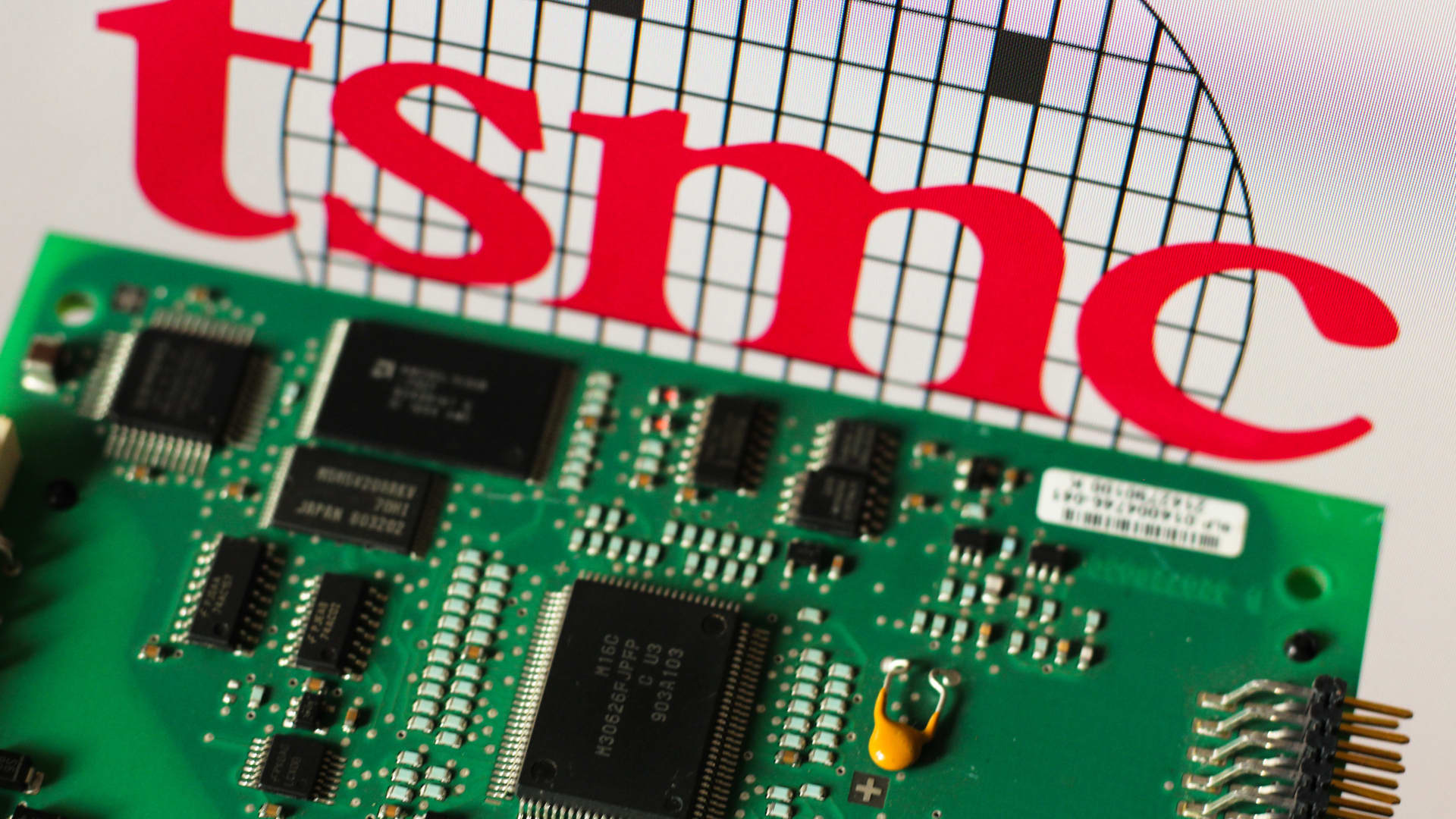
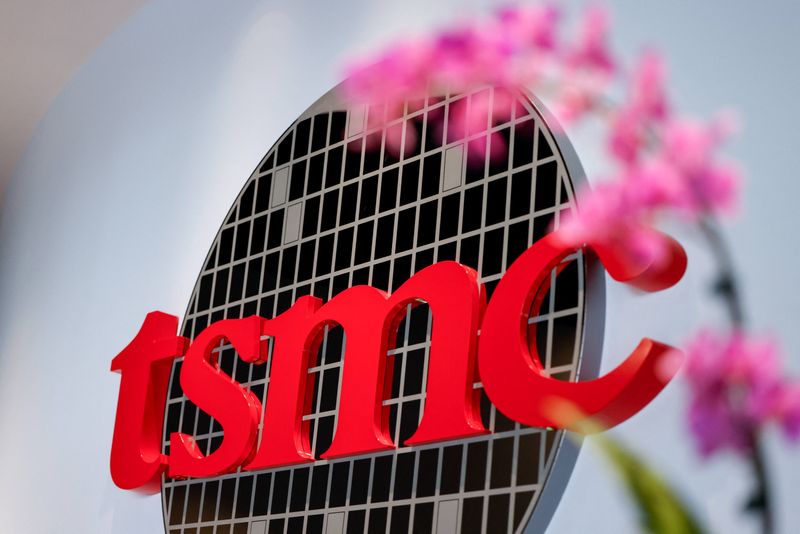
TSMC Reports 58% Profit Increase in Q1


- Earnings Beat: TSMC reported a net income of NT$572.48 billion for Q1, exceeding the expected NT$543.32 billion, demonstrating robust market demand, particularly for AI chips, leading to a record profit for the fourth consecutive quarter.
- Revenue Record: The company's revenue reached NT$1.134 trillion (approximately $35 billion) in Q1, surpassing the market expectation of NT$1.127 trillion and reflecting a 35% year-on-year growth, showcasing TSMC's strong performance in the global semiconductor market.
- Advanced Process Growth: TSMC's high-performance computing division, which includes AI and 5G applications, accounted for 61% of total revenue in Q1, while advanced chips of 7 nanometers or smaller made up 74% of total wafer revenue, highlighting the company's competitive edge in the high-end market.
- Capex Guidance Raised: TSMC now expects its capital expenditures for 2023 to reach the high end of its previous forecast, between $52 billion and $56 billion, reflecting a 37% increase and indicating the company's optimistic outlook on future demand amid global energy supply uncertainties.
See More
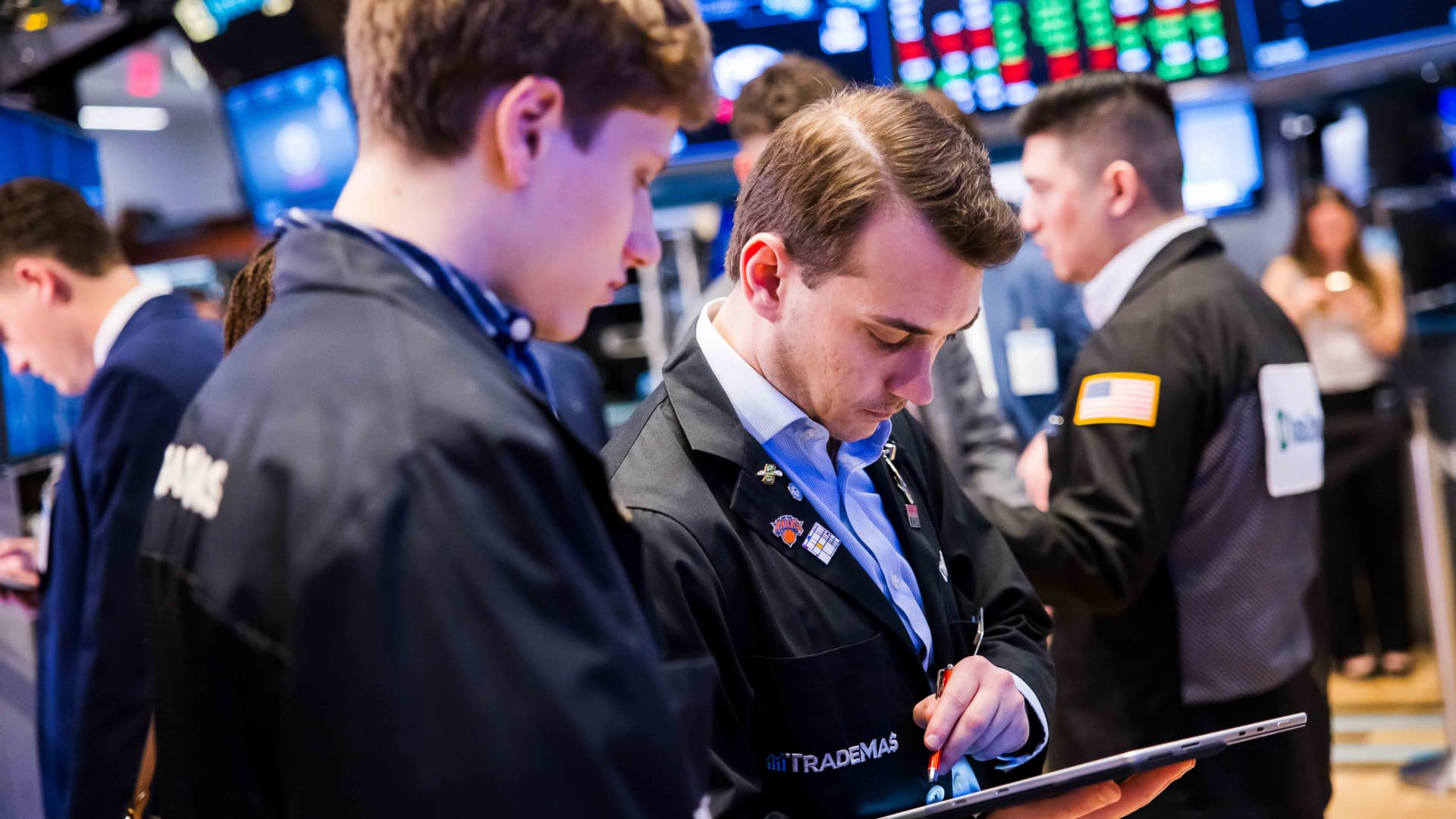
Global Equities Reach Record Highs Amid Truce Talks

- Market Surge: Global equities have surged, with the S&P 500 rising 0.80% and the Nasdaq Composite gaining 1.59%, both reaching record highs amid optimism surrounding the first direct talks between Israel and Lebanon in over 30 years, indicating strong investor confidence in market prospects.
- Japan's Performance: The Nikkei 225 index hit a new high, driven by a broader rally in Asian markets, particularly in technology and consumer cyclical stocks, reflecting investor confidence in the region's economic recovery.
- China's Economic Growth: China's GDP grew by 5% in the first quarter, exceeding economists' forecast of 4.8%, as reported by the National Bureau of Statistics, showcasing the resilience of the Chinese economy despite potential global demand shocks from the Iran conflict.
- World Bank Caution: The World Bank president cautioned in an interview that economic disruptions related to conflicts could last for months, even if the current fragile ceasefire holds, posing a potential threat to global economic recovery.
See More
Apple's Stability Attracts Retiree Investors
- Business Stability: Apple's core business is more predictable than many tech peers, and despite a 4% year-to-date stock decline, it generates tens of billions in sales during economic downturns, reflecting strong customer loyalty and market demand.
- Diverse Revenue Streams: With over 2.5 billion active devices, Apple offers various subscription services including music and video streaming, which provide a growing source of recurring revenue, enhancing its cash flow stability and risk resilience.
- Product Line Expansion: By introducing lower-priced products like the MacBook Neo, Apple is actively expanding its user base, while plans for a competitive iPhone Fold could further increase market share, positioning the company for future growth.
- Dividend Growth Potential: Although Apple's dividend yield is only 0.4%, its 82.5% growth over the past decade and a conservative 15.6% cash payout ratio indicate the company has room for further increases, making it attractive for retirees seeking stable income.
See More
Buffett Retires, Abel Takes Over as CEO of Berkshire Hathaway
- Leadership Transition: Warren Buffett officially retired on December 31, 2025, with Greg Abel taking over the day-to-day operations of Berkshire Hathaway, managing a $318 billion investment portfolio, marking a significant shift in the company's leadership.
- Portfolio Concentration: Abel inherited a portfolio where the top ten holdings account for 79% of invested assets, with Apple representing $59.4 billion or 18.7% of total investments, indicating a strong reliance on core assets.
- Capital Return Strategy: All of Berkshire's top ten holdings pay dividends, with Coca-Cola yielding an impressive 63% annually, reflecting Abel's continuation of Buffett's focus on capital returns to enhance shareholder value.
- Value Investment Principle: Abel emphasizes the importance of value in managing the portfolio, recently selling approximately 75% of Berkshire's Apple shares, indicating that maintaining the portfolio's value is a top priority in the face of high valuations.
See More
MP Materials' Optimistic Future Outlook
- Vertical Integration Advantage: MP Materials' Independence facility in Texas began producing NdFeB magnets in Q4 2025 with an initial capacity of 1,000 tons, set to expand to 3,000 tons, while the new 10X facility will add another 7,000 tons, significantly enhancing profit margins and transforming the company's profitability model.
- Government Support Assurance: The U.S. Department of Defense signed a 10-year deal with MP Materials establishing a price floor of $100 per kilogram for NdPr products and guaranteeing that 100% of magnets produced at the 10X facility will be purchased, providing stable cash flow that boosts investor confidence.
- High-Demand Partnerships: MP Materials' magnets are in high demand for electric vehicles, drones, and data centers, and as the only large-scale U.S. supplier, the company secured a $500 million long-term deal with Apple, further solidifying its market position and expanding top-tier partnerships.
- Risk-Reward Balance: While MP Materials faces negative impacts from global trade policies, the opportunities presented by vertical integration and government support significantly outweigh these risks, making the stock a solid risk-reward proposition in the current market environment.
See More
Greg Abel Takes Over After Buffett's Retirement at Berkshire Hathaway
- Portfolio Transition: Following Warren Buffett's retirement on December 31, 2025, Greg Abel inherited a $318 billion investment portfolio, facing the challenge of a highly concentrated and brand-heavy asset base while committing to uphold Buffett's investment philosophy.
- Capital Return Strategy: All of Berkshire's top ten holdings feature robust capital return programs, with each company paying dividends; Coca-Cola boasts an impressive 63% annual yield, underscoring Abel's dedication to maintaining shareholder value.
- Long-Term Holding Strategy: In his first shareholder letter, Abel classified Apple and Moody's as 'indefinite holdings,' indicating confidence in their long-term prospects, despite Berkshire having sold approximately 75% of its Apple stake in the past two years.
- Value Investment Principle: Both Abel and Buffett emphasize the importance of securing good deals, as evidenced by Berkshire's recent reductions in holdings, reflecting sensitivity to market valuations, particularly when bank stocks trade above book value.
See More
TSMC Reports 58% Profit Increase in Q1
- Earnings Beat: TSMC reported a net income of NT$572.48 billion for Q1, exceeding the expected NT$543.32 billion, demonstrating robust market demand, particularly for AI chips, leading to a record profit for the fourth consecutive quarter.
- Revenue Record: The company's revenue reached NT$1.134 trillion (approximately $35 billion) in Q1, surpassing the market expectation of NT$1.127 trillion and reflecting a 35% year-on-year growth, showcasing TSMC's strong performance in the global semiconductor market.
- Advanced Process Growth: TSMC's high-performance computing division, which includes AI and 5G applications, accounted for 61% of total revenue in Q1, while advanced chips of 7 nanometers or smaller made up 74% of total wafer revenue, highlighting the company's competitive edge in the high-end market.
- Capex Guidance Raised: TSMC now expects its capital expenditures for 2023 to reach the high end of its previous forecast, between $52 billion and $56 billion, reflecting a 37% increase and indicating the company's optimistic outlook on future demand amid global energy supply uncertainties.
See More
Global Equities Reach Record Highs Amid Truce Talks
- Market Surge: Global equities have surged, with the S&P 500 rising 0.80% and the Nasdaq Composite gaining 1.59%, both reaching record highs amid optimism surrounding the first direct talks between Israel and Lebanon in over 30 years, indicating strong investor confidence in market prospects.
- Japan's Performance: The Nikkei 225 index hit a new high, driven by a broader rally in Asian markets, particularly in technology and consumer cyclical stocks, reflecting investor confidence in the region's economic recovery.
- China's Economic Growth: China's GDP grew by 5% in the first quarter, exceeding economists' forecast of 4.8%, as reported by the National Bureau of Statistics, showcasing the resilience of the Chinese economy despite potential global demand shocks from the Iran conflict.
- World Bank Caution: The World Bank president cautioned in an interview that economic disruptions related to conflicts could last for months, even if the current fragile ceasefire holds, posing a potential threat to global economic recovery.
See More