Apple Delays Smart Home Display Release
Written by Emily J. Thompson, Senior Investment Analyst
Updated: 1 hour ago
0mins
Should l Buy AAPL?
Source: seekingalpha
- Release Delay: Apple has postponed the launch of its new smart home display, originally set for spring 2025, to March 2026 due to ongoing upgrades to Siri, reflecting the company's commitment to product quality.
- Partnership Development: Apple has partnered with Google to develop the AI model for Siri, with Google stating that its technology provides a robust foundation for Apple’s foundational models, aiming to enhance user experience and strengthen product competitiveness.
- Product Features: The new device resembles a square-shaped iPad with facial recognition capabilities, serving as an AI hub for the home, which is expected to provide users with a more intelligent home management experience, further solidifying Apple's position in the smart home market.
- Timeline Alignment: Apple aims to have the updated version of Siri ready by the time of the iPhone 18 launch in September 2026, indicating the company's long-term strategy for integrating smart home technology with mobile devices.
Trade with 70% Backtested Accuracy
Stop guessing "Should I Buy AAPL?" and start using high-conviction signals backed by rigorous historical data.
Sign up today to access powerful investing tools and make smarter, data-driven decisions.
Analyst Views on AAPL
Wall Street analysts forecast AAPL stock price to rise
27 Analyst Rating
17 Buy
9 Hold
1 Sell
Moderate Buy
Current: 257.460

Low
239.00
Averages
306.89
High
350.00
Current: 257.460
Low
239.00
Averages
306.89
High
350.00
About AAPL
Apple Inc. designs, manufactures and markets smartphones, personal computers, tablets, wearables and accessories, and sells a variety of related services. Its product categories include iPhone, Mac, iPad, and Wearables, Home and Accessories. Its software platforms include iOS, iPadOS, macOS, watchOS, visionOS, and tvOS. Its services include advertising, AppleCare, cloud services, digital content and payment services. The Company operates various platforms, including the App Store, that allow customers to discover and download applications and digital content, such as books, music, video, games and podcasts. It also offers digital content through subscription-based services, including Apple Arcade, Apple Fitness+, Apple Music, Apple News+, and Apple TV+. Its products include iPhone 16 Pro, iPhone 16, iPhone 15, iPhone 14, iPhone SE, MacBook Air, MacBook Pro, iMac, Mac mini, Mac Studio, Mac Pro, iPad Pro, iPad Air, AirPods, AirPods Pro, AirPods Max, Apple TV, Apple Vision Pro and others.
About the author

Emily J. Thompson
Emily J. Thompson, a Chartered Financial Analyst (CFA) with 12 years in investment research, graduated with honors from the Wharton School. Specializing in industrial and technology stocks, she provides in-depth analysis for Intellectia’s earnings and market brief reports.
Apple's New Budget-Friendly Product Strategy

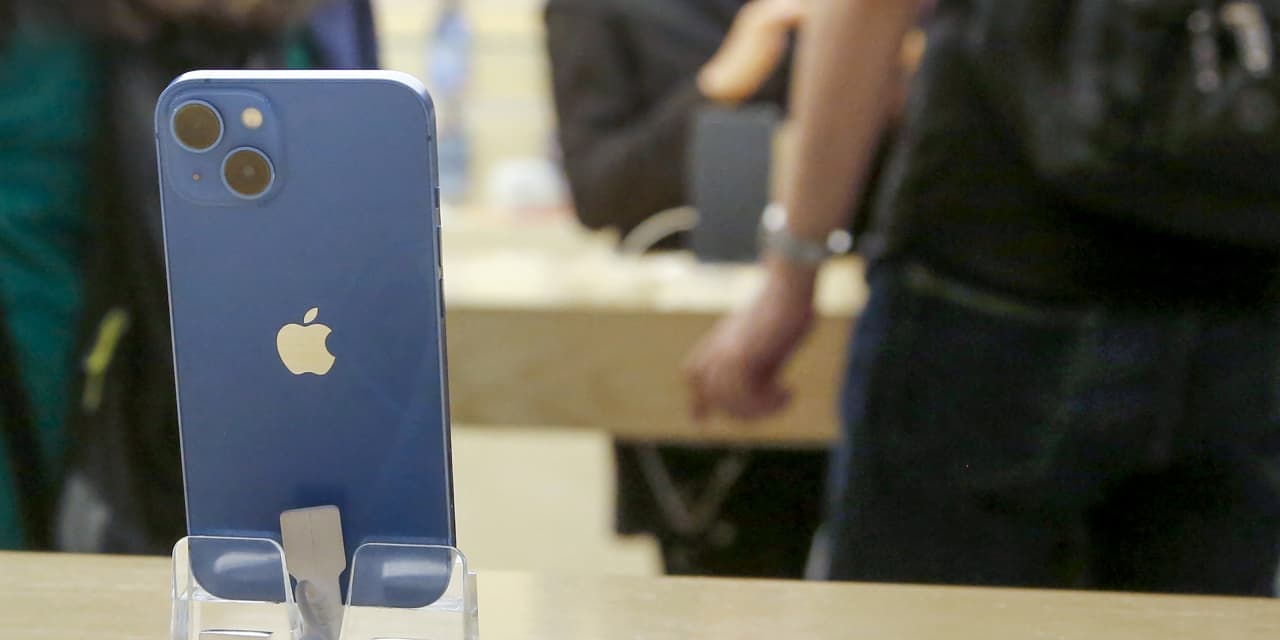
- Pricing Strategy Shift: The launch of the iPhone 17e at a starting price of $599 marks a significant departure from Apple's traditional premium pricing, aimed at attracting more consumers into its ecosystem, thereby enhancing long-term user retention and service revenue.
- Product Line Expansion: The new MacBook Neo, priced at $599, becomes Apple's cheapest laptop ever, a notable reduction from the previous $999 price point, indicating a more competitive pricing strategy in a fiercely contested market.
- Service Revenue Growth Potential: As of fiscal year 2025, services accounted for 26% of total sales, with expectations for continued growth in this segment, highlighting the company's focus on high-margin, sustainable revenue sources despite cyclical challenges in device sales.
- Long-Term Investment Appeal: Despite short-term pressures on device sales, Apple demonstrates robust sales growth, particularly with the iPhone 17, indicating that the company's long-term strategy remains attractive for investors focused on sustained growth.
See More

Trump Administration Blacklists Anthropic, Shocking Washington Officials


- Blacklist Shock: The Trump administration's decision to blacklist Anthropic has shocked Washington officials, as the company's AI models were favored by the Department of Defense for their superior performance, leaving the military without a key technology vendor for sensitive operations.
- Contractual Risks: Designated as a supply chain risk, Anthropic must ensure defense contractors do not use its models, a label typically reserved for foreign adversaries, potentially jeopardizing hundreds of millions in contracts and imposing significant financial pressure on the company.
- Legal Challenge: Anthropic has filed a lawsuit against the Trump administration, claiming the government's actions are 'unprecedented and unlawful' and asserting that they are causing irreparable harm, which could impact its market position in the defense sector.
- Technological Dependency: Despite being blacklisted, Anthropic's Claude models are still widely used across various government agencies, and the transition to new vendors is complicated and time-consuming, which may lead to decreased efficiency for the Department of Defense during critical military operations.
See More
Apple Delays Smart Home Display Release
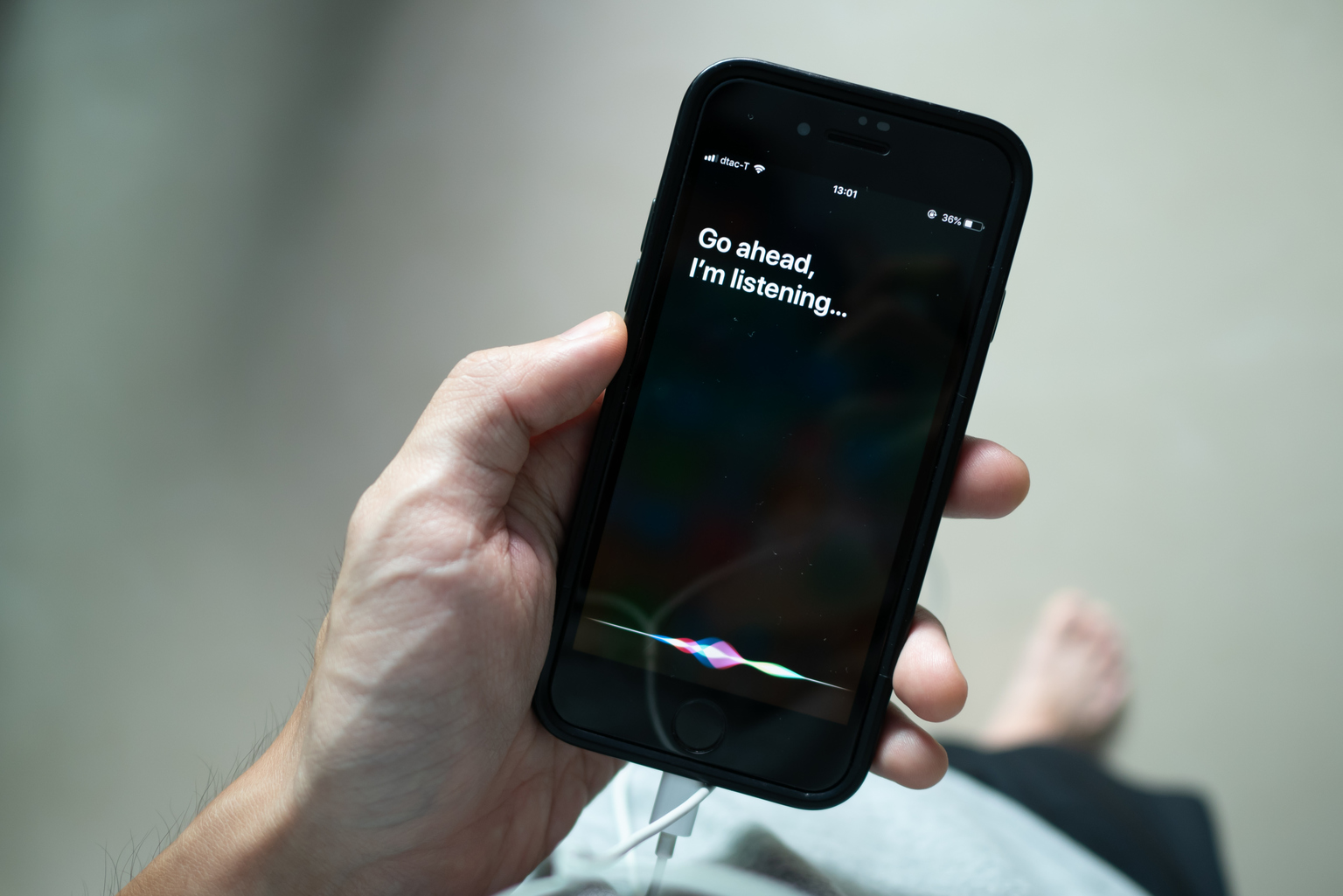
- Release Delay: Apple has postponed the launch of its new smart home display, originally set for spring 2025, to March 2026 due to ongoing upgrades to Siri, reflecting the company's commitment to product quality.
- Partnership Development: Apple has partnered with Google to develop the AI model for Siri, with Google stating that its technology provides a robust foundation for Apple’s foundational models, aiming to enhance user experience and strengthen product competitiveness.
- Product Features: The new device resembles a square-shaped iPad with facial recognition capabilities, serving as an AI hub for the home, which is expected to provide users with a more intelligent home management experience, further solidifying Apple's position in the smart home market.
- Timeline Alignment: Apple aims to have the updated version of Siri ready by the time of the iPhone 18 launch in September 2026, indicating the company's long-term strategy for integrating smart home technology with mobile devices.
See More

Anthropic Faces Pentagon Ban Amid Controversy


- Pentagon Ban: The Department of Defense has designated Anthropic as a supply chain risk, prohibiting its technology from use in sensitive military environments, jeopardizing hundreds of millions in contracts and straining its relationship with the Pentagon.
- Legal Challenge: Anthropic has filed a lawsuit against the Trump administration, claiming the ban is 'unprecedented and unlawful' and asserting that it causes irreparable harm to the company, potentially threatening its future business prospects.
- Technological Dependence: Despite the shocking decision, many officials view Anthropic's AI models as superior for military applications, particularly in their integration with existing contractors like Palantir, highlighting a significant reliance on this technology.
- Market Pressure: Since its founding in 2021, Anthropic has raised billions, achieving a valuation of $380 billion, but faces intense competition from rivals like OpenAI, forcing it to accelerate commercialization efforts to maintain its market position.
See More
Apple Delays Smart Home Display Launch
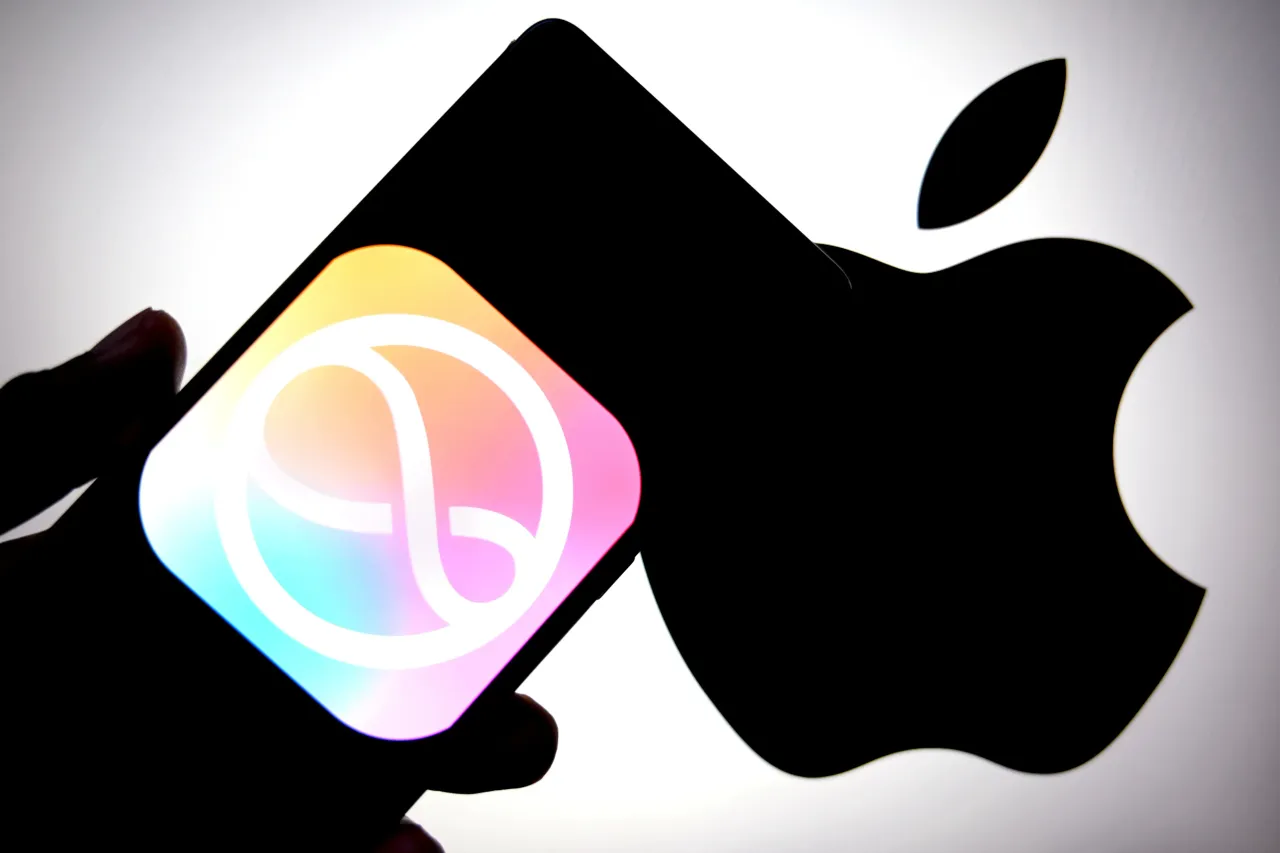
- Launch Delay: Apple's smart home display product, internally known as J490, has been postponed from its initial spring 2025 release to September due to delays in the development of the new Siri digital assistant, indicating a strategic shift in the company's approach to the smart home market.
- Key Component Issues: The new Siri is considered a vital part of the device's interface, and its development timeline directly impacts the product's launch, highlighting challenges Apple faces in advancing its smart assistant technology.
- Market Expectation Changes: The smart home product, originally slated for release this month, has been delayed due to Siri's setbacks, which may affect consumer expectations and confidence in Apple's smart home ecosystem.
- Strategic Implications: This delay not only disrupts Apple's product launch cadence but could also negatively impact its competitive position in the smart home sector, particularly against other tech giants in the industry.
See More

Warren Buffett to Step Down as CEO of Berkshire Hathaway by End of 2025

- Portfolio Overview: As of now, Berkshire Hathaway's stock portfolio is valued at $307 billion, and although Buffett is set to step down as CEO, his investment philosophy will continue to provide valuable insights for new investors.
- Strength of Apple and American Express: Apple and American Express account for 19.1% and 14.6% of Berkshire's portfolio, respectively, both regarded as reliable long-term investments, with analysts projecting revenue and EPS growth rates of 8% and 11% from 2025 to 2028 for Apple.
- American Express's Resilience: American Express's business model insulates it from interest rate fluctuations, with expected revenue and EPS growth rates of 9% and 15% respectively over the next few years, highlighting its potential as a quality investment.
- Challenges for Kraft Heinz: Despite Kraft Heinz accounting for 2.6% of Berkshire's portfolio, its poor performance amid health food trends has led analysts to predict continued revenue decline, indicating significant investment risks through 2028.
See More
Apple's New Budget-Friendly Product Strategy
- Pricing Strategy Shift: The launch of the iPhone 17e at a starting price of $599 marks a significant departure from Apple's traditional premium pricing, aimed at attracting more consumers into its ecosystem, thereby enhancing long-term user retention and service revenue.
- Product Line Expansion: The new MacBook Neo, priced at $599, becomes Apple's cheapest laptop ever, a notable reduction from the previous $999 price point, indicating a more competitive pricing strategy in a fiercely contested market.
- Service Revenue Growth Potential: As of fiscal year 2025, services accounted for 26% of total sales, with expectations for continued growth in this segment, highlighting the company's focus on high-margin, sustainable revenue sources despite cyclical challenges in device sales.
- Long-Term Investment Appeal: Despite short-term pressures on device sales, Apple demonstrates robust sales growth, particularly with the iPhone 17, indicating that the company's long-term strategy remains attractive for investors focused on sustained growth.
See More
Trump Administration Blacklists Anthropic, Shocking Washington Officials
- Blacklist Shock: The Trump administration's decision to blacklist Anthropic has shocked Washington officials, as the company's AI models were favored by the Department of Defense for their superior performance, leaving the military without a key technology vendor for sensitive operations.
- Contractual Risks: Designated as a supply chain risk, Anthropic must ensure defense contractors do not use its models, a label typically reserved for foreign adversaries, potentially jeopardizing hundreds of millions in contracts and imposing significant financial pressure on the company.
- Legal Challenge: Anthropic has filed a lawsuit against the Trump administration, claiming the government's actions are 'unprecedented and unlawful' and asserting that they are causing irreparable harm, which could impact its market position in the defense sector.
- Technological Dependency: Despite being blacklisted, Anthropic's Claude models are still widely used across various government agencies, and the transition to new vendors is complicated and time-consuming, which may lead to decreased efficiency for the Department of Defense during critical military operations.
See More
Apple Delays Smart Home Display Release
- Release Delay: Apple has postponed the launch of its new smart home display, originally set for spring 2025, to March 2026 due to ongoing upgrades to Siri, reflecting the company's commitment to product quality.
- Partnership Development: Apple has partnered with Google to develop the AI model for Siri, with Google stating that its technology provides a robust foundation for Apple’s foundational models, aiming to enhance user experience and strengthen product competitiveness.
- Product Features: The new device resembles a square-shaped iPad with facial recognition capabilities, serving as an AI hub for the home, which is expected to provide users with a more intelligent home management experience, further solidifying Apple's position in the smart home market.
- Timeline Alignment: Apple aims to have the updated version of Siri ready by the time of the iPhone 18 launch in September 2026, indicating the company's long-term strategy for integrating smart home technology with mobile devices.
See More
Anthropic Faces Pentagon Ban Amid Controversy
- Pentagon Ban: The Department of Defense has designated Anthropic as a supply chain risk, prohibiting its technology from use in sensitive military environments, jeopardizing hundreds of millions in contracts and straining its relationship with the Pentagon.
- Legal Challenge: Anthropic has filed a lawsuit against the Trump administration, claiming the ban is 'unprecedented and unlawful' and asserting that it causes irreparable harm to the company, potentially threatening its future business prospects.
- Technological Dependence: Despite the shocking decision, many officials view Anthropic's AI models as superior for military applications, particularly in their integration with existing contractors like Palantir, highlighting a significant reliance on this technology.
- Market Pressure: Since its founding in 2021, Anthropic has raised billions, achieving a valuation of $380 billion, but faces intense competition from rivals like OpenAI, forcing it to accelerate commercialization efforts to maintain its market position.
See More
Apple Delays Smart Home Display Launch
- Launch Delay: Apple's smart home display product, internally known as J490, has been postponed from its initial spring 2025 release to September due to delays in the development of the new Siri digital assistant, indicating a strategic shift in the company's approach to the smart home market.
- Key Component Issues: The new Siri is considered a vital part of the device's interface, and its development timeline directly impacts the product's launch, highlighting challenges Apple faces in advancing its smart assistant technology.
- Market Expectation Changes: The smart home product, originally slated for release this month, has been delayed due to Siri's setbacks, which may affect consumer expectations and confidence in Apple's smart home ecosystem.
- Strategic Implications: This delay not only disrupts Apple's product launch cadence but could also negatively impact its competitive position in the smart home sector, particularly against other tech giants in the industry.
See More
Warren Buffett to Step Down as CEO of Berkshire Hathaway by End of 2025
- Portfolio Overview: As of now, Berkshire Hathaway's stock portfolio is valued at $307 billion, and although Buffett is set to step down as CEO, his investment philosophy will continue to provide valuable insights for new investors.
- Strength of Apple and American Express: Apple and American Express account for 19.1% and 14.6% of Berkshire's portfolio, respectively, both regarded as reliable long-term investments, with analysts projecting revenue and EPS growth rates of 8% and 11% from 2025 to 2028 for Apple.
- American Express's Resilience: American Express's business model insulates it from interest rate fluctuations, with expected revenue and EPS growth rates of 9% and 15% respectively over the next few years, highlighting its potential as a quality investment.
- Challenges for Kraft Heinz: Despite Kraft Heinz accounting for 2.6% of Berkshire's portfolio, its poor performance amid health food trends has led analysts to predict continued revenue decline, indicating significant investment risks through 2028.
See More