Apple CEO Tim Cook to Step Down, John Ternus to Succeed
Written by Emily J. Thompson, Senior Investment Analyst
Updated: 21 hours ago
0mins


Should l Buy AAPL?
Source: NASDAQ.COM
- Leadership Transition: Apple announced that CEO Tim Cook will step down in September, transitioning to executive chairman, with hardware engineering head John Ternus taking over as CEO, marking a significant shift in leadership that could impact future product innovation directions.
- Cook's Legacy: Since Tim Cook took over in 2011, Apple's total return has reached 3,100%, compared to just 731% for the S&P 500, showcasing Cook's exceptional performance in enhancing company value while setting high expectations for the new CEO.
- Service Revenue Growth: Under Cook's leadership, Apple's service revenue has surged from 5% to over 25%, with more than 1 billion paid subscriptions, indicating significant success in diversifying revenue streams, which will continue to drive profitability in the future.
- AI Innovation Challenge: Despite Cook's successes in various areas, his lag in AI innovation is seen as a major challenge for the new leadership, and Ternus's appointment may accelerate Apple's development in this critical field.
Trade with 70% Backtested Accuracy
Stop guessing "Should I Buy AAPL?" and start using high-conviction signals backed by rigorous historical data.
Sign up today to access powerful investing tools and make smarter, data-driven decisions.
Analyst Views on AAPL
Wall Street analysts forecast AAPL stock price to rise
27 Analyst Rating
17 Buy
9 Hold
1 Sell
Moderate Buy
Current: 273.430

Low
239.00
Averages
306.89
High
350.00
Current: 273.430
Low
239.00
Averages
306.89
High
350.00
About AAPL
Apple Inc. designs, manufactures and markets smartphones, personal computers, tablets, wearables and accessories, and sells a variety of related services. Its product categories include iPhone, Mac, iPad, and Wearables, Home and Accessories. Its software platforms include iOS, iPadOS, macOS, watchOS, visionOS, and tvOS. Its services include advertising, AppleCare, cloud services, digital content and payment services. The Company operates various platforms, including the App Store, that allow customers to discover and download applications and digital content, such as books, music, video, games and podcasts. It also offers digital content through subscription-based services, including Apple Arcade, Apple Fitness+, Apple Music, Apple News+, and Apple TV+. Its products include iPhone 16 Pro, iPhone 16, iPhone 15, iPhone 14, iPhone SE, MacBook Air, MacBook Pro, iMac, Mac mini, Mac Studio, Mac Pro, iPad Pro, iPad Air, AirPods, AirPods Pro, AirPods Max, Apple TV, Apple Vision Pro and others.
About the author

Emily J. Thompson
Emily J. Thompson, a Chartered Financial Analyst (CFA) with 12 years in investment research, graduated with honors from the Wharton School. Specializing in industrial and technology stocks, she provides in-depth analysis for Intellectia’s earnings and market brief reports.

Tech Giants' Earnings and Spending Will Be Key


- Market Highs Challenge: While the stock market is at highs, the earnings and spending of tech giants like Apple, Amazon, and Google will be key focal points, potentially impacting investor confidence and market trends.
- Earnings Impact Expectations: Investors are eagerly anticipating these companies' earnings reports, as any unexpected financial performance could trigger stock price volatility amid increasing economic uncertainty.
- Spending Strategy Importance: The spending strategies of tech companies on R&D and marketing will directly influence their future growth potential, making effective resource allocation crucial in a competitive market environment.
- Geopolitical Factors: The cancellation of talks with Iran may indirectly affect global markets, particularly in the energy and tech sectors, prompting investors to monitor how these developments could influence market sentiment.
See More

Mixed Week for Wall Street as Oil Prices Surge Amid Middle East Conflict

- Oil Price Surge: Crude oil futures rose approximately 13.2% this week due to the unresolved conflict in the Middle East, settling near $94 per barrel, while Brent crude increased by 17.2% to around $105, which could influence energy stocks and overall market sentiment.
- Retail Sales Growth: U.S. retail sales exceeded expectations in March, while February business inventories rose 0.4% month-over-month to $2.69 trillion, surpassing the 0.2% consensus estimate, indicating resilience in consumer markets and potential support for economic recovery.
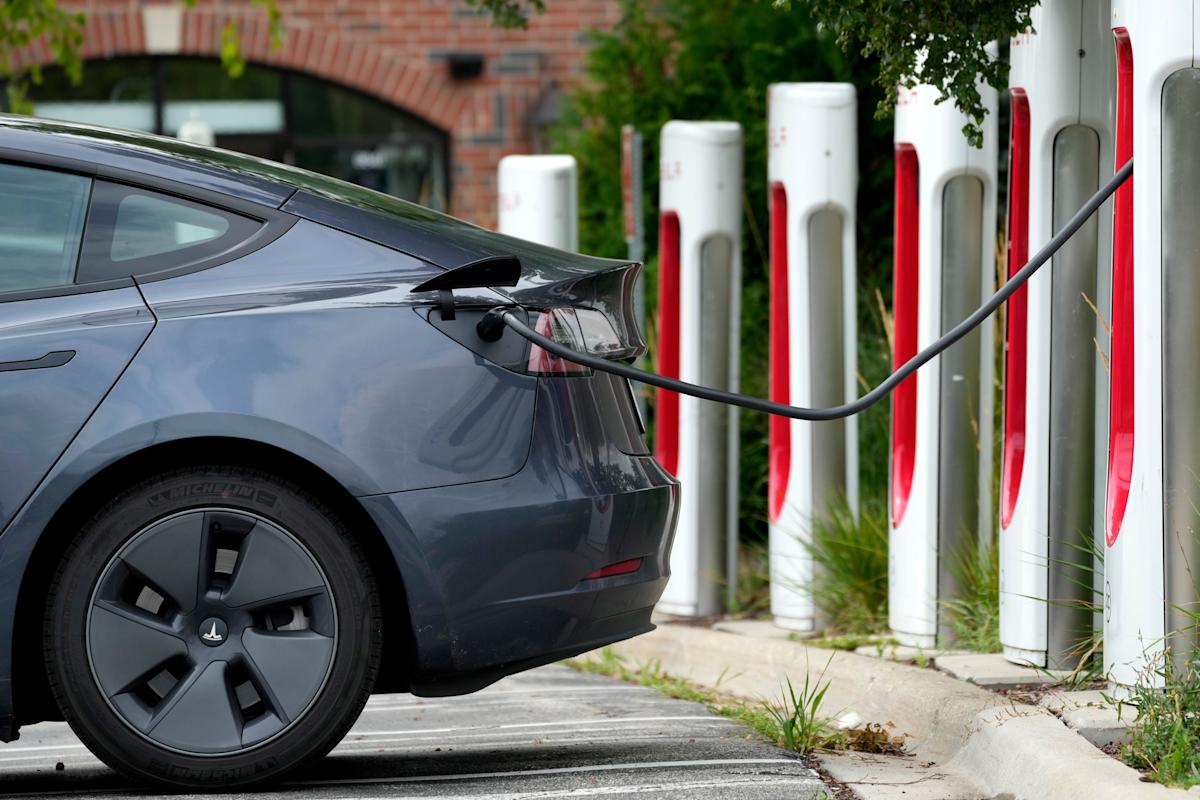
- Tesla Earnings Pressure: Tesla reported Q1 revenue of $22.9 billion, a 15.8% year-over-year increase, with EPS at $0.41 beating consensus, yet shares faced pressure post-earnings, reflecting market concerns over future capital expenditures.
- Apple Leadership Transition: Apple announced CEO Tim Cook will step down on September 1, with John Ternus taking over, which could significantly impact the company's strategic direction and innovation trajectory as the market reacts to this leadership change.
See More

Earnings from Apple, Amazon, Google to Impact Market Rally

- Market Highs: The stock market is currently at historical highs, with investor expectations for future earnings soaring, particularly in an AI-driven market environment, indicating strong investment confidence.
- Earnings Focus: Major tech giants like Apple, Amazon, and Google are set to release earnings reports, with the market closely watching their investments and spending plans in the AI sector, which will directly impact their stock performance and market sentiment.
- Spending Plans Impact: The spending plans of these companies not only relate to their financial health but could also influence investment trends across the tech industry, thereby affecting the overall market direction.
- Investor Attention: As earnings reports approach, investors are filled with anticipation regarding these companies' performances, and any results that exceed or fall short of expectations could trigger market volatility, further influencing investor decisions.
See More

Bipartisan Support Grows for Right-to-Repair Movement in the U.S.

- Legislative Progress: Since the passage of right-to-repair legislation in New York in 2022, states like California and Colorado have enacted similar laws, with 57 right-to-repair bills tracked across 22 states, indicating strong consumer demand and political backing for repair rights.
- Economic Impact: New York's right-to-repair law has led to an increase in independent repair shops, with families saving an average of $400 annually, and the cost of screen repairs dropping from $250 to more affordable levels, enhancing consumer economic power and choice.
- Bipartisan Collaboration: The REPAIR Act, co-sponsored by Senators Luján and Hawley, mandates automakers to provide access to repair data, aiming to dismantle manufacturers' monopolies on repair markets and reflecting a broad consensus on the importance of repair rights.
- Industry Response Divergence: While some tech companies like Apple have softened their stance, Deere faces criticism over its repair options, with the FTC filing a lawsuit against it, highlighting the controversies and implications of the right-to-repair movement within the industry.
See More

Multiple U.S. States Pass Right-to-Repair Laws
- Right-to-Repair Legislation: States like California, Colorado, Minnesota, and New York have enacted comprehensive right-to-repair laws covering consumer electronics and agricultural equipment, which are expected to lower repair costs for consumers and enhance market competitiveness.
- Industry Backlash: John Deere settled a $99 million lawsuit with farmers over right-to-repair issues, highlighting corporate compromises under legal pressure while sparking widespread controversy over its repair policies.
- Bipartisan Support: The right-to-repair movement has garnered bipartisan backing, with federal senators jointly introducing the REPAIR Act aimed at ensuring consumers and independent repair shops have secure access to vehicle repair data, thereby enhancing consumer choice.
- Consumer Savings: New York's right-to-repair law is projected to save families approximately $400 annually on repair costs, with an expected 15% increase in independent repair shops, further promoting sustainable economic growth.
See More
Apple Inc. Leadership Transition Marks New Era
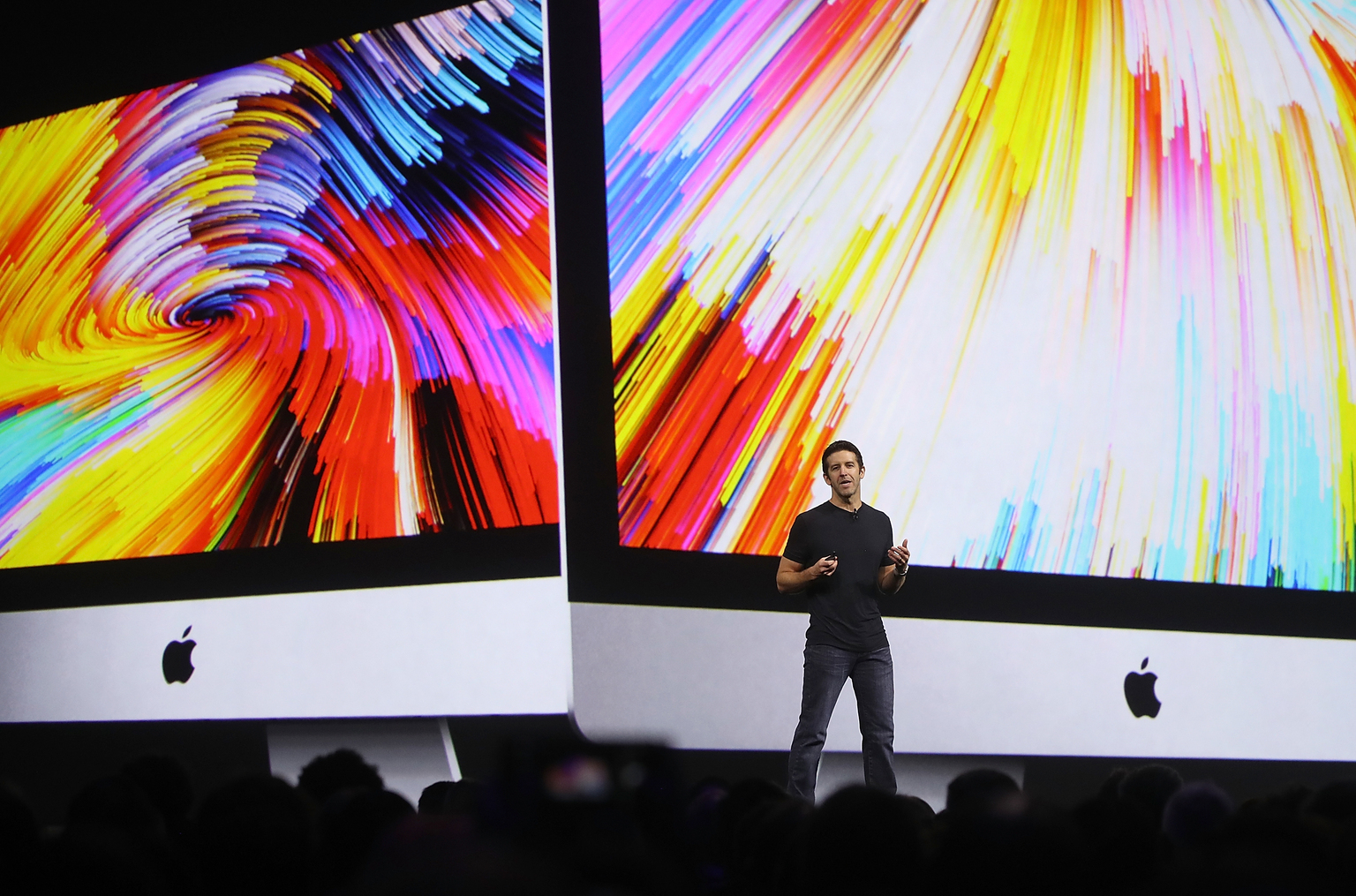
- Leadership Transition: Apple Inc. announced that Tim Cook will step down as CEO on September 1 after a 15-year tenure, with John Ternus set to drive hardware innovation, although analysts express cautious sentiment regarding the company's future.
- AI Strategy Outlook: Apple's AI strategy focuses on on-device inference and privacy-centric edge computing, leveraging its 2.5 billion active devices to minimize depreciation costs associated with large-scale data center investments, potentially catalyzing product innovation.
- Valuation Challenges: The company's forward P/E ratio ranges from 32x to 34x, trading at an 18.7% premium to Big Tech peers, raising concerns among analysts about its AI leadership and operational risks that may limit short-term growth potential.
- Market Competition Pressure: Amid competition from Microsoft, Meta, and Alphabet, Apple anticipates approximately 15% revenue growth in Q2, yet faces ongoing uncertainty from the Chinese market, particularly due to rising memory prices and TSMC capacity constraints.
See More
Tech Giants' Earnings and Spending Will Be Key
- Market Highs Challenge: While the stock market is at highs, the earnings and spending of tech giants like Apple, Amazon, and Google will be key focal points, potentially impacting investor confidence and market trends.
- Earnings Impact Expectations: Investors are eagerly anticipating these companies' earnings reports, as any unexpected financial performance could trigger stock price volatility amid increasing economic uncertainty.
- Spending Strategy Importance: The spending strategies of tech companies on R&D and marketing will directly influence their future growth potential, making effective resource allocation crucial in a competitive market environment.
- Geopolitical Factors: The cancellation of talks with Iran may indirectly affect global markets, particularly in the energy and tech sectors, prompting investors to monitor how these developments could influence market sentiment.
See More
Mixed Week for Wall Street as Oil Prices Surge Amid Middle East Conflict
- Oil Price Surge: Crude oil futures rose approximately 13.2% this week due to the unresolved conflict in the Middle East, settling near $94 per barrel, while Brent crude increased by 17.2% to around $105, which could influence energy stocks and overall market sentiment.
- Retail Sales Growth: U.S. retail sales exceeded expectations in March, while February business inventories rose 0.4% month-over-month to $2.69 trillion, surpassing the 0.2% consensus estimate, indicating resilience in consumer markets and potential support for economic recovery.
- Tesla Earnings Pressure: Tesla reported Q1 revenue of $22.9 billion, a 15.8% year-over-year increase, with EPS at $0.41 beating consensus, yet shares faced pressure post-earnings, reflecting market concerns over future capital expenditures.
- Apple Leadership Transition: Apple announced CEO Tim Cook will step down on September 1, with John Ternus taking over, which could significantly impact the company's strategic direction and innovation trajectory as the market reacts to this leadership change.
See More
Earnings from Apple, Amazon, Google to Impact Market Rally
- Market Highs: The stock market is currently at historical highs, with investor expectations for future earnings soaring, particularly in an AI-driven market environment, indicating strong investment confidence.
- Earnings Focus: Major tech giants like Apple, Amazon, and Google are set to release earnings reports, with the market closely watching their investments and spending plans in the AI sector, which will directly impact their stock performance and market sentiment.
- Spending Plans Impact: The spending plans of these companies not only relate to their financial health but could also influence investment trends across the tech industry, thereby affecting the overall market direction.
- Investor Attention: As earnings reports approach, investors are filled with anticipation regarding these companies' performances, and any results that exceed or fall short of expectations could trigger market volatility, further influencing investor decisions.
See More
Bipartisan Support Grows for Right-to-Repair Movement in the U.S.
- Legislative Progress: Since the passage of right-to-repair legislation in New York in 2022, states like California and Colorado have enacted similar laws, with 57 right-to-repair bills tracked across 22 states, indicating strong consumer demand and political backing for repair rights.
- Economic Impact: New York's right-to-repair law has led to an increase in independent repair shops, with families saving an average of $400 annually, and the cost of screen repairs dropping from $250 to more affordable levels, enhancing consumer economic power and choice.
- Bipartisan Collaboration: The REPAIR Act, co-sponsored by Senators Luján and Hawley, mandates automakers to provide access to repair data, aiming to dismantle manufacturers' monopolies on repair markets and reflecting a broad consensus on the importance of repair rights.
- Industry Response Divergence: While some tech companies like Apple have softened their stance, Deere faces criticism over its repair options, with the FTC filing a lawsuit against it, highlighting the controversies and implications of the right-to-repair movement within the industry.
See More
Multiple U.S. States Pass Right-to-Repair Laws
- Right-to-Repair Legislation: States like California, Colorado, Minnesota, and New York have enacted comprehensive right-to-repair laws covering consumer electronics and agricultural equipment, which are expected to lower repair costs for consumers and enhance market competitiveness.
- Industry Backlash: John Deere settled a $99 million lawsuit with farmers over right-to-repair issues, highlighting corporate compromises under legal pressure while sparking widespread controversy over its repair policies.
- Bipartisan Support: The right-to-repair movement has garnered bipartisan backing, with federal senators jointly introducing the REPAIR Act aimed at ensuring consumers and independent repair shops have secure access to vehicle repair data, thereby enhancing consumer choice.
- Consumer Savings: New York's right-to-repair law is projected to save families approximately $400 annually on repair costs, with an expected 15% increase in independent repair shops, further promoting sustainable economic growth.
See More
Apple Inc. Leadership Transition Marks New Era
- Leadership Transition: Apple Inc. announced that Tim Cook will step down as CEO on September 1 after a 15-year tenure, with John Ternus set to drive hardware innovation, although analysts express cautious sentiment regarding the company's future.
- AI Strategy Outlook: Apple's AI strategy focuses on on-device inference and privacy-centric edge computing, leveraging its 2.5 billion active devices to minimize depreciation costs associated with large-scale data center investments, potentially catalyzing product innovation.
- Valuation Challenges: The company's forward P/E ratio ranges from 32x to 34x, trading at an 18.7% premium to Big Tech peers, raising concerns among analysts about its AI leadership and operational risks that may limit short-term growth potential.
- Market Competition Pressure: Amid competition from Microsoft, Meta, and Alphabet, Apple anticipates approximately 15% revenue growth in Q2, yet faces ongoing uncertainty from the Chinese market, particularly due to rising memory prices and TSMC capacity constraints.
See More