Anthropic's IPO Might Arrive Sooner Than Expected!
Anthropic's IPO Plans: Anthropic, a competitor to OpenAI, is preparing for a potential IPO in 2026, aiming for a valuation that could place it among the largest IPOs in history, driven by significant private market interest and ambitious revenue projections.
AI Market Competition: The podcast discusses the competitive landscape of AI companies, highlighting the rapid advancements and spending in the sector, with Anthropic and OpenAI both facing pressure to innovate and secure funding amidst high valuations.
Klarna's Membership Program: Klarna is expanding its buy now, pay later services by introducing a membership program in the U.S. that offers perks similar to credit cards, aiming to attract higher-income consumers who prefer 0% interest payment options.
Investment Insights: Contributors share their investment perspectives, with a focus on companies like Alphabet and Klarna, emphasizing the evolving nature of the buy now, pay later market and the potential for growth in AI and semiconductor technologies.
Trade with 70% Backtested Accuracy
Analyst Views on V

About V
About the author


U.S. Stock Markets Rally Following Ceasefire Agreement


- Market Rally: U.S. stock markets experienced a rally following the ceasefire agreement at the end of March, indicating investor optimism about future economic stability, which could boost consumption and investment growth.
- Stock Performance: As of the afternoon prices on April 30, 2026, stock prices showed widespread increases, reflecting a positive market response to the improved political situation and enhancing investor confidence.
- Video Release Impact: A related video published on May 2, 2026, further heightened market attention on the ceasefire agreement, potentially attracting more investors to participate in the market.
- Economic Outlook: The ceasefire agreement not only helps alleviate market uncertainties but also lays the groundwork for future economic recovery, promoting revival and growth across various sectors.
Wall Street Hits New Historic Highs Amid Strong Earnings

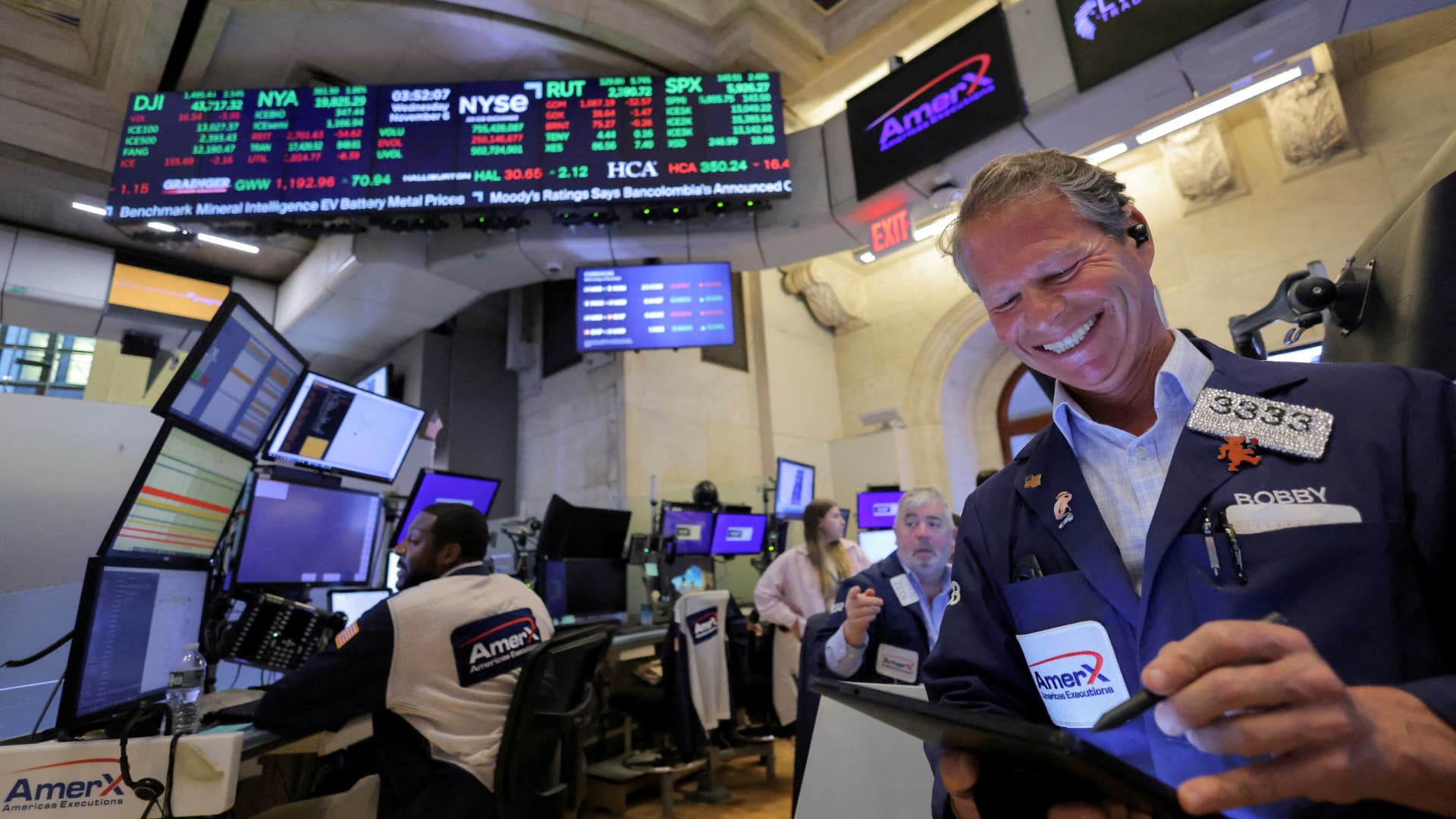
- Strong Market Performance: The S&P 500 and Nasdaq Composite rose by 0.9% and 1.1% respectively over the past five trading sessions, achieving record highs on Monday, Thursday, and Friday, reflecting investor confidence in economic data and corporate earnings.
- Limited Impact from Oil Price Fluctuations: Despite a spike in Brent and West Texas Intermediate crude oil prices due to tensions in the Middle East, investors did not sell off stocks, as evidenced by record highs on both Monday and Thursday, indicating confidence in economic resilience.
- Mixed Reactions to Tech Earnings: While Meta, Microsoft, Alphabet, and Amazon all reported better-than-expected earnings, market reactions varied significantly, with Meta's stock plunging 8.55% due to increased capital expenditure outlook, while Alphabet surged nearly 10% on strong cloud business growth.
- Economic Data Supports Optimism: The Federal Reserve's decision to keep interest rates unchanged, coupled with the lowest unemployment insurance claims since 1969, underscores the resilience of the U.S. economy, further validated by Visa and Mastercard's earnings reports highlighting stable consumer spending.

The Future and Potential of Stablecoins


- Cost Advantage: Stablecoins reduce global money transfer costs, currently averaging 6.5% of the transfer amount, benefiting consumers in cross-border payments and enhancing their appeal in international transactions.
- Volume Forecast: According to a report by Chainalysis, stablecoin transaction volumes are projected to reach $1.5 quadrillion by 2025, indicating potential to surpass Visa and Mastercard in the next decade, thereby transforming the global payment landscape.
- Ethereum's Dominance: Ethereum, as the primary platform supporting stablecoins, accounts for over half of the circulating stablecoins, and a booming stablecoin market could drive increased network usage and elevate Ethereum's price.
- Payment Companies' Involvement: Visa and Mastercard are piloting stablecoin settlement programs, indicating traditional payment companies' commitment to investing in stablecoins and integrating blockchain technology with their market presence.

Stablecoins Rise to Potentially Replace Credit Cards
- Reduced Transaction Costs: The adoption of stablecoins lowers global money transfer costs to an average of 6.5%, enhancing consumer payment experiences by minimizing fees and accelerating settlement times, which could fundamentally alter global payment methods.
- Massive Market Potential: A report from Chainalysis predicts that stablecoin transaction volumes could surpass those of Visa and Mastercard between 2031 and 2039, with adjusted volumes expected to grow from $28 trillion in 2025 to between $719 trillion and $1.5 quadrillion by 2035, indicating a staggering growth potential of over 5,000%.
- Ethereum's Key Role: As the dominant platform for stablecoins, Ethereum accounts for over half of the circulating stablecoins, and if stablecoins thrive in the next decade, it will likely lead to increased network usage and transaction fees, thereby boosting Ethereum's price.
- Payment Companies' Strategic Moves: Visa and Mastercard are piloting stablecoin settlement programs, leveraging their market presence alongside blockchain technology, which underscores the payment industry's focus on stablecoins, despite the challenges of transforming the global payments infrastructure.

Visa Declares $0.67 Quarterly Dividend, Maintains Strong Buy Rating
- Quarterly Dividend Announcement: Visa declares a quarterly dividend of $0.67 per share, consistent with previous distributions, indicating the company's stable cash flow and profitability, which is likely to attract more investor interest.
- Dividend Yield: The forward yield of 0.81% reflects the company's commitment to returning value to shareholders while providing a stable income source for investors amid market fluctuations.
- Record Date for Shareholders: The dividend will be payable on June 1, with a record date of May 12 and an ex-dividend date also set for May 12, ensuring eligible shareholders receive their dividends promptly.
- Future Growth Outlook: Visa projects full-year net revenue growth in the low double digits to low teens, coupled with a total buyback capacity of $33 billion, indicating strong market performance and ongoing growth potential for the company.

Knoa Pharma Establishes New Board to Enhance Public Health Initiatives


- Company Formation Background: Knoa Pharma LLC begins operations independently on May 1, 2026, aiming to ensure safe access to critical medicines while addressing the opioid crisis and enhancing public health, marking a new chapter following Purdue Pharma's bankruptcy.
- Innovative Governance Structure: Knoa Pharma is 100% owned by the newly established non-profit Knoa Foundation, which has created two independent boards to ensure strong oversight and accountability in drug production and distribution, thereby enhancing public trust.
- Commitment to Public Health: Knoa Pharma will manufacture existing medicines, including opioid analgesics, safely and responsibly without promoting opioid products, operating under a strict injunction to minimize the risk of drug diversion and support the U.S. response to the opioid crisis.
- Leadership Team Composition: The new board comprises leaders with extensive experience in public health, drug policy, and corporate governance, ensuring the company meets critical patient needs while promoting sustainable and transparent operations that enhance social responsibility.
U.S. Stock Markets Rally Following Ceasefire Agreement
- Market Rally: U.S. stock markets experienced a rally following the ceasefire agreement at the end of March, indicating investor optimism about future economic stability, which could boost consumption and investment growth.
- Stock Performance: As of the afternoon prices on April 30, 2026, stock prices showed widespread increases, reflecting a positive market response to the improved political situation and enhancing investor confidence.
- Video Release Impact: A related video published on May 2, 2026, further heightened market attention on the ceasefire agreement, potentially attracting more investors to participate in the market.
- Economic Outlook: The ceasefire agreement not only helps alleviate market uncertainties but also lays the groundwork for future economic recovery, promoting revival and growth across various sectors.
Wall Street Hits New Historic Highs Amid Strong Earnings
- Strong Market Performance: The S&P 500 and Nasdaq Composite rose by 0.9% and 1.1% respectively over the past five trading sessions, achieving record highs on Monday, Thursday, and Friday, reflecting investor confidence in economic data and corporate earnings.
- Limited Impact from Oil Price Fluctuations: Despite a spike in Brent and West Texas Intermediate crude oil prices due to tensions in the Middle East, investors did not sell off stocks, as evidenced by record highs on both Monday and Thursday, indicating confidence in economic resilience.
- Mixed Reactions to Tech Earnings: While Meta, Microsoft, Alphabet, and Amazon all reported better-than-expected earnings, market reactions varied significantly, with Meta's stock plunging 8.55% due to increased capital expenditure outlook, while Alphabet surged nearly 10% on strong cloud business growth.
- Economic Data Supports Optimism: The Federal Reserve's decision to keep interest rates unchanged, coupled with the lowest unemployment insurance claims since 1969, underscores the resilience of the U.S. economy, further validated by Visa and Mastercard's earnings reports highlighting stable consumer spending.
The Future and Potential of Stablecoins
- Cost Advantage: Stablecoins reduce global money transfer costs, currently averaging 6.5% of the transfer amount, benefiting consumers in cross-border payments and enhancing their appeal in international transactions.
- Volume Forecast: According to a report by Chainalysis, stablecoin transaction volumes are projected to reach $1.5 quadrillion by 2025, indicating potential to surpass Visa and Mastercard in the next decade, thereby transforming the global payment landscape.
- Ethereum's Dominance: Ethereum, as the primary platform supporting stablecoins, accounts for over half of the circulating stablecoins, and a booming stablecoin market could drive increased network usage and elevate Ethereum's price.
- Payment Companies' Involvement: Visa and Mastercard are piloting stablecoin settlement programs, indicating traditional payment companies' commitment to investing in stablecoins and integrating blockchain technology with their market presence.
Stablecoins Rise to Potentially Replace Credit Cards
- Reduced Transaction Costs: The adoption of stablecoins lowers global money transfer costs to an average of 6.5%, enhancing consumer payment experiences by minimizing fees and accelerating settlement times, which could fundamentally alter global payment methods.
- Massive Market Potential: A report from Chainalysis predicts that stablecoin transaction volumes could surpass those of Visa and Mastercard between 2031 and 2039, with adjusted volumes expected to grow from $28 trillion in 2025 to between $719 trillion and $1.5 quadrillion by 2035, indicating a staggering growth potential of over 5,000%.
- Ethereum's Key Role: As the dominant platform for stablecoins, Ethereum accounts for over half of the circulating stablecoins, and if stablecoins thrive in the next decade, it will likely lead to increased network usage and transaction fees, thereby boosting Ethereum's price.
- Payment Companies' Strategic Moves: Visa and Mastercard are piloting stablecoin settlement programs, leveraging their market presence alongside blockchain technology, which underscores the payment industry's focus on stablecoins, despite the challenges of transforming the global payments infrastructure.
Visa Declares $0.67 Quarterly Dividend, Maintains Strong Buy Rating
- Quarterly Dividend Announcement: Visa declares a quarterly dividend of $0.67 per share, consistent with previous distributions, indicating the company's stable cash flow and profitability, which is likely to attract more investor interest.
- Dividend Yield: The forward yield of 0.81% reflects the company's commitment to returning value to shareholders while providing a stable income source for investors amid market fluctuations.
- Record Date for Shareholders: The dividend will be payable on June 1, with a record date of May 12 and an ex-dividend date also set for May 12, ensuring eligible shareholders receive their dividends promptly.
- Future Growth Outlook: Visa projects full-year net revenue growth in the low double digits to low teens, coupled with a total buyback capacity of $33 billion, indicating strong market performance and ongoing growth potential for the company.
Knoa Pharma Establishes New Board to Enhance Public Health Initiatives
- Company Formation Background: Knoa Pharma LLC begins operations independently on May 1, 2026, aiming to ensure safe access to critical medicines while addressing the opioid crisis and enhancing public health, marking a new chapter following Purdue Pharma's bankruptcy.
- Innovative Governance Structure: Knoa Pharma is 100% owned by the newly established non-profit Knoa Foundation, which has created two independent boards to ensure strong oversight and accountability in drug production and distribution, thereby enhancing public trust.
- Commitment to Public Health: Knoa Pharma will manufacture existing medicines, including opioid analgesics, safely and responsibly without promoting opioid products, operating under a strict injunction to minimize the risk of drug diversion and support the U.S. response to the opioid crisis.
- Leadership Team Composition: The new board comprises leaders with extensive experience in public health, drug policy, and corporate governance, ensuring the company meets critical patient needs while promoting sustainable and transparent operations that enhance social responsibility.