Analyst Lowers Constellation Energy Price Target
Written by Emily J. Thompson, Senior Investment Analyst
Updated: 3 hours ago
0mins
Source: Fool
- Stock Decline: Constellation Energy (CEG) shares fell after closing at $299.14 last Thursday, with a 3.1% drop today to $277.88 as of 2:54 p.m. ET, indicating market concerns about its outlook.
- Target Price Adjustment: Morgan Stanley maintained a buy rating but lowered its price target from $385 to $360, which still implies a potential upside of about 25.2% from yesterday's closing price, reflecting a cautiously optimistic long-term view.
- Market Performance: Constellation Energy has a market cap of $104 billion, with a day's trading range between $276.80 and $289.00, and a 52-week range of $195.85 to $412.70, highlighting the stock's volatility in the market.
- Investor Confidence: While the lowered target may disappoint short-term investors, long-term investors should focus on the company's fundamentals, with the next financial results announcement scheduled for May 11, 2026, expected to provide clearer insights into its future.
Trade with 70% Backtested Accuracy
Stop guessing "Should I Buy CEG?" and start using high-conviction signals backed by rigorous historical data.
Sign up today to access powerful investing tools and make smarter, data-driven decisions.
Analyst Views on CEG
Wall Street analysts forecast CEG stock price to rise
7 Analyst Rating
6 Buy
1 Hold
0 Sell
Strong Buy
Current: 287.560

Low
350.00
Averages
414.86
High
460.00
Current: 287.560
Low
350.00
Averages
414.86
High
460.00
About CEG
Constellation Energy Corporation is a producer of emissions-free energy and an energy supplier to businesses, homes and public sector customers nationwide. The Company’s nuclear, hydro, wind, and solar generation facilities have the generating capacity to power the equivalent of 27 million homes, providing about 10% of the nation’s clean energy. Its segments include Mid-Atlantic, Midwest, New York, ERCOT, and Other Power Regions. Through its integrated business operations, it sells electricity, natural gas, and other energy-related products and sustainable solutions to various types of customers, including distribution utilities, municipalities, cooperatives, commercial, industrial, public sector, and residential customers in markets across multiple geographic regions. It operates approximately 55 gigawatts of capacity from nuclear, natural gas, geothermal, hydro, wind and solar facilities.
About the author

Emily J. Thompson
Emily J. Thompson, a Chartered Financial Analyst (CFA) with 12 years in investment research, graduated with honors from the Wharton School. Specializing in industrial and technology stocks, she provides in-depth analysis for Intellectia’s earnings and market brief reports.

Analyst Lowers Constellation Energy Price Target


- Stock Decline: Constellation Energy (CEG) shares fell after closing at $299.14 last Thursday, with a 3.1% drop today to $277.88 as of 2:54 p.m. ET, indicating market concerns about its outlook.
- Target Price Adjustment: Morgan Stanley maintained a buy rating but lowered its price target from $385 to $360, which still implies a potential upside of about 25.2% from yesterday's closing price, reflecting a cautiously optimistic long-term view.
- Market Performance: Constellation Energy has a market cap of $104 billion, with a day's trading range between $276.80 and $289.00, and a 52-week range of $195.85 to $412.70, highlighting the stock's volatility in the market.
- Investor Confidence: While the lowered target may disappoint short-term investors, long-term investors should focus on the company's fundamentals, with the next financial results announcement scheduled for May 11, 2026, expected to provide clearer insights into its future.
See More

AI Surge Drives Energy Demand Explosion


- Surge in Energy Demand: Data center electricity demand is projected to double from approximately 448 TWh in 2025 to nearly 980 TWh by 2030, with AI-optimized servers accounting for 44%, indicating that the energy-intensive nature of AI training and inference is becoming a critical constraint in infrastructure planning.
- Infrastructure Bottlenecks: As energy demand surges, many electrical grids are struggling with outdated designs that cannot accommodate the continuous high loads of modern data centers, leading to project delays and constraints on technological progress, highlighting the urgent need for new energy solutions to alleviate these bottlenecks.
- Focus on Localized Generation: American Fusion is concentrating on localized, high-output energy generation, aiming to reduce reliance on centralized grids by providing dedicated power sources for high-demand applications like data centers, thereby addressing the growing energy needs effectively.
- From Innovation to Execution: As technologies mature, the industry is shifting from research-driven innovation to execution-focused development, with American Fusion reflecting this trend by emphasizing the construction of both technological capabilities and operational infrastructure, ensuring its critical role in future energy solutions.
See More
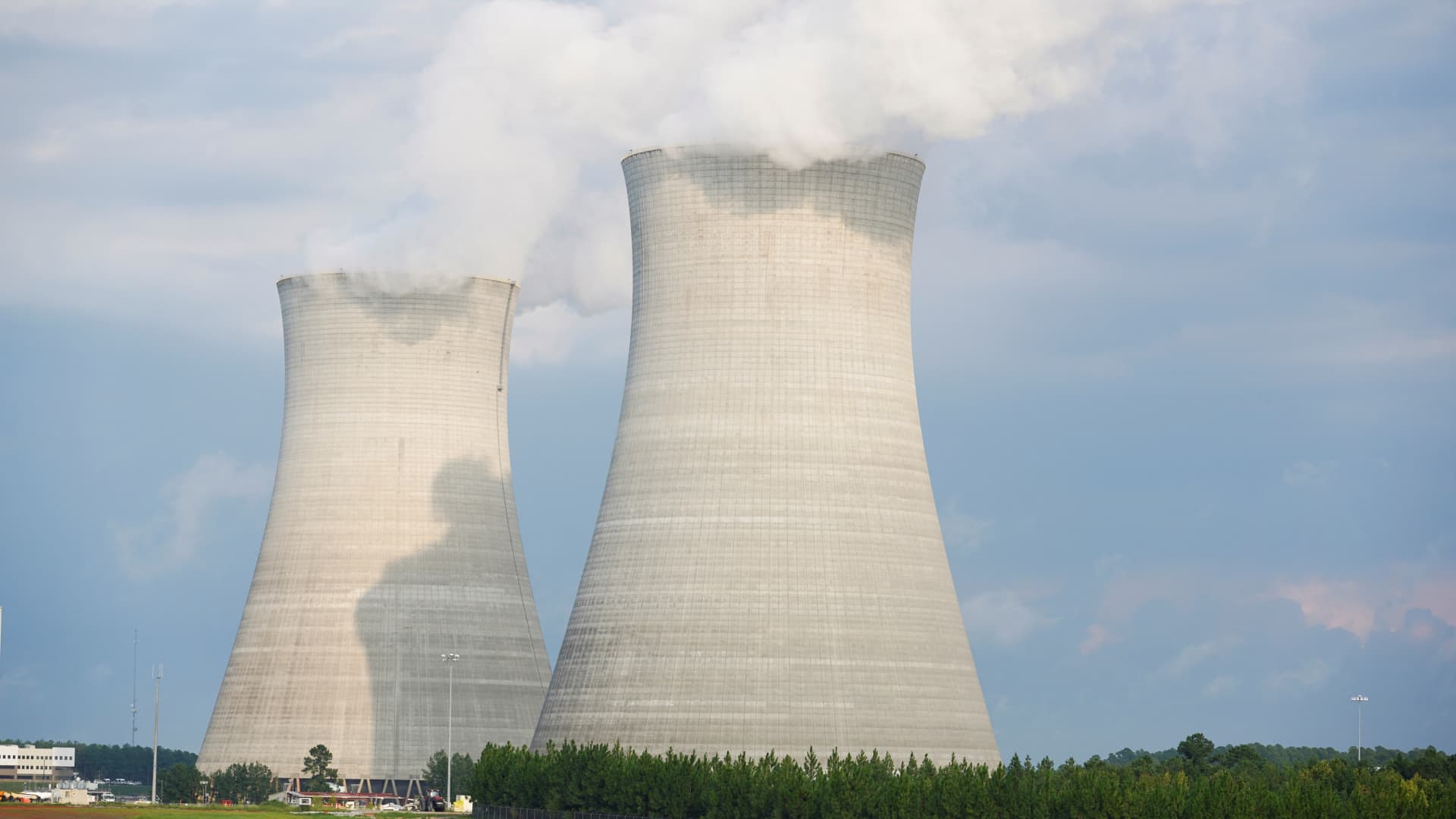
Market Speculation Risks Resurface


- Speculation Warning: CNBC's Jim Cramer warns that signs of excessive speculation are resurfacing in the market, recalling how last year's speculative stocks led to significant investor losses, indicating that current market enthusiasm may be outpacing necessary investment discipline.
- High-Risk Investment Areas: Cramer highlights high-risk sectors such as unprofitable nuclear startups, quantum computing, and space-related stocks, acknowledging their long-term potential but expressing concern that many smaller companies lack viable business models, which could lead to investor losses again.
- Mature Company Recommendations: For investors seeking exposure to these industries, Cramer recommends established companies with stable earnings and complementary business lines, such as Constellation Energy and GE Vernova, which have extensive experience in nuclear and renewable energy.
- AI Compute Infrastructure: Cramer sharply criticizes Allbirds' pivot plan, noting its stock surged 582% post-announcement but then fell 36%, advising investors to focus on stronger semiconductor firms like Nvidia and TSMC for a more reliable play in the AI compute boom.
See More
Constellation Energy Faces Regulatory Challenges Amidst Valuation Concerns
- Weak Market Performance: Constellation Energy has had a sluggish start to 2026, with its stock price declining by 0.63% to $294.73 due to regulatory uncertainties and high valuations, indicating market concerns about its future profitability.
- Nuclear Asset Advantage: The company operates 21 reactors across the U.S., accounting for nearly a quarter of the nation's active reactors, providing a competitive edge; however, it faces risks from falling electricity prices that could impact profitability.
- Price Cap Policy: PJM and FERC have implemented price collar policies that limit price fluctuations in upcoming auctions, establishing a cap of $325/MW-day and a floor of $175/MW-day, which will restrict Constellation's profit potential during supply shortages.
- Earnings Forecast Downgrade: Management forecasts earnings per share for 2026 to be between $11 and $12, below analysts' expectations of $12.11, reflecting a cautious market outlook on its growth prospects, which may lead to diminished investor confidence in its stock.
See More

Surge in Nuclear Energy Investment Opportunities


- Nuclear Expansion Outlook: Fifteen new reactors are expected to come online this year, with an additional 50 projected by 2030, and over 75 nuclear reactors currently under construction globally, highlighting the increasing significance of nuclear energy in the global energy mix.
- Demand-Driven Growth: The rising demand for clean energy and the energy needs of AI data centers are driving nuclear expansion, with the IAEA raising its nuclear power expansion projections for the fourth consecutive year, estimating that global nuclear capacity will double by 2050, underscoring the strategic importance of the nuclear sector.
- Emerging Investment Opportunities: Constellation Energy, the largest nuclear power provider in the U.S., generates 86% of its power from nuclear and has signed a 20-year power supply agreement with Microsoft, indicating potential for more similar deals that bolster shareholder confidence.
- Potential of Small Modular Reactors: GE Vernova's GE Hitachi unit is providing small modular reactors expected to revolutionize the nuclear industry, with stock climbing 51% in 2026, demonstrating the transformative potential of these reactors in accelerating power plant start-up.
See More

Constellation Energy Faces Share Price Decline Amid Mixed Outlook
- Share Price Decline: Constellation Energy's stock has fallen over 20% since the beginning of the year, primarily due to underwhelming guidance for 2026, with adjusted earnings per share (EPS) expected between $11 and $12, which, while a 55% increase from 2025, narrowly misses analysts' $11.60 forecast.
- Acquisition Benefits: The acquisition of Calpine is beginning to pay off, as evidenced by a 380-megawatt agreement with CyrusOne to power a new data center, enhancing Constellation's competitive position in the growing data center market.
- Renewable Energy Agreements: With 5,650 megawatts of long-term clean energy agreements, Constellation has a predictable revenue stream, particularly from a 20-year power purchase agreement with Microsoft, which will provide long-term revenue stability once the Crane Clean Energy Center restarts.
- Dividend Growth Plan: The company plans to increase its dividend by 10% annually, and despite a current yield of only 0.57%, the low payout ratio of 21% indicates that future dividend growth is sustainable, reflecting strong financial health.
See More
Analyst Lowers Constellation Energy Price Target
- Stock Decline: Constellation Energy (CEG) shares fell after closing at $299.14 last Thursday, with a 3.1% drop today to $277.88 as of 2:54 p.m. ET, indicating market concerns about its outlook.
- Target Price Adjustment: Morgan Stanley maintained a buy rating but lowered its price target from $385 to $360, which still implies a potential upside of about 25.2% from yesterday's closing price, reflecting a cautiously optimistic long-term view.
- Market Performance: Constellation Energy has a market cap of $104 billion, with a day's trading range between $276.80 and $289.00, and a 52-week range of $195.85 to $412.70, highlighting the stock's volatility in the market.
- Investor Confidence: While the lowered target may disappoint short-term investors, long-term investors should focus on the company's fundamentals, with the next financial results announcement scheduled for May 11, 2026, expected to provide clearer insights into its future.
See More
AI Surge Drives Energy Demand Explosion
- Surge in Energy Demand: Data center electricity demand is projected to double from approximately 448 TWh in 2025 to nearly 980 TWh by 2030, with AI-optimized servers accounting for 44%, indicating that the energy-intensive nature of AI training and inference is becoming a critical constraint in infrastructure planning.
- Infrastructure Bottlenecks: As energy demand surges, many electrical grids are struggling with outdated designs that cannot accommodate the continuous high loads of modern data centers, leading to project delays and constraints on technological progress, highlighting the urgent need for new energy solutions to alleviate these bottlenecks.
- Focus on Localized Generation: American Fusion is concentrating on localized, high-output energy generation, aiming to reduce reliance on centralized grids by providing dedicated power sources for high-demand applications like data centers, thereby addressing the growing energy needs effectively.
- From Innovation to Execution: As technologies mature, the industry is shifting from research-driven innovation to execution-focused development, with American Fusion reflecting this trend by emphasizing the construction of both technological capabilities and operational infrastructure, ensuring its critical role in future energy solutions.
See More
Market Speculation Risks Resurface
- Speculation Warning: CNBC's Jim Cramer warns that signs of excessive speculation are resurfacing in the market, recalling how last year's speculative stocks led to significant investor losses, indicating that current market enthusiasm may be outpacing necessary investment discipline.
- High-Risk Investment Areas: Cramer highlights high-risk sectors such as unprofitable nuclear startups, quantum computing, and space-related stocks, acknowledging their long-term potential but expressing concern that many smaller companies lack viable business models, which could lead to investor losses again.
- Mature Company Recommendations: For investors seeking exposure to these industries, Cramer recommends established companies with stable earnings and complementary business lines, such as Constellation Energy and GE Vernova, which have extensive experience in nuclear and renewable energy.
- AI Compute Infrastructure: Cramer sharply criticizes Allbirds' pivot plan, noting its stock surged 582% post-announcement but then fell 36%, advising investors to focus on stronger semiconductor firms like Nvidia and TSMC for a more reliable play in the AI compute boom.
See More
Constellation Energy Faces Regulatory Challenges Amidst Valuation Concerns
- Weak Market Performance: Constellation Energy has had a sluggish start to 2026, with its stock price declining by 0.63% to $294.73 due to regulatory uncertainties and high valuations, indicating market concerns about its future profitability.
- Nuclear Asset Advantage: The company operates 21 reactors across the U.S., accounting for nearly a quarter of the nation's active reactors, providing a competitive edge; however, it faces risks from falling electricity prices that could impact profitability.
- Price Cap Policy: PJM and FERC have implemented price collar policies that limit price fluctuations in upcoming auctions, establishing a cap of $325/MW-day and a floor of $175/MW-day, which will restrict Constellation's profit potential during supply shortages.
- Earnings Forecast Downgrade: Management forecasts earnings per share for 2026 to be between $11 and $12, below analysts' expectations of $12.11, reflecting a cautious market outlook on its growth prospects, which may lead to diminished investor confidence in its stock.
See More
Surge in Nuclear Energy Investment Opportunities
- Nuclear Expansion Outlook: Fifteen new reactors are expected to come online this year, with an additional 50 projected by 2030, and over 75 nuclear reactors currently under construction globally, highlighting the increasing significance of nuclear energy in the global energy mix.
- Demand-Driven Growth: The rising demand for clean energy and the energy needs of AI data centers are driving nuclear expansion, with the IAEA raising its nuclear power expansion projections for the fourth consecutive year, estimating that global nuclear capacity will double by 2050, underscoring the strategic importance of the nuclear sector.
- Emerging Investment Opportunities: Constellation Energy, the largest nuclear power provider in the U.S., generates 86% of its power from nuclear and has signed a 20-year power supply agreement with Microsoft, indicating potential for more similar deals that bolster shareholder confidence.
- Potential of Small Modular Reactors: GE Vernova's GE Hitachi unit is providing small modular reactors expected to revolutionize the nuclear industry, with stock climbing 51% in 2026, demonstrating the transformative potential of these reactors in accelerating power plant start-up.
See More
Constellation Energy Faces Share Price Decline Amid Mixed Outlook
- Share Price Decline: Constellation Energy's stock has fallen over 20% since the beginning of the year, primarily due to underwhelming guidance for 2026, with adjusted earnings per share (EPS) expected between $11 and $12, which, while a 55% increase from 2025, narrowly misses analysts' $11.60 forecast.
- Acquisition Benefits: The acquisition of Calpine is beginning to pay off, as evidenced by a 380-megawatt agreement with CyrusOne to power a new data center, enhancing Constellation's competitive position in the growing data center market.
- Renewable Energy Agreements: With 5,650 megawatts of long-term clean energy agreements, Constellation has a predictable revenue stream, particularly from a 20-year power purchase agreement with Microsoft, which will provide long-term revenue stability once the Crane Clean Energy Center restarts.
- Dividend Growth Plan: The company plans to increase its dividend by 10% annually, and despite a current yield of only 0.57%, the low payout ratio of 21% indicates that future dividend growth is sustainable, reflecting strong financial health.
See More