Analysis of Tech Giants' Stock Splits
Written by Emily J. Thompson, Senior Investment Analyst
Updated: 7 hours ago
0mins


Should l Buy AMZN?
Source: NASDAQ.COM
- Reason for Stock Splits: Amazon, Alphabet, and Tesla executed stock splits in mid-2022 after experiencing triple or quadruple-digit gains over the previous three years, aiming to lower share prices to attract more investors and potentially initiate a new growth phase.
- Price Performance Review: Prior to their splits, Nvidia's stock surged over 200% in the three years leading up to the split, while Netflix's stock skyrocketed more than 300% in the two and a half years before its split, indicating that strong pre-split performance set the stage for future growth.
- Post-Split Performance: Although Netflix's stock split occurred recently, making direct comparisons challenging, historical data suggests that companies that have completed stock splits often see their share prices rise again over the long term, providing returns to investors.
- Investor Strategy Insights: Stock splits do not affect a company's fundamentals, so investors should focus on earnings growth and prospects; if a quality company continues to deliver growth post-split, it may yield substantial returns once again.
Trade with 70% Backtested Accuracy
Stop guessing "Should I Buy AMZN?" and start using high-conviction signals backed by rigorous historical data.
Sign up today to access powerful investing tools and make smarter, data-driven decisions.
Analyst Views on AMZN
Wall Street analysts forecast AMZN stock price to rise
44 Analyst Rating
41 Buy
3 Hold
0 Sell
Strong Buy
Current: 271.170

Low
175.00
Averages
280.01
High
325.00
Current: 271.170
Low
175.00
Averages
280.01
High
325.00
About AMZN
Amazon.com, Inc. provides a range of products and services to customers. The products offered through its stores include merchandise and content it has purchased for resale and products offered by third-party sellers. The Company’s segments include North America, International and Amazon Web Services (AWS). It serves consumers through its online and physical stores and focuses on selection, price, and convenience. Customers access its offerings through its websites, mobile apps, Alexa, devices, streaming, and physically visiting its stores. It also manufactures and sells electronic devices, including Kindle, Fire tablet, Fire TV, Echo, Ring, Blink, and eero, and develops and produces media content. It serves developers and enterprises of all sizes, including start-ups, government agencies, and academic institutions, through AWS, which offers a set of on-demand technology services, including compute, storage, database, analytics, and machine learning, and other services.
About the author

Emily J. Thompson
Emily J. Thompson, a Chartered Financial Analyst (CFA) with 12 years in investment research, graduated with honors from the Wharton School. Specializing in industrial and technology stocks, she provides in-depth analysis for Intellectia’s earnings and market brief reports.

Alibaba Launches AI Shopping Assistant Integration

- AI Platform Integration: Alibaba is set to integrate its AI platform Qwen with the online marketplace Taobao, enabling consumers to shop through conversations rather than keyword searches, which is expected to enhance user experience and drive sales growth.
- Product Catalog Access: The Qwen app will access the entire catalog of over 4 billion products from Taobao and Tmall, and manage logistics and after-sales services through a 'skills library', significantly improving shopping efficiency and customer satisfaction.
- Smart Recommendation Features: The new system will provide personalized shopping recommendations based on users' order history and shopping preferences, aiming to enhance user engagement and increase conversion rates, thereby boosting overall sales performance.
- Virtual Try-Ons and Price Tracking: Inside Taobao, a Qwen-powered AI shopping assistant will be launched, featuring virtual try-ons and 30-day price tracking capabilities, further bridging the gap between Chinese and Western e-commerce platforms in AI application and enhancing competitiveness.
See More

Amazon's Custom Chips Enhance Cloud Strategy
- Cost Reduction Potential: Amazon's custom chips, Graviton, Trainium, and Nitro, are expected to significantly lower cloud computing costs, which could enhance overall profit margins and strengthen the company's position in the highly competitive cloud market.
- AI Competitiveness Boost: The introduction of these chips not only aids Amazon in enhancing its competitiveness in the artificial intelligence sector but also has the potential to attract more enterprise customers, further solidifying its market share.
- Value Retention Strategy: By developing its own chips, Amazon can retain more value within its cloud platform, reducing reliance on external suppliers, thereby enhancing its long-term profitability and market control.
- Investor Risk Assessment: Although Amazon's stock price has already risen and spending remains substantial, investors need to carefully evaluate the balance between future growth potential and current risks to decide whether to continue investing.
See More

Amazon's Custom Chips Enhance Cloud Strategy
- Cost Reduction Potential: Amazon's custom chips, Graviton, Trainium, and Nitro, are expected to significantly lower cloud computing costs, thereby enhancing profitability and market share in a highly competitive landscape.
- Enhanced AI Competitiveness: These chips enable Amazon to strengthen its positioning in the artificial intelligence sector, attracting more enterprise clients and further solidifying the value of its cloud platform.
- Investor Risk Assessment: Despite the rise in Amazon's stock price, investors must evaluate whether the potential for future growth justifies the risks associated with ongoing high expenditures.
- Market Dynamics Observation: As AI technology rapidly evolves, Amazon's chip strategy could reshape the competitive landscape of the industry, prompting other cloud service providers to accelerate technological innovation to maintain competitiveness.
See More

Buffett's New Investment: New York Times


- Investment Moves: Buffett's new position in the New York Times, valued at $351 million, indicates a strategic shift from tech stocks to traditional sectors, potentially altering the overall risk profile of his investment portfolio.
- Digital Subscription Growth: The New York Times added 450,000 digital subscribers in the last quarter, bringing the total to approximately 12.8 million, demonstrating significant progress in its digital transformation and potential for future revenue enhancement.
- Advertising Revenue Surprises: Digital advertising revenue surged to 25%, exceeding expectations of high teens, indicating strengthened competitiveness in the advertising market, which may support future profitability.
- Valuation Concerns: Despite generating $550 million in free cash flow, the New York Times' market cap is nearly $12 billion, resulting in a free cash flow yield of only 4.6%, raising concerns about its valuation and potentially limiting further stock price appreciation.
See More
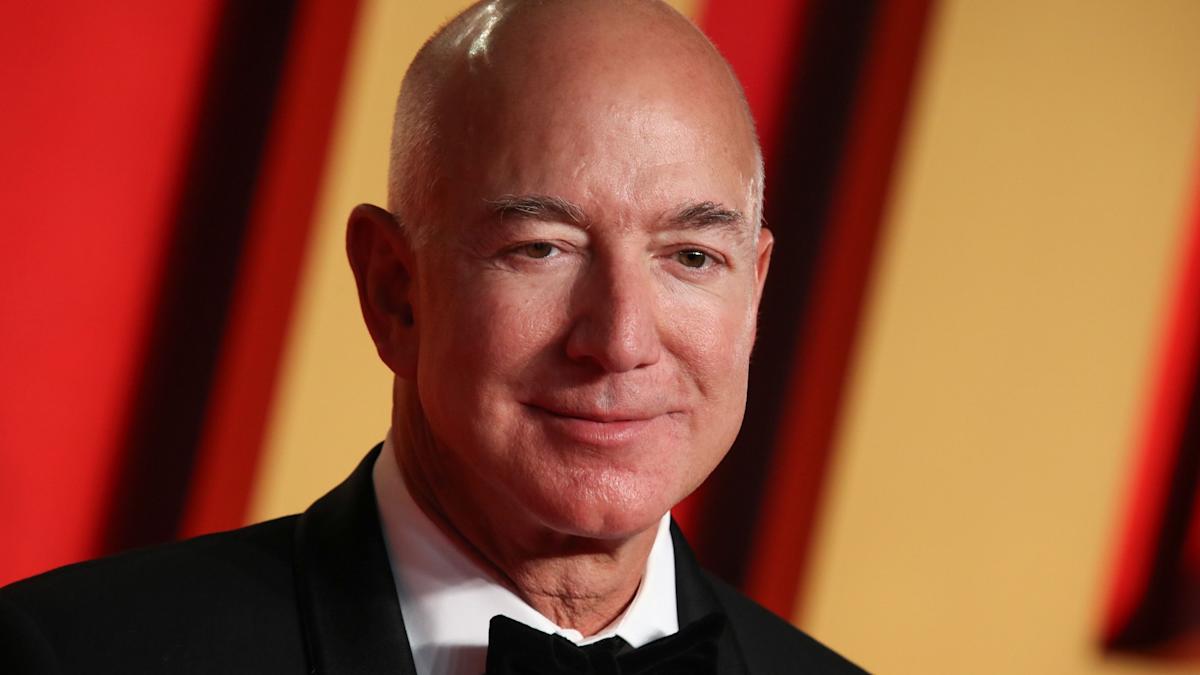
Bezos' Move to Florida Saves Nearly $1 Billion in Taxes
- Relocation Background: Jeff Bezos shared a nostalgic Instagram video reflecting on his makeshift Amazon office in 1994, announcing his move from Seattle to Florida to be closer to his parents in Miami.
- Tax Savings: Forbes reported that Bezos saved nearly $1 billion in 2024 due to Florida's favorable tax policies, illustrating the appeal of low-tax states for the wealthy.
- Capital Gains Tax Advantage: After relocating, Bezos sold approximately $13.6 billion worth of Amazon shares, avoiding $952 million in capital gains taxes due to Florida's lack of such taxes, highlighting the significant impact of location on investment returns.
- Insight for High Earners: Bezos' situation demonstrates that low-tax states can greatly enhance wealth accumulation for affluent individuals, encouraging other high earners to consider similar relocation strategies.
See More

Target Launches Baby Boutiques to Attract Family Customers

- Baby Boutique Rollout: Target has launched baby boutiques in approximately 200 stores, allowing customers to experience high-end brands like UPPAbaby firsthand, aiming to attract busy family customers and enhance market share.
- Market Share Challenges: Despite holding a 17.6% share in the baby products market, Target has seen a decline compared to Walmart's 27% and Amazon's 24.4%, indicating increased competitive pressure.
- Sales Growth Expectations: Target anticipates a year-over-year net sales increase of about 2% this year, with growth expected in every quarter, signaling efforts to reverse the sales slump experienced over the past four quarters.
- Strategic Investment Plan: Target plans to invest approximately $5 billion in capital expenditures this fiscal year to improve store experiences and product quality, aiming to enhance customer loyalty and address competitive challenges.
See More
Alibaba Launches AI Shopping Assistant Integration
- AI Platform Integration: Alibaba is set to integrate its AI platform Qwen with the online marketplace Taobao, enabling consumers to shop through conversations rather than keyword searches, which is expected to enhance user experience and drive sales growth.
- Product Catalog Access: The Qwen app will access the entire catalog of over 4 billion products from Taobao and Tmall, and manage logistics and after-sales services through a 'skills library', significantly improving shopping efficiency and customer satisfaction.
- Smart Recommendation Features: The new system will provide personalized shopping recommendations based on users' order history and shopping preferences, aiming to enhance user engagement and increase conversion rates, thereby boosting overall sales performance.
- Virtual Try-Ons and Price Tracking: Inside Taobao, a Qwen-powered AI shopping assistant will be launched, featuring virtual try-ons and 30-day price tracking capabilities, further bridging the gap between Chinese and Western e-commerce platforms in AI application and enhancing competitiveness.
See More
Amazon's Custom Chips Enhance Cloud Strategy
- Cost Reduction Potential: Amazon's custom chips, Graviton, Trainium, and Nitro, are expected to significantly lower cloud computing costs, which could enhance overall profit margins and strengthen the company's position in the highly competitive cloud market.
- AI Competitiveness Boost: The introduction of these chips not only aids Amazon in enhancing its competitiveness in the artificial intelligence sector but also has the potential to attract more enterprise customers, further solidifying its market share.
- Value Retention Strategy: By developing its own chips, Amazon can retain more value within its cloud platform, reducing reliance on external suppliers, thereby enhancing its long-term profitability and market control.
- Investor Risk Assessment: Although Amazon's stock price has already risen and spending remains substantial, investors need to carefully evaluate the balance between future growth potential and current risks to decide whether to continue investing.
See More
Amazon's Custom Chips Enhance Cloud Strategy
- Cost Reduction Potential: Amazon's custom chips, Graviton, Trainium, and Nitro, are expected to significantly lower cloud computing costs, thereby enhancing profitability and market share in a highly competitive landscape.
- Enhanced AI Competitiveness: These chips enable Amazon to strengthen its positioning in the artificial intelligence sector, attracting more enterprise clients and further solidifying the value of its cloud platform.
- Investor Risk Assessment: Despite the rise in Amazon's stock price, investors must evaluate whether the potential for future growth justifies the risks associated with ongoing high expenditures.
- Market Dynamics Observation: As AI technology rapidly evolves, Amazon's chip strategy could reshape the competitive landscape of the industry, prompting other cloud service providers to accelerate technological innovation to maintain competitiveness.
See More
Buffett's New Investment: New York Times
- Investment Moves: Buffett's new position in the New York Times, valued at $351 million, indicates a strategic shift from tech stocks to traditional sectors, potentially altering the overall risk profile of his investment portfolio.
- Digital Subscription Growth: The New York Times added 450,000 digital subscribers in the last quarter, bringing the total to approximately 12.8 million, demonstrating significant progress in its digital transformation and potential for future revenue enhancement.
- Advertising Revenue Surprises: Digital advertising revenue surged to 25%, exceeding expectations of high teens, indicating strengthened competitiveness in the advertising market, which may support future profitability.
- Valuation Concerns: Despite generating $550 million in free cash flow, the New York Times' market cap is nearly $12 billion, resulting in a free cash flow yield of only 4.6%, raising concerns about its valuation and potentially limiting further stock price appreciation.
See More
Bezos' Move to Florida Saves Nearly $1 Billion in Taxes
- Relocation Background: Jeff Bezos shared a nostalgic Instagram video reflecting on his makeshift Amazon office in 1994, announcing his move from Seattle to Florida to be closer to his parents in Miami.
- Tax Savings: Forbes reported that Bezos saved nearly $1 billion in 2024 due to Florida's favorable tax policies, illustrating the appeal of low-tax states for the wealthy.
- Capital Gains Tax Advantage: After relocating, Bezos sold approximately $13.6 billion worth of Amazon shares, avoiding $952 million in capital gains taxes due to Florida's lack of such taxes, highlighting the significant impact of location on investment returns.
- Insight for High Earners: Bezos' situation demonstrates that low-tax states can greatly enhance wealth accumulation for affluent individuals, encouraging other high earners to consider similar relocation strategies.
See More
Target Launches Baby Boutiques to Attract Family Customers
- Baby Boutique Rollout: Target has launched baby boutiques in approximately 200 stores, allowing customers to experience high-end brands like UPPAbaby firsthand, aiming to attract busy family customers and enhance market share.
- Market Share Challenges: Despite holding a 17.6% share in the baby products market, Target has seen a decline compared to Walmart's 27% and Amazon's 24.4%, indicating increased competitive pressure.
- Sales Growth Expectations: Target anticipates a year-over-year net sales increase of about 2% this year, with growth expected in every quarter, signaling efforts to reverse the sales slump experienced over the past four quarters.
- Strategic Investment Plan: Target plans to invest approximately $5 billion in capital expenditures this fiscal year to improve store experiences and product quality, aiming to enhance customer loyalty and address competitive challenges.
See More