Analysis of Profitability of Visa and Mastercard
Written by Emily J. Thompson, Senior Investment Analyst
Updated: 1 day ago
0mins
Source: Fool
- Strong Profitability: Visa and Mastercard are among the most profitable companies globally, demonstrating their robust market position and profitability in the payments industry.
- Stock Performance: As of the afternoon of April 7, 2026, Visa and Mastercard's stock prices were V0.22% and MA0.36%, respectively, reflecting investor confidence in their future growth.
- Market Influence: Their dominant positions in the global payments market allow these companies to maintain high profit margins in a competitive environment, further solidifying their market share.
- Future Outlook: With the ongoing growth of digital payments, Visa and Mastercard are expected to continue benefiting from industry trends, driving further enhancements in profitability and shareholder returns.
Trade with 70% Backtested Accuracy
Stop guessing "Should I Buy MA?" and start using high-conviction signals backed by rigorous historical data.
Sign up today to access powerful investing tools and make smarter, data-driven decisions.
Analyst Views on MA
Wall Street analysts forecast MA stock price to rise
28 Analyst Rating
25 Buy
3 Hold
0 Sell
Strong Buy
Current: 503.570

Low
500.00
Averages
660.00
High
739.00
Current: 503.570
Low
500.00
Averages
660.00
High
739.00
About MA
Mastercard Incorporated is a technology company in the global payments industry. The Company connects consumers, financial institutions, merchants, governments, digital partners, businesses and other organizations worldwide by enabling electronic payments and making those payment transactions secure, simple, smart and accessible. It provides a range of payment solutions and services using its brands, including Mastercard, Maestro and Cirrus. It operates a payments network that provides choice and flexibility for consumers, merchants and its customers. Through its proprietary global payments network, it switches (authorizes, clears and settles) payment transactions. Its additional payments capabilities include automated clearing house (ACH) transactions (both batch and real-time account-based payments). It offers security solutions, consumer acquisition and engagement, business and market insights, gateway, processing and open banking, among other services and solutions.
About the author

Emily J. Thompson
Emily J. Thompson, a Chartered Financial Analyst (CFA) with 12 years in investment research, graduated with honors from the Wharton School. Specializing in industrial and technology stocks, she provides in-depth analysis for Intellectia’s earnings and market brief reports.
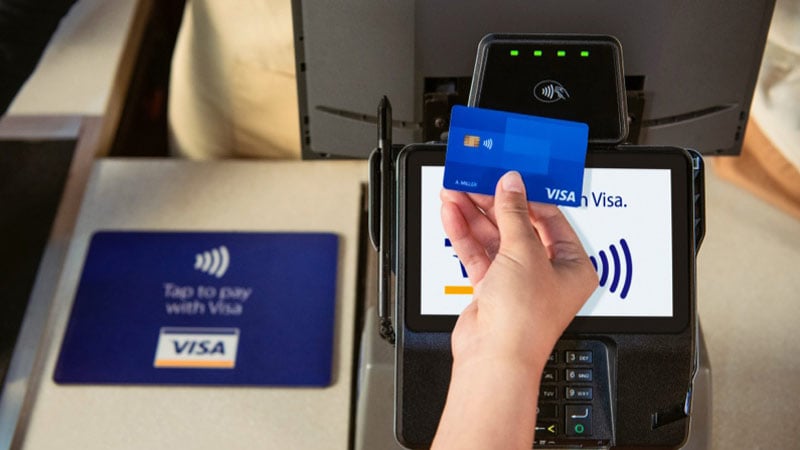
Impact of Stablecoins on Payment Industry


- Rise of Stablecoins: Stablecoins, leveraging blockchain technology to minimize volatility, are projected to reach a global transaction value of $56 trillion by 2030, indicating their growing potential and market demand in the payments sector.
- Challenge for Market Leaders: Visa and Mastercard processed $16.7 trillion and $449 billion in transaction volume respectively in 2023, and while facing competition from stablecoins, both companies are actively exploring integration with stablecoins to maintain their market dominance.
- Investor Confidence: Billionaire Stanley Druckenmiller believes that the global payment system will largely rely on stablecoins within the next 10 to 15 years, a perspective that could influence investor confidence in traditional payment companies and prompt a reassessment of investment strategies.
- Technological Adaptation and Innovation: Visa and Mastercard have begun incorporating stablecoins into their business models, with Mastercard planning to use stablecoins for card issuance and cross-border transactions, indicating that traditional payment giants are proactively adapting to emerging technologies to remain competitive.
See More

Impact of Stablecoins on Payment Giants
- Stablecoin Market Growth: According to Bloomberg, global stablecoin transaction value reached $33 trillion in 2025, marking a 72% increase from 2024, indicating strong demand for this emerging payment method that could disrupt traditional payment networks.
- Enhanced Payment Efficiency: Billionaire Stanley Druckenmiller predicts that within the next 10 to 15 years, the global payments system will largely rely on stablecoins, a shift that will make payment processes more efficient and cost-effective, potentially impacting Visa and Mastercard's market positions.
- Payment Giants' Response Strategies: Visa and Mastercard have begun integrating stablecoins into their operations, with Mastercard planning to offer card services and digital wallets for stablecoins, reflecting their recognition of this emerging market, even though stablecoins are primarily used for cryptocurrency trading at present.
- Increased Market Competition: While payment giants are cautious about the threat posed by stablecoins, their growing adoption may force Visa and Mastercard to adjust their business models to address potential market share erosion, particularly as competitive pressures around transaction fees intensify.
See More
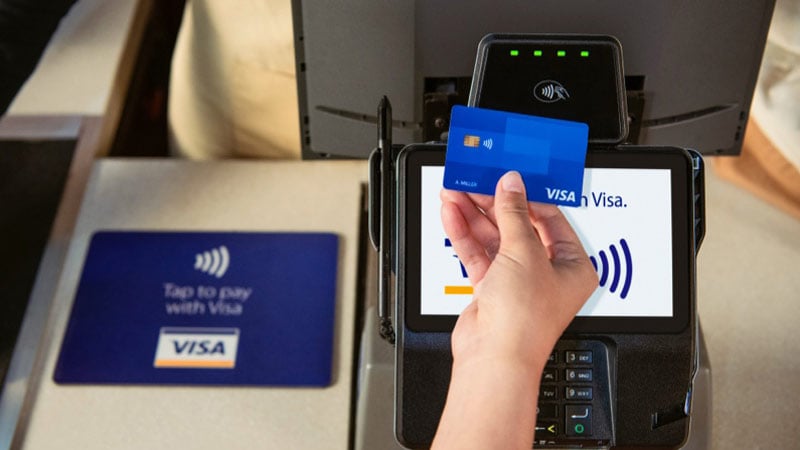
Stablecoins to Dominate Global Payments in 15 Years, Says Druckenmiller
- Stablecoin Market Potential: Bloomberg predicts that global stablecoin transaction value will reach $33 trillion by 2025, representing a 72% increase from 2024, highlighting the rapid rise and broad application potential of stablecoins in the payments sector.
- Support from Industry Leaders: Billionaire Stanley Druckenmiller asserts that the global payments system will largely rely on stablecoins within the next 10 to 15 years, reflecting his recognition of their efficiency and cost-effectiveness, which may influence investor confidence in the related markets.
- Response from Traditional Giants: While Visa and Mastercard dominate the payment networks, processing $16.7 trillion in transactions for the 12 months ending September 30, both companies have begun integrating stablecoins into their business strategies to address potential market threats.
- Technological Integration and Innovation: Mastercard and Visa are exploring stablecoin applications, with Mastercard partnering with various companies to offer stablecoin-related services, demonstrating their adaptability and innovative intent in the emerging payment technology landscape.
See More

URTH ETF 52-Week Price Analysis

- Price Range Analysis: URTH ETF's 52-week low is $140.22 per share, with a high of $192.84, and the latest trade at $186.76 indicates stability near the high, potentially attracting investor interest in price fluctuations.
- Technical Analysis Tool: Comparing the latest share price to the 200-day moving average provides valuable technical insights for investors, aiding in market trend assessment and potential buying opportunities.
- ETF Trading Mechanism: Exchange-traded funds (ETFs) trade like stocks, where investors buy and sell 'units' that can be created or destroyed based on demand, impacting liquidity and market performance.
- Inflows and Outflows Monitoring: Weekly monitoring of changes in ETF shares outstanding highlights those experiencing significant inflows (new units created) or outflows (old units destroyed), allowing assessment of their impact on underlying assets and market sentiment.
See More

Analysis of Profitability of Visa and Mastercard
- Strong Profitability: Visa and Mastercard are among the most profitable companies globally, demonstrating their robust market position and profitability in the payments industry.
- Stock Performance: As of the afternoon of April 7, 2026, Visa and Mastercard's stock prices were V0.22% and MA0.36%, respectively, reflecting investor confidence in their future growth.
- Market Influence: Their dominant positions in the global payments market allow these companies to maintain high profit margins in a competitive environment, further solidifying their market share.
- Future Outlook: With the ongoing growth of digital payments, Visa and Mastercard are expected to continue benefiting from industry trends, driving further enhancements in profitability and shareholder returns.
See More

Visa and Mastercard US Volume Growth in Line with Expectations
- Volume Growth: Visa and Mastercard's adjusted US volumes have grown roughly in line with addressable markets, indicating stable performance in the payments industry despite economic uncertainties.
- Stable Market Performance: The performance of both companies in the US reflects ongoing consumer spending growth, suggesting the importance of the payments sector in economic recovery and potentially laying the groundwork for future revenue increases.
- Intensifying Industry Competition: With the rise of digital payments, Visa and Mastercard must continuously innovate to maintain market share, particularly in light of competition from emerging payment platforms, making strategic adjustments crucial.
- Future Outlook: While current volume growth remains stable, both companies need to monitor macroeconomic changes to ensure competitiveness in an evolving market landscape.
See More
Impact of Stablecoins on Payment Industry
- Rise of Stablecoins: Stablecoins, leveraging blockchain technology to minimize volatility, are projected to reach a global transaction value of $56 trillion by 2030, indicating their growing potential and market demand in the payments sector.
- Challenge for Market Leaders: Visa and Mastercard processed $16.7 trillion and $449 billion in transaction volume respectively in 2023, and while facing competition from stablecoins, both companies are actively exploring integration with stablecoins to maintain their market dominance.
- Investor Confidence: Billionaire Stanley Druckenmiller believes that the global payment system will largely rely on stablecoins within the next 10 to 15 years, a perspective that could influence investor confidence in traditional payment companies and prompt a reassessment of investment strategies.
- Technological Adaptation and Innovation: Visa and Mastercard have begun incorporating stablecoins into their business models, with Mastercard planning to use stablecoins for card issuance and cross-border transactions, indicating that traditional payment giants are proactively adapting to emerging technologies to remain competitive.
See More
Impact of Stablecoins on Payment Giants
- Stablecoin Market Growth: According to Bloomberg, global stablecoin transaction value reached $33 trillion in 2025, marking a 72% increase from 2024, indicating strong demand for this emerging payment method that could disrupt traditional payment networks.
- Enhanced Payment Efficiency: Billionaire Stanley Druckenmiller predicts that within the next 10 to 15 years, the global payments system will largely rely on stablecoins, a shift that will make payment processes more efficient and cost-effective, potentially impacting Visa and Mastercard's market positions.
- Payment Giants' Response Strategies: Visa and Mastercard have begun integrating stablecoins into their operations, with Mastercard planning to offer card services and digital wallets for stablecoins, reflecting their recognition of this emerging market, even though stablecoins are primarily used for cryptocurrency trading at present.
- Increased Market Competition: While payment giants are cautious about the threat posed by stablecoins, their growing adoption may force Visa and Mastercard to adjust their business models to address potential market share erosion, particularly as competitive pressures around transaction fees intensify.
See More
Stablecoins to Dominate Global Payments in 15 Years, Says Druckenmiller
- Stablecoin Market Potential: Bloomberg predicts that global stablecoin transaction value will reach $33 trillion by 2025, representing a 72% increase from 2024, highlighting the rapid rise and broad application potential of stablecoins in the payments sector.
- Support from Industry Leaders: Billionaire Stanley Druckenmiller asserts that the global payments system will largely rely on stablecoins within the next 10 to 15 years, reflecting his recognition of their efficiency and cost-effectiveness, which may influence investor confidence in the related markets.
- Response from Traditional Giants: While Visa and Mastercard dominate the payment networks, processing $16.7 trillion in transactions for the 12 months ending September 30, both companies have begun integrating stablecoins into their business strategies to address potential market threats.
- Technological Integration and Innovation: Mastercard and Visa are exploring stablecoin applications, with Mastercard partnering with various companies to offer stablecoin-related services, demonstrating their adaptability and innovative intent in the emerging payment technology landscape.
See More
URTH ETF 52-Week Price Analysis
- Price Range Analysis: URTH ETF's 52-week low is $140.22 per share, with a high of $192.84, and the latest trade at $186.76 indicates stability near the high, potentially attracting investor interest in price fluctuations.
- Technical Analysis Tool: Comparing the latest share price to the 200-day moving average provides valuable technical insights for investors, aiding in market trend assessment and potential buying opportunities.
- ETF Trading Mechanism: Exchange-traded funds (ETFs) trade like stocks, where investors buy and sell 'units' that can be created or destroyed based on demand, impacting liquidity and market performance.
- Inflows and Outflows Monitoring: Weekly monitoring of changes in ETF shares outstanding highlights those experiencing significant inflows (new units created) or outflows (old units destroyed), allowing assessment of their impact on underlying assets and market sentiment.
See More
Analysis of Profitability of Visa and Mastercard
- Strong Profitability: Visa and Mastercard are among the most profitable companies globally, demonstrating their robust market position and profitability in the payments industry.
- Stock Performance: As of the afternoon of April 7, 2026, Visa and Mastercard's stock prices were V0.22% and MA0.36%, respectively, reflecting investor confidence in their future growth.
- Market Influence: Their dominant positions in the global payments market allow these companies to maintain high profit margins in a competitive environment, further solidifying their market share.
- Future Outlook: With the ongoing growth of digital payments, Visa and Mastercard are expected to continue benefiting from industry trends, driving further enhancements in profitability and shareholder returns.
See More
Visa and Mastercard US Volume Growth in Line with Expectations
- Volume Growth: Visa and Mastercard's adjusted US volumes have grown roughly in line with addressable markets, indicating stable performance in the payments industry despite economic uncertainties.
- Stable Market Performance: The performance of both companies in the US reflects ongoing consumer spending growth, suggesting the importance of the payments sector in economic recovery and potentially laying the groundwork for future revenue increases.
- Intensifying Industry Competition: With the rise of digital payments, Visa and Mastercard must continuously innovate to maintain market share, particularly in light of competition from emerging payment platforms, making strategic adjustments crucial.
- Future Outlook: While current volume growth remains stable, both companies need to monitor macroeconomic changes to ensure competitiveness in an evolving market landscape.
See More