

Analysis of ITOT ETF's 52-Week Price Fluctuations
Written by Emily J. Thompson, Senior Investment Analyst
Updated: 2 hours ago
0mins

Source: NASDAQ.COM
- Price Range Analysis: The ITOT ETF has a 52-week low of $129.24 and a high of $166.43, with the latest trade at $165.57, indicating stability near its high point, which may attract investor interest in its price movements.
- Technical Analysis Tool: Comparing the latest share price to the 200-day moving average can provide valuable insights for investors, helping them assess market trends and potential buying opportunities.
- ETF Trading Mechanism: Exchange-traded funds (ETFs) trade similarly to stocks, where investors buy and sell 'units' that can be created or destroyed based on investor demand, impacting the ETF's liquidity and market performance.
- Inflows and Outflows Monitoring: Weekly monitoring of changes in shares outstanding for ETFs helps identify those experiencing significant inflows (new units created) or outflows (old units destroyed), allowing for assessment of their impact on underlying assets and market sentiment.
Trade with 70% Backtested Accuracy
Stop guessing "Should I Buy WFC?" and start using high-conviction signals backed by rigorous historical data.
Sign up today to access powerful investing tools and make smarter, data-driven decisions.
Analyst Views on WFC
Wall Street analysts forecast WFC stock price to rise
17 Analyst Rating
10 Buy
6 Hold
1 Sell
Moderate Buy
Current: 79.440

Low
74.00
Averages
98.66
High
113.00
Current: 79.440
Low
74.00
Averages
98.66
High
113.00
About WFC
Wells Fargo & Company is a financial services company. The Company provides a diversified set of banking, investment and mortgage products and services, as well as consumer and commercial finance, to individuals, businesses and institutions. The Company operates through four segments: Consumer Banking and Lending, Commercial Banking, Corporate and Investment Banking, and Wealth & Investment Management. The Company provides consumer financial products and services, including checking and savings accounts, credit and debit cards, and auto, residential mortgage, and small business lending. In addition, the Company offers financial planning, private banking, investment management, and fiduciary services. It also provides financial solutions to businesses through products and services including traditional commercial loans and lines of credit, letters of credit, asset-based lending and leasing, trade financing, treasury management, and investment banking services.
About the author

Emily J. Thompson
Emily J. Thompson, a Chartered Financial Analyst (CFA) with 12 years in investment research, graduated with honors from the Wharton School. Specializing in industrial and technology stocks, she provides in-depth analysis for Intellectia’s earnings and market brief reports.

New Quiz Reveals Costly Knowledge Gaps for Aspiring Buyers

- Knowledge Gap in Homebuying: A survey by Wells Fargo and Ipsos reveals that nearly 70% of aspiring buyers feel knowledgeable about home purchasing, yet 75% answered only four out of twelve questions correctly, indicating a significant knowledge gap that could lead to costly financial decisions and increased long-term burdens.
- Critical Knowledge Blind Spots: The survey found that only 25% of respondents knew when to apply for a mortgage, nearly 90% were unaware of closing costs, 88% did not understand the first steps in the homebuying process, and 80% would make critical mistakes in competitive offers, potentially resulting in missed opportunities or higher monthly payments.
- Information Source Analysis: Most respondents primarily rely on friends, family, and real estate websites for homebuying guidance, with only a third consulting lenders or financial professionals; younger buyers are more inclined to use social media and AI tools, while older participants lean towards banks and advisors, raising concerns about the quality and completeness of the information they use.
- Motivation and Awareness: Despite the knowledge gaps, nearly two-thirds of participants felt motivated and more aware of what they need to learn, underscoring the complexity of the homebuying process and the importance of accessible, easy-to-understand education before making significant financial decisions.
See More
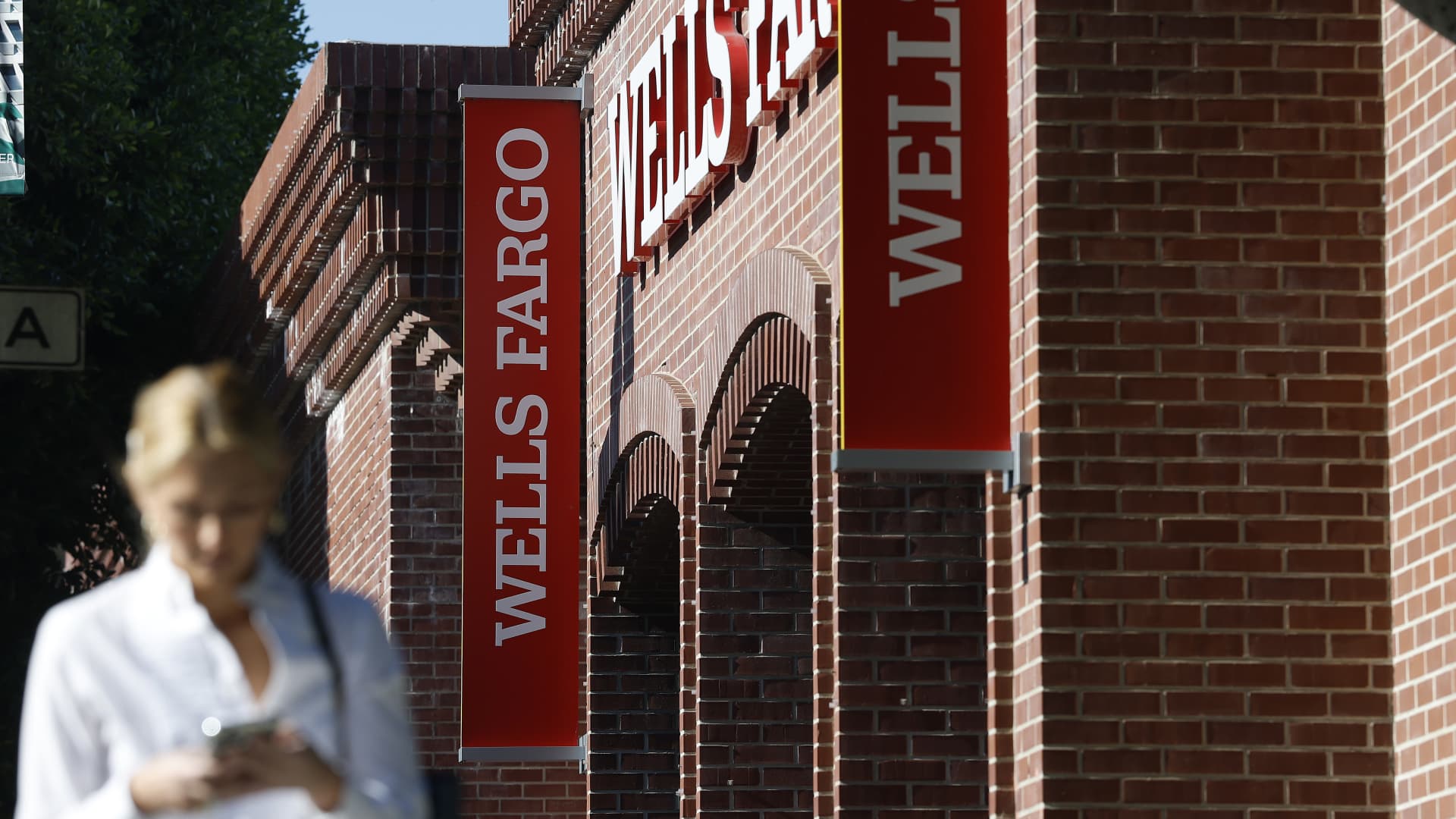
Bank of America Sees Rebound Opportunity for Wells Fargo Shares

- Buy Rating: Bank of America has assigned a buy rating to Wells Fargo with a price target of $95, indicating a potential 20% upside from Tuesday's close, reflecting optimism about the stock's future performance.
- Stock Price Decline: Wells Fargo shares have fallen nearly 16% in 2026, primarily due to market concerns regarding its exposure to private credit and leveraged loan markets, which have faced significant pressure this year.
- Profitability Outlook: Analysts suggest that achieving an 18% return on tangible common equity by 2028 is more feasible than current market sentiment implies, indicating that the degree of de-rating appears disproportionate to the underlying fundamentals.
- Market Confidence Rebuilding: Although recent credit concerns are tied to a few larger exposures, Bank of America believes this does not represent systemic risk, and expects market confidence to gradually rebuild after a few clean quarters.
See More

Analysis of ITOT ETF's 52-Week Price Fluctuations

- Price Range Analysis: The ITOT ETF has a 52-week low of $129.24 and a high of $166.43, with the latest trade at $165.57, indicating stability near its high point, which may attract investor interest in its price movements.
- Technical Analysis Tool: Comparing the latest share price to the 200-day moving average can provide valuable insights for investors, helping them assess market trends and potential buying opportunities.
- ETF Trading Mechanism: Exchange-traded funds (ETFs) trade similarly to stocks, where investors buy and sell 'units' that can be created or destroyed based on investor demand, impacting the ETF's liquidity and market performance.
- Inflows and Outflows Monitoring: Weekly monitoring of changes in shares outstanding for ETFs helps identify those experiencing significant inflows (new units created) or outflows (old units destroyed), allowing for assessment of their impact on underlying assets and market sentiment.
See More

Federal Reserve Stress Tests Impact on Bank Stocks


- Stress Test Context: The Federal Reserve conducts annual stress tests to assess the capital strength of large banks during economic downturns, with the Dodd-Frank Act establishing minimum capital requirements to ensure banks can withstand financial crises.
- Capital Buffer Changes: Last year, major banks saw significant reductions in their stress capital buffers, with JPMorgan Chase and Bank of America dropping to the minimum of 2.5%, indicating strong bank health and freeing up funds for shareholder returns.
- Increased Shareholder Returns: The reduction in capital buffers allowed banks to boost dividends and engage in share buybacks, with the six largest banks posting stock price returns exceeding 25% in 2025, and Citigroup leading with a remarkable 66% increase.
- Future Outlook: Although this year's stress test is considered tougher, the Fed's decision to freeze capital buffers for 2026 means banks won't need to raise their capital cushions, thus continuing to support shareholder returns; however, poor test results could dampen future dividends and buyback plans.
See More

Major Banks Show Significant Improvement in Stress Test Results
- Stress Test Results: Last year, major banks excelled in stress tests, leading to significant reductions in capital buffers, with JPMorgan Chase, Bank of America, and Wells Fargo dropping to the minimum of 2.5%, allowing them to free up more funds for shareholder returns.
- Dividends and Buybacks: All major banks raised their dividends in Q3 2025, except JPMorgan Chase, which did so in Q4, and several banks executed share buybacks following the stress tests, making these actions highly favorable for investors.
- Market Performance: The six largest banks posted stock price returns exceeding 25% in 2025, with Citigroup leading at 66%, indicating a positive impact of stress test results on stock prices, despite this year's tests being considered tougher.
- Future Outlook: While this year's stress tests may pose higher risks for some banks, the Fed's decision to freeze capital buffers for 2026 means banks won't need to increase their capital cushions, allowing them to continue rewarding shareholders through dividends and buybacks.
See More
Jim Cramer's Trust Initiates Position in Intel


- Position in Intel: Jim Cramer's Charitable Trust is set to buy 400 shares of Intel (INTC) at approximately $114, resulting in a 1.10% portfolio weighting, strategically capitalizing on a recent 12% pullback in the stock price.
- Market Recovery Outlook: Following a five-session decline where Intel's shares fell from $123.52 to $107.93, there is an expectation of a rebound in premarket trading, indicating investor confidence in the stock's future performance.
- Surge in Data Center CPU Demand: The demand for central processing units (CPUs) in data centers is soaring due to advancements in AI technology, with Intel's competitive edge strengthening as the CPU-to-GPU ratio shifts from 1:8 to 1:4, reflecting a significant market trend.
- Optimistic Manufacturing Prospects: Intel's chip manufacturing business is attracting major clients, including Apple and Elon Musk's Terafab project, with expectations for the 14A chip node to enter volume production by 2029, further solidifying its position in the advanced chip manufacturing market.
See More
New Quiz Reveals Costly Knowledge Gaps for Aspiring Buyers
- Knowledge Gap in Homebuying: A survey by Wells Fargo and Ipsos reveals that nearly 70% of aspiring buyers feel knowledgeable about home purchasing, yet 75% answered only four out of twelve questions correctly, indicating a significant knowledge gap that could lead to costly financial decisions and increased long-term burdens.
- Critical Knowledge Blind Spots: The survey found that only 25% of respondents knew when to apply for a mortgage, nearly 90% were unaware of closing costs, 88% did not understand the first steps in the homebuying process, and 80% would make critical mistakes in competitive offers, potentially resulting in missed opportunities or higher monthly payments.
- Information Source Analysis: Most respondents primarily rely on friends, family, and real estate websites for homebuying guidance, with only a third consulting lenders or financial professionals; younger buyers are more inclined to use social media and AI tools, while older participants lean towards banks and advisors, raising concerns about the quality and completeness of the information they use.
- Motivation and Awareness: Despite the knowledge gaps, nearly two-thirds of participants felt motivated and more aware of what they need to learn, underscoring the complexity of the homebuying process and the importance of accessible, easy-to-understand education before making significant financial decisions.
See More
Bank of America Sees Rebound Opportunity for Wells Fargo Shares
- Buy Rating: Bank of America has assigned a buy rating to Wells Fargo with a price target of $95, indicating a potential 20% upside from Tuesday's close, reflecting optimism about the stock's future performance.
- Stock Price Decline: Wells Fargo shares have fallen nearly 16% in 2026, primarily due to market concerns regarding its exposure to private credit and leveraged loan markets, which have faced significant pressure this year.
- Profitability Outlook: Analysts suggest that achieving an 18% return on tangible common equity by 2028 is more feasible than current market sentiment implies, indicating that the degree of de-rating appears disproportionate to the underlying fundamentals.
- Market Confidence Rebuilding: Although recent credit concerns are tied to a few larger exposures, Bank of America believes this does not represent systemic risk, and expects market confidence to gradually rebuild after a few clean quarters.
See More
Analysis of ITOT ETF's 52-Week Price Fluctuations
- Price Range Analysis: The ITOT ETF has a 52-week low of $129.24 and a high of $166.43, with the latest trade at $165.57, indicating stability near its high point, which may attract investor interest in its price movements.
- Technical Analysis Tool: Comparing the latest share price to the 200-day moving average can provide valuable insights for investors, helping them assess market trends and potential buying opportunities.
- ETF Trading Mechanism: Exchange-traded funds (ETFs) trade similarly to stocks, where investors buy and sell 'units' that can be created or destroyed based on investor demand, impacting the ETF's liquidity and market performance.
- Inflows and Outflows Monitoring: Weekly monitoring of changes in shares outstanding for ETFs helps identify those experiencing significant inflows (new units created) or outflows (old units destroyed), allowing for assessment of their impact on underlying assets and market sentiment.
See More
Federal Reserve Stress Tests Impact on Bank Stocks
- Stress Test Context: The Federal Reserve conducts annual stress tests to assess the capital strength of large banks during economic downturns, with the Dodd-Frank Act establishing minimum capital requirements to ensure banks can withstand financial crises.
- Capital Buffer Changes: Last year, major banks saw significant reductions in their stress capital buffers, with JPMorgan Chase and Bank of America dropping to the minimum of 2.5%, indicating strong bank health and freeing up funds for shareholder returns.
- Increased Shareholder Returns: The reduction in capital buffers allowed banks to boost dividends and engage in share buybacks, with the six largest banks posting stock price returns exceeding 25% in 2025, and Citigroup leading with a remarkable 66% increase.
- Future Outlook: Although this year's stress test is considered tougher, the Fed's decision to freeze capital buffers for 2026 means banks won't need to raise their capital cushions, thus continuing to support shareholder returns; however, poor test results could dampen future dividends and buyback plans.
See More
Major Banks Show Significant Improvement in Stress Test Results
- Stress Test Results: Last year, major banks excelled in stress tests, leading to significant reductions in capital buffers, with JPMorgan Chase, Bank of America, and Wells Fargo dropping to the minimum of 2.5%, allowing them to free up more funds for shareholder returns.
- Dividends and Buybacks: All major banks raised their dividends in Q3 2025, except JPMorgan Chase, which did so in Q4, and several banks executed share buybacks following the stress tests, making these actions highly favorable for investors.
- Market Performance: The six largest banks posted stock price returns exceeding 25% in 2025, with Citigroup leading at 66%, indicating a positive impact of stress test results on stock prices, despite this year's tests being considered tougher.
- Future Outlook: While this year's stress tests may pose higher risks for some banks, the Fed's decision to freeze capital buffers for 2026 means banks won't need to increase their capital cushions, allowing them to continue rewarding shareholders through dividends and buybacks.
See More
Jim Cramer's Trust Initiates Position in Intel
- Position in Intel: Jim Cramer's Charitable Trust is set to buy 400 shares of Intel (INTC) at approximately $114, resulting in a 1.10% portfolio weighting, strategically capitalizing on a recent 12% pullback in the stock price.
- Market Recovery Outlook: Following a five-session decline where Intel's shares fell from $123.52 to $107.93, there is an expectation of a rebound in premarket trading, indicating investor confidence in the stock's future performance.
- Surge in Data Center CPU Demand: The demand for central processing units (CPUs) in data centers is soaring due to advancements in AI technology, with Intel's competitive edge strengthening as the CPU-to-GPU ratio shifts from 1:8 to 1:4, reflecting a significant market trend.
- Optimistic Manufacturing Prospects: Intel's chip manufacturing business is attracting major clients, including Apple and Elon Musk's Terafab project, with expectations for the 14A chip node to enter volume production by 2029, further solidifying its position in the advanced chip manufacturing market.
See More





