Analysis of High Oil Prices Impact on Energy Companies
- Boost in Energy Company Revenues: As May begins, high energy prices are expected to enhance the financial performance of most energy companies, although history indicates that oil prices typically fall after significant spikes, suggesting caution for investors.
- Positive Market Reaction: Wall Street's optimistic sentiment towards energy stocks has driven up prices, particularly for companies like Chevron and ExxonMobil, with Chevron's dividend yield at 3.6% significantly higher than Exxon's 2.6%, attracting more income-focused investors.
- Stability of Midstream Energy Giants: Enterprise Products Partners and Enbridge, as North American midstream energy giants, benefit from stable revenue streams since their fee-based model is not directly tied to oil and gas prices, ensuring strong financial performance throughout the energy cycle.
- Long-Term Dividend Payment Capability: Chevron, ExxonMobil, Enterprise, and Enbridge have all demonstrated the ability to maintain and increase dividends during both high and low oil price periods, highlighting their long-term investment value in the energy market.
Trade with 70% Backtested Accuracy
Analyst Views on CVX

About CVX
About the author


Oil Price Fluctuations and Corporate Rating Updates

- Oil Price Volatility: Oil prices surged following conflicting media reports of an Iranian attack on a U.S. warship, raising concerns about regional instability and pushing the S&P 500 lower, indicating market sensitivity to geopolitical risks.
- Chevron Rating Upgrade: Barclays raised Chevron's price target from $180 to $192, reflecting the company's resilient operations and growing free cash flow momentum in Q1, showcasing its stability in an uncertain market environment.
- GameStop Acquisition Proposal: GameStop made an unsolicited offer to acquire eBay for $125 per share in a cash-and-stock deal, valuing the e-commerce platform at approximately $55.5 billion, with the news boosting eBay shares nearly 9% premarket, highlighting market optimism about potential deals.
- Airbnb Rating Increase: Oppenheimer upgraded Airbnb from hold to buy, predicting that product initiatives like AI search and hotels will significantly boost rental demand during the upcoming World Cup, indicating that the company is gradually realizing management's strategic adjustments.
Chevron's Oil Opportunities in Iraq Amid Geopolitical Shifts

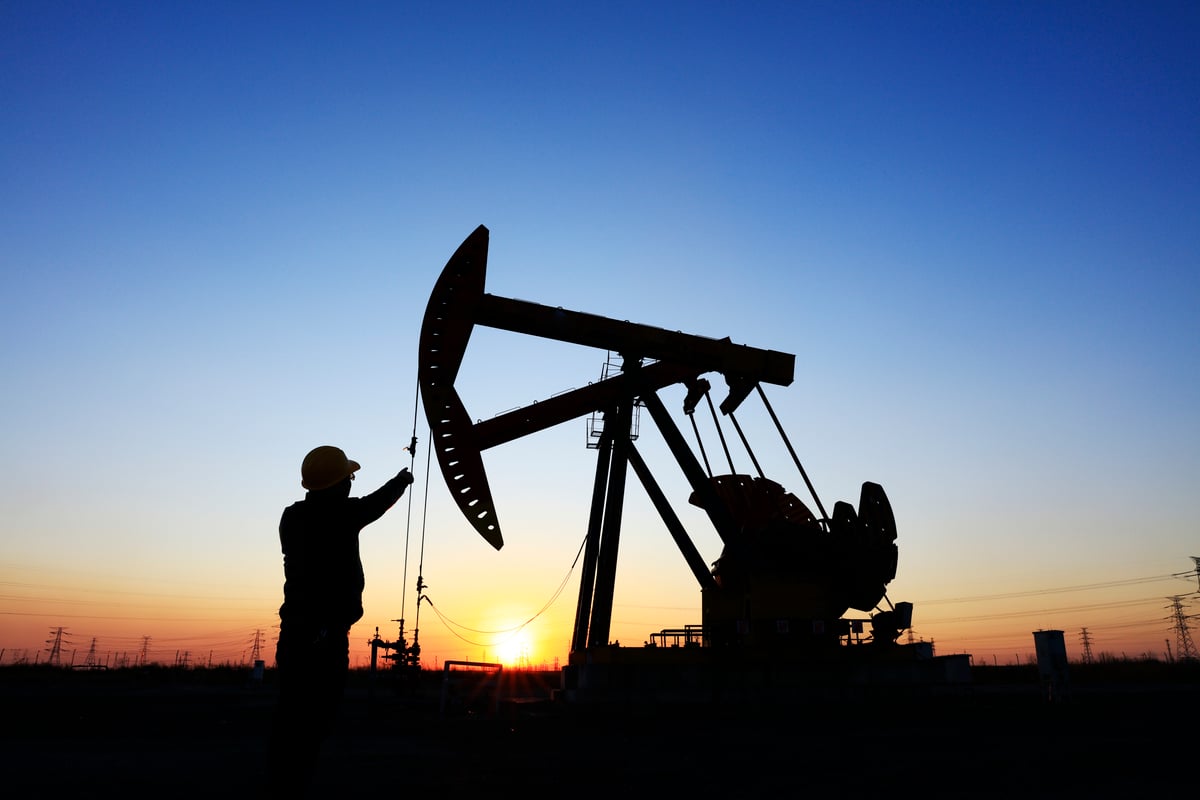
- Oil Price Surge: The ongoing conflict in Iran has led to rising oil prices, propelling the energy sector to the forefront of the S&P 500, with Chevron's stock up 25.11% year-to-date, reflecting strong market optimism about its growth prospects.
- Iraq Oil Field Development: Chevron has secured access to the West Qurna 2 and Nasiriyah oil fields, with recoverable reserves of 13 billion and 4.36 billion barrels respectively, which will significantly enhance the company's production capacity and market position.
- Cautious Middle East Strategy: Although Chevron's Middle East opportunities currently account for only 5% of total output, the CEO emphasized the company's focus on multiple countries, indicating a diversified strategy that mitigates investment risks.
- Geopolitical Implications: By displacing Russian companies in Iraq, Chevron may receive long-term support from the U.S. government, while also potentially forcing China to adjust its crude oil supply sources, further impacting the global oil market dynamics.

Chevron Acquires Production Rights at Iraq's West Qurna 2 Oil Field
- Acquisition Opportunity: Chevron has successfully acquired production rights at Iraq's West Qurna 2 oil field, which has estimated recoverable reserves of 13 billion barrels, accounting for 10% of Iraq's total output, providing strong support for the company's future revenue growth.
- Positive Market Reaction: Driven by the conflict in Iran and the potential opening of the Venezuelan market, Chevron's stock has risen 25.11% year-to-date, reflecting market optimism regarding its expansion in the Middle East and further solidifying its leading position in the energy sector.
- Geopolitical Implications: By displacing two Russian companies in Iraq, Chevron's involvement may impact China's crude oil supply chain, likely prompting long-term support from the U.S. government for Chevron's investments in the Middle East, thereby enhancing its market competitiveness.
- Future Production Expectations: With its superior operational expertise, Chevron's involvement in these two oil fields is expected to boost Iraq's production to over 6 million barrels per day by 2029, which will not only increase Iraq's fiscal revenues but also significantly enhance Chevron's profitability.

RPT-BUZZ-US STOCKS WEEKLY: UNDAUNTED

Market Overview: The U.S. stock market has shown resilience despite economic uncertainties, with investors remaining optimistic about future growth.
Sector Performance: Technology and healthcare sectors have outperformed others, driven by strong earnings reports and positive outlooks.
Economic Indicators: Recent economic data suggests a steady recovery, with improvements in employment rates and consumer spending.
Investor Sentiment: Overall investor sentiment remains bullish, with many looking for opportunities in undervalued stocks amidst market fluctuations.

Chevron's Stock Soars Amid Rising Oil Prices and Production Growth
- Surging Oil Prices: The war with Iran has caused oil prices to soar over 40% in the past year, directly driving Chevron's stock price up, with a potential additional 20% increase expected in the next year.
- Strong Production Growth: Chevron's acquisition of Hess has led to significant production increases, particularly in Guyana, with projections of 7% to 10% growth in 2026, further enhancing the company's profitability.
- Cost Reduction Initiatives: Chevron anticipates achieving an additional $3 billion to $4 billion in cost reductions this year, which will help boost profits in a high oil price environment and strengthen the company's financial health.
- Dividend Growth Outlook: Chevron is expected to extend its dividend increase streak to 40 consecutive years, and despite recession risks, the company can still cover dividends and capital expenditures, positioning it as a strong choice for income investors.

Chevron Receives Overweight Rating and Price Target
- Rating Upgrade: Chevron (CVX) has received an overweight rating from analysts, indicating a positive outlook on its future performance, which is likely to attract more investor interest.
- Price Target Set: The average price target set by analysts is $211.87, reflecting confidence in Chevron's future profitability, which could drive the stock price upward.
- Market Impact: The overweight rating and high price target may enhance investor confidence, thereby improving Chevron's market performance and strengthening its competitiveness in the energy sector.
- Investor Attention: With the rating upgrade, Chevron is likely to attract more institutional investors, further driving its stock price up and improving its capital structure.
Oil Price Fluctuations and Corporate Rating Updates
- Oil Price Volatility: Oil prices surged following conflicting media reports of an Iranian attack on a U.S. warship, raising concerns about regional instability and pushing the S&P 500 lower, indicating market sensitivity to geopolitical risks.
- Chevron Rating Upgrade: Barclays raised Chevron's price target from $180 to $192, reflecting the company's resilient operations and growing free cash flow momentum in Q1, showcasing its stability in an uncertain market environment.
- GameStop Acquisition Proposal: GameStop made an unsolicited offer to acquire eBay for $125 per share in a cash-and-stock deal, valuing the e-commerce platform at approximately $55.5 billion, with the news boosting eBay shares nearly 9% premarket, highlighting market optimism about potential deals.
- Airbnb Rating Increase: Oppenheimer upgraded Airbnb from hold to buy, predicting that product initiatives like AI search and hotels will significantly boost rental demand during the upcoming World Cup, indicating that the company is gradually realizing management's strategic adjustments.
Chevron's Oil Opportunities in Iraq Amid Geopolitical Shifts
- Oil Price Surge: The ongoing conflict in Iran has led to rising oil prices, propelling the energy sector to the forefront of the S&P 500, with Chevron's stock up 25.11% year-to-date, reflecting strong market optimism about its growth prospects.
- Iraq Oil Field Development: Chevron has secured access to the West Qurna 2 and Nasiriyah oil fields, with recoverable reserves of 13 billion and 4.36 billion barrels respectively, which will significantly enhance the company's production capacity and market position.
- Cautious Middle East Strategy: Although Chevron's Middle East opportunities currently account for only 5% of total output, the CEO emphasized the company's focus on multiple countries, indicating a diversified strategy that mitigates investment risks.
- Geopolitical Implications: By displacing Russian companies in Iraq, Chevron may receive long-term support from the U.S. government, while also potentially forcing China to adjust its crude oil supply sources, further impacting the global oil market dynamics.
Chevron Acquires Production Rights at Iraq's West Qurna 2 Oil Field
- Acquisition Opportunity: Chevron has successfully acquired production rights at Iraq's West Qurna 2 oil field, which has estimated recoverable reserves of 13 billion barrels, accounting for 10% of Iraq's total output, providing strong support for the company's future revenue growth.
- Positive Market Reaction: Driven by the conflict in Iran and the potential opening of the Venezuelan market, Chevron's stock has risen 25.11% year-to-date, reflecting market optimism regarding its expansion in the Middle East and further solidifying its leading position in the energy sector.
- Geopolitical Implications: By displacing two Russian companies in Iraq, Chevron's involvement may impact China's crude oil supply chain, likely prompting long-term support from the U.S. government for Chevron's investments in the Middle East, thereby enhancing its market competitiveness.
- Future Production Expectations: With its superior operational expertise, Chevron's involvement in these two oil fields is expected to boost Iraq's production to over 6 million barrels per day by 2029, which will not only increase Iraq's fiscal revenues but also significantly enhance Chevron's profitability.
RPT-BUZZ-US STOCKS WEEKLY: UNDAUNTED
Market Overview: The U.S. stock market has shown resilience despite economic uncertainties, with investors remaining optimistic about future growth.
Sector Performance: Technology and healthcare sectors have outperformed others, driven by strong earnings reports and positive outlooks.
Economic Indicators: Recent economic data suggests a steady recovery, with improvements in employment rates and consumer spending.
Investor Sentiment: Overall investor sentiment remains bullish, with many looking for opportunities in undervalued stocks amidst market fluctuations.
Chevron's Stock Soars Amid Rising Oil Prices and Production Growth
- Surging Oil Prices: The war with Iran has caused oil prices to soar over 40% in the past year, directly driving Chevron's stock price up, with a potential additional 20% increase expected in the next year.
- Strong Production Growth: Chevron's acquisition of Hess has led to significant production increases, particularly in Guyana, with projections of 7% to 10% growth in 2026, further enhancing the company's profitability.
- Cost Reduction Initiatives: Chevron anticipates achieving an additional $3 billion to $4 billion in cost reductions this year, which will help boost profits in a high oil price environment and strengthen the company's financial health.
- Dividend Growth Outlook: Chevron is expected to extend its dividend increase streak to 40 consecutive years, and despite recession risks, the company can still cover dividends and capital expenditures, positioning it as a strong choice for income investors.
Chevron Receives Overweight Rating and Price Target
- Rating Upgrade: Chevron (CVX) has received an overweight rating from analysts, indicating a positive outlook on its future performance, which is likely to attract more investor interest.
- Price Target Set: The average price target set by analysts is $211.87, reflecting confidence in Chevron's future profitability, which could drive the stock price upward.
- Market Impact: The overweight rating and high price target may enhance investor confidence, thereby improving Chevron's market performance and strengthening its competitiveness in the energy sector.
- Investor Attention: With the rating upgrade, Chevron is likely to attract more institutional investors, further driving its stock price up and improving its capital structure.