Analysis of High Dividend Stock Investment Opportunities
Written by Emily J. Thompson, Senior Investment Analyst
Updated: Mar 17 2026
0mins

Source: Fool
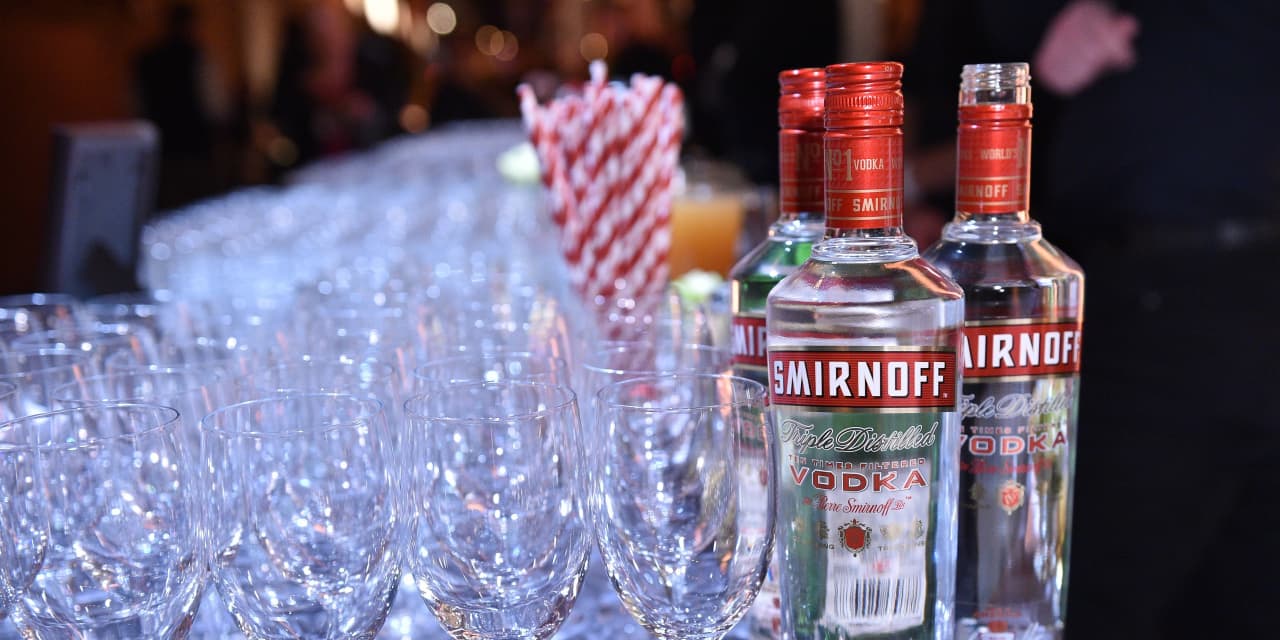
- Diageo's Transformation Challenges: Diageo, the world's largest spirits company, has seen its stock price decline due to industry sluggishness and trade tensions, currently valued at $43 billion; despite halving its dividend to free up cash flow, its forward P/E ratio of 12 remains below the decade average, indicating investment potential.
- Campbell's Defensive Investment: With a high dividend yield of 7.2%, Campbell's Company attracts investors despite restructuring challenges; its free cash flow of $2.31 per share over the past four quarters significantly exceeds the $1.56 dividend payout, demonstrating financial robustness.
- Mondelez's Recovery Potential: Mondelez International stands to benefit from a 66% drop in cocoa prices, improving profit margins; with a current dividend yield of 3.5% and an expected earnings growth of 8% annually over the next three to five years, it offers a solid return outlook for long-term investors.
- Market Performance of Consumer Stocks: While many consumer stocks have declined amid the tech boom, Mondelez's stock remains about 30% off its 2023 peak, but is expected to rebound in 2026 as margins recover, making it an ideal choice for long-term investment.
Trade with 70% Backtested Accuracy
Stop guessing "Should I Buy DEO?" and start using high-conviction signals backed by rigorous historical data.
Sign up today to access powerful investing tools and make smarter, data-driven decisions.
Analyst Views on DEO
Wall Street analysts forecast DEO stock price to fall
2 Analyst Rating
1 Buy
1 Hold
0 Sell
Moderate Buy
Current: 78.840

Low
25.32
Averages
76.16
High
127.00
Current: 78.840
Low
25.32
Averages
76.16
High
127.00
About DEO
Diageo plc is a United Kingdom-based international manufacturer and distributor of premium drinks. The Company offers beverage alcohol with a collection of brands across spirits and beer categories. Its segments include North America, Europe, Asia Pacific, Latin America and Caribbean, Africa, and Corporate and other. The SC&P segment manufactures products and includes production sites in the United Kingdom, Ireland, Italy, Guatemala and Mexico, as well as comprises the global procurement function. Its principal products include scotch whisky, whisk(e)y, vodka, tequila, gin, rum, liqueurs, beer, wine, and non-alcoholic spirits. Its collection of brands includes Johnnie Walker, J&B and Buchanan's whiskies, Smirnoff, Ciroc and Ketel One vodkas, Captain Morgan, Don Julio, Guinness, and Tanqueray, among others. It offers Ritual Zero Proof Non-Alcoholic Spirits (Ritual). It owns manufacturing production facilities across the globe, including distilleries, breweries, and packaging plants.
About the author

Emily J. Thompson
Emily J. Thompson, a Chartered Financial Analyst (CFA) with 12 years in investment research, graduated with honors from the Wharton School. Specializing in industrial and technology stocks, she provides in-depth analysis for Intellectia’s earnings and market brief reports.

Guinness Beer Goes Viral on TikTok

- Viral TikTok Challenge: The Guinness 'Split the G' challenge has gone viral on TikTok, where drinkers attempt to take a single gulp from a freshly poured pint so that the beer and foam line perfectly aligns with the 'G' in the logo, originating from Irish pub culture and now popular worldwide, significantly boosting brand visibility.
- Significant Sales Growth: Since Gráinne Wafer took over the Guinness brand in 2019, it has achieved a double-digit compound annual growth rate within Diageo's portfolio, defying the trend of declining beer sales globally, indicating strong market performance.
- Market Share Expansion: While Ireland and Britain remain the largest markets for Guinness, it is now the best-selling draft beer in New York and Boston, showcasing its growing influence in the U.S. market and further solidifying its global brand position.
- Diverse Product Strategy: The introduction of the higher-alcohol bottled variant, Foreign Extra Stout, has made Nigeria the world's fourth-largest consumer of Guinness, while Guinness 0.0 has become the top non-alcoholic beer in the UK, demonstrating the brand's adaptability and innovative strategies across different markets.
See More
Diageo's New CEO Implements Major Layoffs
- Restructuring Plan Initiated: New CEO Dave Lewis is implementing deep cuts at Diageo (DEO), mandating cost and headcount reductions across departments to address sluggish U.S. sales, aiming to enhance profitability and optimize the operating framework.
- Significant Layoff Impact: Lewis has not set specific job cut numbers but has tasked department heads with cost-reduction targets, resulting in a tense atmosphere at the London office, with several business unit heads having left or in the process of leaving the company.
- Market Environment Challenges: Despite Diageo's strong portfolio of alcoholic beverages, changing consumer preferences, particularly among younger generations favoring non-alcoholic options, have led to a steady decline in alcohol consumption, adversely affecting sales and causing the stock price to plummet nearly 60% since 2021.
- Cost Savings Plan: The company’s previously announced $500 million cost savings plan has been increased to $625 million, with the CFO stating that this move aims to free up resources for reinvestment in the business, which could ultimately impact headcount further.
See More
Economic Impact Analysis of 2026 World Cup

- Increased Teams: The 2026 World Cup will feature 48 teams for the first time, hosted across three North American countries, which is expected to attract a larger audience and enhance business opportunities in related sectors.
- Beneficiaries in Consumer Goods: Goldman Sachs predicts that European and U.S. consumer staples, retail, and hospitality sectors will be the main beneficiaries of the World Cup, although the macroeconomic impact may not be substantial or long-lasting.
- Sports Betting Competition: Deutsche Bank analysts highlight the intensifying competition between traditional bookmakers and emerging prediction markets, particularly with platforms like Polymarket and Kalshi gaining traction during this World Cup.
- Private Market Concerns: At the upcoming SuperReturn conference, Partners Group warned of potential limits on fund withdrawals, triggering a sell-off in stocks exposed to private markets, indicating growing concerns about liquidity in the market.
See More
Investment Analysis in the Spirits Industry
- Intensifying Market Competition: Diageo sells over 200 brands globally, with FY 2025 revenue nearing $20.2 billion, reflecting a slight 0.1% decline from the previous year, yet its presence in nearly 180 countries underscores strong brand influence, though it faces pressure from competitors like Pernod Ricard and LVMH.
- Financial Performance Comparison: Brown-Forman reported total revenue of approximately $4.0 billion in FY 2025, a 4.9% decrease year-over-year, but net income was around $869 million, achieving a net margin of 21.9%, indicating profitability despite high customer concentration risks.
- Valuation Discrepancies: Diageo's forward P/E stands at 17.0x compared to Brown-Forman's 15.2x; while the latter has a higher P/S ratio of 3.0x, Diageo's substantial total revenue enhances its attractiveness in the market, reflecting differing investment values.
- Changing Consumer Trends: Gallup's survey shows that the percentage of U.S. adults drinking alcohol fell to 54% in 2025, with younger demographics showing reduced interest, leading to stock declines of 64% and 69% for Diageo and Brown-Forman respectively over the past five years, placing both companies at decade-low valuations, necessitating cautious evaluation of future growth potential.
See More
Value Proposition Analysis of Spirits Giants
- Market Performance Comparison: Diageo's revenue for FY 2025 reached nearly $20.2 billion, reflecting a slight decline of 0.1% from the previous year, yet its net income stood at approximately $2.4 billion, showcasing its strong global market influence; in contrast, Brown-Forman reported total revenue of about $4.0 billion, a 4.9% decrease, but net income of $869 million with a net margin of 21.9%, indicating robust profitability.
- Financial Health Status: Diageo's debt-to-equity ratio is 2.2x with a current ratio of approximately 1.6, demonstrating solid short-term debt coverage; conversely, Brown-Forman's debt-to-equity ratio is only 0.7x, with a current ratio of 3.9, indicating a stronger financial position to handle short-term obligations.
- Consumer Trend Impact: With the percentage of U.S. adults drinking alcohol dropping to 54%, and a significant decline in interest among younger consumers, Diageo and Brown-Forman's shares have fallen by 64% and 69% over the past five years, reflecting the challenges faced by the industry and investor caution.
- Future Outlook and Investment Strategy: Despite both companies trading at decade-low valuations, Diageo's international sales advantage and a 4.2% dividend yield may position it better for future market recovery, prompting investors to monitor its upcoming earnings for signs of improvement and potential acquisition opportunities.
See More

Top Consumer Brands Offer Attractive Dividend Yields Amid Market Weakness
- Home Depot Investment Opportunity: Home Depot's shares are currently trading 29% below their previous high, and despite sales growth being pressured by high interest rates, its quarterly dividend of $2.33 per share yields 2.98%, significantly above the S&P 500 average, indicating strong investment value during economic recovery.
- Hershey's Steady Growth: Hershey's stock has also declined by 29%, yet its first-quarter organic sales grew nearly 8% year-over-year, with adjusted earnings rising 12%, demonstrating the resilience of its brand portfolio and suggesting continued stable growth in the coming years.
- Diageo's High Yield: Diageo offers a dividend yield of 3.88%, and although its stock is down 61% from its peak, its organic net sales increased by 0.3% year-over-year, showcasing the value of its diversified brand portfolio, with future potential to enhance free cash flow supporting dividend payments.
- Market Dynamics Analysis: While macroeconomic pressures have impacted consumer brand stock prices, the current low prices make these companies' dividend yields particularly attractive for income-seeking investors, especially in the context of an anticipated economic recovery.
See More
Guinness Beer Goes Viral on TikTok
- Viral TikTok Challenge: The Guinness 'Split the G' challenge has gone viral on TikTok, where drinkers attempt to take a single gulp from a freshly poured pint so that the beer and foam line perfectly aligns with the 'G' in the logo, originating from Irish pub culture and now popular worldwide, significantly boosting brand visibility.
- Significant Sales Growth: Since Gráinne Wafer took over the Guinness brand in 2019, it has achieved a double-digit compound annual growth rate within Diageo's portfolio, defying the trend of declining beer sales globally, indicating strong market performance.
- Market Share Expansion: While Ireland and Britain remain the largest markets for Guinness, it is now the best-selling draft beer in New York and Boston, showcasing its growing influence in the U.S. market and further solidifying its global brand position.
- Diverse Product Strategy: The introduction of the higher-alcohol bottled variant, Foreign Extra Stout, has made Nigeria the world's fourth-largest consumer of Guinness, while Guinness 0.0 has become the top non-alcoholic beer in the UK, demonstrating the brand's adaptability and innovative strategies across different markets.
See More
Diageo's New CEO Implements Major Layoffs
- Restructuring Plan Initiated: New CEO Dave Lewis is implementing deep cuts at Diageo (DEO), mandating cost and headcount reductions across departments to address sluggish U.S. sales, aiming to enhance profitability and optimize the operating framework.
- Significant Layoff Impact: Lewis has not set specific job cut numbers but has tasked department heads with cost-reduction targets, resulting in a tense atmosphere at the London office, with several business unit heads having left or in the process of leaving the company.
- Market Environment Challenges: Despite Diageo's strong portfolio of alcoholic beverages, changing consumer preferences, particularly among younger generations favoring non-alcoholic options, have led to a steady decline in alcohol consumption, adversely affecting sales and causing the stock price to plummet nearly 60% since 2021.
- Cost Savings Plan: The company’s previously announced $500 million cost savings plan has been increased to $625 million, with the CFO stating that this move aims to free up resources for reinvestment in the business, which could ultimately impact headcount further.
See More
Economic Impact Analysis of 2026 World Cup
- Increased Teams: The 2026 World Cup will feature 48 teams for the first time, hosted across three North American countries, which is expected to attract a larger audience and enhance business opportunities in related sectors.
- Beneficiaries in Consumer Goods: Goldman Sachs predicts that European and U.S. consumer staples, retail, and hospitality sectors will be the main beneficiaries of the World Cup, although the macroeconomic impact may not be substantial or long-lasting.
- Sports Betting Competition: Deutsche Bank analysts highlight the intensifying competition between traditional bookmakers and emerging prediction markets, particularly with platforms like Polymarket and Kalshi gaining traction during this World Cup.
- Private Market Concerns: At the upcoming SuperReturn conference, Partners Group warned of potential limits on fund withdrawals, triggering a sell-off in stocks exposed to private markets, indicating growing concerns about liquidity in the market.
See More
Investment Analysis in the Spirits Industry
- Intensifying Market Competition: Diageo sells over 200 brands globally, with FY 2025 revenue nearing $20.2 billion, reflecting a slight 0.1% decline from the previous year, yet its presence in nearly 180 countries underscores strong brand influence, though it faces pressure from competitors like Pernod Ricard and LVMH.
- Financial Performance Comparison: Brown-Forman reported total revenue of approximately $4.0 billion in FY 2025, a 4.9% decrease year-over-year, but net income was around $869 million, achieving a net margin of 21.9%, indicating profitability despite high customer concentration risks.
- Valuation Discrepancies: Diageo's forward P/E stands at 17.0x compared to Brown-Forman's 15.2x; while the latter has a higher P/S ratio of 3.0x, Diageo's substantial total revenue enhances its attractiveness in the market, reflecting differing investment values.
- Changing Consumer Trends: Gallup's survey shows that the percentage of U.S. adults drinking alcohol fell to 54% in 2025, with younger demographics showing reduced interest, leading to stock declines of 64% and 69% for Diageo and Brown-Forman respectively over the past five years, placing both companies at decade-low valuations, necessitating cautious evaluation of future growth potential.
See More
Value Proposition Analysis of Spirits Giants
- Market Performance Comparison: Diageo's revenue for FY 2025 reached nearly $20.2 billion, reflecting a slight decline of 0.1% from the previous year, yet its net income stood at approximately $2.4 billion, showcasing its strong global market influence; in contrast, Brown-Forman reported total revenue of about $4.0 billion, a 4.9% decrease, but net income of $869 million with a net margin of 21.9%, indicating robust profitability.
- Financial Health Status: Diageo's debt-to-equity ratio is 2.2x with a current ratio of approximately 1.6, demonstrating solid short-term debt coverage; conversely, Brown-Forman's debt-to-equity ratio is only 0.7x, with a current ratio of 3.9, indicating a stronger financial position to handle short-term obligations.
- Consumer Trend Impact: With the percentage of U.S. adults drinking alcohol dropping to 54%, and a significant decline in interest among younger consumers, Diageo and Brown-Forman's shares have fallen by 64% and 69% over the past five years, reflecting the challenges faced by the industry and investor caution.
- Future Outlook and Investment Strategy: Despite both companies trading at decade-low valuations, Diageo's international sales advantage and a 4.2% dividend yield may position it better for future market recovery, prompting investors to monitor its upcoming earnings for signs of improvement and potential acquisition opportunities.
See More
Top Consumer Brands Offer Attractive Dividend Yields Amid Market Weakness
- Home Depot Investment Opportunity: Home Depot's shares are currently trading 29% below their previous high, and despite sales growth being pressured by high interest rates, its quarterly dividend of $2.33 per share yields 2.98%, significantly above the S&P 500 average, indicating strong investment value during economic recovery.
- Hershey's Steady Growth: Hershey's stock has also declined by 29%, yet its first-quarter organic sales grew nearly 8% year-over-year, with adjusted earnings rising 12%, demonstrating the resilience of its brand portfolio and suggesting continued stable growth in the coming years.
- Diageo's High Yield: Diageo offers a dividend yield of 3.88%, and although its stock is down 61% from its peak, its organic net sales increased by 0.3% year-over-year, showcasing the value of its diversified brand portfolio, with future potential to enhance free cash flow supporting dividend payments.
- Market Dynamics Analysis: While macroeconomic pressures have impacted consumer brand stock prices, the current low prices make these companies' dividend yields particularly attractive for income-seeking investors, especially in the context of an anticipated economic recovery.
See More