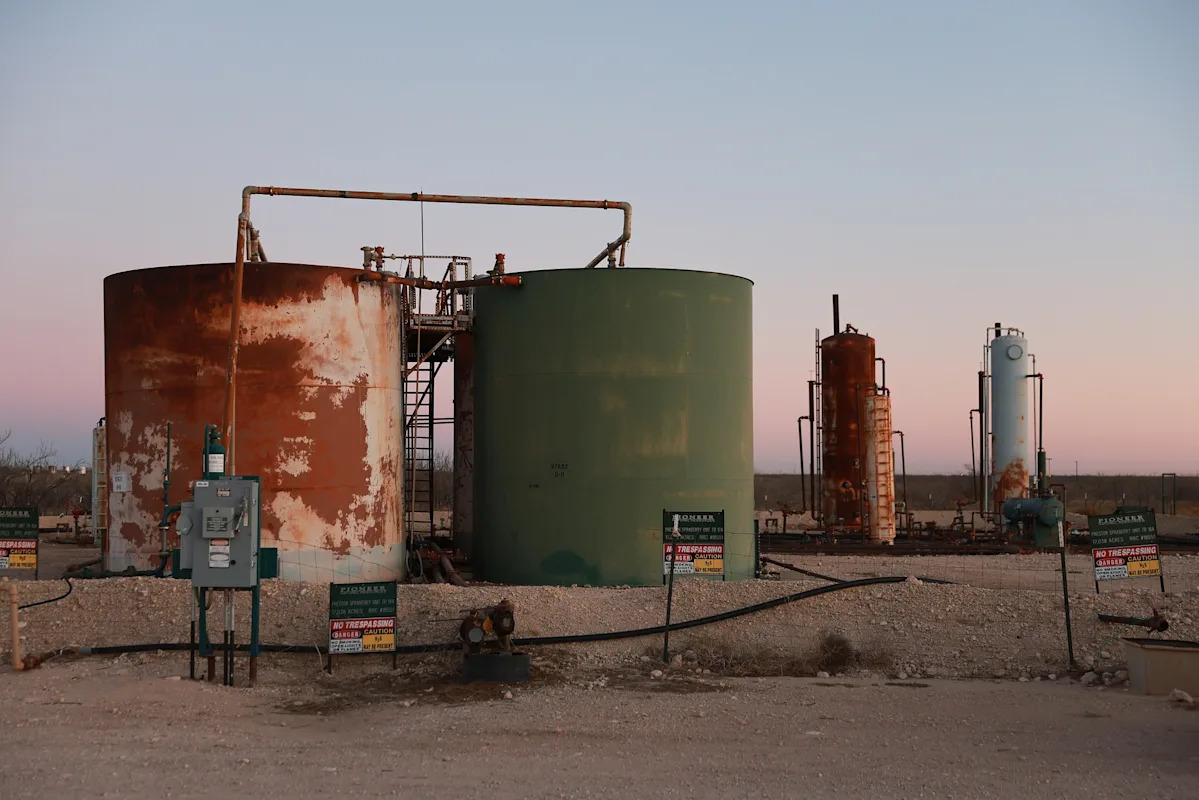
Cuba's Electric Grid Collapse Triggers Energy Crisis Amid U.S. Blockade
Written by Emily J. Thompson, Senior Investment Analyst
Updated: 1 hour ago
0mins
Should l Buy DAL?
Source: seekingalpha
- Escalating Power Crisis: The U.S. blockade has prevented Cuba from receiving oil shipments for months, leading to severe energy rationing and culminating in a nationwide electric grid collapse on Monday, affecting 10 million people and highlighting the vulnerability of aging infrastructure.
- Protests Erupt: In response to the worsening economic crisis, Cuba's Deputy Prime Minister announced that exiles would be allowed to invest and own businesses on the island; however, riots at government offices and nightly cacerolazos indicate rising public discontent with the current situation.
- Severe Service Disruptions: The power collapse has severely disrupted food distribution and garbage collection, while hospitals and transport networks have significantly reduced their services, demonstrating the country's fragility and governance challenges amid the crisis.
- International Flight Reductions: Major international carriers, including American Airlines, Delta, and Southwest, have recently cut flights to Cuba, reflecting increased external economic pressures and further isolating the nation in its time of need.
Trade with 70% Backtested Accuracy
Stop guessing "Should I Buy DAL?" and start using high-conviction signals backed by rigorous historical data.
Sign up today to access powerful investing tools and make smarter, data-driven decisions.
Analyst Views on DAL
Wall Street analysts forecast DAL stock price to rise
18 Analyst Rating
18 Buy
0 Hold
0 Sell
Strong Buy
Current: 58.780

Low
77.00
Averages
83.50
High
90.00
Current: 58.780
Low
77.00
Averages
83.50
High
90.00
About DAL
Delta Air Lines, Inc. provides scheduled air transportation for passengers and cargo throughout the United States and around the world. The Company has hubs and markets in Amsterdam, Atlanta, Bogota, Boston, Detroit, Lima, London-Heathrow, Los Angeles, Mexico City, Minneapolis-St. Paul, New York-JFK and LaGuardia, Paris-Charles de Gaulle, Salt Lake City, Santiago (Chile), Sao Paulo, Seattle, Seoul-Incheon, and Tokyo. Its segments include Airline and Refinery. Its airline segment is managed as a single business unit that provides scheduled air transportation for passengers and cargo throughout the United States and around the world and includes its loyalty program, as well as other ancillary businesses. Its refinery segment operates for the benefit of the airline segment by providing jet fuel to the airline segment from its own production and through jet fuel obtained through agreements with third parties. The refinery's production consists of jet fuel as well as non-jet fuel products.
About the author

Emily J. Thompson
Emily J. Thompson, a Chartered Financial Analyst (CFA) with 12 years in investment research, graduated with honors from the Wharton School. Specializing in industrial and technology stocks, she provides in-depth analysis for Intellectia’s earnings and market brief reports.
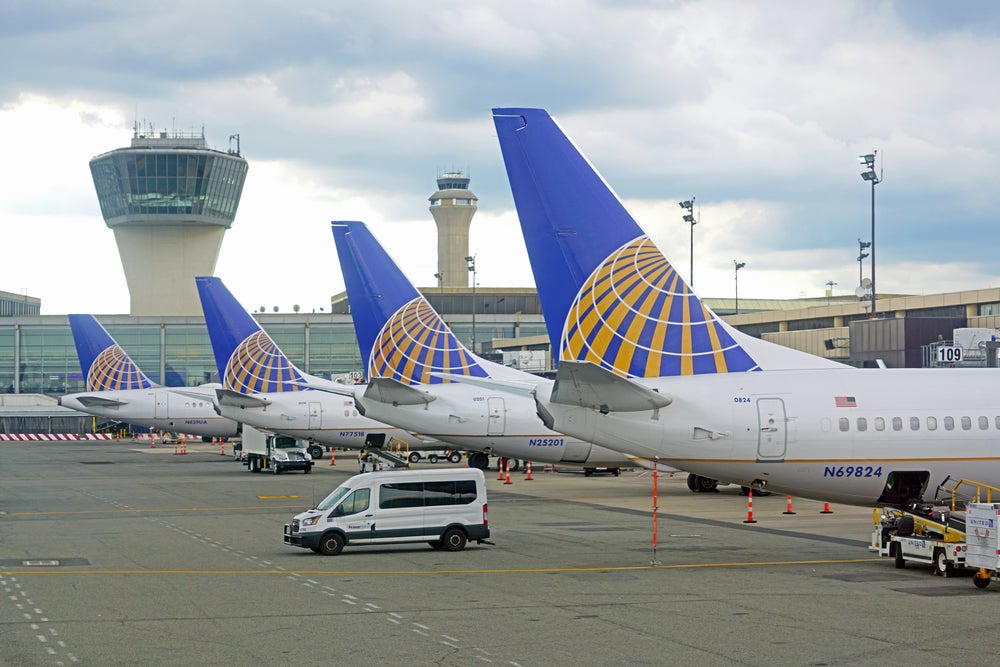
Delta Air Lines Maintains Q1 Guidance Amid Rising Jet Fuel Prices

- Q1 Performance Guidance: Delta Air Lines CEO Ed Bastian stated that despite rising jet fuel prices due to the war in Iran, the company is maintaining its Q1 EPS guidance of 50 to 90 cents, reflecting confidence in future performance.
- Strong Revenue Growth: Bastian noted that despite a $400 million hit in Q4, strong demand has led to revenue growth exceeding expectations, with a forecasted sales increase of up to 7% in Q1.
- Customer Demand Recovery: Delta has recorded eight of its top ten sales days in history this quarter, particularly in the last week of March, indicating robust demand from high-spending and corporate customers, with a 25% year-over-year increase in bookings.
- Positive Market Reaction: Delta's stock rose nearly 4% in premarket trading, reflecting investor confidence in the company's ability to maintain profitability amid high fuel costs and challenging weather conditions.
See More
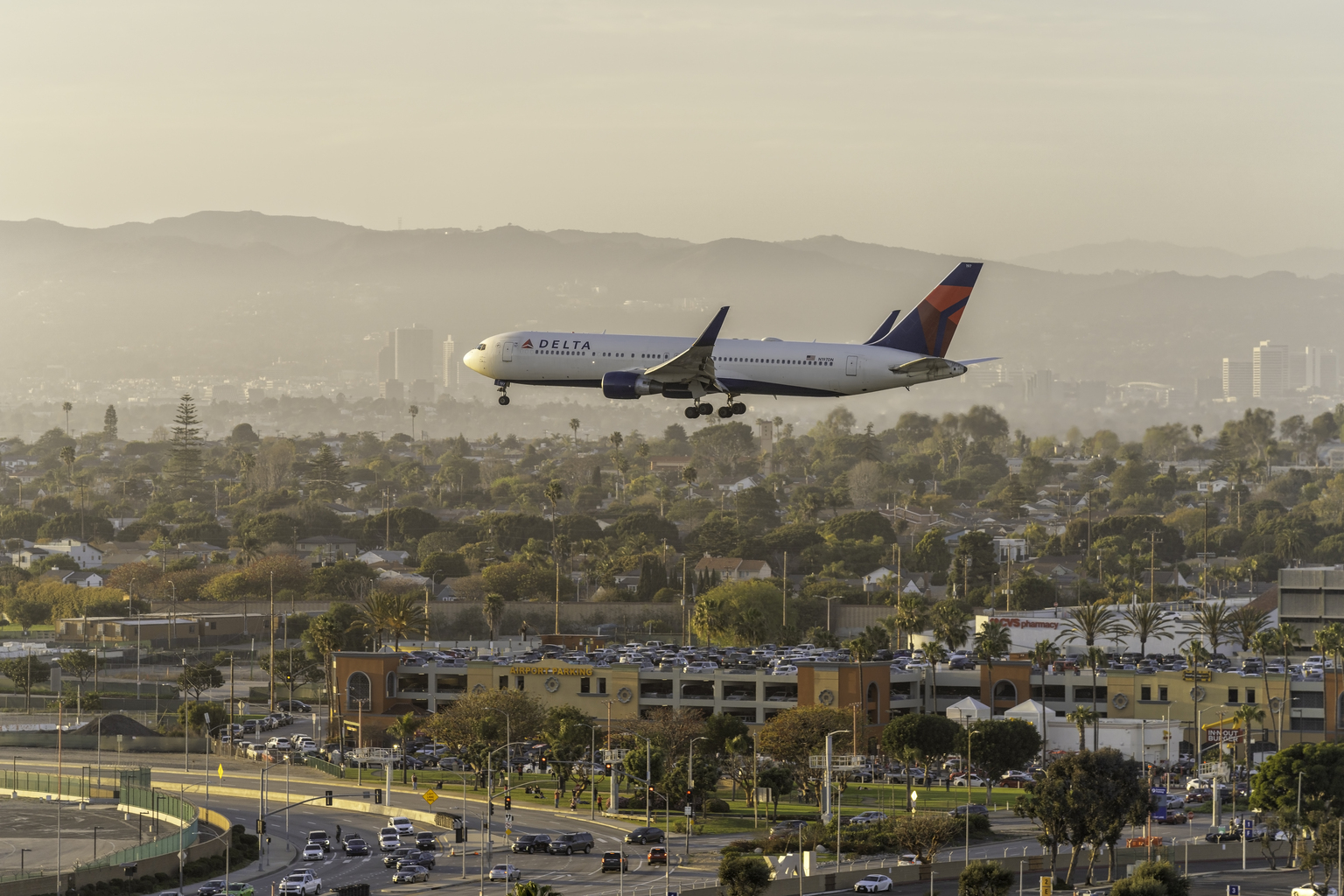
Delta Air Lines Forecasts Q1 Revenue Exceeding Expectations
- Revenue Forecast Upgrade: Delta Air Lines (DAL) anticipates Q1 revenue growth in the high-single digits, reaching between $15.0B and $15.30B, surpassing initial estimates of 5% to 7%, reflecting accelerated trends in consumer and corporate demand.
- Profitability Resilience: Despite a recent spike in jet fuel costs, Delta expects earnings per share to remain between $6.50 and $7.50, demonstrating its ability to navigate the current environment with profitability and capacity flexibility.
- Market Position Advantage: CEO Ed Bastian noted that with 90% of revenue derived from premium offerings, Delta is uniquely insulated from economic headwinds, providing a competitive edge over discount carriers in a high-cost environment.
- Stock Price Surge: The positive outlook has led to a more than 5% increase in Delta's (DAL) shares in premarket trading, also boosting the stock performance of peers such as United Airlines (UAL) and American Airlines (AAL).
See More
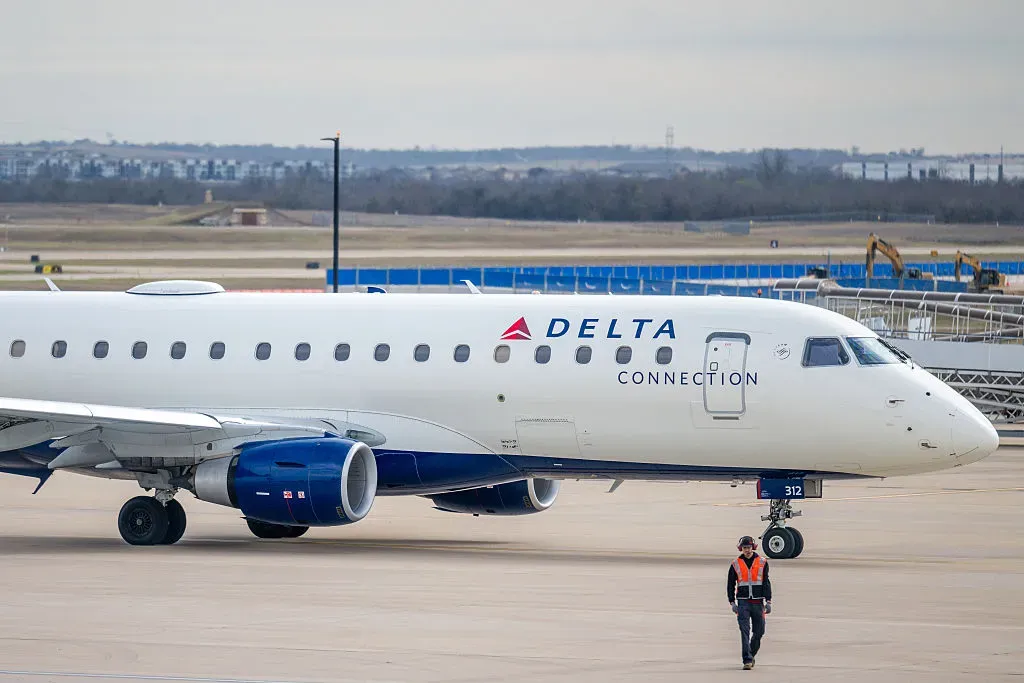
Delta Air Lines Faces Pressure from Soaring Oil Prices
- Surging Fuel Costs: Delta Air Lines CEO Ed Bastian warned that jet fuel prices have nearly doubled this quarter, creating a $400 million cost headwind, although strong travel demand has partially offset this impact.
- Strong Demand Resilience: Despite soaring fuel prices, Bastian noted that customer demand continues to exceed expectations, indicating a robust market appetite for air travel, which provides some buffer for the company.
- Geopolitical Tensions: The U.S. and Israel's military actions against Iran have escalated tensions in the Middle East, disrupting oil shipments and further exacerbating price volatility, posing additional challenges for airlines.
- Positive Market Reaction: Despite the cost pressures, Delta's stock traded over 5% higher in Tuesday's premarket, reflecting investor confidence in the company's future performance amidst these challenges.
See More

Delta Air Lines Raises Q1 Earnings Guidance Amid Strong Demand
- Earnings Guidance Increase: Delta Air Lines expects total revenue for Q1 2026 to be between $15.0 billion and $15.3 billion, indicating a 7-9% increase year-over-year, showcasing strong market demand and operational capabilities.
- Adjusted Revenue Growth: The adjusted total revenue is projected to range from $13.9 billion to $14.2 billion, reflecting mid-single-digit revenue growth in both domestic and international markets, further solidifying the company's market position.
- Cost Expectations Rise: CASM-Ex is anticipated to increase by 4-6% from the previous year, which may exert some pressure on profit margins; however, the overall revenue growth is expected to help offset this impact.
- Positive Stock Reaction: In pre-market trading on the NYSE, Delta Air Lines shares rose by 4.79% to $63.75, reflecting investor optimism regarding the company's outlook.
See More

Delta Air Lines Maintains Profit Guidance, Raises Revenue Expectations

- Profit Guidance Stability: Delta Air Lines maintains its earnings per share guidance of 50 to 90 cents for Q1, despite rising jet fuel costs since the Iran war, indicating strong confidence in market demand.
- Revenue Expectations Raised: The airline has raised its revenue expectations due to robust demand, forecasting sales growth of up to 7%, which highlights the support from high-spending and corporate customers driving revenue beyond initial forecasts.
- Strongest Financial Position: Delta reports its strongest balance sheet in history, with a 25% year-over-year increase in revenue and bookings, reflecting strong market demand driven by high-spending customers.
- Positive Market Reaction: Delta's stock rose 5% in premarket trading, reflecting investor optimism regarding the company's profitability and future growth potential, despite external challenges.
See More

Premarket Moves: Nvidia, Delta, Oil Stocks, Eli Lilly


- Nvidia Order Expectations: Nvidia's CEO Jensen Huang stated that orders for its Blackwell and Vera Rubin chips are expected to reach $1 trillion by 2027, leading to a slight increase in stock price, reflecting strong market confidence in future demand.
- Delta Air Lines Revenue Guidance Raised: Delta's shares rose over 4% after the company raised its first-quarter revenue growth guidance to high single digits from a previous forecast of 5% to 7%, indicating robust recovery momentum in the airline industry.
- Oil Stocks Rally: Oil stocks collectively rose as crude prices resumed their upward trend, with Exxon Mobil up about 1% and Occidental Petroleum gaining 1.4%, showcasing market optimism regarding energy demand despite doubts surrounding a U.S. escort plan for tankers.
- Eli Lilly Downgrade: Eli Lilly's stock fell 1.1% following an HSBC downgrade from hold, with analysts expressing concerns that the obesity drug market appears inflated, indicating apprehension about the company's future profitability trends.
See More
Delta Air Lines Maintains Q1 Guidance Amid Rising Jet Fuel Prices
- Q1 Performance Guidance: Delta Air Lines CEO Ed Bastian stated that despite rising jet fuel prices due to the war in Iran, the company is maintaining its Q1 EPS guidance of 50 to 90 cents, reflecting confidence in future performance.
- Strong Revenue Growth: Bastian noted that despite a $400 million hit in Q4, strong demand has led to revenue growth exceeding expectations, with a forecasted sales increase of up to 7% in Q1.
- Customer Demand Recovery: Delta has recorded eight of its top ten sales days in history this quarter, particularly in the last week of March, indicating robust demand from high-spending and corporate customers, with a 25% year-over-year increase in bookings.
- Positive Market Reaction: Delta's stock rose nearly 4% in premarket trading, reflecting investor confidence in the company's ability to maintain profitability amid high fuel costs and challenging weather conditions.
See More
Delta Air Lines Forecasts Q1 Revenue Exceeding Expectations
- Revenue Forecast Upgrade: Delta Air Lines (DAL) anticipates Q1 revenue growth in the high-single digits, reaching between $15.0B and $15.30B, surpassing initial estimates of 5% to 7%, reflecting accelerated trends in consumer and corporate demand.
- Profitability Resilience: Despite a recent spike in jet fuel costs, Delta expects earnings per share to remain between $6.50 and $7.50, demonstrating its ability to navigate the current environment with profitability and capacity flexibility.
- Market Position Advantage: CEO Ed Bastian noted that with 90% of revenue derived from premium offerings, Delta is uniquely insulated from economic headwinds, providing a competitive edge over discount carriers in a high-cost environment.
- Stock Price Surge: The positive outlook has led to a more than 5% increase in Delta's (DAL) shares in premarket trading, also boosting the stock performance of peers such as United Airlines (UAL) and American Airlines (AAL).
See More
Delta Air Lines Faces Pressure from Soaring Oil Prices
- Surging Fuel Costs: Delta Air Lines CEO Ed Bastian warned that jet fuel prices have nearly doubled this quarter, creating a $400 million cost headwind, although strong travel demand has partially offset this impact.
- Strong Demand Resilience: Despite soaring fuel prices, Bastian noted that customer demand continues to exceed expectations, indicating a robust market appetite for air travel, which provides some buffer for the company.
- Geopolitical Tensions: The U.S. and Israel's military actions against Iran have escalated tensions in the Middle East, disrupting oil shipments and further exacerbating price volatility, posing additional challenges for airlines.
- Positive Market Reaction: Despite the cost pressures, Delta's stock traded over 5% higher in Tuesday's premarket, reflecting investor confidence in the company's future performance amidst these challenges.
See More
Delta Air Lines Raises Q1 Earnings Guidance Amid Strong Demand
- Earnings Guidance Increase: Delta Air Lines expects total revenue for Q1 2026 to be between $15.0 billion and $15.3 billion, indicating a 7-9% increase year-over-year, showcasing strong market demand and operational capabilities.
- Adjusted Revenue Growth: The adjusted total revenue is projected to range from $13.9 billion to $14.2 billion, reflecting mid-single-digit revenue growth in both domestic and international markets, further solidifying the company's market position.
- Cost Expectations Rise: CASM-Ex is anticipated to increase by 4-6% from the previous year, which may exert some pressure on profit margins; however, the overall revenue growth is expected to help offset this impact.
- Positive Stock Reaction: In pre-market trading on the NYSE, Delta Air Lines shares rose by 4.79% to $63.75, reflecting investor optimism regarding the company's outlook.
See More
Delta Air Lines Maintains Profit Guidance, Raises Revenue Expectations
- Profit Guidance Stability: Delta Air Lines maintains its earnings per share guidance of 50 to 90 cents for Q1, despite rising jet fuel costs since the Iran war, indicating strong confidence in market demand.
- Revenue Expectations Raised: The airline has raised its revenue expectations due to robust demand, forecasting sales growth of up to 7%, which highlights the support from high-spending and corporate customers driving revenue beyond initial forecasts.
- Strongest Financial Position: Delta reports its strongest balance sheet in history, with a 25% year-over-year increase in revenue and bookings, reflecting strong market demand driven by high-spending customers.
- Positive Market Reaction: Delta's stock rose 5% in premarket trading, reflecting investor optimism regarding the company's profitability and future growth potential, despite external challenges.
See More
Premarket Moves: Nvidia, Delta, Oil Stocks, Eli Lilly
- Nvidia Order Expectations: Nvidia's CEO Jensen Huang stated that orders for its Blackwell and Vera Rubin chips are expected to reach $1 trillion by 2027, leading to a slight increase in stock price, reflecting strong market confidence in future demand.
- Delta Air Lines Revenue Guidance Raised: Delta's shares rose over 4% after the company raised its first-quarter revenue growth guidance to high single digits from a previous forecast of 5% to 7%, indicating robust recovery momentum in the airline industry.
- Oil Stocks Rally: Oil stocks collectively rose as crude prices resumed their upward trend, with Exxon Mobil up about 1% and Occidental Petroleum gaining 1.4%, showcasing market optimism regarding energy demand despite doubts surrounding a U.S. escort plan for tankers.
- Eli Lilly Downgrade: Eli Lilly's stock fell 1.1% following an HSBC downgrade from hold, with analysts expressing concerns that the obesity drug market appears inflated, indicating apprehension about the company's future profitability trends.
See More