Analysis of Today's High CD Rates
Written by Emily J. Thompson, Senior Investment Analyst
Updated: Mar 29 2026
0mins
Should l Buy LC?
Source: Yahoo Finance
- Current Highest Rate: The highest CD rate today is 4.15% APY, offered by LendingClub for an 8-month CD, indicating that financial institutions are leveraging competitive rates to attract savers in a crowded market.
- Interest Earnings Example: Investing $1,000 in a one-year CD with 1.52% APY would yield a balance of $1,015.20 at year-end, demonstrating that even lower-rate CDs can provide stable returns and reflecting the power of compound interest.
- High Deposit Earnings: Choosing a one-year CD at 4% APY with a $10,000 deposit would result in a total of $10,407.42 upon maturity, meaning an interest earning of $407.42, emphasizing the positive correlation between deposit amounts and earnings.
- Diversity of CD Types: Beyond traditional CDs, the market offers various types such as Bump-up CDs, No-penalty CDs, and Jumbo CDs, which may require accepting lower rates but provide flexibility and higher deposit thresholds to meet different savers' needs.
Trade with 70% Backtested Accuracy
Stop guessing "Should I Buy LC?" and start using high-conviction signals backed by rigorous historical data.
Sign up today to access powerful investing tools and make smarter, data-driven decisions.
Analyst Views on LC
Wall Street analysts forecast LC stock price to rise
9 Analyst Rating
8 Buy
1 Hold
0 Sell
Strong Buy
Current: 16.550

Low
20.00
Averages
23.00
High
26.00
Current: 16.550
Low
20.00
Averages
23.00
High
26.00
About LC
LendingClub Corporation is a bank holding company. The Company operates its business through its subsidiary, LendingClub Bank, National Association (LC Bank). LC Bank is the digital marketplace bank that leverages data and technology to increase access to credit, reduce borrowing costs, and improve returns on savings for its members. Its primary loan products include personal loans, major purchase finance, and auto refinance. LC Bank’s commercial lending business is primarily focused on small businesses, and it participates in the United States small business administration lending programs. Its deposit business includes sourcing deposits directly from customers and from third-party marketing channels and deposit brokers. It offers a range of insured deposit products, including high-yield savings accounts, checking accounts, and certificates of deposit (CDs). Its consumer loans are either retained by LC Bank or sold to marketplace investors through its proprietary loan marketplace.
About the author

Emily J. Thompson
Emily J. Thompson, a Chartered Financial Analyst (CFA) with 12 years in investment research, graduated with honors from the Wharton School. Specializing in industrial and technology stocks, she provides in-depth analysis for Intellectia’s earnings and market brief reports.

LENDINGCLUB STOCK RISES 12.3% IN PREMARKET TRADING FOLLOWING STRONG Q1 REVENUE RESULTS

Lending Club Shares Performance: Lending Club shares have increased by 12.3% in the pre-market following a revenue beat in Q1.
Q1 Revenue Results: The company reported revenue that exceeded expectations, contributing to the rise in share price.
See More

Federal Reserve Holds Rates Steady, Some Banks Cut Yields

- Stable Rate Policy: The Federal Reserve's decision to maintain the federal funds rate between 3.5%-3.75% is generally positive for savers; however, some banks have still lowered their high-yield savings account rates, indicating competitive pressures in the market.
- Yield Cuts by Banks: According to a BTIG report, three major banks—Capital One, Synchrony, and Marcus by Goldman Sachs—have recently reduced their annual percentage yields, following a cut by Ally Financial, reflecting adjustments in banking strategies under yield pressure.
- Shifting Market Expectations: While analysts believe the Fed will not cut rates, bank earnings reports indicate robust consumer spending and lending in the U.S., suggesting that growth expectations remain intact, which could influence future rate decisions.
- Deposit Product Yield Comparison: Despite some banks lowering rates, Bread Financial and LendingClub maintain a 4% yield, but they are expected to follow suit with cuts, highlighting the ongoing competition for high-yield deposit products in the market.
See More
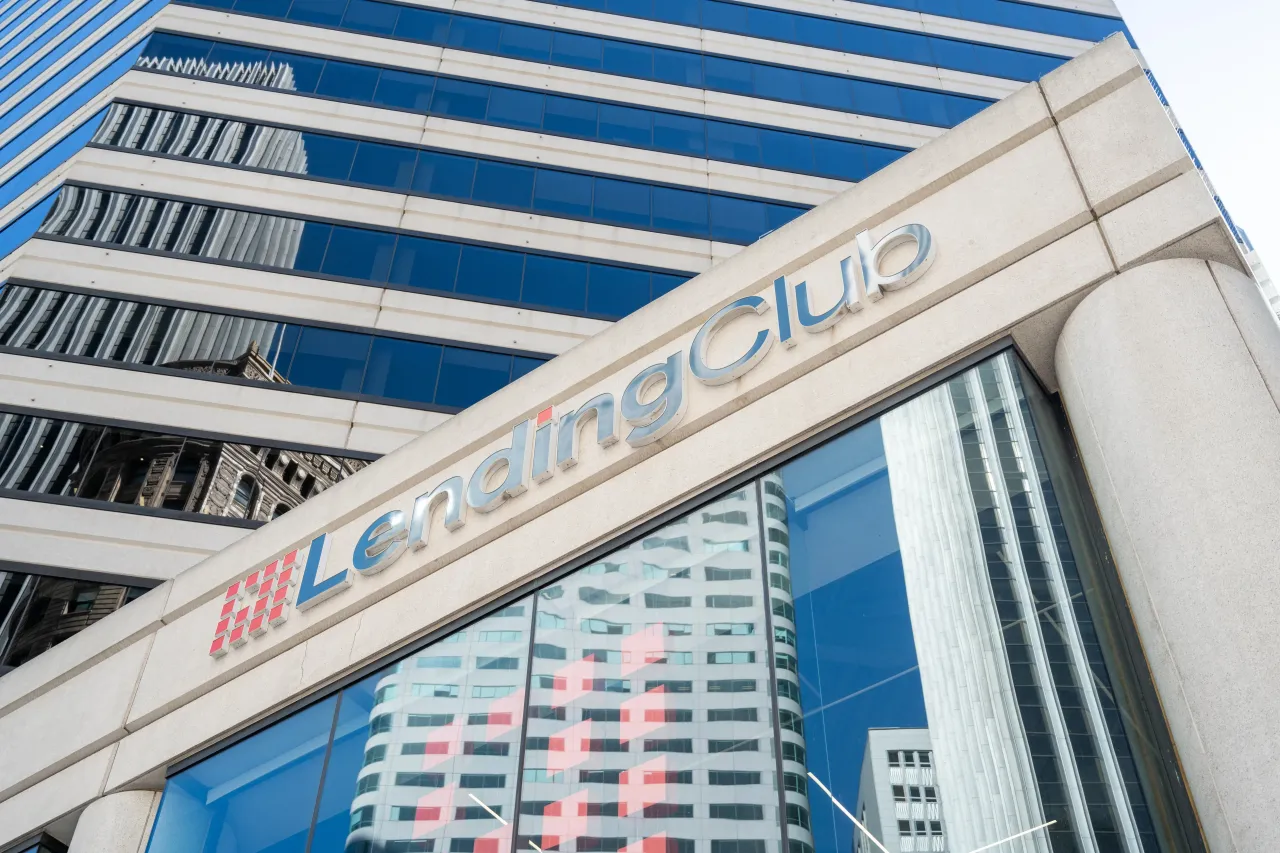
LendingClub Rebrands as Happen Bank to Compete with SoFi

- Rebranding Strategy: LendingClub's rebranding to Happen Bank signifies a shift towards a multi-product consumer banking platform, with CEO Scott Sanborn stating that this change will enable the company to 'go up the funnel' in advertising, thereby attracting a broader audience and enhancing market competitiveness.
- Expanded Product Offerings: The new brand introduces a diverse range of products including checking accounts, savings accounts, personal loans, auto refinancing, home improvement financing, and home equity loans, with Sanborn highlighting that this diversified product mix will enhance advertising effectiveness and meet the needs of a wider customer base.
- Strong Financial Performance: Happen Bank reported Q1 adjusted earnings per share of $0.44, surpassing the expected $0.36, with revenue reaching $252 million, exceeding Wall Street's estimate of $249 million, indicating robust performance during the transformation process.
- Competitive Market Pressure: Although LendingClub's stock rose 2.3% in pre-market trading, it faces pressure from SoFi, which has experienced faster membership growth; market analysts suggest that LendingClub needs to ramp up marketing efforts to enhance brand recognition and product adoption to compete effectively.
See More

LendingClub Reports Strong Q1 Earnings, Rebranding to Happen Bank
- Earnings Beat: LendingClub reported Q1 earnings per share (EPS) of $0.44, exceeding Wall Street estimates by $0.08, with revenue over $252 million, surpassing expectations by $3 million, indicating robust performance amidst market volatility and boosting investor confidence.
- Strong Loan Originations: The company originated nearly $2.7 billion in loans this quarter, maintaining its full-year origination outlook between $11.6 billion and $12.6 billion, reflecting positive progress in expanding its business and market share, particularly in the emerging home improvement loan sector.
- Accounting Method Shift: This quarter marked LendingClub's first use of the fair value option (FVO) accounting method, eliminating provisions for future credit losses, which, while increasing negative fair value adjustments, enhanced capital efficiency and resulted in a 14.5% return on tangible common equity (ROTCE).
- Expansive Market Opportunities: The partnership with Wisetack opens up a $500 billion home improvement loan market, and with over 90% of loan issuance now fully automated, the company not only improves operational efficiency but also lays a solid foundation for future growth, showcasing its leadership in technological innovation.
See More

Tech Stocks Decline Following OpenAI Misses

- Oracle Stock Drop: Oracle's shares fell over 3% after OpenAI missed its user and revenue targets, raising concerns about the sustainability of AI spending and impacting its $300 billion five-year partnership with OpenAI.
- Chip Stocks Decline: Following the OpenAI news, Nvidia and AMD saw declines of over 3% and 4%, respectively, while Arm Holdings plummeted more than 8%, indicating a waning market confidence in AI infrastructure.
- Centene Guidance Raise: Centene's shares surged 12% after it raised its full-year adjusted EPS guidance to over $3.40, surpassing the market consensus of $3.02, reflecting strong performance in the health insurance sector.
- Erasca Stock Plunge: Erasca's stock cratered nearly 50% after reporting a patient death in an early-stage trial, despite analysts viewing the incident as isolated, highlighting investor sensitivity to risks in the biotech sector.
See More

US Stocks Mostly Lower, Tech Sector Under Pressure


- Tech Sector Decline: OpenAI's failure to meet new user and sales targets has led to significant declines in its partners and AI infrastructure stocks like Nvidia and Oracle, reflecting market concerns about the return on massive AI investments and potentially impacting future growth prospects for these companies.
- Coca-Cola's Strong Performance: Coca-Cola reported Q1 net revenue of $12.5 billion, exceeding market expectations of $12.25 billion, resulting in a stock price increase of over 5%, demonstrating strong demand and brand power in the consumer goods market.
- Surging Oil Prices: WTI crude oil prices rose by more than 3% to a two-week high due to escalating tensions between the US and Iran over the Strait of Hormuz, which could deepen the global energy crisis and influence inflation expectations and stock market performance.
- Fed Policy Expectations: The market anticipates that the Federal Reserve will keep interest rates unchanged at the upcoming meeting, reflecting a cautious stance on oil prices and inflation developments, which may affect investor confidence and market liquidity.
See More
LENDINGCLUB STOCK RISES 12.3% IN PREMARKET TRADING FOLLOWING STRONG Q1 REVENUE RESULTS
Lending Club Shares Performance: Lending Club shares have increased by 12.3% in the pre-market following a revenue beat in Q1.
Q1 Revenue Results: The company reported revenue that exceeded expectations, contributing to the rise in share price.
See More
Federal Reserve Holds Rates Steady, Some Banks Cut Yields
- Stable Rate Policy: The Federal Reserve's decision to maintain the federal funds rate between 3.5%-3.75% is generally positive for savers; however, some banks have still lowered their high-yield savings account rates, indicating competitive pressures in the market.
- Yield Cuts by Banks: According to a BTIG report, three major banks—Capital One, Synchrony, and Marcus by Goldman Sachs—have recently reduced their annual percentage yields, following a cut by Ally Financial, reflecting adjustments in banking strategies under yield pressure.
- Shifting Market Expectations: While analysts believe the Fed will not cut rates, bank earnings reports indicate robust consumer spending and lending in the U.S., suggesting that growth expectations remain intact, which could influence future rate decisions.
- Deposit Product Yield Comparison: Despite some banks lowering rates, Bread Financial and LendingClub maintain a 4% yield, but they are expected to follow suit with cuts, highlighting the ongoing competition for high-yield deposit products in the market.
See More
LendingClub Rebrands as Happen Bank to Compete with SoFi
- Rebranding Strategy: LendingClub's rebranding to Happen Bank signifies a shift towards a multi-product consumer banking platform, with CEO Scott Sanborn stating that this change will enable the company to 'go up the funnel' in advertising, thereby attracting a broader audience and enhancing market competitiveness.
- Expanded Product Offerings: The new brand introduces a diverse range of products including checking accounts, savings accounts, personal loans, auto refinancing, home improvement financing, and home equity loans, with Sanborn highlighting that this diversified product mix will enhance advertising effectiveness and meet the needs of a wider customer base.
- Strong Financial Performance: Happen Bank reported Q1 adjusted earnings per share of $0.44, surpassing the expected $0.36, with revenue reaching $252 million, exceeding Wall Street's estimate of $249 million, indicating robust performance during the transformation process.
- Competitive Market Pressure: Although LendingClub's stock rose 2.3% in pre-market trading, it faces pressure from SoFi, which has experienced faster membership growth; market analysts suggest that LendingClub needs to ramp up marketing efforts to enhance brand recognition and product adoption to compete effectively.
See More
LendingClub Reports Strong Q1 Earnings, Rebranding to Happen Bank
- Earnings Beat: LendingClub reported Q1 earnings per share (EPS) of $0.44, exceeding Wall Street estimates by $0.08, with revenue over $252 million, surpassing expectations by $3 million, indicating robust performance amidst market volatility and boosting investor confidence.
- Strong Loan Originations: The company originated nearly $2.7 billion in loans this quarter, maintaining its full-year origination outlook between $11.6 billion and $12.6 billion, reflecting positive progress in expanding its business and market share, particularly in the emerging home improvement loan sector.
- Accounting Method Shift: This quarter marked LendingClub's first use of the fair value option (FVO) accounting method, eliminating provisions for future credit losses, which, while increasing negative fair value adjustments, enhanced capital efficiency and resulted in a 14.5% return on tangible common equity (ROTCE).
- Expansive Market Opportunities: The partnership with Wisetack opens up a $500 billion home improvement loan market, and with over 90% of loan issuance now fully automated, the company not only improves operational efficiency but also lays a solid foundation for future growth, showcasing its leadership in technological innovation.
See More
Tech Stocks Decline Following OpenAI Misses
- Oracle Stock Drop: Oracle's shares fell over 3% after OpenAI missed its user and revenue targets, raising concerns about the sustainability of AI spending and impacting its $300 billion five-year partnership with OpenAI.
- Chip Stocks Decline: Following the OpenAI news, Nvidia and AMD saw declines of over 3% and 4%, respectively, while Arm Holdings plummeted more than 8%, indicating a waning market confidence in AI infrastructure.
- Centene Guidance Raise: Centene's shares surged 12% after it raised its full-year adjusted EPS guidance to over $3.40, surpassing the market consensus of $3.02, reflecting strong performance in the health insurance sector.
- Erasca Stock Plunge: Erasca's stock cratered nearly 50% after reporting a patient death in an early-stage trial, despite analysts viewing the incident as isolated, highlighting investor sensitivity to risks in the biotech sector.
See More
US Stocks Mostly Lower, Tech Sector Under Pressure
- Tech Sector Decline: OpenAI's failure to meet new user and sales targets has led to significant declines in its partners and AI infrastructure stocks like Nvidia and Oracle, reflecting market concerns about the return on massive AI investments and potentially impacting future growth prospects for these companies.
- Coca-Cola's Strong Performance: Coca-Cola reported Q1 net revenue of $12.5 billion, exceeding market expectations of $12.25 billion, resulting in a stock price increase of over 5%, demonstrating strong demand and brand power in the consumer goods market.
- Surging Oil Prices: WTI crude oil prices rose by more than 3% to a two-week high due to escalating tensions between the US and Iran over the Strait of Hormuz, which could deepen the global energy crisis and influence inflation expectations and stock market performance.
- Fed Policy Expectations: The market anticipates that the Federal Reserve will keep interest rates unchanged at the upcoming meeting, reflecting a cautious stance on oil prices and inflation developments, which may affect investor confidence and market liquidity.
See More