Analysis of Diageo's Stock Price Plunge
Written by Emily J. Thompson, Senior Investment Analyst
Updated: 1 hour ago
0mins
Source: Fool
- Sales Growth Slowdown: Diageo's organic net sales fell nearly 3% in the first half of fiscal 2026, with a 7% drop in North America and an 11% decline in Asia Pacific, indicating weak sales in key markets that may lead to continued revenue decline.
- Dividend Cut: To address the performance downturn, Diageo reduced its quarterly dividend by 80% to $0.20 per share in February, reflecting financial pressure and cautious expectations for future profitability.
- Increased Market Competition: As consumers shift to cheaper brands, Diageo's premiumization strategy faces challenges, particularly in the U.S. market, which could lead to a loss of market share in a highly competitive alcoholic beverage sector, impacting long-term growth potential.
- Management Response: New CEO Dave Lewis plans to implement cost-cutting measures, divest weaker assets, and realign pricing strategies, although analysts expect adjusted EPS to decline by 1% in both fiscal 2026 and 2027, highlighting the difficulties in revitalizing the business.
Trade with 70% Backtested Accuracy
Stop guessing "Should I Buy DEO?" and start using high-conviction signals backed by rigorous historical data.
Sign up today to access powerful investing tools and make smarter, data-driven decisions.
Analyst Views on DEO
Wall Street analysts forecast DEO stock price to fall
2 Analyst Rating
1 Buy
1 Hold
0 Sell
Moderate Buy
Current: 78.510

Low
25.32
Averages
76.16
High
127.00
Current: 78.510
Low
25.32
Averages
76.16
High
127.00
About DEO
Diageo plc is a United Kingdom-based international manufacturer and distributor of premium drinks. The Company offers beverage alcohol with a collection of brands across spirits and beer categories. Its segments include North America, Europe, Asia Pacific, Latin America and Caribbean, Africa, and Corporate and other. The SC&P segment manufactures products and includes production sites in the United Kingdom, Ireland, Italy, Guatemala and Mexico, as well as comprises the global procurement function. Its principal products include scotch whisky, whisk(e)y, vodka, tequila, gin, rum, liqueurs, beer, wine, and non-alcoholic spirits. Its collection of brands includes Johnnie Walker, J&B and Buchanan's whiskies, Smirnoff, Ciroc and Ketel One vodkas, Captain Morgan, Don Julio, Guinness, and Tanqueray, among others. It offers Ritual Zero Proof Non-Alcoholic Spirits (Ritual). It owns manufacturing production facilities across the globe, including distilleries, breweries, and packaging plants.
About the author

Emily J. Thompson
Emily J. Thompson, a Chartered Financial Analyst (CFA) with 12 years in investment research, graduated with honors from the Wharton School. Specializing in industrial and technology stocks, she provides in-depth analysis for Intellectia’s earnings and market brief reports.
Analysis of Diageo's Stock Price Plunge

- Sales Growth Slowdown: Diageo's organic net sales fell nearly 3% in the first half of fiscal 2026, with a 7% drop in North America and an 11% decline in Asia Pacific, indicating weak sales in key markets that may lead to continued revenue decline.
- Dividend Cut: To address the performance downturn, Diageo reduced its quarterly dividend by 80% to $0.20 per share in February, reflecting financial pressure and cautious expectations for future profitability.
- Increased Market Competition: As consumers shift to cheaper brands, Diageo's premiumization strategy faces challenges, particularly in the U.S. market, which could lead to a loss of market share in a highly competitive alcoholic beverage sector, impacting long-term growth potential.
- Management Response: New CEO Dave Lewis plans to implement cost-cutting measures, divest weaker assets, and realign pricing strategies, although analysts expect adjusted EPS to decline by 1% in both fiscal 2026 and 2027, highlighting the difficulties in revitalizing the business.
See More

Analysis of Diageo's Significant Stock Decline
- Significant Stock Decline: Diageo's stock has dropped nearly 30% over the past year and has been halved over five years, indicating a decline in market competitiveness and reduced investor confidence in future growth prospects.
- Weak Sales Growth: In the first half of fiscal 2026, Diageo's organic net sales fell nearly 3%, with a 7% drop in North America and an 11% decline in Asia Pacific, highlighting sluggish sales in key markets, and total net sales are expected to decrease by 2%-3% in fiscal 2026.
- Substantial Dividend Cut: To address declining sales, Diageo reduced its quarterly dividend by 80% to $0.20 per share in February, reflecting urgency in cash flow management, which may also impact investor confidence.
- Strategic Adjustment Plans: New CEO Dave Lewis plans to implement cost-cutting measures and divest weaker assets to realign with market demand, although analysts expect adjusted EPS to decline by 1% in both fiscal 2026 and 2027, indicating ongoing challenges for the company.
See More

Should Investors Follow the 'Sell in May' Strategy?

- Testing Traditional Strategies: As May begins, investors are challenged by the traditional 'sell in May' strategy, despite historical data showing that the S&P 500 has averaged a 1.5% return in May and a 1.9% increase in June over the past decade.
- Strong European Market Performance: In April, Europe's STOXX 600 and Germany's DAX posted their best monthly performances since January of last year, with Italy's FTSE MIB achieving a nearly 9% rally, indicating market resilience and potential investment opportunities.
- Upcoming Earnings Reports: In the coming weeks, major European banks like Unicredit and HSBC will release earnings, and investors should closely monitor these reports to gauge market trends, as changes in corporate profitability could significantly impact stock performance in the current economic climate.
- Risk Factors Warning: Despite the strong performance of global stocks, the cautious stance of the Federal Reserve and ECB, along with ongoing inflation pressures, may pose threats to the market, prompting investors to make informed choices between traditional and unconventional strategies.
See More

Trump Lifts Whiskey Tariffs, Boosting Diageo Shares
- Tariff Impact: Following President Trump's removal of whiskey tariffs, Diageo plc's shares rose 4.0% in late Thursday trading, a decision that will alleviate export issues in Kentucky, particularly concerning bourbon amid tariff disputes.
- Ongoing Industry Challenges: Despite the positive tariff news, the whiskey industry continues to grapple with rapid demand shifts, changes in the global consumer base, and deep operational challenges for both U.S. and Scottish producers, highlighting the complexity of the market environment.
- Market Growth Expectations: The global whiskey market is forecasted to grow substantially over the next decade, with rising consumer interest in premium, craft, and flavored whiskies; however, the pace of growth in established regions has moderated, indicating increased market competition.
- Sales Decline Data: Recent data reveals that whiskey sales in the U.S. have declined in both volume and revenue over the past year, even as top brands like Jack Daniel's and Woodford Reserve maintain significant market presence.
See More
Stitzel Reserve Launches 31-Year-Old Bourbon Whiskey
- Rare Bourbon Release: Stitzel-Weller Distillery announces the launch of its 31-Year-Old Bourbon Whiskey on April 30, 2026, priced at $3,000 per 750mL bottle with a limit of 176 bottles, highlighting its unique position in the bourbon market.
- Unique Distillation Process: Distilled in 1992 and aged for over three decades, this bourbon showcases profound flavor complexity and depth, further solidifying Stitzel-Weller's reputation in the premium whiskey sector.
- Tasting Experience: Consumers can participate in an exclusive tasting event at Stitzel-Weller Distillery for $350 per person, enhancing brand engagement and customer loyalty through the unique experience of this rare bourbon.
- Design and Packaging: The packaging for the 31-Year-Old Bourbon reflects its extended maturation process, featuring gold and woodgrain details that underscore its collectability, thereby attracting the attention of whiskey enthusiasts.
See More
Shift in Young Consumers' Alcohol Spending Habits
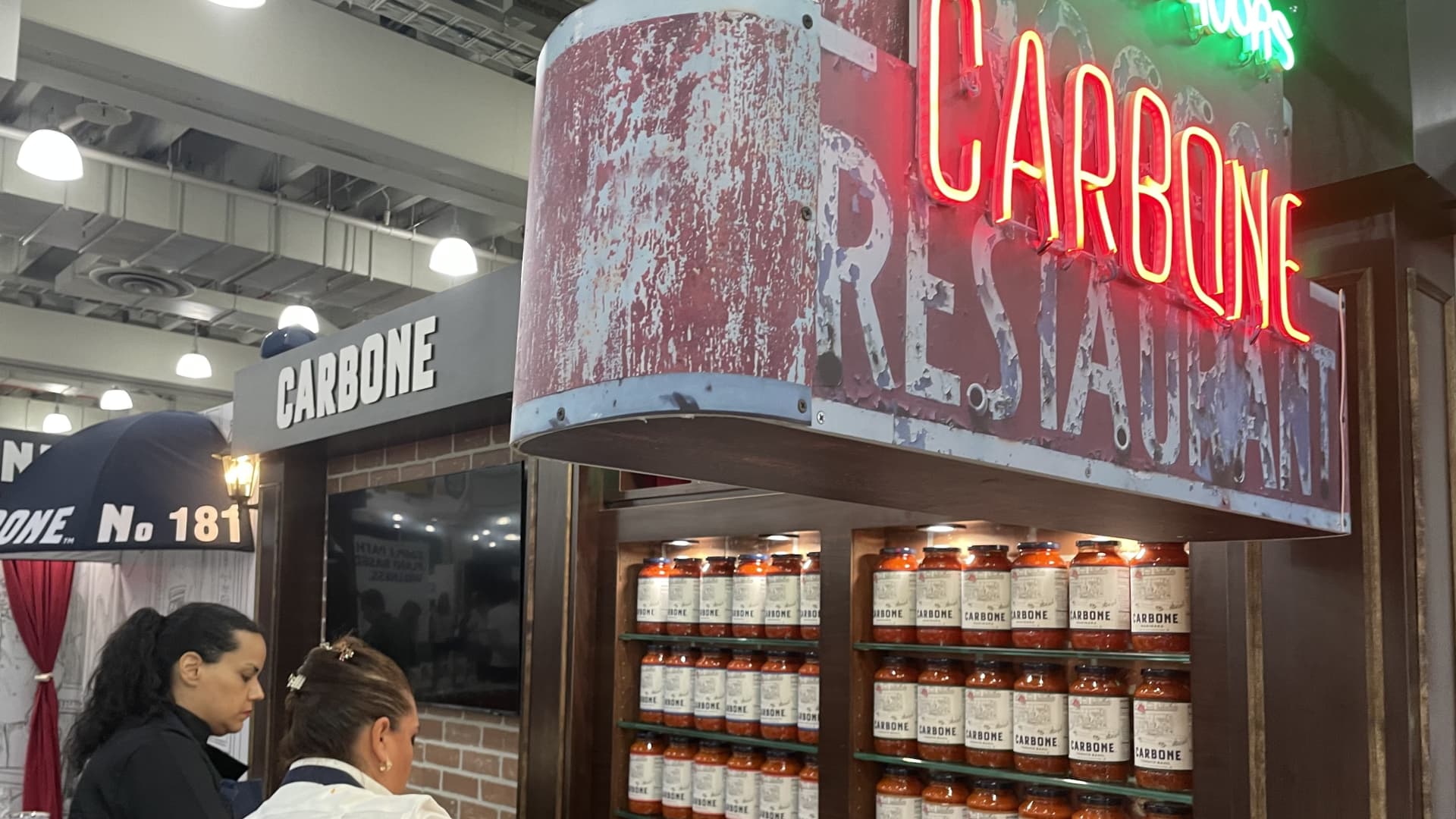
- Changing Consumer Behavior: Mario Carbone, CEO of Major Food Group, highlights a trend where younger consumers are spending less on alcohol but more on high-end dining experiences, indicating a shift towards health consciousness and a preference for experiential spending.
- Pressure on Alcohol Market: Over the past year, alcohol stocks like Constellation Brands and Diageo have seen declines of 16.8% and 28.9% respectively, reflecting weakened demand among younger consumers and broader industry challenges.
- Dining Experience Strategy: Major Food Group is countering declining alcohol consumption by offering 'theatrical fine dining' experiences, emphasizing the uniqueness of dining to attract customers willing to spend more for memorable outings.
- Global Expansion Plans: The company is rapidly expanding into cities like Mexico City, São Paulo, and Tokyo, while also growing its consumer products business to reach beyond its restaurant footprint, aiming to capture a larger market share.
See More
Analysis of Diageo's Stock Price Plunge
- Sales Growth Slowdown: Diageo's organic net sales fell nearly 3% in the first half of fiscal 2026, with a 7% drop in North America and an 11% decline in Asia Pacific, indicating weak sales in key markets that may lead to continued revenue decline.
- Dividend Cut: To address the performance downturn, Diageo reduced its quarterly dividend by 80% to $0.20 per share in February, reflecting financial pressure and cautious expectations for future profitability.
- Increased Market Competition: As consumers shift to cheaper brands, Diageo's premiumization strategy faces challenges, particularly in the U.S. market, which could lead to a loss of market share in a highly competitive alcoholic beverage sector, impacting long-term growth potential.
- Management Response: New CEO Dave Lewis plans to implement cost-cutting measures, divest weaker assets, and realign pricing strategies, although analysts expect adjusted EPS to decline by 1% in both fiscal 2026 and 2027, highlighting the difficulties in revitalizing the business.
See More
Analysis of Diageo's Significant Stock Decline
- Significant Stock Decline: Diageo's stock has dropped nearly 30% over the past year and has been halved over five years, indicating a decline in market competitiveness and reduced investor confidence in future growth prospects.
- Weak Sales Growth: In the first half of fiscal 2026, Diageo's organic net sales fell nearly 3%, with a 7% drop in North America and an 11% decline in Asia Pacific, highlighting sluggish sales in key markets, and total net sales are expected to decrease by 2%-3% in fiscal 2026.
- Substantial Dividend Cut: To address declining sales, Diageo reduced its quarterly dividend by 80% to $0.20 per share in February, reflecting urgency in cash flow management, which may also impact investor confidence.
- Strategic Adjustment Plans: New CEO Dave Lewis plans to implement cost-cutting measures and divest weaker assets to realign with market demand, although analysts expect adjusted EPS to decline by 1% in both fiscal 2026 and 2027, indicating ongoing challenges for the company.
See More
Should Investors Follow the 'Sell in May' Strategy?
- Testing Traditional Strategies: As May begins, investors are challenged by the traditional 'sell in May' strategy, despite historical data showing that the S&P 500 has averaged a 1.5% return in May and a 1.9% increase in June over the past decade.
- Strong European Market Performance: In April, Europe's STOXX 600 and Germany's DAX posted their best monthly performances since January of last year, with Italy's FTSE MIB achieving a nearly 9% rally, indicating market resilience and potential investment opportunities.
- Upcoming Earnings Reports: In the coming weeks, major European banks like Unicredit and HSBC will release earnings, and investors should closely monitor these reports to gauge market trends, as changes in corporate profitability could significantly impact stock performance in the current economic climate.
- Risk Factors Warning: Despite the strong performance of global stocks, the cautious stance of the Federal Reserve and ECB, along with ongoing inflation pressures, may pose threats to the market, prompting investors to make informed choices between traditional and unconventional strategies.
See More
Trump Lifts Whiskey Tariffs, Boosting Diageo Shares
- Tariff Impact: Following President Trump's removal of whiskey tariffs, Diageo plc's shares rose 4.0% in late Thursday trading, a decision that will alleviate export issues in Kentucky, particularly concerning bourbon amid tariff disputes.
- Ongoing Industry Challenges: Despite the positive tariff news, the whiskey industry continues to grapple with rapid demand shifts, changes in the global consumer base, and deep operational challenges for both U.S. and Scottish producers, highlighting the complexity of the market environment.
- Market Growth Expectations: The global whiskey market is forecasted to grow substantially over the next decade, with rising consumer interest in premium, craft, and flavored whiskies; however, the pace of growth in established regions has moderated, indicating increased market competition.
- Sales Decline Data: Recent data reveals that whiskey sales in the U.S. have declined in both volume and revenue over the past year, even as top brands like Jack Daniel's and Woodford Reserve maintain significant market presence.
See More
Stitzel Reserve Launches 31-Year-Old Bourbon Whiskey
- Rare Bourbon Release: Stitzel-Weller Distillery announces the launch of its 31-Year-Old Bourbon Whiskey on April 30, 2026, priced at $3,000 per 750mL bottle with a limit of 176 bottles, highlighting its unique position in the bourbon market.
- Unique Distillation Process: Distilled in 1992 and aged for over three decades, this bourbon showcases profound flavor complexity and depth, further solidifying Stitzel-Weller's reputation in the premium whiskey sector.
- Tasting Experience: Consumers can participate in an exclusive tasting event at Stitzel-Weller Distillery for $350 per person, enhancing brand engagement and customer loyalty through the unique experience of this rare bourbon.
- Design and Packaging: The packaging for the 31-Year-Old Bourbon reflects its extended maturation process, featuring gold and woodgrain details that underscore its collectability, thereby attracting the attention of whiskey enthusiasts.
See More
Shift in Young Consumers' Alcohol Spending Habits
- Changing Consumer Behavior: Mario Carbone, CEO of Major Food Group, highlights a trend where younger consumers are spending less on alcohol but more on high-end dining experiences, indicating a shift towards health consciousness and a preference for experiential spending.
- Pressure on Alcohol Market: Over the past year, alcohol stocks like Constellation Brands and Diageo have seen declines of 16.8% and 28.9% respectively, reflecting weakened demand among younger consumers and broader industry challenges.
- Dining Experience Strategy: Major Food Group is countering declining alcohol consumption by offering 'theatrical fine dining' experiences, emphasizing the uniqueness of dining to attract customers willing to spend more for memorable outings.
- Global Expansion Plans: The company is rapidly expanding into cities like Mexico City, São Paulo, and Tokyo, while also growing its consumer products business to reach beyond its restaurant footprint, aiming to capture a larger market share.
See More