U.S. Army Drives Integration of Weapons Systems with AI
Written by Emily J. Thompson, Senior Investment Analyst
Updated: 1 hour ago
0mins
Source: seekingalpha
- Integration Hackathon: Army Secretary Dan Driscoll has initiated the “Right to Integrate Hackathon” to address the issue of military technology operating in silos, collaborating with firms like Palantir and Anduril to enhance seamless communication and AI integration in weapon systems.
- Phase One Focus: The first phase will target air defense systems, drones, and missiles, involving over 50 platforms, with major defense contractors like Lockheed Martin and Northrop Grumman participating, highlighting the military's urgent need for modernization.
- Open Architecture Testing: Anduril's Lattice platform will serve as a test system to validate integration, aiming to accelerate deployment and improve AI-driven decision support while ensuring human control, reflecting a strong emphasis on rapid response capabilities.
- Procurement Modernization: This initiative signifies a modernization of Pentagon procurement processes, shifting from closed systems to a more interoperable and adaptable battlefield network, thereby enhancing overall operational efficiency and flexibility.
Trade with 70% Backtested Accuracy
Stop guessing "Should I Buy LMT?" and start using high-conviction signals backed by rigorous historical data.
Sign up today to access powerful investing tools and make smarter, data-driven decisions.
Analyst Views on LMT
Wall Street analysts forecast LMT stock price to rise
12 Analyst Rating
4 Buy
7 Hold
1 Sell
Hold
Current: 518.150

Low
430.00
Averages
535.50
High
605.00
Current: 518.150
Low
430.00
Averages
535.50
High
605.00
About LMT
Lockheed Martin Corporation is a global aerospace and defense company. The Company is engaged in the research, design, development, manufacture, integration and sustainment of advanced technology systems, products and services. Its segments include Aeronautics, Missiles and Fire Control (MFC), Rotary and Mission Systems (RMS) and Space. Aeronautics segment is engaged in the research, design, development, manufacture, integration, sustainment, support and upgrade of advanced military aircraft. MFC segment provides air and missile defense systems, manned and unmanned ground vehicles, energy management solutions, and others. RMS segment designs, manufactures, services and supports various military and commercial helicopters, surface ships, sea and land-based missile defense systems, and others. Its Space segment is engaged in the research and design, development, engineering and production of satellites, space transportation systems, and strategic, advanced strike, and defensive systems.
About the author

Emily J. Thompson
Emily J. Thompson, a Chartered Financial Analyst (CFA) with 12 years in investment research, graduated with honors from the Wharton School. Specializing in industrial and technology stocks, she provides in-depth analysis for Intellectia’s earnings and market brief reports.

Lockheed Martin Reports Disappointing Earnings Amid Supply Chain Issues

- Disappointing Earnings: Lockheed Martin's Q1 2026 earnings per share (EPS) fell to $6.44 from $7.28 year-over-year, primarily due to supply chain issues causing cost overruns, which negatively impacted investor sentiment.
- Significant Stock Decline: In April, Lockheed Martin's shares dropped 14.3% while the broader market rose, reflecting concerns about its future performance, particularly as tensions in the Iran conflict eased.
- Defense Spending Outlook: Despite current challenges, Lockheed Martin is well-positioned to meet modern warfare demands, especially with anticipated increases in production for the F-35 fighter jet and missile defense systems, which should drive revenue growth.
- Dividend Growth Potential: Historically, the company has been a strong dividend growth stock, with a 109% increase in dividends over the past decade and a current yield of 2.59%, suggesting that if this pace continues, it could provide substantial returns for investors in the next ten years.
See More
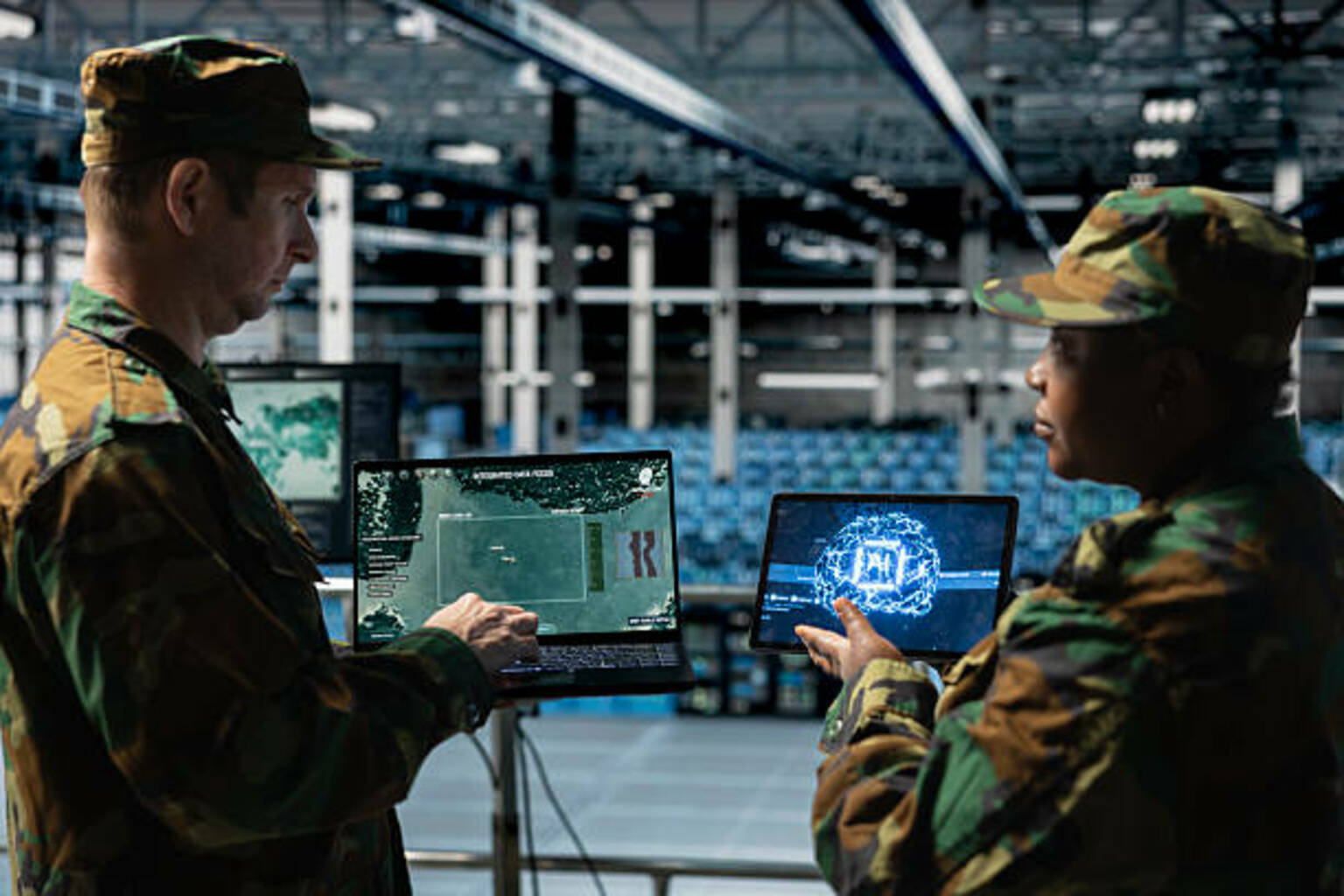
U.S. Army Drives Integration of Weapons Systems with AI

- Integration Hackathon: Army Secretary Dan Driscoll has initiated the “Right to Integrate Hackathon” to address the issue of military technology operating in silos, collaborating with firms like Palantir and Anduril to enhance seamless communication and AI integration in weapon systems.
- Phase One Focus: The first phase will target air defense systems, drones, and missiles, involving over 50 platforms, with major defense contractors like Lockheed Martin and Northrop Grumman participating, highlighting the military's urgent need for modernization.
- Open Architecture Testing: Anduril's Lattice platform will serve as a test system to validate integration, aiming to accelerate deployment and improve AI-driven decision support while ensuring human control, reflecting a strong emphasis on rapid response capabilities.
- Procurement Modernization: This initiative signifies a modernization of Pentagon procurement processes, shifting from closed systems to a more interoperable and adaptable battlefield network, thereby enhancing overall operational efficiency and flexibility.
See More
LOCKHEED MARTIN CORP: JP MORGAN LOWERS TARGET PRICE FROM $680.00 TO $605.00
- Stock Target Adjustment: JPMorgan has reduced its target price for Lockheed Martin Corporation from $680.00 to $605.00.
- Market Impact: This adjustment reflects changes in market conditions and expectations for the defense contractor's performance.
See More

Embraer Anticipates New Defense Deals in the Middle East
- Middle East Potential: Following a landmark order for up to 20 C-390 military cargo aircraft from the UAE, Embraer anticipates further government-to-government procurement contracts in the Middle East, indicating a rising demand for its military aircraft in the region.
- Strategic Cooperation Opportunity: The contract with the UAE includes 10 C-390 jets and 10 options, marking the first selection of this model by a Middle Eastern buyer, potentially paving the way for other nations to join the C-390 operators' club and enhancing Embraer's market position.
- Positive Market Reaction: Embraer's shares rose 2.5% after the UAE deal, outperforming Brazil's benchmark Ibovespa index, which fell by 0.9%, reflecting investor confidence in the company's future growth potential.
- Global Demand Outlook: Embraer estimates a need for 400 to 480 military cargo aircraft globally over the next 20 years, primarily to replace aging fleets, thus enhancing the market outlook for the C-390, especially amid escalating global conflicts.
See More
Lockheed Martin Shares Plunge Amid Earnings Disappointment
- Stock Price Decline: Lockheed Martin's shares fell 14.3% in April despite a rising market, primarily due to disappointing Q1 earnings where sales remained flat year-over-year and EPS dropped to $6.44 from $7.28, highlighting supply chain issues leading to cost overruns and margin compression.
- Defense Sector Pullback: The easing of tensions in the Iran conflict led to a decline in defense stocks, including Lockheed Martin, although the company is well-positioned to meet modern warfare demands, particularly with ongoing production needs for the F-35 fighter jet and missile interceptors.
- Future Growth Potential: With the U.S. planning significant increases in defense spending and global conflicts driving demand for fighter jets and missile defense systems, Lockheed Martin is poised for steady revenue growth in the coming years, provided it can resolve its supply chain challenges.
- Dividend Growth Outlook: Historically, Lockheed Martin has been a strong dividend growth stock, with a 109% increase in dividends over the past decade and a current yield of 2.59%, making it an attractive buy-the-dip candidate if it can maintain this growth trajectory over the next ten years.
See More

U.S. Navy Actions and Oil Price Fluctuations


- Naval Actions: The U.S. Navy inspected M/V Blue Star III on April 28, confirming it would not head to Iran, demonstrating strict enforcement of the blockade, although this action did not significantly sway market sentiment.
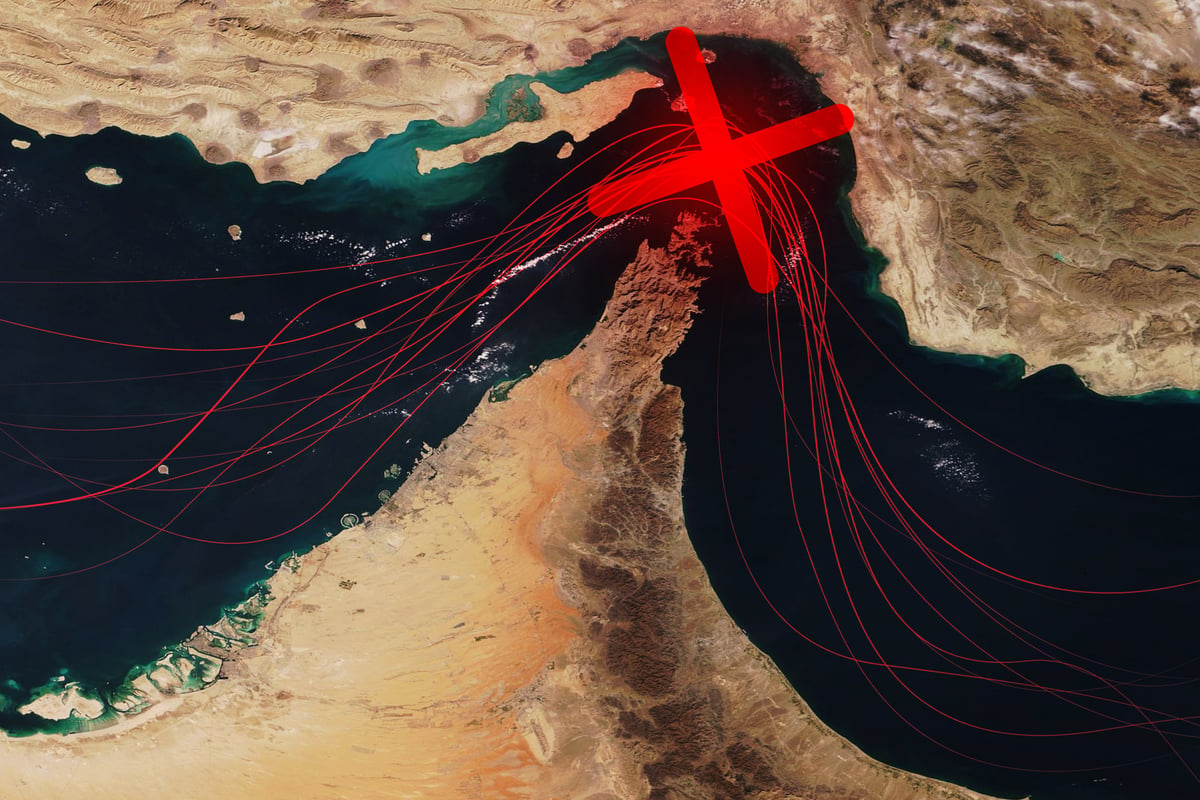
- OPEC+ Production Increase: Seven OPEC+ members agreed to raise production by 188,000 barrels per day in June, but with the Strait of Hormuz still closed, the real-world impact is limited, leading to a muted market reaction and slight oil price declines.
- Record U.S. Oil Exports: U.S. oil exports surged to 5.2 million barrels per day in April, up over 30% from February, indicating strong performance in the U.S. energy market amid Middle Eastern tensions, which could influence global oil price trends.
- U.S.-China Tensions: China's Commerce Ministry blocked U.S. sanctions against five Chinese refiners, highlighting escalating tensions between the two nations, which may have far-reaching implications for global markets, particularly in the energy sector.
See More
Lockheed Martin Reports Disappointing Earnings Amid Supply Chain Issues
- Disappointing Earnings: Lockheed Martin's Q1 2026 earnings per share (EPS) fell to $6.44 from $7.28 year-over-year, primarily due to supply chain issues causing cost overruns, which negatively impacted investor sentiment.
- Significant Stock Decline: In April, Lockheed Martin's shares dropped 14.3% while the broader market rose, reflecting concerns about its future performance, particularly as tensions in the Iran conflict eased.
- Defense Spending Outlook: Despite current challenges, Lockheed Martin is well-positioned to meet modern warfare demands, especially with anticipated increases in production for the F-35 fighter jet and missile defense systems, which should drive revenue growth.
- Dividend Growth Potential: Historically, the company has been a strong dividend growth stock, with a 109% increase in dividends over the past decade and a current yield of 2.59%, suggesting that if this pace continues, it could provide substantial returns for investors in the next ten years.
See More
U.S. Army Drives Integration of Weapons Systems with AI
- Integration Hackathon: Army Secretary Dan Driscoll has initiated the “Right to Integrate Hackathon” to address the issue of military technology operating in silos, collaborating with firms like Palantir and Anduril to enhance seamless communication and AI integration in weapon systems.
- Phase One Focus: The first phase will target air defense systems, drones, and missiles, involving over 50 platforms, with major defense contractors like Lockheed Martin and Northrop Grumman participating, highlighting the military's urgent need for modernization.
- Open Architecture Testing: Anduril's Lattice platform will serve as a test system to validate integration, aiming to accelerate deployment and improve AI-driven decision support while ensuring human control, reflecting a strong emphasis on rapid response capabilities.
- Procurement Modernization: This initiative signifies a modernization of Pentagon procurement processes, shifting from closed systems to a more interoperable and adaptable battlefield network, thereby enhancing overall operational efficiency and flexibility.
See More
LOCKHEED MARTIN CORP: JP MORGAN LOWERS TARGET PRICE FROM $680.00 TO $605.00
- Stock Target Adjustment: JPMorgan has reduced its target price for Lockheed Martin Corporation from $680.00 to $605.00.
- Market Impact: This adjustment reflects changes in market conditions and expectations for the defense contractor's performance.
See More
Embraer Anticipates New Defense Deals in the Middle East
- Middle East Potential: Following a landmark order for up to 20 C-390 military cargo aircraft from the UAE, Embraer anticipates further government-to-government procurement contracts in the Middle East, indicating a rising demand for its military aircraft in the region.
- Strategic Cooperation Opportunity: The contract with the UAE includes 10 C-390 jets and 10 options, marking the first selection of this model by a Middle Eastern buyer, potentially paving the way for other nations to join the C-390 operators' club and enhancing Embraer's market position.
- Positive Market Reaction: Embraer's shares rose 2.5% after the UAE deal, outperforming Brazil's benchmark Ibovespa index, which fell by 0.9%, reflecting investor confidence in the company's future growth potential.
- Global Demand Outlook: Embraer estimates a need for 400 to 480 military cargo aircraft globally over the next 20 years, primarily to replace aging fleets, thus enhancing the market outlook for the C-390, especially amid escalating global conflicts.
See More
Lockheed Martin Shares Plunge Amid Earnings Disappointment
- Stock Price Decline: Lockheed Martin's shares fell 14.3% in April despite a rising market, primarily due to disappointing Q1 earnings where sales remained flat year-over-year and EPS dropped to $6.44 from $7.28, highlighting supply chain issues leading to cost overruns and margin compression.
- Defense Sector Pullback: The easing of tensions in the Iran conflict led to a decline in defense stocks, including Lockheed Martin, although the company is well-positioned to meet modern warfare demands, particularly with ongoing production needs for the F-35 fighter jet and missile interceptors.
- Future Growth Potential: With the U.S. planning significant increases in defense spending and global conflicts driving demand for fighter jets and missile defense systems, Lockheed Martin is poised for steady revenue growth in the coming years, provided it can resolve its supply chain challenges.
- Dividend Growth Outlook: Historically, Lockheed Martin has been a strong dividend growth stock, with a 109% increase in dividends over the past decade and a current yield of 2.59%, making it an attractive buy-the-dip candidate if it can maintain this growth trajectory over the next ten years.
See More
U.S. Navy Actions and Oil Price Fluctuations
- Naval Actions: The U.S. Navy inspected M/V Blue Star III on April 28, confirming it would not head to Iran, demonstrating strict enforcement of the blockade, although this action did not significantly sway market sentiment.
- OPEC+ Production Increase: Seven OPEC+ members agreed to raise production by 188,000 barrels per day in June, but with the Strait of Hormuz still closed, the real-world impact is limited, leading to a muted market reaction and slight oil price declines.
- Record U.S. Oil Exports: U.S. oil exports surged to 5.2 million barrels per day in April, up over 30% from February, indicating strong performance in the U.S. energy market amid Middle Eastern tensions, which could influence global oil price trends.
- U.S.-China Tensions: China's Commerce Ministry blocked U.S. sanctions against five Chinese refiners, highlighting escalating tensions between the two nations, which may have far-reaching implications for global markets, particularly in the energy sector.
See More