American Superconductor Shares Surge 21.6% Amid Microsoft Blog Post on Superconductors
Written by Emily J. Thompson, Senior Investment Analyst
Updated: Feb 13 2026
0mins
Should l Buy MSFT?
Source: Fool
- Significant Stock Surge: American Superconductor's shares rose 21.6% this week to $2.31, with a market cap of $1.5 billion, reflecting strong market confidence in its future potential.
- Microsoft's Technology Promotion: Microsoft's Global Infrastructure Marketing GM highlighted the benefits of high-temperature superconductors for AI data centers in a blog post, indirectly boosting American Superconductor's stock despite not mentioning the company directly.
- Surging Market Demand: The increasing electricity demand from AI data centers presents a vast application potential for superconductor technology, which could alleviate pressure on current power delivery systems, creating new business opportunities for American Superconductor.
- Strong Financial Performance: Last quarter, American Superconductor reported a 20% year-over-year revenue increase to $74.5 million, and although its P/E ratio stands at 32 times, the company is profitable, showcasing its competitiveness in the emerging technology sector.
Trade with 70% Backtested Accuracy
Stop guessing "Should I Buy MSFT?" and start using high-conviction signals backed by rigorous historical data.
Sign up today to access powerful investing tools and make smarter, data-driven decisions.
Analyst Views on MSFT
Wall Street analysts forecast MSFT stock price to rise
34 Analyst Rating
32 Buy
2 Hold
0 Sell
Strong Buy
Current: 415.120

Low
500.00
Averages
631.36
High
678.00
Current: 415.120
Low
500.00
Averages
631.36
High
678.00
About MSFT
Microsoft Corporation is a technology company. The Company develops and supports software, services, devices, and solutions. The Company’s segments include Productivity and Business Processes, Intelligent Cloud, and More Personal Computing. The Productivity and Business Processes segment consists of products and services in its portfolio of productivity, communication, and information services. This segment primarily comprises: Office Commercial, Office Consumer, LinkedIn, and Dynamics business solutions. The Intelligent Cloud segment consists of server products and cloud services, including Azure and other cloud services, SQL Server, Windows Server, Visual Studio, System Center, and related Client Access Licenses (CALs), and Nuance and GitHub; and Enterprise Services, including enterprise support services, industry solutions and Nuance professional services. The More Personal Computing segment primarily comprises Windows, Devices, Gaming, and search and news advertising.
About the author

Emily J. Thompson
Emily J. Thompson, a Chartered Financial Analyst (CFA) with 12 years in investment research, graduated with honors from the Wharton School. Specializing in industrial and technology stocks, she provides in-depth analysis for Intellectia’s earnings and market brief reports.
Microsoft's East Africa Data Center Delayed

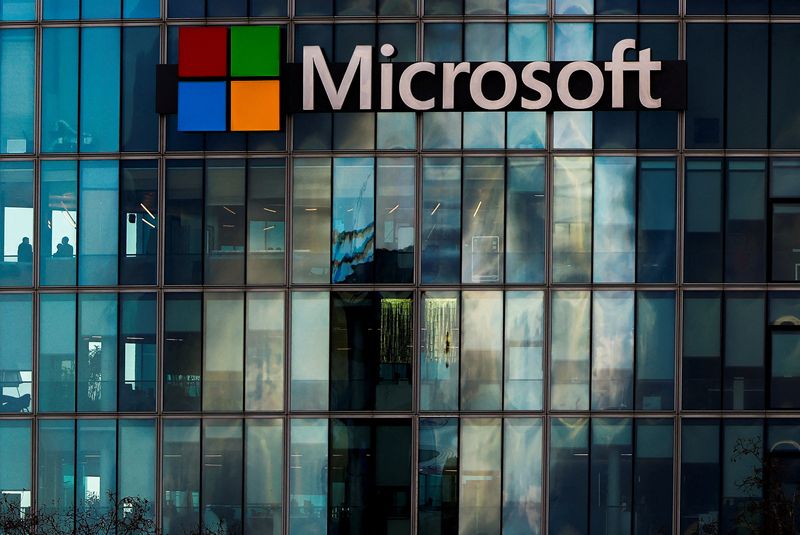
- Project Delay Reason: Microsoft's data center construction in Kenya has been delayed due to disagreements with the government over payment guarantees, highlighting the policy challenges the company faces in expanding its cloud computing services.
- Investment Scale: Microsoft, in partnership with UAE-based AI firm G42, plans to invest $1 billion in Kenya to enhance cloud capabilities in East Africa, but the government failed to provide the necessary payment guarantees.
- Negotiation Breakdown: The parties requested the Kenyan government to commit to annual payments for a certain capacity, but talks broke down when the government could not meet Microsoft's demands, potentially impacting Microsoft's market expansion in the region.
- Strategic Implications: This incident underscores the policy risks Microsoft faces in its East African market expansion, which may delay its cloud service growth plans and affect its competitive position in a rapidly growing market.
See More

Microsoft Expands Data Center Investments in Europe Amid Growing Demand
- Investment Expansion: Microsoft announced significant investments in new data center regions across Austria, Belgium, Greece, Finland, and Denmark to address the growing demand for cloud and AI services, demonstrating the company's responsiveness to market needs.
- Customer Support: Azure Marketing VP Jessica Hawk stated that the expansion aims to help customers scale critical workloads while ensuring secure and resilient cloud and AI services, thereby enhancing customer trust and satisfaction.
- Analyst Ratings: According to 63 analyst ratings compiled by CNN, 95% rated Microsoft as a 'Buy', with an average price target of $550, representing a 33.70% upside from the current price of $411.38, reflecting optimistic market expectations for its future performance.
- Strategic Significance: Microsoft's investments extend beyond capacity expansion to include the provision of sovereign infrastructure that complies with local regulations, aiming to support innovation and enhance operational control, further solidifying its leadership position in the global cloud computing market.
See More

Analysis of Microsoft's Latest Investor Update
- Investor Update Overview: Microsoft shared its strategic direction in the latest investor update, emphasizing ongoing investments in cloud computing and artificial intelligence, although specific financial data was not provided.
- Market Reaction: As of the afternoon of May 8, 2026, Microsoft's stock price remained stable without significant fluctuations, indicating market confidence in its long-term strategy.
- Commitment to Innovation: The company reiterated its commitment to technological innovation, particularly in augmented reality and machine learning, aiming to enhance product competitiveness and market share.
- Future Outlook: While specific future financial expectations were not detailed, Microsoft displayed an optimistic attitude towards future growth, anticipating continued leadership in the global market.
See More

Nasdaq 100 Hits Record High Amid Market Gains


- Nasdaq Performance: The Nasdaq 100 reached a new high on Monday, gaining approximately 17% over the past month, indicating a strong rebound in tech stocks and reinforcing investor confidence in the technology sector.
- S&P 500 Milestone: The S&P 500 index rose 8.7% in the past month, surpassing 7400 points for the first time, reflecting optimistic expectations for economic recovery and potentially attracting more capital into the stock market.
- Tech Stocks Lead: Apple and Nvidia surged 12% and 16% respectively over the past month, playing pivotal roles in the Cramer Charitable Trust, which highlights their significance in investment portfolios and further drives overall market gains.
- Inflation Data Watch: The April Consumer Price Index is set to be released on Tuesday, with the market expecting a month-over-month increase of 0.6% and a year-over-year rise of 3.7%, which will significantly impact market sentiment as investors closely monitor the reaction post-release.
See More

TSMC Thrives Amid AI Boom but Faces Risks

- Significant Revenue Growth: TSMC's first-quarter revenue surged 40.6% year-over-year to $35.9 billion, exceeding management's guidance, while net income soared 58%, indicating robust AI demand, particularly from its high-performance computing platform.
- Margin Expansion: The company's gross margin increased nearly four percentage points sequentially to 66.2%, surpassing management's expectations, reflecting ongoing improvements in profitability and bolstering market confidence in its future performance.
- Increased Capital Expenditure: Management now anticipates 2026 capital expenditures to range between $52 billion and $56 billion, representing over a 30% increase from 2025, highlighting aggressive investments in new 3-nanometer fabs and ramping up 2-nanometer capacity.
- Emerging Market Risks: Despite strong demand, TSMC's growth is heavily reliant on a small group of U.S. hyperscalers; if these customers reduce spending due to disappointing returns or macroeconomic pressures, TSMC's pricing power and utilization could be significantly impacted.
See More

Palantir Technologies' AI Growth Potential

- Stock Performance: Palantir's stock has surged 1,200% over the past three years, yet its current P/E ratio of 155 indicates a tension between its strong performance in AI and high valuation.
- Commercial Customer Growth: The number of U.S. commercial customers has expanded from a handful to 615, with the latest quarter showing a 133% year-over-year increase in commercial revenue to $595 million, highlighting the company's successful market expansion.
- AI Platform Launch: In 2023, Palantir launched its Artificial Intelligence Platform (AIP), enabling customers to quickly apply AI to real-world problems, enhancing decision-making efficiency and innovation, which further drives revenue growth.
- Investor Strategy Consideration: While high valuation may deter value investors, history suggests that tech companies with early high valuations often stabilize as their business grows, prompting aggressive investors to consider entering now for potential long-term gains.
See More
Microsoft's East Africa Data Center Delayed
- Project Delay Reason: Microsoft's data center construction in Kenya has been delayed due to disagreements with the government over payment guarantees, highlighting the policy challenges the company faces in expanding its cloud computing services.
- Investment Scale: Microsoft, in partnership with UAE-based AI firm G42, plans to invest $1 billion in Kenya to enhance cloud capabilities in East Africa, but the government failed to provide the necessary payment guarantees.
- Negotiation Breakdown: The parties requested the Kenyan government to commit to annual payments for a certain capacity, but talks broke down when the government could not meet Microsoft's demands, potentially impacting Microsoft's market expansion in the region.
- Strategic Implications: This incident underscores the policy risks Microsoft faces in its East African market expansion, which may delay its cloud service growth plans and affect its competitive position in a rapidly growing market.
See More
Microsoft Expands Data Center Investments in Europe Amid Growing Demand
- Investment Expansion: Microsoft announced significant investments in new data center regions across Austria, Belgium, Greece, Finland, and Denmark to address the growing demand for cloud and AI services, demonstrating the company's responsiveness to market needs.
- Customer Support: Azure Marketing VP Jessica Hawk stated that the expansion aims to help customers scale critical workloads while ensuring secure and resilient cloud and AI services, thereby enhancing customer trust and satisfaction.
- Analyst Ratings: According to 63 analyst ratings compiled by CNN, 95% rated Microsoft as a 'Buy', with an average price target of $550, representing a 33.70% upside from the current price of $411.38, reflecting optimistic market expectations for its future performance.
- Strategic Significance: Microsoft's investments extend beyond capacity expansion to include the provision of sovereign infrastructure that complies with local regulations, aiming to support innovation and enhance operational control, further solidifying its leadership position in the global cloud computing market.
See More
Analysis of Microsoft's Latest Investor Update
- Investor Update Overview: Microsoft shared its strategic direction in the latest investor update, emphasizing ongoing investments in cloud computing and artificial intelligence, although specific financial data was not provided.
- Market Reaction: As of the afternoon of May 8, 2026, Microsoft's stock price remained stable without significant fluctuations, indicating market confidence in its long-term strategy.
- Commitment to Innovation: The company reiterated its commitment to technological innovation, particularly in augmented reality and machine learning, aiming to enhance product competitiveness and market share.
- Future Outlook: While specific future financial expectations were not detailed, Microsoft displayed an optimistic attitude towards future growth, anticipating continued leadership in the global market.
See More
Nasdaq 100 Hits Record High Amid Market Gains
- Nasdaq Performance: The Nasdaq 100 reached a new high on Monday, gaining approximately 17% over the past month, indicating a strong rebound in tech stocks and reinforcing investor confidence in the technology sector.
- S&P 500 Milestone: The S&P 500 index rose 8.7% in the past month, surpassing 7400 points for the first time, reflecting optimistic expectations for economic recovery and potentially attracting more capital into the stock market.
- Tech Stocks Lead: Apple and Nvidia surged 12% and 16% respectively over the past month, playing pivotal roles in the Cramer Charitable Trust, which highlights their significance in investment portfolios and further drives overall market gains.
- Inflation Data Watch: The April Consumer Price Index is set to be released on Tuesday, with the market expecting a month-over-month increase of 0.6% and a year-over-year rise of 3.7%, which will significantly impact market sentiment as investors closely monitor the reaction post-release.
See More
TSMC Thrives Amid AI Boom but Faces Risks
- Significant Revenue Growth: TSMC's first-quarter revenue surged 40.6% year-over-year to $35.9 billion, exceeding management's guidance, while net income soared 58%, indicating robust AI demand, particularly from its high-performance computing platform.
- Margin Expansion: The company's gross margin increased nearly four percentage points sequentially to 66.2%, surpassing management's expectations, reflecting ongoing improvements in profitability and bolstering market confidence in its future performance.
- Increased Capital Expenditure: Management now anticipates 2026 capital expenditures to range between $52 billion and $56 billion, representing over a 30% increase from 2025, highlighting aggressive investments in new 3-nanometer fabs and ramping up 2-nanometer capacity.
- Emerging Market Risks: Despite strong demand, TSMC's growth is heavily reliant on a small group of U.S. hyperscalers; if these customers reduce spending due to disappointing returns or macroeconomic pressures, TSMC's pricing power and utilization could be significantly impacted.
See More
Palantir Technologies' AI Growth Potential
- Stock Performance: Palantir's stock has surged 1,200% over the past three years, yet its current P/E ratio of 155 indicates a tension between its strong performance in AI and high valuation.
- Commercial Customer Growth: The number of U.S. commercial customers has expanded from a handful to 615, with the latest quarter showing a 133% year-over-year increase in commercial revenue to $595 million, highlighting the company's successful market expansion.
- AI Platform Launch: In 2023, Palantir launched its Artificial Intelligence Platform (AIP), enabling customers to quickly apply AI to real-world problems, enhancing decision-making efficiency and innovation, which further drives revenue growth.
- Investor Strategy Consideration: While high valuation may deter value investors, history suggests that tech companies with early high valuations often stabilize as their business grows, prompting aggressive investors to consider entering now for potential long-term gains.
See More