American Airlines Stock Drops 5.38% Amid Fuel Cost Concerns
Written by Emily J. Thompson, Senior Investment Analyst
Updated: 1 hour ago
0mins

Source: Fool
- Stock Decline: American Airlines Group (AAL) closed at $11.79, down 5.38% on Thursday, primarily due to bearish research highlighting fuel cost exposure and balance sheet risks, raising investor concerns about future profitability.
- Surge in Trading Volume: The trading volume reached 126 million shares, approximately 114% above the three-month average of 58.4 million shares, indicating a significant increase in market interest, which may reflect divergent views on the company's outlook.
- Fuel Cost Pressure: Jet fuel spot prices have been rising due to U.S. and Israeli military actions against Iran, leading to heightened concerns about American Airlines' fuel cost risks, especially given its already tight operating margins.
- New Route Launch: American Airlines became the first U.S. airline to restore flights to Venezuela, adding new routes from Miami that are expected to generate additional revenue, alongside a $1 billion expansion plan to enhance airport capacity.
Trade with 70% Backtested Accuracy
Stop guessing "Should I Buy AAL?" and start using high-conviction signals backed by rigorous historical data.
Sign up today to access powerful investing tools and make smarter, data-driven decisions.
Analyst Views on AAL
Wall Street analysts forecast AAL stock price to rise
15 Analyst Rating
7 Buy
7 Hold
1 Sell
Moderate Buy
Current: 12.460

Low
11.00
Averages
17.93
High
22.00
Current: 12.460
Low
11.00
Averages
17.93
High
22.00
About AAL
American Airlines Group Inc. is a holding company. Its primary business activity is the operation of a major network air carrier, providing scheduled air transportation for passengers and cargo through its hubs in Charlotte, Chicago, Dallas/Fort Worth, Los Angeles, Miami, New York, Philadelphia, Phoenix and Washington, D.C. and partner gateways, including in London, Doha, Madrid, Seattle/Tacoma, Sydney and Tokyo, among others. Together with its regional airline subsidiaries and third-party regional carriers operating as American Eagle. Its cargo division provides a wide range of freight and mail services, with facilities and interline connections available across the globe. It operates approximately 977 mainline aircraft supported by its regional airline subsidiaries and third-party regional carriers, which together operate an additional 585 regional aircraft. Its subsidiaries include American Airlines, Inc., Envoy Aviation Group Inc., PSA Airlines, Inc. and Piedmont Airlines, Inc.
About the author

Emily J. Thompson
Emily J. Thompson, a Chartered Financial Analyst (CFA) with 12 years in investment research, graduated with honors from the Wharton School. Specializing in industrial and technology stocks, she provides in-depth analysis for Intellectia’s earnings and market brief reports.
US Stocks Decline Amid Soaring Oil Prices


- Market Decline: On Thursday, the S&P 500 Index fell by 0.56%, the Dow Jones Industrial Average dropped by 1.61%, and the Nasdaq 100 Index decreased by 0.29%, reflecting heightened market concerns over inflation amid disruptions in energy markets due to the ongoing war in Iran.
- Surging Oil Prices: WTI crude oil prices soared over 8% to a 19.5-month high, exacerbating inflation fears and pushing bond yields higher, with the 10-year T-note yield rising to 4.15%, marking a three-week high.
- Supportive Economic Data: Despite the pressure on stocks, initial jobless claims in the US were lower than expected, indicating a resilient labor market, while Q4 nonfarm productivity rose by 2.8%, surpassing the expected 1.9%, providing some support to the market.
- Optimistic Earnings Outlook: With over 90% of S&P 500 companies reporting earnings, 73% exceeded expectations, and Q4 earnings growth is projected at 8.4%, highlighting that corporate profitability remains a crucial factor supporting the stock market.
See More
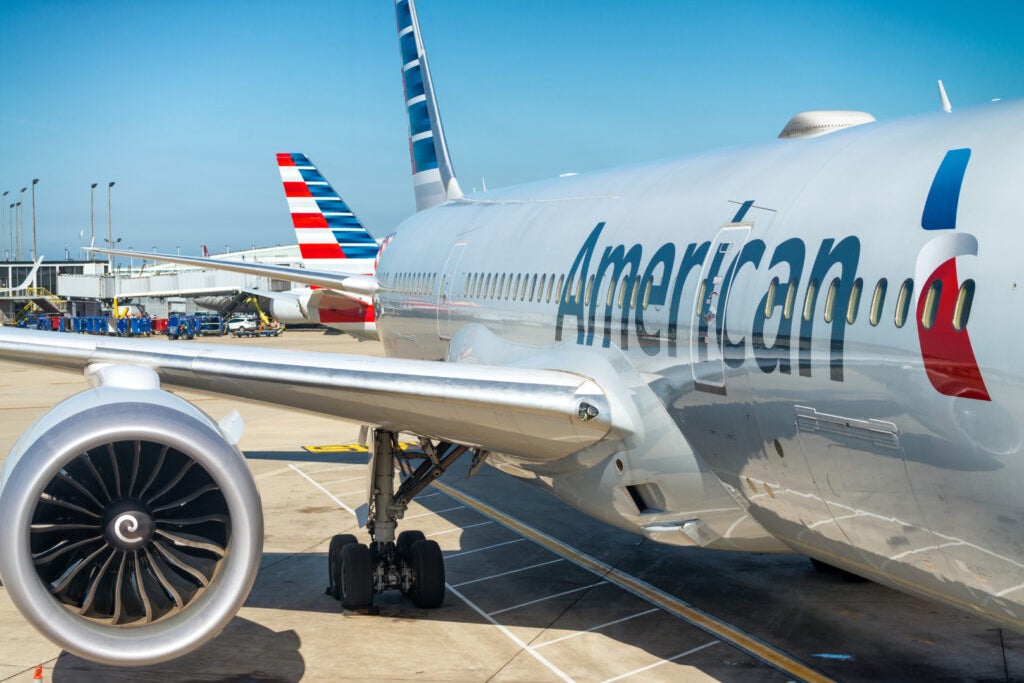
American Airlines Stock Drops 5.38% Amid Fuel Cost Concerns

- Stock Decline: American Airlines Group (AAL) closed at $11.79, down 5.38% on Thursday, primarily due to bearish research highlighting fuel cost exposure and balance sheet risks, raising investor concerns about future profitability.
- Surge in Trading Volume: The trading volume reached 126 million shares, approximately 114% above the three-month average of 58.4 million shares, indicating a significant increase in market interest, which may reflect divergent views on the company's outlook.
- Fuel Cost Pressure: Jet fuel spot prices have been rising due to U.S. and Israeli military actions against Iran, leading to heightened concerns about American Airlines' fuel cost risks, especially given its already tight operating margins.
- New Route Launch: American Airlines became the first U.S. airline to restore flights to Venezuela, adding new routes from Miami that are expected to generate additional revenue, alongside a $1 billion expansion plan to enhance airport capacity.
See More
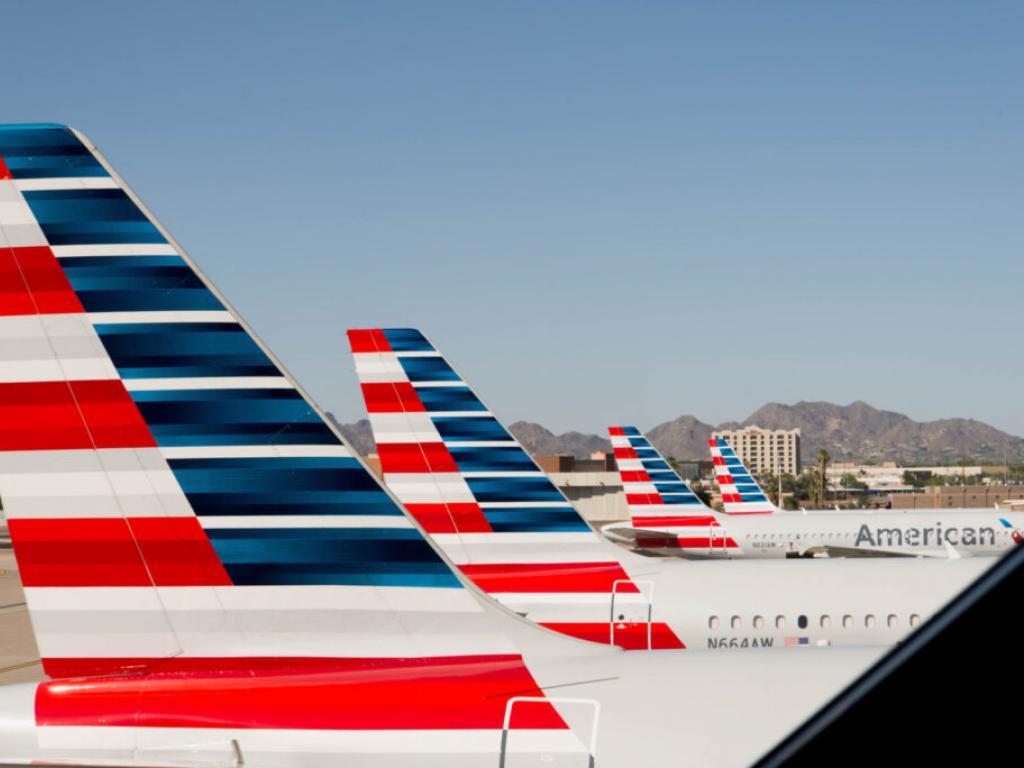
American Airlines Stock Drops 5.38% Amid Fuel Cost Concerns
- Stock Decline: American Airlines Group closed at $11.79 on Thursday, down 5.38%, primarily due to bearish research highlighting fuel cost exposure and balance sheet risks, with investors closely monitoring fuel prices and margin trends.
- Surge in Trading Volume: The trading volume reached 125 million shares, approximately 114% above its three-month average of 58.4 million shares, indicating strong market reaction despite broader market weakness.
- Fuel Cost Risks: Jet fuel spot prices have been rising due to military actions by the U.S. and Israel against Iran, leading Rothschild & Co Redburn to downgrade American Airlines, raising investor concerns about its operational capacity under tight margins.
- New Route Launch: American Airlines became the first U.S. airline to restore flights to Venezuela, adding new routes from Miami that are expected to generate additional revenue, while also planning a $1 billion expansion at the airport to enhance its competitive position.
See More

Trump Shifts Focus to Cuba After Iran Operations


- Cuba Policy Outlook: Trump indicated during a White House event that he plans to shift focus to Cuba after military operations in Iran, suggesting a potential change in U.S. foreign policy that could impact future U.S.-Cuba relations.
- Military Conflict Context: His comments on Cuba come amid escalating military conflict in the Middle East, highlighting his prioritization of international affairs, which may influence U.S. strategic positioning in Latin America.
- Economic Sanction Effectiveness: Trump claimed that cutting off economic support to Cuba has forced the nation to negotiate, a strategy that could exacerbate Cuba's economic struggles and impact its political stability.
- Political Reactions: Trump's remarks on Cuba received enthusiastic applause from attendees, indicating strong local support in Miami, which may bolster his political backing for future policy implementations.
See More
Iran War Disrupts Global Markets and Stocks

- Oil Price Surge: The Iran war has caused oil prices to spike 22% since the end of last week, leading to significant gains in defense and shipping stocks, as shippers benefit from higher rates due to the closure of the Strait of Hormuz, highlighting market sensitivity to geopolitical risks.
- Asian Market Decline: Rising oil prices have severely impacted Asian markets, particularly in Korea and Japan, which rely heavily on Middle Eastern oil and gas, resulting in widespread declines in Asian stocks and reflecting vulnerability to energy price fluctuations.
- Travel Sector Hit: The travel industry, particularly airlines and cruise lines, has been heavily affected as fuel costs constitute a significant portion of their budgets, compounded by airspace disruptions and a general reluctance to travel to war zones, leading to flight shortages in Gulf destinations like Dubai.
- Carnival Cruise Line Risks: As the world's largest cruise line, Carnival (CCL) faces substantial risks from rising oil prices and geopolitical disruptions, with its stock down 15% since last Friday; while most Caribbean sailings remain unaffected, fuel costs could still dent profitability.
See More
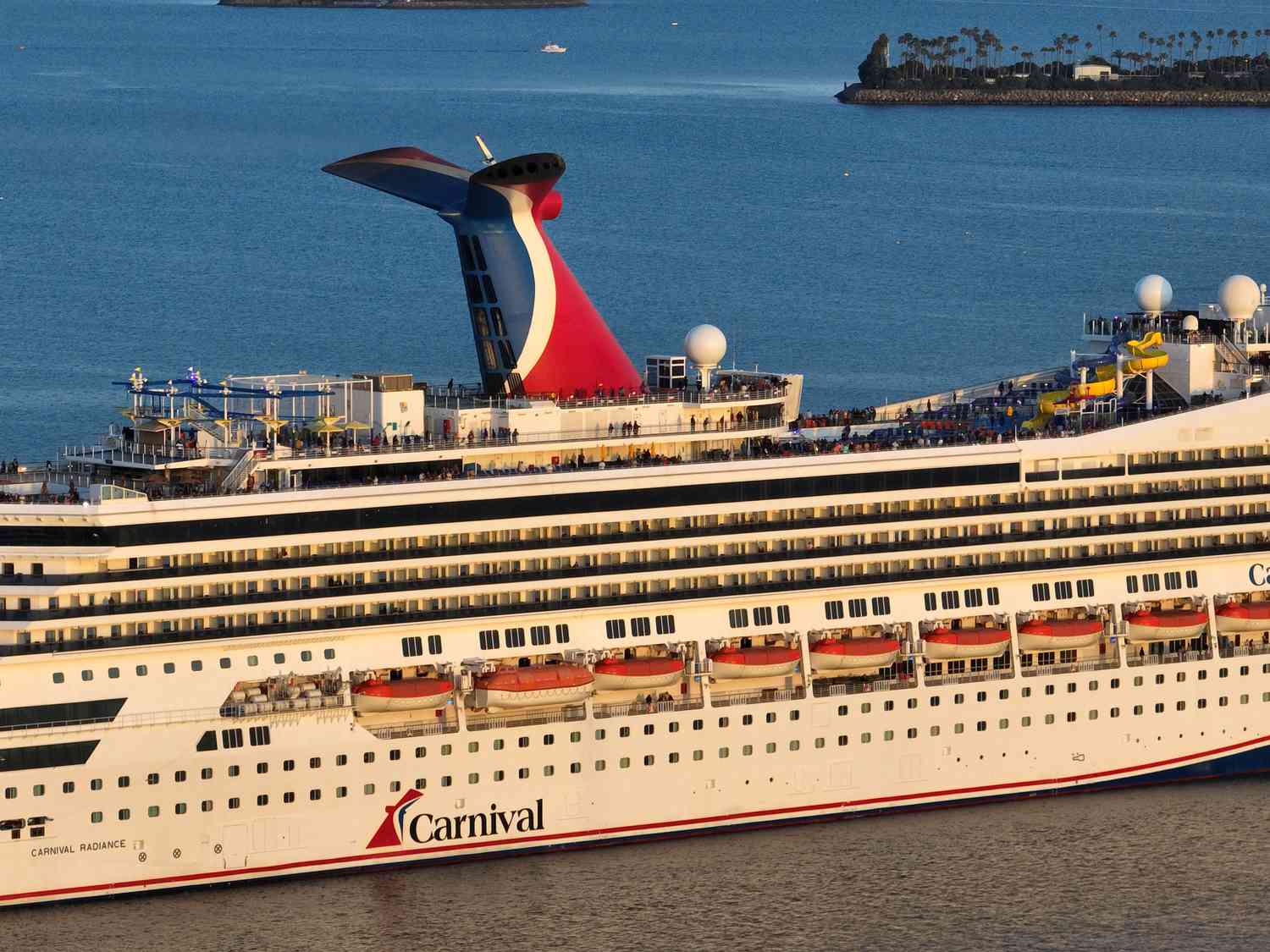
Rising Oil Prices Impact Travel Sector
- Travel Sector Struggles: The travel industry faces severe challenges as oil prices surge by 22%, leading to decreased passenger demand and flight shortages for travelers in Gulf destinations like Dubai.
- Carnival's Setbacks: As the world's largest cruise line, Carnival (NYSE: CCL) has canceled sailings from Dubai due to the outbreak of war, resulting in a significant business impact and a 15% drop in stock price since last Friday.
- American Airlines Challenges: American Airlines (NASDAQ: AAL) was already struggling before the war, with profits plummeting 87% in 2025, and rising fuel costs are expected to further erode profits, causing an 11% decline in stock price since last Friday.
- Market Reactions: The intensifying geopolitical risks have led to a sharp decline in Asian stock markets, particularly in Korea and Japan, which are heavily reliant on Middle Eastern oil, highlighting the widespread impact of oil price fluctuations on global markets.
See More
US Stocks Decline Amid Soaring Oil Prices
- Market Decline: On Thursday, the S&P 500 Index fell by 0.56%, the Dow Jones Industrial Average dropped by 1.61%, and the Nasdaq 100 Index decreased by 0.29%, reflecting heightened market concerns over inflation amid disruptions in energy markets due to the ongoing war in Iran.
- Surging Oil Prices: WTI crude oil prices soared over 8% to a 19.5-month high, exacerbating inflation fears and pushing bond yields higher, with the 10-year T-note yield rising to 4.15%, marking a three-week high.
- Supportive Economic Data: Despite the pressure on stocks, initial jobless claims in the US were lower than expected, indicating a resilient labor market, while Q4 nonfarm productivity rose by 2.8%, surpassing the expected 1.9%, providing some support to the market.
- Optimistic Earnings Outlook: With over 90% of S&P 500 companies reporting earnings, 73% exceeded expectations, and Q4 earnings growth is projected at 8.4%, highlighting that corporate profitability remains a crucial factor supporting the stock market.
See More
American Airlines Stock Drops 5.38% Amid Fuel Cost Concerns
- Stock Decline: American Airlines Group (AAL) closed at $11.79, down 5.38% on Thursday, primarily due to bearish research highlighting fuel cost exposure and balance sheet risks, raising investor concerns about future profitability.
- Surge in Trading Volume: The trading volume reached 126 million shares, approximately 114% above the three-month average of 58.4 million shares, indicating a significant increase in market interest, which may reflect divergent views on the company's outlook.
- Fuel Cost Pressure: Jet fuel spot prices have been rising due to U.S. and Israeli military actions against Iran, leading to heightened concerns about American Airlines' fuel cost risks, especially given its already tight operating margins.
- New Route Launch: American Airlines became the first U.S. airline to restore flights to Venezuela, adding new routes from Miami that are expected to generate additional revenue, alongside a $1 billion expansion plan to enhance airport capacity.
See More
American Airlines Stock Drops 5.38% Amid Fuel Cost Concerns
- Stock Decline: American Airlines Group closed at $11.79 on Thursday, down 5.38%, primarily due to bearish research highlighting fuel cost exposure and balance sheet risks, with investors closely monitoring fuel prices and margin trends.
- Surge in Trading Volume: The trading volume reached 125 million shares, approximately 114% above its three-month average of 58.4 million shares, indicating strong market reaction despite broader market weakness.
- Fuel Cost Risks: Jet fuel spot prices have been rising due to military actions by the U.S. and Israel against Iran, leading Rothschild & Co Redburn to downgrade American Airlines, raising investor concerns about its operational capacity under tight margins.
- New Route Launch: American Airlines became the first U.S. airline to restore flights to Venezuela, adding new routes from Miami that are expected to generate additional revenue, while also planning a $1 billion expansion at the airport to enhance its competitive position.
See More
Trump Shifts Focus to Cuba After Iran Operations
- Cuba Policy Outlook: Trump indicated during a White House event that he plans to shift focus to Cuba after military operations in Iran, suggesting a potential change in U.S. foreign policy that could impact future U.S.-Cuba relations.
- Military Conflict Context: His comments on Cuba come amid escalating military conflict in the Middle East, highlighting his prioritization of international affairs, which may influence U.S. strategic positioning in Latin America.
- Economic Sanction Effectiveness: Trump claimed that cutting off economic support to Cuba has forced the nation to negotiate, a strategy that could exacerbate Cuba's economic struggles and impact its political stability.
- Political Reactions: Trump's remarks on Cuba received enthusiastic applause from attendees, indicating strong local support in Miami, which may bolster his political backing for future policy implementations.
See More
Iran War Disrupts Global Markets and Stocks
- Oil Price Surge: The Iran war has caused oil prices to spike 22% since the end of last week, leading to significant gains in defense and shipping stocks, as shippers benefit from higher rates due to the closure of the Strait of Hormuz, highlighting market sensitivity to geopolitical risks.
- Asian Market Decline: Rising oil prices have severely impacted Asian markets, particularly in Korea and Japan, which rely heavily on Middle Eastern oil and gas, resulting in widespread declines in Asian stocks and reflecting vulnerability to energy price fluctuations.
- Travel Sector Hit: The travel industry, particularly airlines and cruise lines, has been heavily affected as fuel costs constitute a significant portion of their budgets, compounded by airspace disruptions and a general reluctance to travel to war zones, leading to flight shortages in Gulf destinations like Dubai.
- Carnival Cruise Line Risks: As the world's largest cruise line, Carnival (CCL) faces substantial risks from rising oil prices and geopolitical disruptions, with its stock down 15% since last Friday; while most Caribbean sailings remain unaffected, fuel costs could still dent profitability.
See More
Rising Oil Prices Impact Travel Sector
- Travel Sector Struggles: The travel industry faces severe challenges as oil prices surge by 22%, leading to decreased passenger demand and flight shortages for travelers in Gulf destinations like Dubai.
- Carnival's Setbacks: As the world's largest cruise line, Carnival (NYSE: CCL) has canceled sailings from Dubai due to the outbreak of war, resulting in a significant business impact and a 15% drop in stock price since last Friday.
- American Airlines Challenges: American Airlines (NASDAQ: AAL) was already struggling before the war, with profits plummeting 87% in 2025, and rising fuel costs are expected to further erode profits, causing an 11% decline in stock price since last Friday.
- Market Reactions: The intensifying geopolitical risks have led to a sharp decline in Asian stock markets, particularly in Korea and Japan, which are heavily reliant on Middle Eastern oil, highlighting the widespread impact of oil price fluctuations on global markets.
See More