American Airlines Seeks Inclusion in Spirit Airlines' Bankruptcy Talks
American Airlines' Interest in Spirit Airlines: American Airlines has requested to receive all notices and filings related to Spirit Aviation's bankruptcy proceedings, indicating a strategic interest in acquiring certain assets from Spirit Airlines.
Spirit Airlines' Bankruptcy Filing: Spirit Aviation filed for bankruptcy protection for the second time in August, citing adverse market conditions such as high domestic capacity and weak demand for leisure travel.
Acquisition of Gate Slots: American Airlines has already purchased two of Spirit's four gate slots at Chicago O'Hare International Airport for $30 million, aiming to offset the loss of gates to United Airlines.
Market Reaction: Following the news, shares of Spirit Aviation Holdings opened more than 14% lower on Monday.
Trade with 70% Backtested Accuracy
Analyst Views on AAL

About AAL
About the author

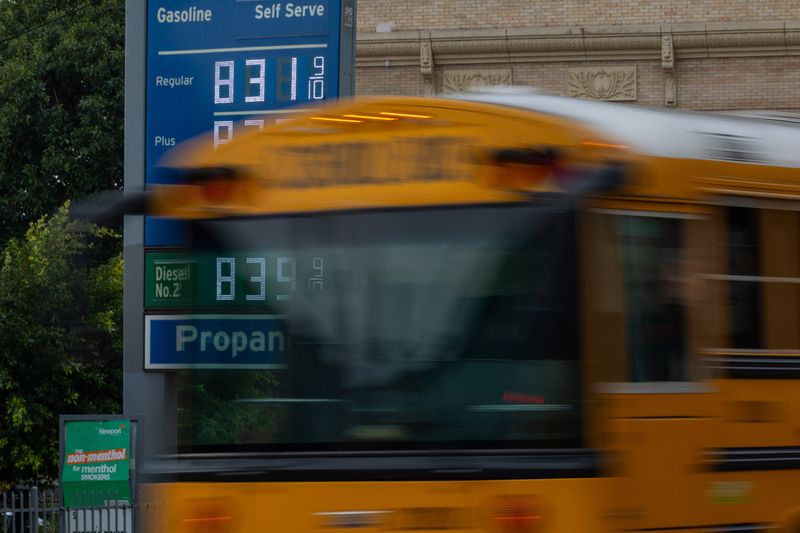
Iran War Drives Inflation Surge in the U.S.


- Persistent Inflation: The Consumer Price Index (CPI) rose 2.4% year-over-year in February, unchanged from January, indicating that inflation remains stubbornly high, particularly for necessities like electricity and food, which continues to strain household budgets.
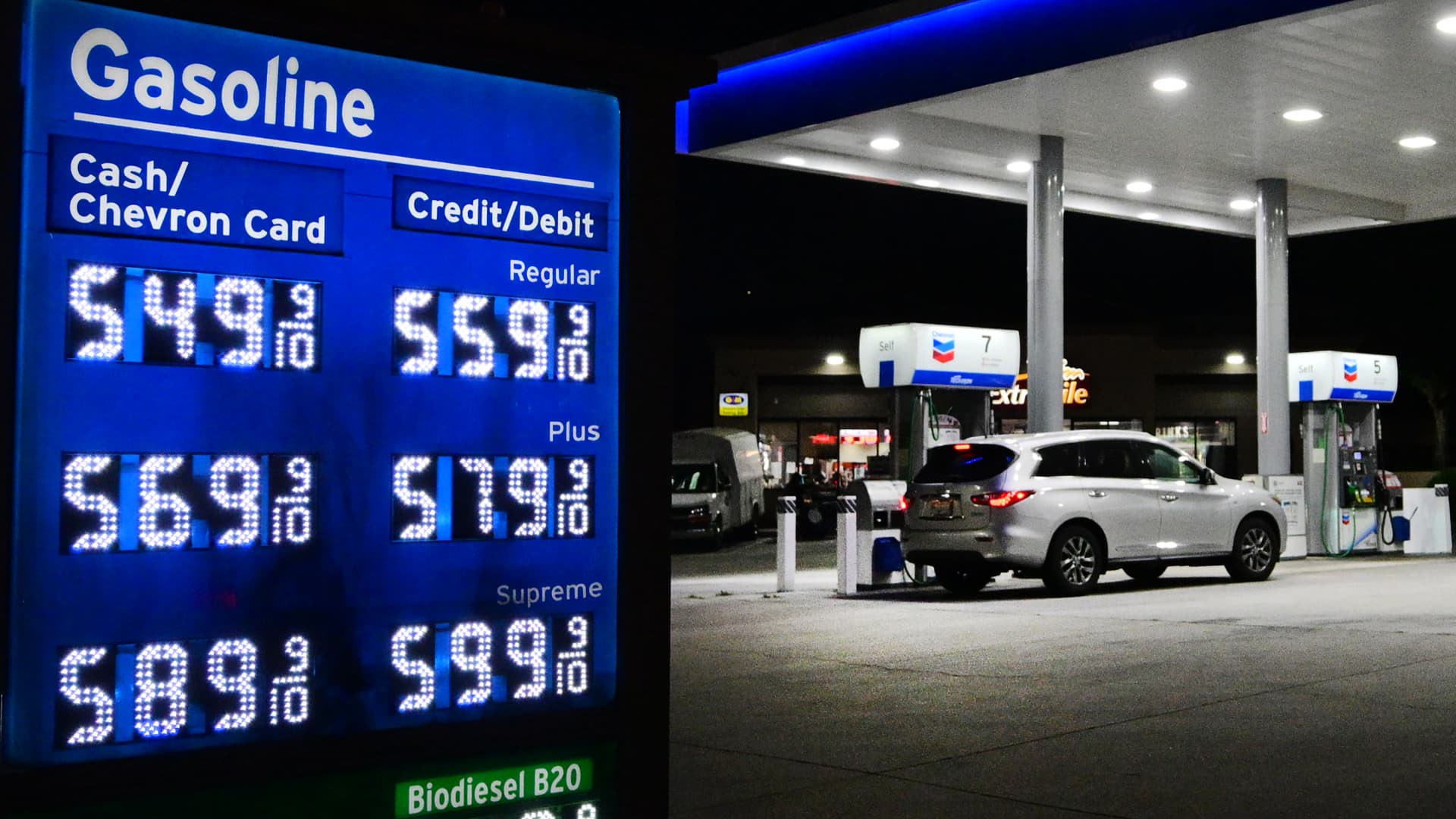
- Surge in Energy Prices: The war in Iran has caused global oil prices to spike, with Brent crude rising from about $70 to $119.50 per barrel, while average gasoline prices hit $3.50 per gallon, a 19% increase in just two weeks, exacerbating economic pressures on consumers.
- Uncertain Long-term Impact: Economists predict that if the conflict persists, oil prices could average around $100 per barrel in 2026, potentially pushing CPI inflation to 3.5%, complicating the Federal Reserve's interest rate policy and increasing market uncertainty.
- Significant Tariff Effects: Prior to the Iran conflict, tariffs imposed by the Trump administration were a major inflation driver, with the current effective tariff rate at 10.5%, the highest since 1943, leading economists to believe that consumers will struggle to find relief from inflation in the short term.
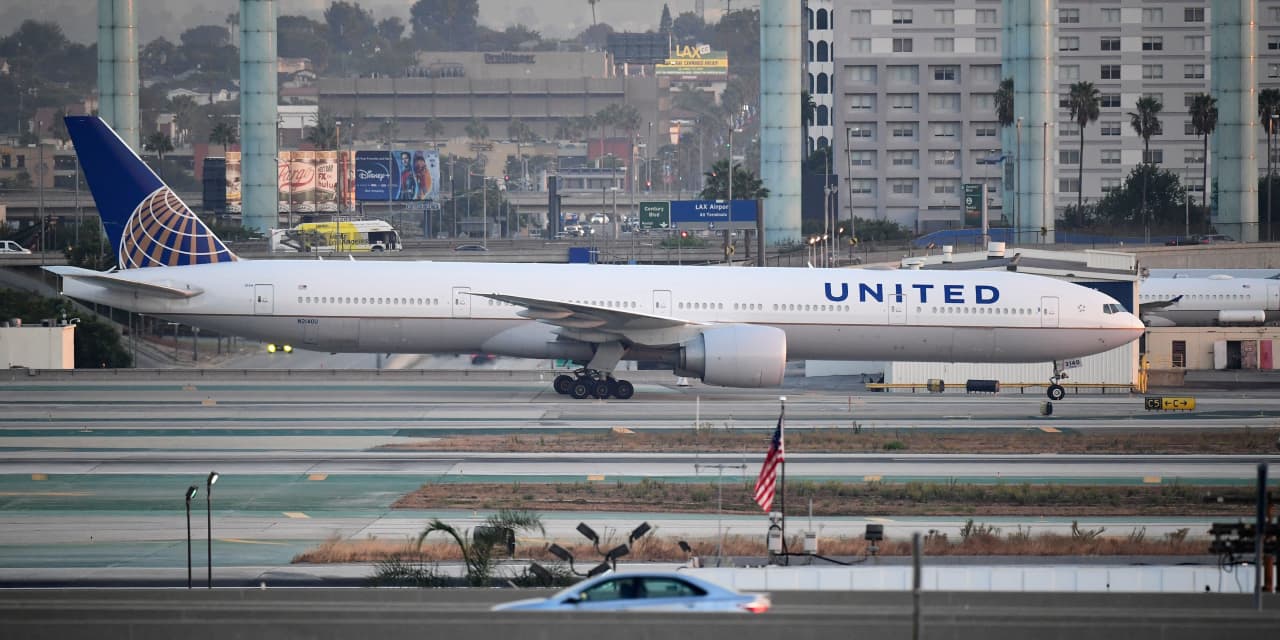
United Airlines Achieves Record Bookings Day, Offering Optimism Despite Fuel Concerns.


- Impact of Fuel Prices on Airlines: Surging fuel prices have negatively affected airline stocks since the onset of the Iran war.
- Market Resilience: Despite the challenges, the damage to airline stocks may not be as severe as initially anticipated.

American Airlines Stock Drops as Analysts Cut Price Target
- Stock Volatility: American Airlines Group (AAL) closed at $11.11 on Tuesday, down 2.88%, reflecting market concerns about the company's future performance, particularly in light of analysts cutting their price targets.
- Price Target Adjustment: TD Cowen lowered its price target for American Airlines from $17 to $13, which is only 17% above the current stock price, indicating worries about fuel cost volatility and demand weakness that could undermine investor confidence.
- Surge in Trading Volume: The trading volume reached 128.7 million shares, about 108% above the three-month average of 61.8 million shares, suggesting a significant increase in market attention towards the stock, likely due to investor uncertainty about its future trajectory.
- Industry Environment Challenges: American Airlines has seen its stock drop 27% over the past month, facing dual pressures from rising fuel prices and travel demand risks, with analysts generally agreeing that the lack of fuel hedging strategies will put greater strain on the company's finances.

Is the Decline in Airline Stocks Following the Iran Attacks Warranted?
Impact of War on Airline Stocks: The ongoing war in Iran has led to significant declines in airline stocks, with major carriers like Delta and American Airlines experiencing drops of approximately 22% and 27%, respectively, in the last month due to rising fuel costs and geopolitical instability.
Investment Opportunities Amid Declines: Despite the downturn, some investors see potential opportunities to strengthen positions in the airline industry, although caution is advised due to the uncertain impact of the war and fluctuating oil prices.
Challenges Faced by Airlines: Airlines are grappling with multiple negative factors, including canceled flights and increased operational costs, which have compounded the financial strain since the onset of the conflict.
Future Outlook for Airline Stocks: Analysts suggest that the long-term effects of the war and rising fuel prices may continue to challenge the airline industry, with some investors opting to wait for more favorable conditions before making new investments.

The Relationship Between Technical Analysis and Market Dynamics
- Misconceptions of Technical Analysis: Some view technical analysis as akin to astrology or tea leaf reading, lacking scientific basis; however, true technical analysis requires an understanding of market dynamics and price action.
- Market Leadership Changes: Leadership shifts can be gradual, forming ‘rounded tops’ or ‘bottoms’, or occur sharply, creating ‘V’ or ‘inverted V’ patterns, reflecting significant changes in market sentiment.
- Support and Resistance Testing: Stocks testing support or resistance levels two to three times may form double bottoms or triple tops, indicating strong reactions from market participants that influence future trading decisions.
- Profit Opportunities for Traders: When applied correctly, technical analysis allows traders to identify trend changes, enabling them to seize market opportunities for profit, underscoring the importance of understanding market dynamics.
UATP Partners with Hands In to Launch Split Payment Solutions for Airlines
- Strategic Partnership: UATP has formed a strategic partnership with UK-based split payment provider Hands In, enabling airlines to utilize Hands In's API for multi-card payments, enhancing payment flexibility to meet the rising demand for high-value travel.
- Payment Integration: This collaboration embeds Hands In's split payment functionality into UATP's Ceptor platform, allowing airlines to offer split payment options directly at checkout without altering their existing payment architecture, thus streamlining the payment process.
- Enhanced Customer Experience: This innovation enables airlines to improve conversion rates and customer satisfaction, while passengers benefit from greater financial flexibility and transparency, being able to use multiple payment methods at checkout.
- Market Outlook: As demand for flexible payment options increases, this partnership not only helps airlines boost ancillary revenue but also sets a new standard for customer-centric payment experiences in the aviation sector, driving digital transformation in the industry.
Iran War Drives Inflation Surge in the U.S.
- Persistent Inflation: The Consumer Price Index (CPI) rose 2.4% year-over-year in February, unchanged from January, indicating that inflation remains stubbornly high, particularly for necessities like electricity and food, which continues to strain household budgets.
- Surge in Energy Prices: The war in Iran has caused global oil prices to spike, with Brent crude rising from about $70 to $119.50 per barrel, while average gasoline prices hit $3.50 per gallon, a 19% increase in just two weeks, exacerbating economic pressures on consumers.
- Uncertain Long-term Impact: Economists predict that if the conflict persists, oil prices could average around $100 per barrel in 2026, potentially pushing CPI inflation to 3.5%, complicating the Federal Reserve's interest rate policy and increasing market uncertainty.
- Significant Tariff Effects: Prior to the Iran conflict, tariffs imposed by the Trump administration were a major inflation driver, with the current effective tariff rate at 10.5%, the highest since 1943, leading economists to believe that consumers will struggle to find relief from inflation in the short term.
United Airlines Achieves Record Bookings Day, Offering Optimism Despite Fuel Concerns.
- Impact of Fuel Prices on Airlines: Surging fuel prices have negatively affected airline stocks since the onset of the Iran war.
- Market Resilience: Despite the challenges, the damage to airline stocks may not be as severe as initially anticipated.
American Airlines Stock Drops as Analysts Cut Price Target
- Stock Volatility: American Airlines Group (AAL) closed at $11.11 on Tuesday, down 2.88%, reflecting market concerns about the company's future performance, particularly in light of analysts cutting their price targets.
- Price Target Adjustment: TD Cowen lowered its price target for American Airlines from $17 to $13, which is only 17% above the current stock price, indicating worries about fuel cost volatility and demand weakness that could undermine investor confidence.
- Surge in Trading Volume: The trading volume reached 128.7 million shares, about 108% above the three-month average of 61.8 million shares, suggesting a significant increase in market attention towards the stock, likely due to investor uncertainty about its future trajectory.
- Industry Environment Challenges: American Airlines has seen its stock drop 27% over the past month, facing dual pressures from rising fuel prices and travel demand risks, with analysts generally agreeing that the lack of fuel hedging strategies will put greater strain on the company's finances.
Is the Decline in Airline Stocks Following the Iran Attacks Warranted?
Impact of War on Airline Stocks: The ongoing war in Iran has led to significant declines in airline stocks, with major carriers like Delta and American Airlines experiencing drops of approximately 22% and 27%, respectively, in the last month due to rising fuel costs and geopolitical instability.
Investment Opportunities Amid Declines: Despite the downturn, some investors see potential opportunities to strengthen positions in the airline industry, although caution is advised due to the uncertain impact of the war and fluctuating oil prices.
Challenges Faced by Airlines: Airlines are grappling with multiple negative factors, including canceled flights and increased operational costs, which have compounded the financial strain since the onset of the conflict.
Future Outlook for Airline Stocks: Analysts suggest that the long-term effects of the war and rising fuel prices may continue to challenge the airline industry, with some investors opting to wait for more favorable conditions before making new investments.
The Relationship Between Technical Analysis and Market Dynamics
- Misconceptions of Technical Analysis: Some view technical analysis as akin to astrology or tea leaf reading, lacking scientific basis; however, true technical analysis requires an understanding of market dynamics and price action.
- Market Leadership Changes: Leadership shifts can be gradual, forming ‘rounded tops’ or ‘bottoms’, or occur sharply, creating ‘V’ or ‘inverted V’ patterns, reflecting significant changes in market sentiment.
- Support and Resistance Testing: Stocks testing support or resistance levels two to three times may form double bottoms or triple tops, indicating strong reactions from market participants that influence future trading decisions.
- Profit Opportunities for Traders: When applied correctly, technical analysis allows traders to identify trend changes, enabling them to seize market opportunities for profit, underscoring the importance of understanding market dynamics.
UATP Partners with Hands In to Launch Split Payment Solutions for Airlines
- Strategic Partnership: UATP has formed a strategic partnership with UK-based split payment provider Hands In, enabling airlines to utilize Hands In's API for multi-card payments, enhancing payment flexibility to meet the rising demand for high-value travel.
- Payment Integration: This collaboration embeds Hands In's split payment functionality into UATP's Ceptor platform, allowing airlines to offer split payment options directly at checkout without altering their existing payment architecture, thus streamlining the payment process.
- Enhanced Customer Experience: This innovation enables airlines to improve conversion rates and customer satisfaction, while passengers benefit from greater financial flexibility and transparency, being able to use multiple payment methods at checkout.
- Market Outlook: As demand for flexible payment options increases, this partnership not only helps airlines boost ancillary revenue but also sets a new standard for customer-centric payment experiences in the aviation sector, driving digital transformation in the industry.