Amazon unveils 'Blue Jay' warehouse robot capable of multitasking
Introduction of Blue Jay: Amazon has launched a new robotic system named Blue Jay, designed to perform multiple tasks in warehouses, including picking, sorting, and consolidating items using robotic arms with suction-cup devices.
Efficiency and Testing: Currently being tested in South Carolina, Blue Jay can handle approximately 75% of items stored at Amazon's sites, aiming to enhance efficiency while reducing the physical space needed for operations.
Impact on Workforce: An investigation revealed that Amazon's automation efforts could potentially prevent the hiring of over 160,000 employees in the U.S. by 2027, raising concerns about the implications for its workforce.
Employee Focus: Amazon emphasizes that its automation strategy aims to support employees by reducing physically demanding tasks and providing opportunities for skill development in robotics and mechatronics.
Trade with 70% Backtested Accuracy
Analyst Views on AMZN

About AMZN
About the author


Amazon: The Leader in E-commerce and Cloud Computing

- Market Leadership: Amazon leads in both e-commerce and cloud computing, with e-commerce as its largest revenue source and cloud computing as its most profitable segment, showcasing the company's robust performance across multiple growth drivers.
- Digital Marketing Potential: Amazon is rapidly evolving into one of the world's largest digital marketing companies, and this high-margin business is expected to provide long-term growth momentum, further solidifying its market position.
- Investment in Technology Innovation: Amazon's investments in robotics, AI, and automation are often underestimated, yet these innovations significantly enhance profitability, indicating strong growth potential for the future.
- Satellite Internet Initiative: Amazon's Leo satellite internet project competes with SpaceX's Starlink, and while still in its early stages, its vast market potential and possible bundling with Prime memberships could create new growth avenues for the company.

Tesla Falls Behind in Robotaxi Race

- Increased Market Competition: Amazon's Zoox is set to test its purpose-built robotaxis in Austin, Texas, and Miami, marking a significant expansion in Tesla's home turf and intensifying competitive pressure on Tesla in the robotaxi sector.
- Development Delays: Tesla's robotaxi pilot launched in Austin last June, but CEO Elon Musk's initial prediction of covering half the U.S. population by the end of 2025 has been revised, with plans to expand to seven cities in the first half of 2026, indicating slow progress.
- Investor Concerns: According to Bank of America, Tesla's robotaxi business accounts for 52% of its overall valuation, while its automotive segment only represents 21%, highlighting the critical link between Tesla's future performance and its success in autonomous driving and robotics, raising investor anxiety over its overpromising tendencies.
- Safety Issues: Early data shows Tesla's robotaxis have a significantly higher crash rate compared to competitor Waymo, reflecting shortcomings in its technological development, which could negatively impact the company's future market performance and stock price.
Tesla's Autonomous Driving Program Faces Challenges
- Autonomous Program Delays: Tesla's driverless taxi initiative in Austin, which launched last June, is now projected to cover only a quarter to half of the U.S. population by year-end, indicating significant delays and uncertainties in technology implementation.
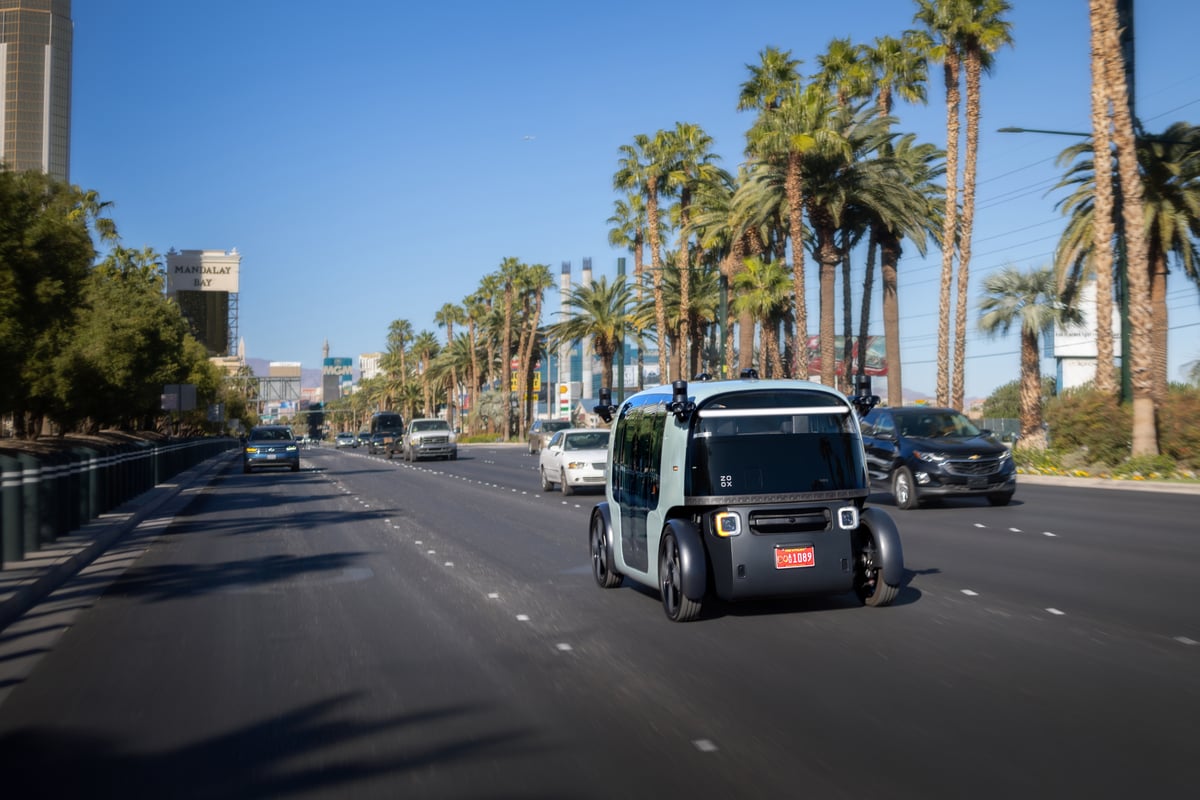
- Rapid Competitor Expansion: Amazon's Zoox plans to test its purpose-built robotaxis in Miami and Austin, marking a nationwide expansion, while also increasing service points in Las Vegas, demonstrating enhanced market penetration capabilities.
- High Valuation Dependency: According to Bank of America, Tesla's robotaxi business accounts for 52% of its overall valuation, with automotive at only 21%, highlighting how performance in the autonomous driving sector directly impacts market confidence and stock performance.
- Safety Concerns Highlighted: Early data shows Tesla's robotaxis have a higher crash rate than human drivers, particularly compared to competitor Alphabet's Waymo, reflecting deficiencies in technology maturity and safety that could further undermine investor confidence.
Amazon: A Top Choice for Long-Term Investment
- E-commerce and Cloud Leadership: Amazon's e-commerce segment is its largest revenue source, while cloud computing is its most profitable, with both businesses holding market leadership positions, showcasing the company's strong growth potential across multiple sectors.
- Rise of Digital Marketing: Amazon is rapidly becoming one of the world's largest digital marketing companies, and this high-margin business growth will provide long-term revenue drivers, further solidifying its market position.
- Technological Innovation Edge: Amazon's advancements in robotics, AI, and automation are often underestimated; these innovations, while not directly reflected in revenue, significantly enhance profitability and strengthen competitive advantages.
- Satellite Internet Potential: Amazon's satellite internet venture, Leo, competes with SpaceX's Starlink and, although still in early stages, offers substantial market potential and the possibility of bundling with Prime memberships for future growth opportunities.
Oracle Cuts Thousands of Jobs to Support AI Infrastructure Development


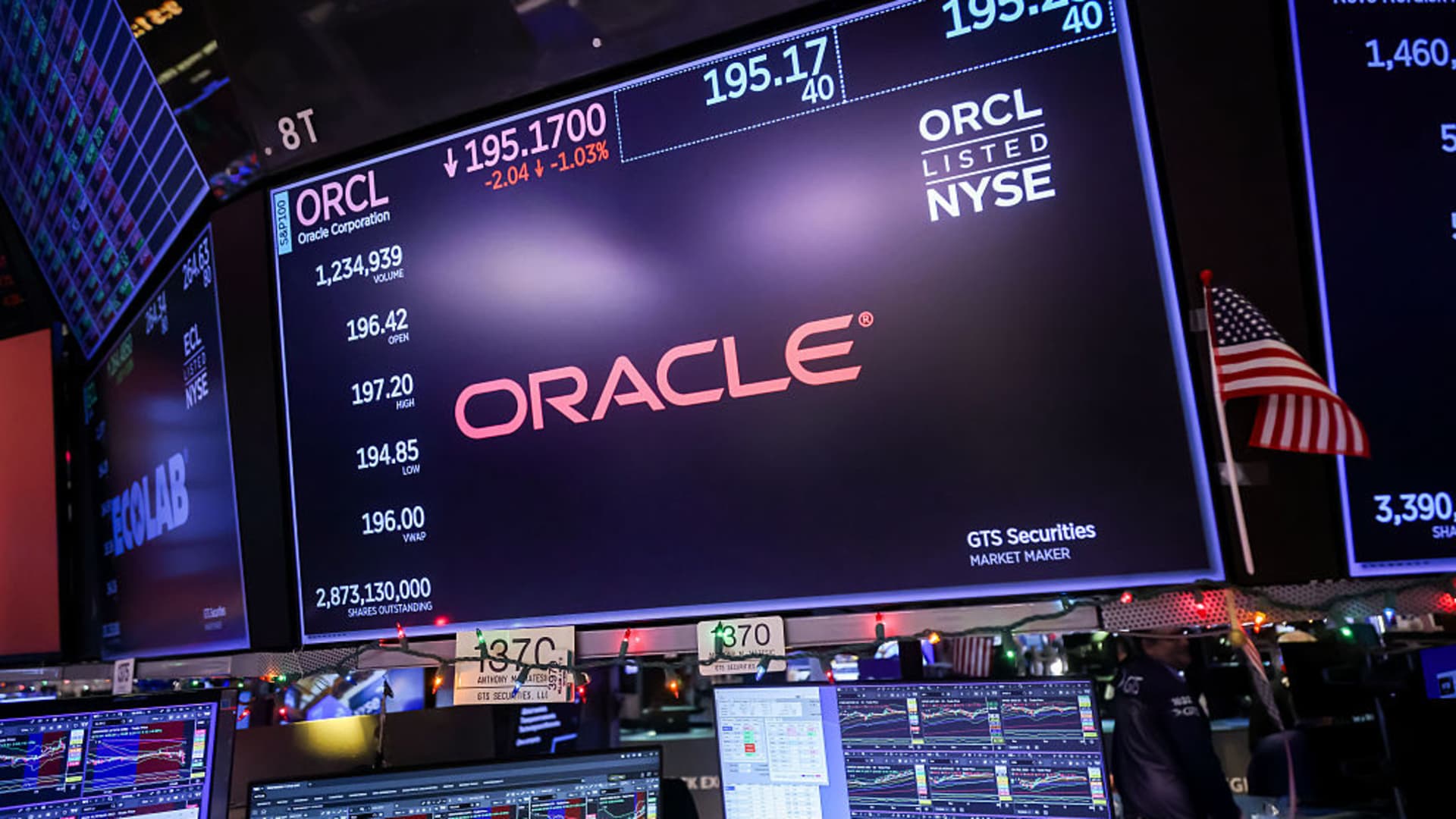
- Layoff Announcement: Oracle has begun notifying its 162,000 employees about plans to cut thousands of jobs to free up cash flow for AI data center infrastructure development, which is expected to significantly reduce operating costs and enhance financial flexibility.
- Stock Price Reaction: Following the layoff news, Oracle's shares rose 2.6% in early trading, despite being down approximately 25% year-to-date, indicating a cautiously optimistic market response to the company's future strategy.
- Capital Expenditure Pressure: Oracle plans to raise up to $50 billion in 2025 through a mix of debt and equity to meet cloud service demand from clients, particularly from companies like Nvidia and Meta, reflecting strong market demand for AI infrastructure.
- Analyst Perspective: Barclays analysts noted that the layoffs will help free up cash flow and viewed this move as unsurprising, projecting that Oracle could triple its revenue over the next few years, despite lower employee productivity compared to competitors.
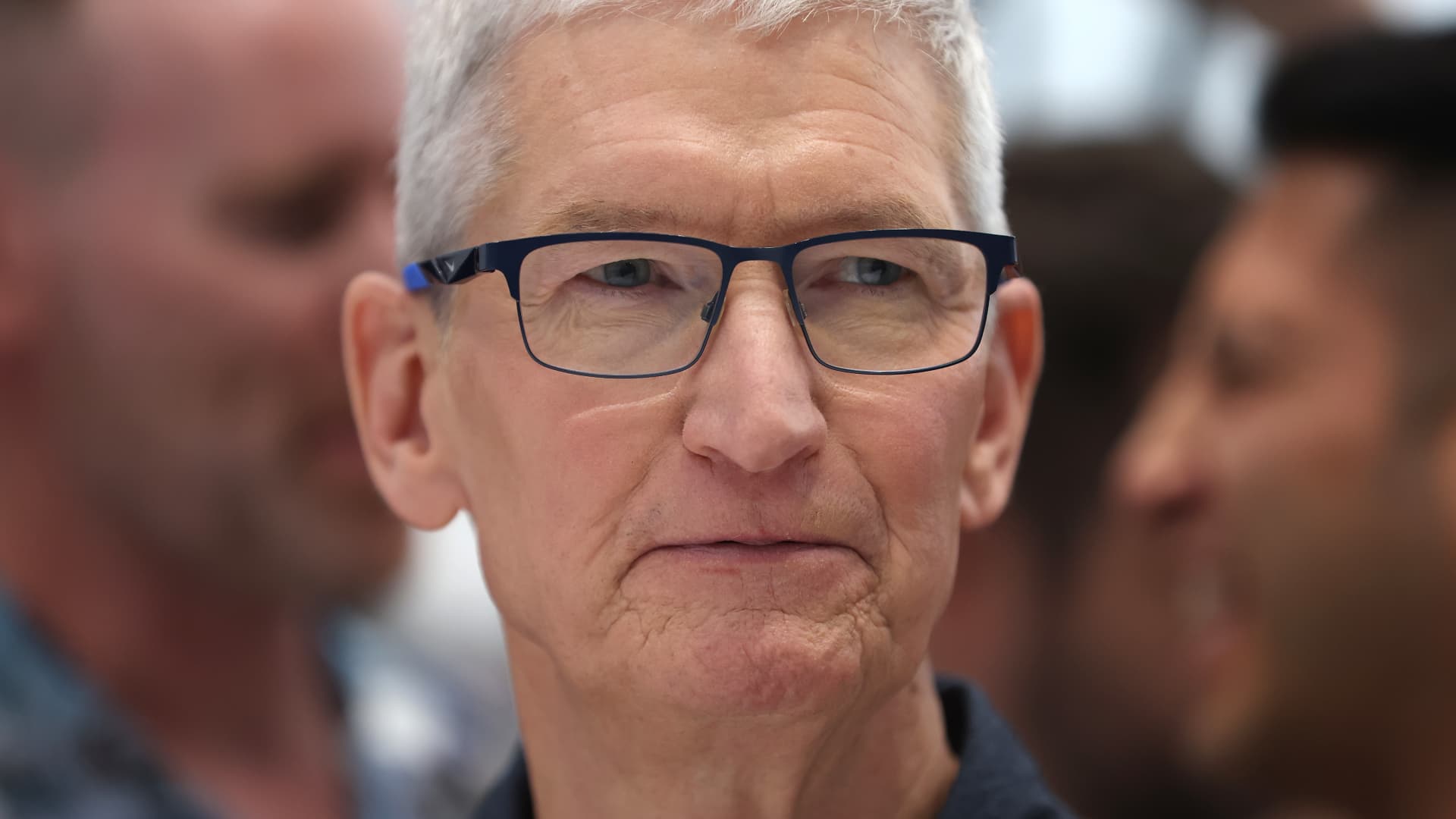
Five Key Questions Facing Apple as It Enters Its Second Half-Century


- AI Strategy Challenge: While Apple dominates the U.S. smartphone market with over $100 billion in annual services revenue, its lack of significant investment in AI, compared to competitors spending hundreds of billions, could impact its future market share and innovation potential.
- Leadership Succession Issue: With CEO Tim Cook turning 65, potential successors like hardware chief John Ternus are being considered, but the next leadership will need to navigate the challenges posed by rapid technological changes, particularly in generative AI.
- China Market Dilemma: Apple's revenue from Greater China reached $64.4 billion in fiscal 2025, despite an 11% decline, the December quarter saw a 38% surge, indicating market potential, yet geopolitical tensions and trade disputes pose ongoing uncertainties.
- Brand Positioning and Service Expansion: As Apple introduces lower-priced products like the MacBook Neo and increases App Store advertising, the challenge remains to maintain its premium brand image amidst intensifying competition in the lower-end market, which could dilute its established identity.
Amazon: The Leader in E-commerce and Cloud Computing
- Market Leadership: Amazon leads in both e-commerce and cloud computing, with e-commerce as its largest revenue source and cloud computing as its most profitable segment, showcasing the company's robust performance across multiple growth drivers.
- Digital Marketing Potential: Amazon is rapidly evolving into one of the world's largest digital marketing companies, and this high-margin business is expected to provide long-term growth momentum, further solidifying its market position.
- Investment in Technology Innovation: Amazon's investments in robotics, AI, and automation are often underestimated, yet these innovations significantly enhance profitability, indicating strong growth potential for the future.
- Satellite Internet Initiative: Amazon's Leo satellite internet project competes with SpaceX's Starlink, and while still in its early stages, its vast market potential and possible bundling with Prime memberships could create new growth avenues for the company.
Tesla Falls Behind in Robotaxi Race
- Increased Market Competition: Amazon's Zoox is set to test its purpose-built robotaxis in Austin, Texas, and Miami, marking a significant expansion in Tesla's home turf and intensifying competitive pressure on Tesla in the robotaxi sector.
- Development Delays: Tesla's robotaxi pilot launched in Austin last June, but CEO Elon Musk's initial prediction of covering half the U.S. population by the end of 2025 has been revised, with plans to expand to seven cities in the first half of 2026, indicating slow progress.
- Investor Concerns: According to Bank of America, Tesla's robotaxi business accounts for 52% of its overall valuation, while its automotive segment only represents 21%, highlighting the critical link between Tesla's future performance and its success in autonomous driving and robotics, raising investor anxiety over its overpromising tendencies.
- Safety Issues: Early data shows Tesla's robotaxis have a significantly higher crash rate compared to competitor Waymo, reflecting shortcomings in its technological development, which could negatively impact the company's future market performance and stock price.
Tesla's Autonomous Driving Program Faces Challenges
- Autonomous Program Delays: Tesla's driverless taxi initiative in Austin, which launched last June, is now projected to cover only a quarter to half of the U.S. population by year-end, indicating significant delays and uncertainties in technology implementation.
- Rapid Competitor Expansion: Amazon's Zoox plans to test its purpose-built robotaxis in Miami and Austin, marking a nationwide expansion, while also increasing service points in Las Vegas, demonstrating enhanced market penetration capabilities.
- High Valuation Dependency: According to Bank of America, Tesla's robotaxi business accounts for 52% of its overall valuation, with automotive at only 21%, highlighting how performance in the autonomous driving sector directly impacts market confidence and stock performance.
- Safety Concerns Highlighted: Early data shows Tesla's robotaxis have a higher crash rate than human drivers, particularly compared to competitor Alphabet's Waymo, reflecting deficiencies in technology maturity and safety that could further undermine investor confidence.
Amazon: A Top Choice for Long-Term Investment
- E-commerce and Cloud Leadership: Amazon's e-commerce segment is its largest revenue source, while cloud computing is its most profitable, with both businesses holding market leadership positions, showcasing the company's strong growth potential across multiple sectors.
- Rise of Digital Marketing: Amazon is rapidly becoming one of the world's largest digital marketing companies, and this high-margin business growth will provide long-term revenue drivers, further solidifying its market position.
- Technological Innovation Edge: Amazon's advancements in robotics, AI, and automation are often underestimated; these innovations, while not directly reflected in revenue, significantly enhance profitability and strengthen competitive advantages.
- Satellite Internet Potential: Amazon's satellite internet venture, Leo, competes with SpaceX's Starlink and, although still in early stages, offers substantial market potential and the possibility of bundling with Prime memberships for future growth opportunities.
Oracle Cuts Thousands of Jobs to Support AI Infrastructure Development
- Layoff Announcement: Oracle has begun notifying its 162,000 employees about plans to cut thousands of jobs to free up cash flow for AI data center infrastructure development, which is expected to significantly reduce operating costs and enhance financial flexibility.
- Stock Price Reaction: Following the layoff news, Oracle's shares rose 2.6% in early trading, despite being down approximately 25% year-to-date, indicating a cautiously optimistic market response to the company's future strategy.
- Capital Expenditure Pressure: Oracle plans to raise up to $50 billion in 2025 through a mix of debt and equity to meet cloud service demand from clients, particularly from companies like Nvidia and Meta, reflecting strong market demand for AI infrastructure.
- Analyst Perspective: Barclays analysts noted that the layoffs will help free up cash flow and viewed this move as unsurprising, projecting that Oracle could triple its revenue over the next few years, despite lower employee productivity compared to competitors.
Five Key Questions Facing Apple as It Enters Its Second Half-Century
- AI Strategy Challenge: While Apple dominates the U.S. smartphone market with over $100 billion in annual services revenue, its lack of significant investment in AI, compared to competitors spending hundreds of billions, could impact its future market share and innovation potential.
- Leadership Succession Issue: With CEO Tim Cook turning 65, potential successors like hardware chief John Ternus are being considered, but the next leadership will need to navigate the challenges posed by rapid technological changes, particularly in generative AI.
- China Market Dilemma: Apple's revenue from Greater China reached $64.4 billion in fiscal 2025, despite an 11% decline, the December quarter saw a 38% surge, indicating market potential, yet geopolitical tensions and trade disputes pose ongoing uncertainties.
- Brand Positioning and Service Expansion: As Apple introduces lower-priced products like the MacBook Neo and increases App Store advertising, the challenge remains to maintain its premium brand image amidst intensifying competition in the lower-end market, which could dilute its established identity.