Amazon Licenses AI Shopping Technology to Retailers
Written by Emily J. Thompson, Senior Investment Analyst
Updated: 7 hours ago
0mins

Source: CNBC
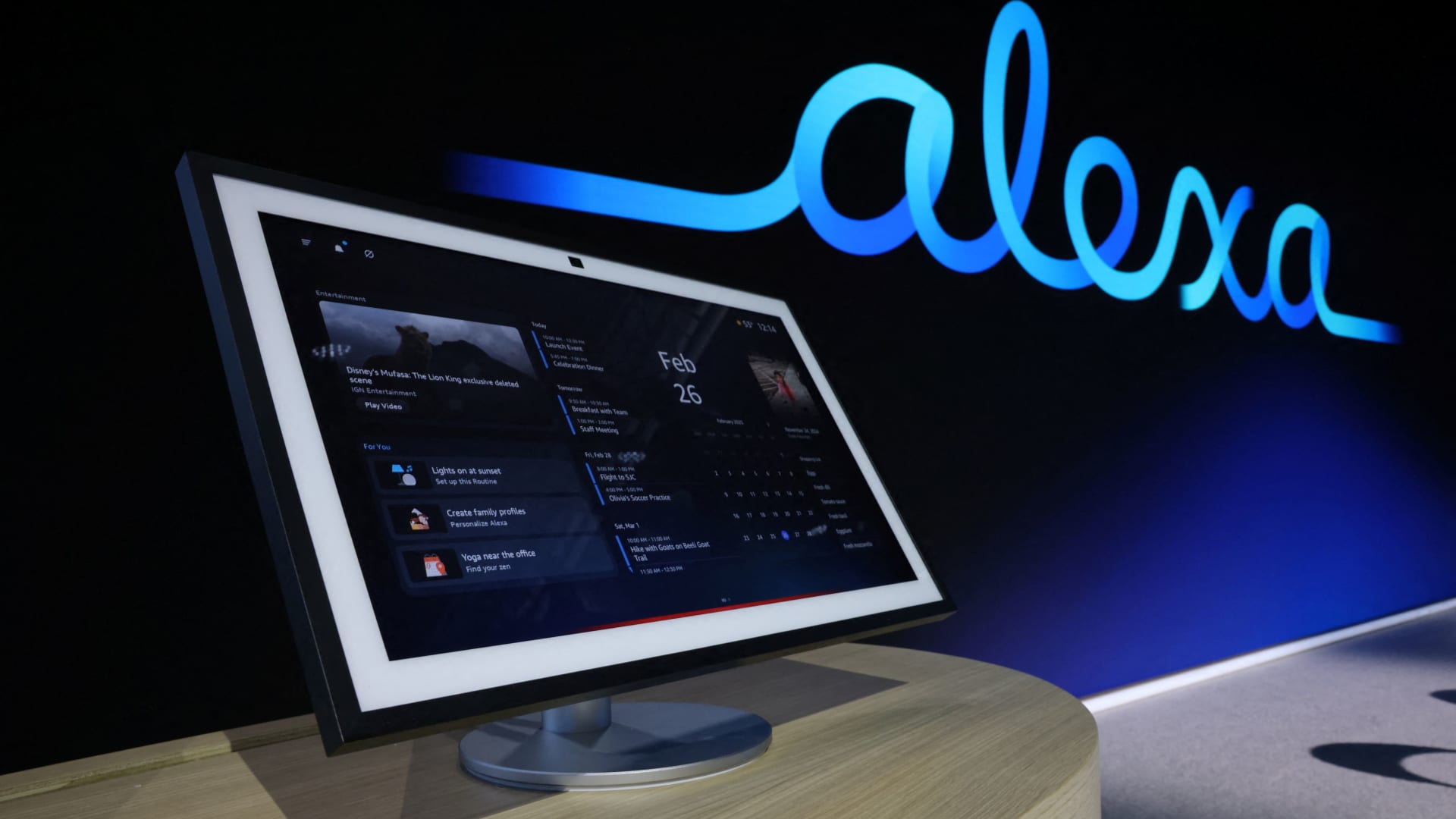
- Technology Licensing Strategy: Amazon is licensing its internally developed AI shopping technology to other retailers, enabling them to launch customized shopping tools in as little as 60 days, thereby enhancing Amazon's technological influence in the retail sector.
- Customer Engagement: Amazon has signed a partnership with Tapestry-owned luxury brand Kate Spade to utilize the service for launching a gifting assistant, demonstrating market demand and application potential for its technology.
- Competitive Market Landscape: In the AI shopping space, Amazon faces challenges from competitors like OpenAI and Google, which are also rolling out shopping-related AI tools, although some initiatives have stumbled due to technical issues, highlighting market uncertainties.
- Retailer Autonomy: Amazon encourages retailers to develop their own AI tools, emphasizing their deep understanding of products and customers, which allows them to maintain control over the shopping experience and enhances their competitive edge in the market.
Trade with 70% Backtested Accuracy
Stop guessing "Should I Buy TGT?" and start using high-conviction signals backed by rigorous historical data.
Sign up today to access powerful investing tools and make smarter, data-driven decisions.
Analyst Views on TGT
Wall Street analysts forecast TGT stock price to fall
26 Analyst Rating
8 Buy
14 Hold
4 Sell
Hold
Current: 125.430

Low
80.00
Averages
98.83
High
126.00
Current: 125.430
Low
80.00
Averages
98.83
High
126.00
About TGT
Target Corporation is a general merchandise retailer selling products to its guests through its stores and digital channels. The Company offers customers, referred to as guests, differentiated merchandise and everyday essentials at discounted prices. The majority of its stores offer a wide assortment of general merchandise and groceries. Its merchandise categories include apparel and accessories, beauty, food and beverage, hardlines, home furnishings and decor, household essentials, and other merchandise sales. Most of its stores are larger than over 170,000 square feet, offer a variety of general merchandise and a full line of groceries comparable to traditional supermarkets. Its digital channels include merchandise assortment, including many items found in its stores, along with a complementary assortment sold by the Company and third parties through our Target Plus digital marketplace. Its brands include A New Day, All in Motion, Art Class, Auden, Ava & Viv, among others.
About the author

Emily J. Thompson
Emily J. Thompson, a Chartered Financial Analyst (CFA) with 12 years in investment research, graduated with honors from the Wharton School. Specializing in industrial and technology stocks, she provides in-depth analysis for Intellectia’s earnings and market brief reports.
Amazon Launches Custom AI Shopping Assistants for Retailers


- AI Shopping Assistant Launch: Amazon is offering retailers the tools to create custom AI shopping assistants through AWS, enabling launches in as little as 60 days, which significantly enhances customer shopping experiences and strengthens market competitiveness.
- Internal Technology Application: The company has already utilized this technology internally to assist customers in comparing products, making purchases, and reordering, indicating the maturity and effectiveness of its technology, which helps attract more retail partnerships.
- Intensifying Market Competition: With competitors like OpenAI and Google ramping up their investments in AI shopping tools, Amazon's initiative serves not only as a technological expansion but also as a strategic move to counter rivals and solidify its market position.
- Positive Stock Reaction: Following the announcement of this new AI strategy, Amazon's stock rose over 2%, reflecting market optimism regarding its future growth potential and further boosting investor confidence.
See More
Amazon Licenses AI Shopping Technology to Retailers


- Technology Licensing Strategy: Amazon is licensing its internally developed AI shopping technology to other retailers, enabling them to launch customized shopping tools in as little as 60 days, thereby enhancing Amazon's technological influence in the retail sector.
- Customer Engagement: Amazon has signed a partnership with Tapestry-owned luxury brand Kate Spade to utilize the service for launching a gifting assistant, demonstrating market demand and application potential for its technology.
- Competitive Market Landscape: In the AI shopping space, Amazon faces challenges from competitors like OpenAI and Google, which are also rolling out shopping-related AI tools, although some initiatives have stumbled due to technical issues, highlighting market uncertainties.
- Retailer Autonomy: Amazon encourages retailers to develop their own AI tools, emphasizing their deep understanding of products and customers, which allows them to maintain control over the shopping experience and enhances their competitive edge in the market.
See More

Amazon Launches AI Shopping Tool for Retailers

- Technology Licensing Expansion: Amazon is licensing its internally developed Alexa for Shopping technology to retailers, enabling them to launch customized AI shopping tools in as little as 60 days, thereby enhancing customer experience and strengthening market competitiveness.
- Customer Case: Luxury brand Kate Spade has become the first customer to utilize this service, successfully launching a gifting assistant, showcasing Amazon's market appeal and technological prowess in the retail AI space.
- Market Competition Landscape: As competitors like OpenAI and Google also roll out shopping AI tools, Amazon's initiative not only continues its technology commercialization but may also solidify its leadership position in a fiercely competitive market.
- Retailer Autonomy: Amazon encourages retailers to build their own AI tools, emphasizing their deep understanding of products and customers, which allows them to maintain control over the shopping experience, thereby enhancing brand loyalty and customer satisfaction.
See More
Costco's Third Quarter Earnings Preview

- Revenue Growth Expectations: Analysts anticipate Costco's third-quarter revenue to rise by 10.2% to $69.6 billion, reflecting its ongoing competitiveness in the retail sector despite inflationary pressures.
- Membership Model Advantage: Costco's membership model reduces its sensitivity to macroeconomic conditions, with most profits derived from membership fees, attracting a higher-income customer base that strengthens its market position.
- Comparable Sales Growth: For the four weeks ending May 3, comparable sales adjusted for gas prices and foreign exchange rose by 7.8%, surpassing the 6.5% growth in the first 35 weeks, indicating sustained consumer demand for its offerings.
- Valuation Considerations: While Costco's business remains robust, its price-to-earnings ratio of 52 is significantly higher than its peers, prompting investors to carefully consider entry points to mitigate potential stock price corrections.
See More
Target: A Reliable Dividend Growth King
- Dividend Growth King: Target has raised its dividend for 54 consecutive years, establishing itself as a Dividend King that showcases stability across various economic conditions, with expectations to reach 55 years of dividend increases soon, appealing to income-seeking investors.
- High Dividend Yield: Currently, Target's dividend yield stands at 3.6%, which is relatively high among Dividend Kings; although its yield may not surpass some competitors, its dividend growth rate outpaces that of Coca-Cola, Procter & Gamble, and Walmart, indicating long-term investment value.
- New Strategic Implementation: The new CEO has outlined a growth strategy to tackle supply chain issues and inflationary pressures, focusing on improving merchandise assortment, revitalizing stores, and accelerating new technology adoption, aimed at enhancing overall performance and market competitiveness.
- Sales Growth Recovery: In the first quarter of fiscal 2026, Target reported a 6.7% year-over-year sales increase and a 5.6% rise in comparable sales, with adjusted earnings per share rising from $1.30 to $1.71, demonstrating positive progress in the company's recovery efforts.
See More
S&P 500 Hits New Highs, Investment Opportunities Emerge

- S&P 500 Performance: The S&P 500 continues to reach new highs, yet the cyclically adjusted P/E ratio (CAPE) has hit its second-highest level ever, indicating that market valuations are becoming alarmingly high, prompting investors to be cautious in seeking undervalued stocks.
- Target's Recovery: Target reported a 6.7% year-over-year sales increase and a 5.6% rise in comparable sales in Q1 2026, showcasing resilience despite challenges; the new CEO's strategic changes and store renovations have boosted market confidence, leading to a 31% stock price increase this year.
- Carnival's Strong Growth: Carnival achieved $6.2 billion in revenue for Q1 2026, a 6% year-over-year increase, with earnings per share rising 50% to $0.19; despite rising oil prices, the company has recorded its highest booking levels ever, reflecting robust market demand.
- On's Brand Ascendancy: On experienced a 26% year-over-year sales increase in Q1 2026, with direct-to-consumer sales up 28%; despite inflationary pressures, the company's gross margin improved from 59.9% to 64.2%, and net income surged by 82.2%, highlighting its competitive edge in the premium athletic wear market.
See More
Amazon Launches Custom AI Shopping Assistants for Retailers
- AI Shopping Assistant Launch: Amazon is offering retailers the tools to create custom AI shopping assistants through AWS, enabling launches in as little as 60 days, which significantly enhances customer shopping experiences and strengthens market competitiveness.
- Internal Technology Application: The company has already utilized this technology internally to assist customers in comparing products, making purchases, and reordering, indicating the maturity and effectiveness of its technology, which helps attract more retail partnerships.
- Intensifying Market Competition: With competitors like OpenAI and Google ramping up their investments in AI shopping tools, Amazon's initiative serves not only as a technological expansion but also as a strategic move to counter rivals and solidify its market position.
- Positive Stock Reaction: Following the announcement of this new AI strategy, Amazon's stock rose over 2%, reflecting market optimism regarding its future growth potential and further boosting investor confidence.
See More
Amazon Licenses AI Shopping Technology to Retailers
- Technology Licensing Strategy: Amazon is licensing its internally developed AI shopping technology to other retailers, enabling them to launch customized shopping tools in as little as 60 days, thereby enhancing Amazon's technological influence in the retail sector.
- Customer Engagement: Amazon has signed a partnership with Tapestry-owned luxury brand Kate Spade to utilize the service for launching a gifting assistant, demonstrating market demand and application potential for its technology.
- Competitive Market Landscape: In the AI shopping space, Amazon faces challenges from competitors like OpenAI and Google, which are also rolling out shopping-related AI tools, although some initiatives have stumbled due to technical issues, highlighting market uncertainties.
- Retailer Autonomy: Amazon encourages retailers to develop their own AI tools, emphasizing their deep understanding of products and customers, which allows them to maintain control over the shopping experience and enhances their competitive edge in the market.
See More
Amazon Launches AI Shopping Tool for Retailers
- Technology Licensing Expansion: Amazon is licensing its internally developed Alexa for Shopping technology to retailers, enabling them to launch customized AI shopping tools in as little as 60 days, thereby enhancing customer experience and strengthening market competitiveness.
- Customer Case: Luxury brand Kate Spade has become the first customer to utilize this service, successfully launching a gifting assistant, showcasing Amazon's market appeal and technological prowess in the retail AI space.
- Market Competition Landscape: As competitors like OpenAI and Google also roll out shopping AI tools, Amazon's initiative not only continues its technology commercialization but may also solidify its leadership position in a fiercely competitive market.
- Retailer Autonomy: Amazon encourages retailers to build their own AI tools, emphasizing their deep understanding of products and customers, which allows them to maintain control over the shopping experience, thereby enhancing brand loyalty and customer satisfaction.
See More
Costco's Third Quarter Earnings Preview
- Revenue Growth Expectations: Analysts anticipate Costco's third-quarter revenue to rise by 10.2% to $69.6 billion, reflecting its ongoing competitiveness in the retail sector despite inflationary pressures.
- Membership Model Advantage: Costco's membership model reduces its sensitivity to macroeconomic conditions, with most profits derived from membership fees, attracting a higher-income customer base that strengthens its market position.
- Comparable Sales Growth: For the four weeks ending May 3, comparable sales adjusted for gas prices and foreign exchange rose by 7.8%, surpassing the 6.5% growth in the first 35 weeks, indicating sustained consumer demand for its offerings.
- Valuation Considerations: While Costco's business remains robust, its price-to-earnings ratio of 52 is significantly higher than its peers, prompting investors to carefully consider entry points to mitigate potential stock price corrections.
See More
Target: A Reliable Dividend Growth King
- Dividend Growth King: Target has raised its dividend for 54 consecutive years, establishing itself as a Dividend King that showcases stability across various economic conditions, with expectations to reach 55 years of dividend increases soon, appealing to income-seeking investors.
- High Dividend Yield: Currently, Target's dividend yield stands at 3.6%, which is relatively high among Dividend Kings; although its yield may not surpass some competitors, its dividend growth rate outpaces that of Coca-Cola, Procter & Gamble, and Walmart, indicating long-term investment value.
- New Strategic Implementation: The new CEO has outlined a growth strategy to tackle supply chain issues and inflationary pressures, focusing on improving merchandise assortment, revitalizing stores, and accelerating new technology adoption, aimed at enhancing overall performance and market competitiveness.
- Sales Growth Recovery: In the first quarter of fiscal 2026, Target reported a 6.7% year-over-year sales increase and a 5.6% rise in comparable sales, with adjusted earnings per share rising from $1.30 to $1.71, demonstrating positive progress in the company's recovery efforts.
See More
S&P 500 Hits New Highs, Investment Opportunities Emerge
- S&P 500 Performance: The S&P 500 continues to reach new highs, yet the cyclically adjusted P/E ratio (CAPE) has hit its second-highest level ever, indicating that market valuations are becoming alarmingly high, prompting investors to be cautious in seeking undervalued stocks.
- Target's Recovery: Target reported a 6.7% year-over-year sales increase and a 5.6% rise in comparable sales in Q1 2026, showcasing resilience despite challenges; the new CEO's strategic changes and store renovations have boosted market confidence, leading to a 31% stock price increase this year.
- Carnival's Strong Growth: Carnival achieved $6.2 billion in revenue for Q1 2026, a 6% year-over-year increase, with earnings per share rising 50% to $0.19; despite rising oil prices, the company has recorded its highest booking levels ever, reflecting robust market demand.
- On's Brand Ascendancy: On experienced a 26% year-over-year sales increase in Q1 2026, with direct-to-consumer sales up 28%; despite inflationary pressures, the company's gross margin improved from 59.9% to 64.2%, and net income surged by 82.2%, highlighting its competitive edge in the premium athletic wear market.
See More