Alibaba Earnings Report: Revenue Growth Weakens
Written by Emily J. Thompson, Senior Investment Analyst
Updated: 1 hour ago
0mins
Should l Buy BABA?
Source: Yahoo Finance
- Weak Revenue Growth: Alibaba reported total revenue of RMB 284.8 billion, with a mere 9% year-over-year growth excluding Sun Art and Intime, indicating a struggle against macroeconomic pressures that have weakened consumer transaction activities and overall performance.
- Significant Net Income Decline: GAAP net income fell to RMB 15.6 billion, a 66% decrease year-over-year, primarily due to increased investments in technology and weaker transaction activities, reflecting challenges faced during the company's transformation.
- Cloud Intelligence Growth: The Cloud Intelligence Group achieved a 35% revenue growth, with AI-related products experiencing triple-digit year-over-year growth for the tenth consecutive quarter, indicating that the company's strategic positioning in the AI market is beginning to yield results.
- Expansion in Quick Commerce: Quick Commerce revenue surged by 56%, with notable improvements in customer retention and unit economics, and the business is projected to exceed RMB 1 trillion in GMV by FY28, showcasing strong market potential.
Trade with 70% Backtested Accuracy
Stop guessing "Should I Buy BABA?" and start using high-conviction signals backed by rigorous historical data.
Sign up today to access powerful investing tools and make smarter, data-driven decisions.
Analyst Views on BABA
Wall Street analysts forecast BABA stock price to rise
15 Analyst Rating
15 Buy
0 Hold
0 Sell
Strong Buy
Current: 134.430

Low
180.00
Averages
203.09
High
230.00
Current: 134.430
Low
180.00
Averages
203.09
High
230.00
About BABA
Alibaba Group Holding Ltd is an investment holding company mainly engaged in the provision of technology infrastructure and marketing platforms. The Company operates its business through nine segments. The China Commerce Retail segment is engaged in the China commerce retail business. The China Commerce Wholesale segment is mainly engaged in the operation of 1688.com. The Cloud Intelligence segment provides cloud services. The International Commerce Retail segment provides customer management services, sales of goods and logistics services. The International Commerce Wholesale segment is mainly engaged in the operation of Alibaba.com. The Cainiao Represents Logistics Services segment provides fulfilment services. The Local Services segment’s revenue includes platform commissions, logistics services revenue. The Digital Media and Entertainment segment engages in the operation of Youku and Alibaba. The All Others segment is mainly engaged in the Sun Art, Freshippo and other business.
About the author

Emily J. Thompson
Emily J. Thompson, a Chartered Financial Analyst (CFA) with 12 years in investment research, graduated with honors from the Wharton School. Specializing in industrial and technology stocks, she provides in-depth analysis for Intellectia’s earnings and market brief reports.
Alibaba Reinvents Its Role in AI Infrastructure

- Significant Cloud Growth: Alibaba reported a 30% year-over-year growth in its cloud business for the first half of fiscal 2026, primarily driven by demand for AI services, showcasing the company's strong performance in AI infrastructure and enhancing its competitive position.
- Sustained AI Product Growth: The company's AI-related cloud products have achieved triple-digit growth for nine consecutive quarters, indicating that enterprises are actively building AI applications on Alibaba's platform, further solidifying its leadership in China's AI market.
- Ecosystem Advantage: Alibaba operates the largest cloud infrastructure platform in China with a 36% market share and is building its AI ecosystem through its proprietary Qwen family of large language models, enhancing its competitiveness in AI applications.
- Investment and Risks: While Alibaba's commitment to investing hundreds of billions of yuan in AI infrastructure may pressure short-term profitability, its robust digital ecosystem and expanding AI capabilities provide significant growth potential for the future.
See More

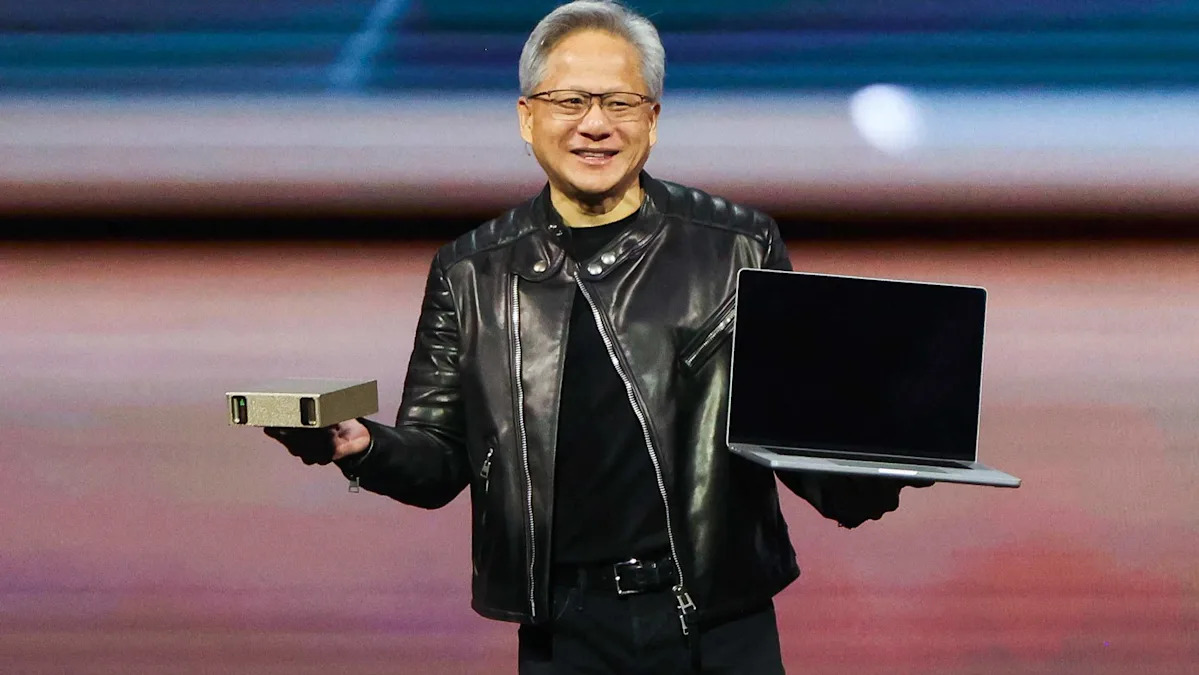
Nvidia's Strategic Shift: Launch of Open-Source AI Platform NemoClaw

- Strategic Shift: At its annual developer conference, Nvidia launched NemoClaw, an open-source, chip-agnostic platform for building and deploying AI agents, marking a transition from being solely a chipmaker to becoming the operating system for the future of AI, although this shift has yet to be fully recognized by investors.
- Market Competition: As companies like Google, Amazon, and Broadcom develop their own inference chips, Nvidia's traditional moat is weakening; the introduction of NemoClaw aims to maintain market competitiveness by offering free AI agent deployment solutions, thereby enhancing the company's long-term position in the AI sector.
- Open Source Strategy: Built on OpenClaw, NemoClaw allows users to download and run the software locally, with Nvidia promoting adoption by giving away this layer while monetizing the underlying chips and computing power, akin to the successful strategies employed by Microsoft and Google.
- Customer Relationship Challenges: Nvidia's strategy poses a potential threat to its key customers like OpenAI and Anthropic regarding pricing power; by providing free AI agents, Nvidia can maintain its dominance in the market and prevent customers from exerting pricing pressure, ensuring sustained GPU demand.
See More

Alibaba Earnings Report: Revenue Growth Weakens
- Weak Revenue Growth: Alibaba reported total revenue of RMB 284.8 billion, with a mere 9% year-over-year growth excluding Sun Art and Intime, indicating a struggle against macroeconomic pressures that have weakened consumer transaction activities and overall performance.
- Significant Net Income Decline: GAAP net income fell to RMB 15.6 billion, a 66% decrease year-over-year, primarily due to increased investments in technology and weaker transaction activities, reflecting challenges faced during the company's transformation.
- Cloud Intelligence Growth: The Cloud Intelligence Group achieved a 35% revenue growth, with AI-related products experiencing triple-digit year-over-year growth for the tenth consecutive quarter, indicating that the company's strategic positioning in the AI market is beginning to yield results.
- Expansion in Quick Commerce: Quick Commerce revenue surged by 56%, with notable improvements in customer retention and unit economics, and the business is projected to exceed RMB 1 trillion in GMV by FY28, showcasing strong market potential.
See More
NVIDIA Transitions to AI Operating System with NemoClaw Launch
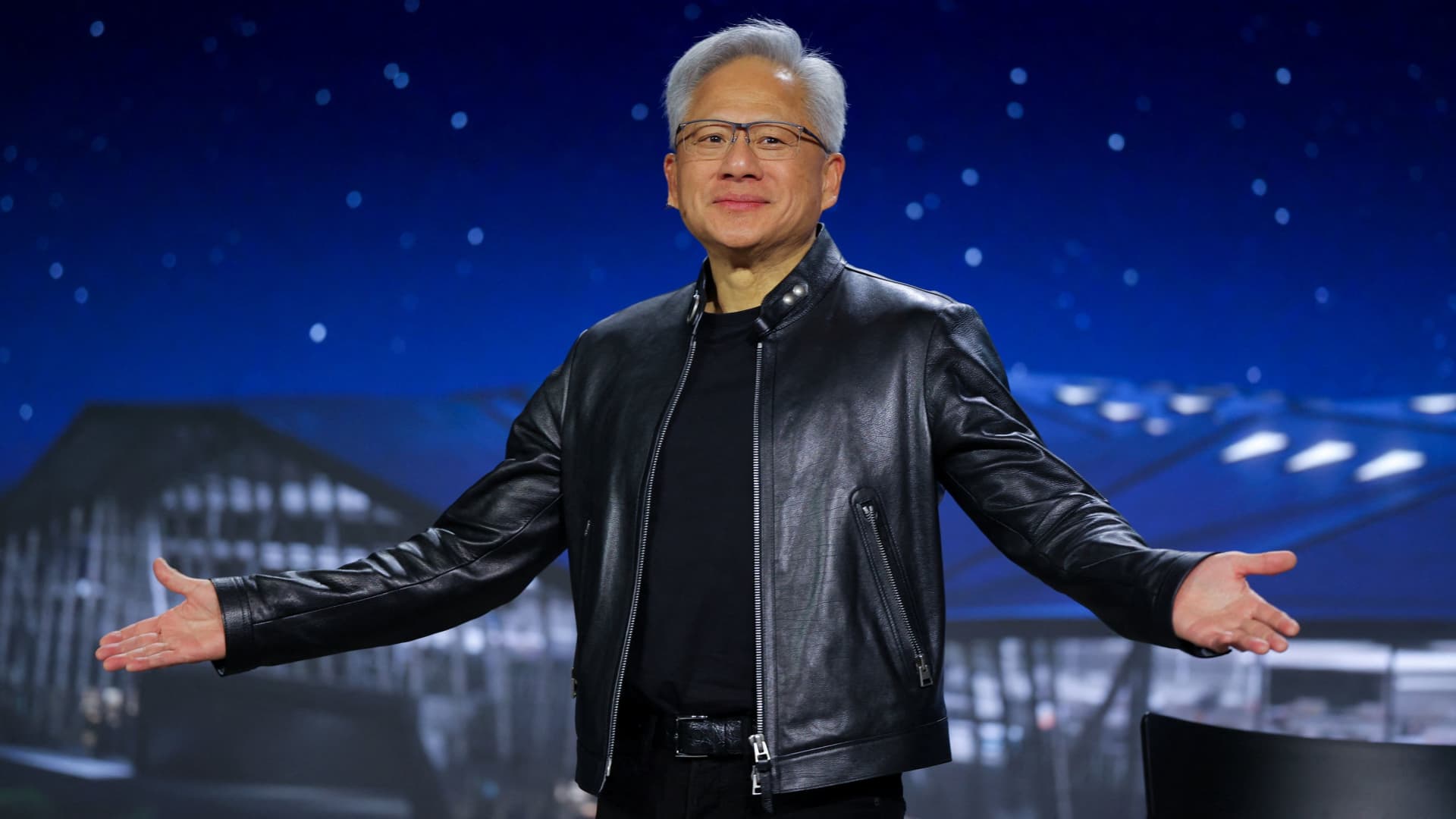
- Strategic Shift: At the GTC conference, NVIDIA CEO Jensen Huang launched NemoClaw, an open-source, chip-agnostic platform for building and deploying AI agents, marking NVIDIA's transition from a chipmaker to an AI operating system, which is expected to enhance its market competitiveness.
- Market Lock-in: With the launch of NemoClaw, NVIDIA aims to prevent pricing pressure from clients like OpenAI and Anthropic by adopting a 'commoditize the complement' strategy, allowing enterprises to deploy AI agents for free, thereby maintaining control over GPU demand.
- Open Source Risks and Opportunities: The open-source nature of NemoClaw allows enterprises to run the software on local servers, which introduces security risks; however, NVIDIA mitigates these risks by adding security tools and data controls to ensure enterprise user trust.
- Historical Performance and Future Outlook: NVIDIA achieved a 73% revenue growth in the last quarter, with projected revenues nearing $80 billion for the first fiscal quarter, demonstrating its success in market transitions, and investors should monitor enterprise adoption of NemoClaw to assess whether NVIDIA can successfully transition from a chipmaker to an operating system.
See More
Alibaba Reports Declining Profits Amidst Price War

- Weak Revenue Growth: Alibaba's revenue for the December quarter rose only 2%, or 9% excluding divested businesses, reaching $40.7 billion, indicating insufficient growth momentum amid fierce market competition, which could impact future market share.
- Significant Profit Decline: Adjusted EBITA fell 57% to $3.35 billion, and adjusted EPS dropped 67% to $0.13, reflecting immense profit pressure from the price war with JD.com and Meituan, potentially leading to decreased investor confidence.
- AI Strategy Paying Off: Alibaba's AI chatbot Qwen has reached 300 million monthly active users, and its cloud intelligence segment reported a 36% revenue increase to $6.2 billion, suggesting that the company's investments in AI are starting to yield returns, which may drive overall business growth in the future.
- Ongoing E-commerce Challenges: While the quick commerce segment showed promise, the e-commerce division only grew 6% to $22.8 billion, with core e-commerce lines flat, highlighting the persistent consumer weakness and demand issues in the Chinese e-commerce market, which could affect the company's long-term strategic positioning.
See More
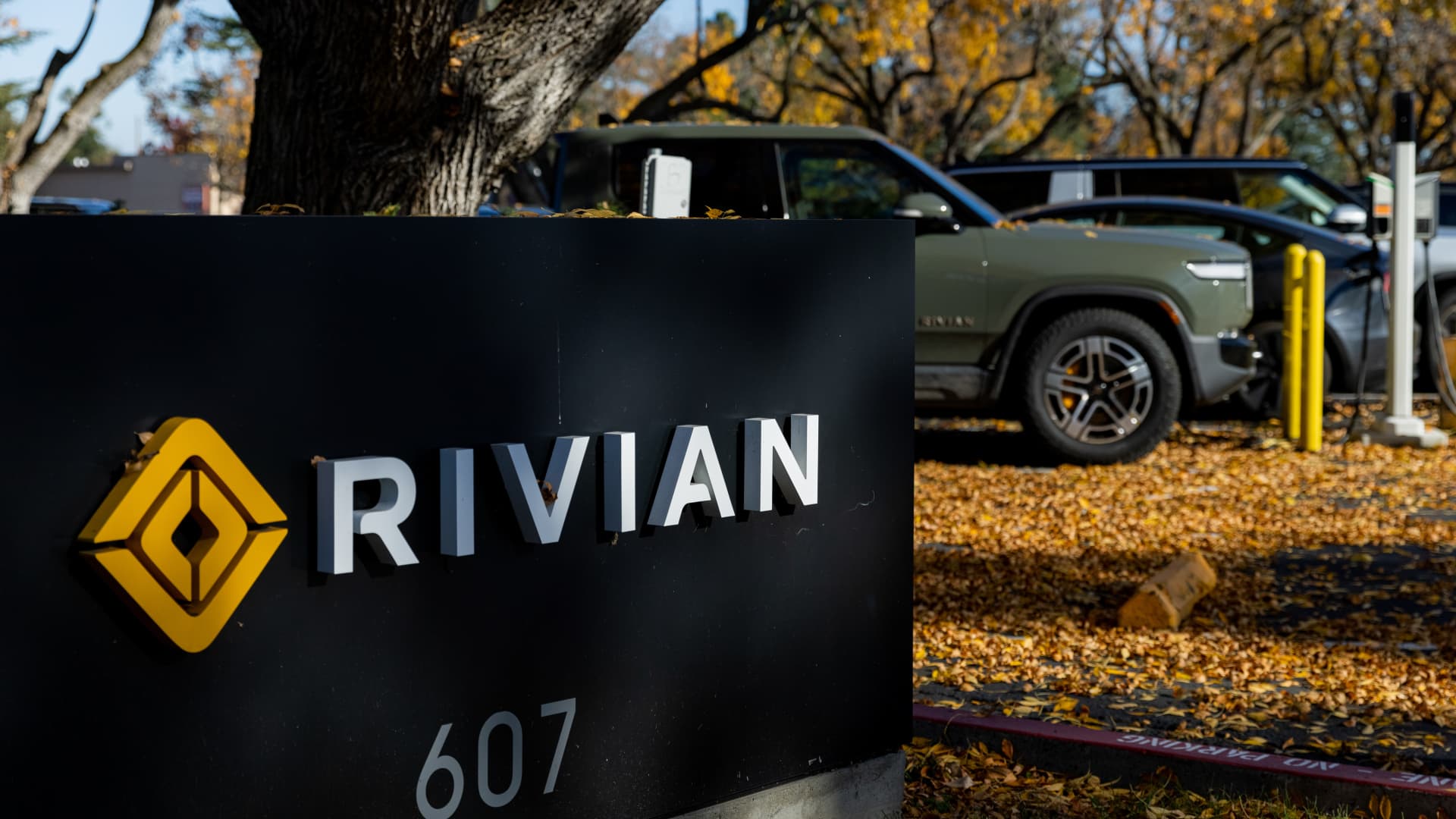
Oil Stocks Rise, Accenture Surpasses Earnings Expectations


- Oil Stocks Surge: Brent crude futures briefly topped $119 per barrel, leading APA shares to rise by 5%, while SLB and Baker Hughes advanced over 4%, indicating market optimism about rising oil prices potentially boosting profitability for these companies.
- Accenture's Strong Performance: The IT company reported second-quarter earnings of $2.93 per share on revenue of $18.04 billion, exceeding Wall Street expectations, which highlights robust demand in digital transformation services and is likely to enhance its market share further.
- Rivian Secures Investment: Uber plans to invest up to $1.25 billion in Rivian to launch up to 50,000 robotaxis, resulting in a more than 3% increase in Rivian's stock price, and this strategic partnership is expected to accelerate penetration into the electric vehicle market and drive technological innovation.
- Signet Jewelers' Strong Rebound: The jewelry retailer reported adjusted earnings of $6.25 per share for the fourth quarter, surpassing market expectations, with revenue at $2.35 billion, reflecting sustained consumer demand for luxury jewelry, which is expected to further drive the company's stock price upward.
See More
Alibaba Reinvents Its Role in AI Infrastructure
- Significant Cloud Growth: Alibaba reported a 30% year-over-year growth in its cloud business for the first half of fiscal 2026, primarily driven by demand for AI services, showcasing the company's strong performance in AI infrastructure and enhancing its competitive position.
- Sustained AI Product Growth: The company's AI-related cloud products have achieved triple-digit growth for nine consecutive quarters, indicating that enterprises are actively building AI applications on Alibaba's platform, further solidifying its leadership in China's AI market.
- Ecosystem Advantage: Alibaba operates the largest cloud infrastructure platform in China with a 36% market share and is building its AI ecosystem through its proprietary Qwen family of large language models, enhancing its competitiveness in AI applications.
- Investment and Risks: While Alibaba's commitment to investing hundreds of billions of yuan in AI infrastructure may pressure short-term profitability, its robust digital ecosystem and expanding AI capabilities provide significant growth potential for the future.
See More
Nvidia's Strategic Shift: Launch of Open-Source AI Platform NemoClaw
- Strategic Shift: At its annual developer conference, Nvidia launched NemoClaw, an open-source, chip-agnostic platform for building and deploying AI agents, marking a transition from being solely a chipmaker to becoming the operating system for the future of AI, although this shift has yet to be fully recognized by investors.
- Market Competition: As companies like Google, Amazon, and Broadcom develop their own inference chips, Nvidia's traditional moat is weakening; the introduction of NemoClaw aims to maintain market competitiveness by offering free AI agent deployment solutions, thereby enhancing the company's long-term position in the AI sector.
- Open Source Strategy: Built on OpenClaw, NemoClaw allows users to download and run the software locally, with Nvidia promoting adoption by giving away this layer while monetizing the underlying chips and computing power, akin to the successful strategies employed by Microsoft and Google.
- Customer Relationship Challenges: Nvidia's strategy poses a potential threat to its key customers like OpenAI and Anthropic regarding pricing power; by providing free AI agents, Nvidia can maintain its dominance in the market and prevent customers from exerting pricing pressure, ensuring sustained GPU demand.
See More
Alibaba Earnings Report: Revenue Growth Weakens
- Weak Revenue Growth: Alibaba reported total revenue of RMB 284.8 billion, with a mere 9% year-over-year growth excluding Sun Art and Intime, indicating a struggle against macroeconomic pressures that have weakened consumer transaction activities and overall performance.
- Significant Net Income Decline: GAAP net income fell to RMB 15.6 billion, a 66% decrease year-over-year, primarily due to increased investments in technology and weaker transaction activities, reflecting challenges faced during the company's transformation.
- Cloud Intelligence Growth: The Cloud Intelligence Group achieved a 35% revenue growth, with AI-related products experiencing triple-digit year-over-year growth for the tenth consecutive quarter, indicating that the company's strategic positioning in the AI market is beginning to yield results.
- Expansion in Quick Commerce: Quick Commerce revenue surged by 56%, with notable improvements in customer retention and unit economics, and the business is projected to exceed RMB 1 trillion in GMV by FY28, showcasing strong market potential.
See More
NVIDIA Transitions to AI Operating System with NemoClaw Launch
- Strategic Shift: At the GTC conference, NVIDIA CEO Jensen Huang launched NemoClaw, an open-source, chip-agnostic platform for building and deploying AI agents, marking NVIDIA's transition from a chipmaker to an AI operating system, which is expected to enhance its market competitiveness.
- Market Lock-in: With the launch of NemoClaw, NVIDIA aims to prevent pricing pressure from clients like OpenAI and Anthropic by adopting a 'commoditize the complement' strategy, allowing enterprises to deploy AI agents for free, thereby maintaining control over GPU demand.
- Open Source Risks and Opportunities: The open-source nature of NemoClaw allows enterprises to run the software on local servers, which introduces security risks; however, NVIDIA mitigates these risks by adding security tools and data controls to ensure enterprise user trust.
- Historical Performance and Future Outlook: NVIDIA achieved a 73% revenue growth in the last quarter, with projected revenues nearing $80 billion for the first fiscal quarter, demonstrating its success in market transitions, and investors should monitor enterprise adoption of NemoClaw to assess whether NVIDIA can successfully transition from a chipmaker to an operating system.
See More
Alibaba Reports Declining Profits Amidst Price War
- Weak Revenue Growth: Alibaba's revenue for the December quarter rose only 2%, or 9% excluding divested businesses, reaching $40.7 billion, indicating insufficient growth momentum amid fierce market competition, which could impact future market share.
- Significant Profit Decline: Adjusted EBITA fell 57% to $3.35 billion, and adjusted EPS dropped 67% to $0.13, reflecting immense profit pressure from the price war with JD.com and Meituan, potentially leading to decreased investor confidence.
- AI Strategy Paying Off: Alibaba's AI chatbot Qwen has reached 300 million monthly active users, and its cloud intelligence segment reported a 36% revenue increase to $6.2 billion, suggesting that the company's investments in AI are starting to yield returns, which may drive overall business growth in the future.
- Ongoing E-commerce Challenges: While the quick commerce segment showed promise, the e-commerce division only grew 6% to $22.8 billion, with core e-commerce lines flat, highlighting the persistent consumer weakness and demand issues in the Chinese e-commerce market, which could affect the company's long-term strategic positioning.
See More
Oil Stocks Rise, Accenture Surpasses Earnings Expectations
- Oil Stocks Surge: Brent crude futures briefly topped $119 per barrel, leading APA shares to rise by 5%, while SLB and Baker Hughes advanced over 4%, indicating market optimism about rising oil prices potentially boosting profitability for these companies.
- Accenture's Strong Performance: The IT company reported second-quarter earnings of $2.93 per share on revenue of $18.04 billion, exceeding Wall Street expectations, which highlights robust demand in digital transformation services and is likely to enhance its market share further.
- Rivian Secures Investment: Uber plans to invest up to $1.25 billion in Rivian to launch up to 50,000 robotaxis, resulting in a more than 3% increase in Rivian's stock price, and this strategic partnership is expected to accelerate penetration into the electric vehicle market and drive technological innovation.
- Signet Jewelers' Strong Rebound: The jewelry retailer reported adjusted earnings of $6.25 per share for the fourth quarter, surpassing market expectations, with revenue at $2.35 billion, reflecting sustained consumer demand for luxury jewelry, which is expected to further drive the company's stock price upward.
See More