Alcoa Shares Plummet Following Downgrade; J.P. Morgan Favors Copper Over Aluminum.
Written by Emily J. Thompson, Senior Investment Analyst
Updated: Jan 08 2026
0mins


Source: Barron's
Price Surge: In 2025, both aluminum and copper prices increased significantly, with copper outperforming aluminum.
Impact on Alcoa: The rise in copper prices poses challenges for Alcoa, the aluminum producer, as it approaches the fourth-quarter earnings season.
Trade with 70% Backtested Accuracy
Stop guessing "Should I Buy FCX?" and start using high-conviction signals backed by rigorous historical data.
Sign up today to access powerful investing tools and make smarter, data-driven decisions.
Analyst Views on FCX
Wall Street analysts forecast FCX stock price to rise
15 Analyst Rating
13 Buy
2 Hold
0 Sell
Strong Buy
Current: 54.940

Low
46.00
Averages
58.79
High
70.00
Current: 54.940
Low
46.00
Averages
58.79
High
70.00
About FCX
Freeport-McMoRan Inc. is an international metals company focused on copper. The Company operates geographically diverse assets with significant proven and probable mineral reserves of copper, gold and molybdenum. The Company's segments include the Morenci and Cerro Verde copper mines, the Indonesia operations (including the Grasberg minerals district and PT-FI’s downstream processing facilities), the Rod & Refining operations and Atlantic Copper Smelting & Refining. Its operations include North America, South America and Indonesia. In North America, it manages seven copper operations: Morenci, Bagdad, Safford (including Lone Star), Sierrita and Miami in Arizona, and Chino and Tyrone in New Mexico, and two molybdenum mines: Henderson and Climax in Colorado. It also operates a copper smelter in Miami, Arizona. In South America, it manages two copper operations: Cerro Verde in Peru and El Abra in Chile. In addition to copper, the Grasberg minerals district also produces gold and silver.
About the author

Emily J. Thompson
Emily J. Thompson, a Chartered Financial Analyst (CFA) with 12 years in investment research, graduated with honors from the Wharton School. Specializing in industrial and technology stocks, she provides in-depth analysis for Intellectia’s earnings and market brief reports.
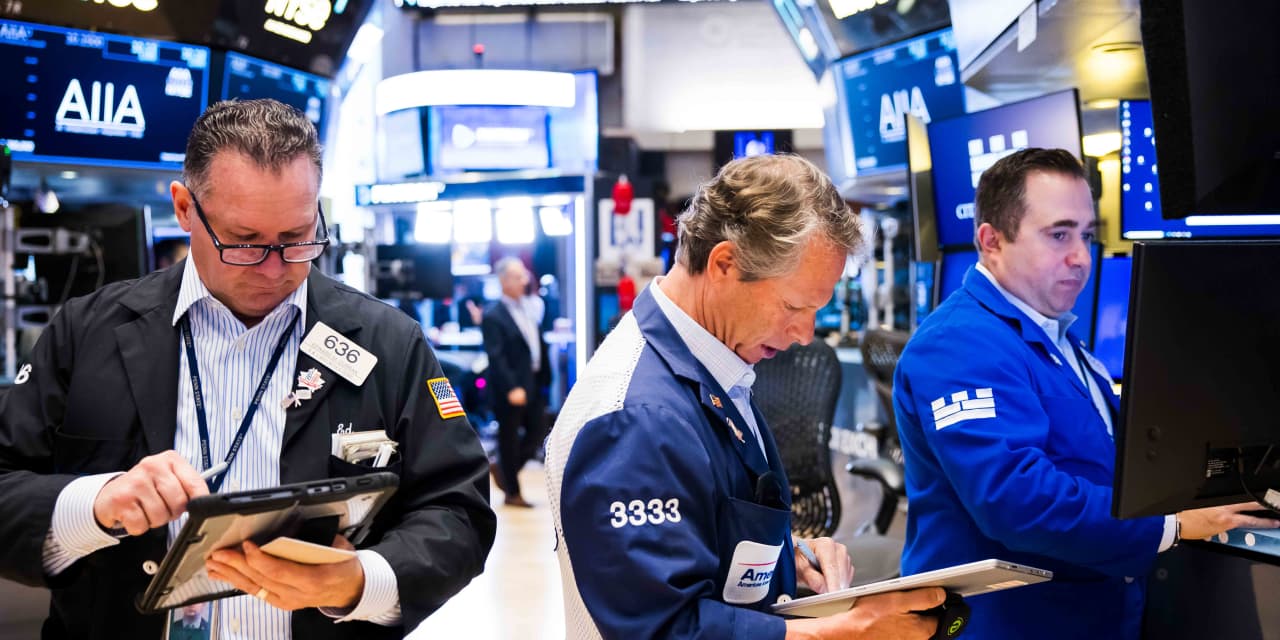
Key Stock Market Movers: Meta, Alibaba, JD.com, GameStop, and Others


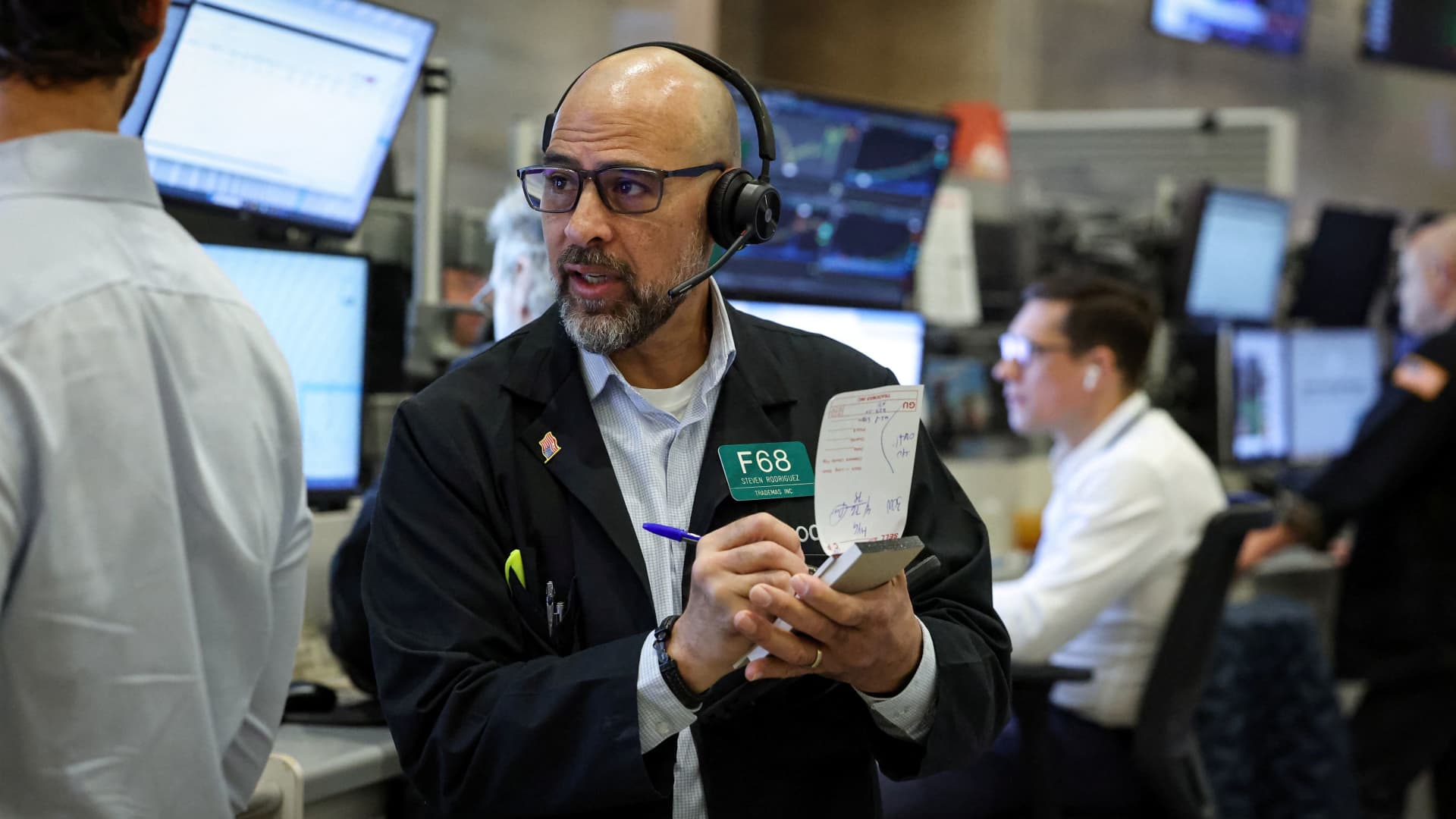
- Stock Market Movement: Stock futures were rising on Wednesday, indicating positive investor sentiment.
- Cease-Fire Talks: Investors are hopeful for progress in cease-fire discussions between the U.S. and Iran.
- Middle East Conflict: There is an expectation for a swift resolution to the ongoing war in the Middle East.
- Investor Sentiment: The potential for peace is influencing market trends and investor confidence.
See More
Portfolio Adjustments to Navigate Market Volatility


- Portfolio Rebalancing: Amid recent market volatility, Inside Edge Capital executed three portfolio adjustments, reallocating 2% to the short-term Treasury ETF (BIL) and 5% to the inverse Nasdaq ETF (PSQ) to mitigate potential downside risks.
- Gold Holdings Reduction: Despite heightened tensions in the Middle East typically driving gold demand, Inside Edge Capital has cut its positions in Anglogold Ashanti PLC and Agnico Eagle Mines Ltd within its Strategic Income & Growth portfolio, reflecting a cautious outlook on gold due to rising real interest rates and a strengthening dollar.
- Emerging Markets Exposure Cut: In response to increasing global risk aversion, Inside Edge Capital has reduced its investments in emerging markets, notably cutting its position in Kinross Gold Corp within its more aggressive Tactical Alpha Growth portfolio, indicating diminished confidence in these markets.
- Market Liquidity Shifts: As U.S. interest rates rise and the dollar strengthens, demand for liquidity in emerging markets has decreased, leading to a flow of funds back to the U.S., with Inside Edge Capital suggesting a potential reassessment of investments related to artificial intelligence in the future.
See More
Market Update: Opportunities in Gold and Commodities


- Gold Investment Opportunity: DoubleLine CEO Jeffrey Gundlach indicated a favorable opportunity to invest in gold and commodities at current levels, despite gold futures dropping 16% since the war began, reflecting a strong demand for safe-haven assets in the market.
- Commodity Price Fluctuations: In March, West Texas Intermediate crude futures rose 33% and Brent crude futures increased by 38%, indicating robust demand for energy products, which could drive the performance of related stocks.
- Poor Stock Market Performance: The Nasdaq Composite and S&P 500 indices fell by 3% and 4.3% respectively in March, while the Dow Jones dropped about 5.7%, suggesting weakened investor confidence in stocks, prompting a potential shift towards commodities.
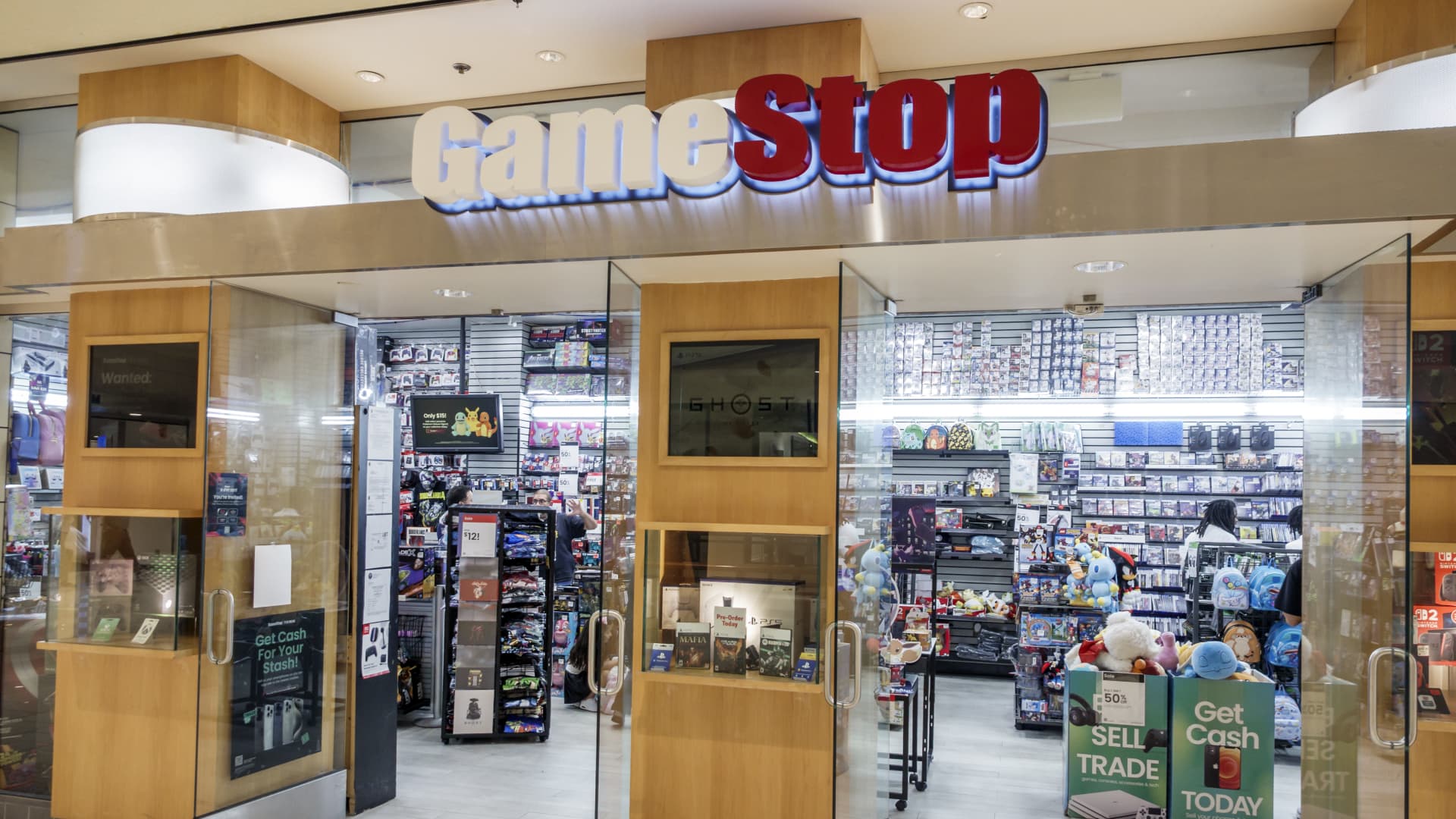
- GameStop and KB Home Reports: GameStop shares rose 7.7% over the past three months but are down 35% from May highs; KB Home shares fell 6.4% in the same period, down 22.5% from September highs, highlighting volatility in the retail and real estate sectors.
See More

Trump Delays Strikes on Iran, Copper Prices Surge

- Copper Price Surge: Following Trump's announcement to delay strikes on Iranian power plants, London Metal Exchange copper futures surged by 3.9%, alleviating market tensions and driving Freeport-McMoRan's stock up by 4.1% in pre-market trading.
- Significant Inventory Drop: According to Mysteel Global, refined copper inventories in China fell by 78,700 tons to 486,200 tons in the week ending Monday, marking the largest weekly drop this year, indicating a potential recovery in demand that could further support copper prices.
- Market Reaction: Trump's comments triggered significant volatility in financial markets, with stock and bond markets rallying while crude oil and the dollar fell, a dynamic that may influence investor confidence in copper and related stocks.
- Copper Price Trends: Prior to Trump's announcement, copper prices had slumped to their lowest level in over three months, experiencing a 6.7% drop, leading to heightened market scrutiny regarding future price movements, especially with signs of recovering demand in China.
See More

Analysis of Tariff Impact on Household Economics

- Increased Household Costs: According to the Yale University Budget Lab, U.S. households are expected to incur an average additional cost of $570 in 2026 due to tariffs, highlighting the direct financial burden on families, particularly affecting lower-income households more severely.
- Income Disparity Impact: Data shows that the bottom 10% of households face an annual tariff cost of $315, representing 0.8% of their after-tax income, while the top 10% incur $1,325, only 0.3%, illustrating the regressive nature of tariffs that disproportionately affect lower earners.
- Consumption Pattern Differences: The structure of household consumption determines the tariff burden, with families purchasing electronics and automobiles facing higher costs, while those leaning towards services are less impacted, indicating the critical role of consumption types in tariff effects.
- Geographical Factors Influence: The cost of living differences based on geographic location lead to uneven tariff burdens; for instance, a 1% price increase in California has a significantly greater financial impact than in Kansas, emphasizing the importance of location in tariff implications.
See More
Newmont and Freeport Shares Decline as Falling Gold Prices Continue to Impact Miners.

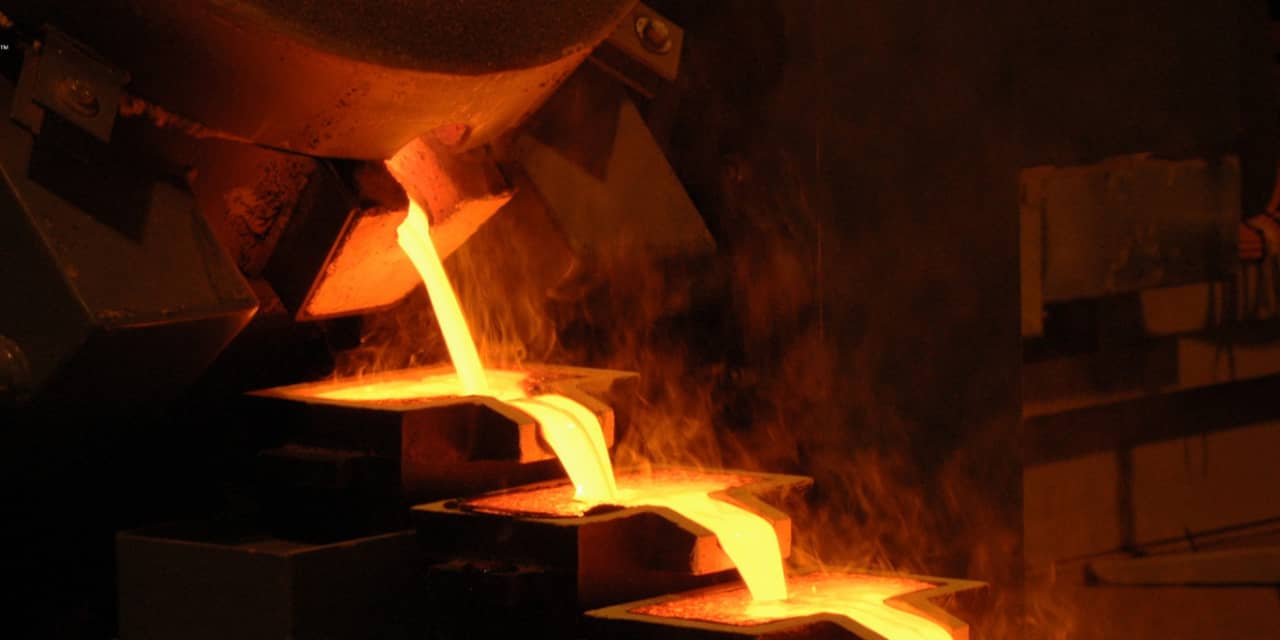
- Geopolitical Uncertainty: Investors typically seek gold as a safe haven during times of geopolitical instability.
- Gold's Performance: Despite this trend, gold has lost its year-to-date gains, negatively impacting mining stocks.
See More
Key Stock Market Movers: Meta, Alibaba, JD.com, GameStop, and Others
- Stock Market Movement: Stock futures were rising on Wednesday, indicating positive investor sentiment.
- Cease-Fire Talks: Investors are hopeful for progress in cease-fire discussions between the U.S. and Iran.
- Middle East Conflict: There is an expectation for a swift resolution to the ongoing war in the Middle East.
- Investor Sentiment: The potential for peace is influencing market trends and investor confidence.
See More
Portfolio Adjustments to Navigate Market Volatility
- Portfolio Rebalancing: Amid recent market volatility, Inside Edge Capital executed three portfolio adjustments, reallocating 2% to the short-term Treasury ETF (BIL) and 5% to the inverse Nasdaq ETF (PSQ) to mitigate potential downside risks.
- Gold Holdings Reduction: Despite heightened tensions in the Middle East typically driving gold demand, Inside Edge Capital has cut its positions in Anglogold Ashanti PLC and Agnico Eagle Mines Ltd within its Strategic Income & Growth portfolio, reflecting a cautious outlook on gold due to rising real interest rates and a strengthening dollar.
- Emerging Markets Exposure Cut: In response to increasing global risk aversion, Inside Edge Capital has reduced its investments in emerging markets, notably cutting its position in Kinross Gold Corp within its more aggressive Tactical Alpha Growth portfolio, indicating diminished confidence in these markets.
- Market Liquidity Shifts: As U.S. interest rates rise and the dollar strengthens, demand for liquidity in emerging markets has decreased, leading to a flow of funds back to the U.S., with Inside Edge Capital suggesting a potential reassessment of investments related to artificial intelligence in the future.
See More
Market Update: Opportunities in Gold and Commodities
- Gold Investment Opportunity: DoubleLine CEO Jeffrey Gundlach indicated a favorable opportunity to invest in gold and commodities at current levels, despite gold futures dropping 16% since the war began, reflecting a strong demand for safe-haven assets in the market.
- Commodity Price Fluctuations: In March, West Texas Intermediate crude futures rose 33% and Brent crude futures increased by 38%, indicating robust demand for energy products, which could drive the performance of related stocks.
- Poor Stock Market Performance: The Nasdaq Composite and S&P 500 indices fell by 3% and 4.3% respectively in March, while the Dow Jones dropped about 5.7%, suggesting weakened investor confidence in stocks, prompting a potential shift towards commodities.
- GameStop and KB Home Reports: GameStop shares rose 7.7% over the past three months but are down 35% from May highs; KB Home shares fell 6.4% in the same period, down 22.5% from September highs, highlighting volatility in the retail and real estate sectors.
See More
Trump Delays Strikes on Iran, Copper Prices Surge
- Copper Price Surge: Following Trump's announcement to delay strikes on Iranian power plants, London Metal Exchange copper futures surged by 3.9%, alleviating market tensions and driving Freeport-McMoRan's stock up by 4.1% in pre-market trading.
- Significant Inventory Drop: According to Mysteel Global, refined copper inventories in China fell by 78,700 tons to 486,200 tons in the week ending Monday, marking the largest weekly drop this year, indicating a potential recovery in demand that could further support copper prices.
- Market Reaction: Trump's comments triggered significant volatility in financial markets, with stock and bond markets rallying while crude oil and the dollar fell, a dynamic that may influence investor confidence in copper and related stocks.
- Copper Price Trends: Prior to Trump's announcement, copper prices had slumped to their lowest level in over three months, experiencing a 6.7% drop, leading to heightened market scrutiny regarding future price movements, especially with signs of recovering demand in China.
See More
Analysis of Tariff Impact on Household Economics
- Increased Household Costs: According to the Yale University Budget Lab, U.S. households are expected to incur an average additional cost of $570 in 2026 due to tariffs, highlighting the direct financial burden on families, particularly affecting lower-income households more severely.
- Income Disparity Impact: Data shows that the bottom 10% of households face an annual tariff cost of $315, representing 0.8% of their after-tax income, while the top 10% incur $1,325, only 0.3%, illustrating the regressive nature of tariffs that disproportionately affect lower earners.
- Consumption Pattern Differences: The structure of household consumption determines the tariff burden, with families purchasing electronics and automobiles facing higher costs, while those leaning towards services are less impacted, indicating the critical role of consumption types in tariff effects.
- Geographical Factors Influence: The cost of living differences based on geographic location lead to uneven tariff burdens; for instance, a 1% price increase in California has a significantly greater financial impact than in Kansas, emphasizing the importance of location in tariff implications.
See More
Newmont and Freeport Shares Decline as Falling Gold Prices Continue to Impact Miners.
- Geopolitical Uncertainty: Investors typically seek gold as a safe haven during times of geopolitical instability.
- Gold's Performance: Despite this trend, gold has lost its year-to-date gains, negatively impacting mining stocks.
See More