Alaska Air Group Rated Among 10 Most Undervalued Industrial Stocks with $77 Price Target
Written by Emily J. Thompson, Senior Investment Analyst
Updated: Jan 24 2026
0mins
Should l Buy ALK?
Source: Yahoo Finance
- Analyst Rating Boost: On January 20, UBS analyst Atul Maheswari maintained a Buy rating for Alaska Air Group (NYSE:ALK) with a $77 price target, indicating strong market confidence and positive expectations for the airline sector.
- Price Target Increase: Prior to this, Susquehanna raised Alaska Air's price target from $52 to $70 while maintaining a Buy rating, highlighting an optimistic fundamental outlook for the airline industry into fiscal year 2026, suggesting significant potential for the company amid industry recovery.
- Long-Term Expansion Plans: Alaska Air advanced its fleet expansion strategy by ordering 53 additional 737-10 aircraft for delivery between 2032 and 2035, demonstrating its commitment to capacity and fleet growth well into the next decade.
- Diverse Revenue Sources: Analysts noted that Alaska Air and select carriers are well-positioned to benefit from diverse revenue streams and strong brand loyalty, indicating a favorable market position as the airline industry recovers.
Trade with 70% Backtested Accuracy
Stop guessing "Should I Buy ALK?" and start using high-conviction signals backed by rigorous historical data.
Sign up today to access powerful investing tools and make smarter, data-driven decisions.
Analyst Views on ALK
Wall Street analysts forecast ALK stock price to rise
11 Analyst Rating
11 Buy
0 Hold
0 Sell
Strong Buy
Current: 41.150

Low
63.00
Averages
71.10
High
80.00
Current: 41.150
Low
63.00
Averages
71.10
High
80.00
About ALK
Alaska Air Group, Inc. is engaged in operating airlines. The Company operates through its subsidiaries Alaska Airlines, Inc., Hawaiian Holdings, Inc., Horizon Air Industries, Inc., and McGee Air Services. The Company's segments include Alaska Airlines, Hawaiian Airlines, and Regional. The Alaska Airlines segment includes scheduled air transportation of passengers and cargo on Boeing 737 (B737), Boeing 787 (B787), Boeing 717 (B717), Airbus A330 (A330), Airbus A321neo (A321neo), and others, throughout North America, Latin America, Asia, and the Pacific. The Regional segment includes Horizon's and other third-party carriers scheduled air transportation on E175 jet aircraft for passengers under capacity purchase agreements (CPAs). The Company serves more than 140 destinations throughout North America, Central America, Asia and across the Pacific. The Company provides freight and mail services (cargo) using both freighter aircraft and the bellies of its passenger aircraft.
About the author

Emily J. Thompson
Emily J. Thompson, a Chartered Financial Analyst (CFA) with 12 years in investment research, graduated with honors from the Wharton School. Specializing in industrial and technology stocks, she provides in-depth analysis for Intellectia’s earnings and market brief reports.
Alaska Air Set to Announce Q1 Earnings on April 20

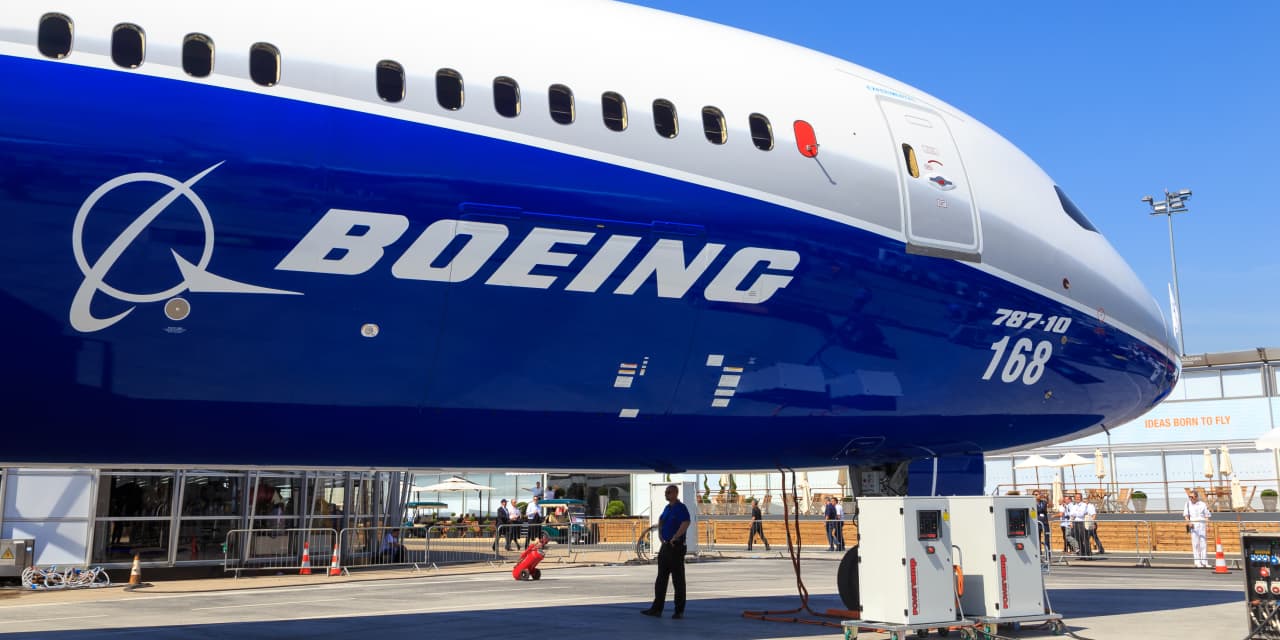
- Earnings Announcement: Alaska Air (ALK) is set to release its Q1 2023 earnings on April 20 after market close, with a consensus EPS estimate of -$1.55, reflecting a significant 101.3% year-over-year decline, indicating substantial profitability challenges ahead.
- Revenue Expectations: The anticipated revenue for Q1 is $3.29 billion, representing a 4.8% year-over-year increase, although this growth is overshadowed by ongoing profitability concerns, highlighting intensified competition and macroeconomic risks in the airline industry.
- Historical Performance: Over the past two years, Alaska Air has exceeded EPS estimates 75% of the time and revenue estimates 63% of the time, yet recent EPS estimates have seen one upward revision and nine downward revisions, indicating analyst uncertainty regarding the company's future performance.
- Market Analysis: Recent analyst ratings for Alaska Air have been downgraded twice, primarily due to rising oil prices and macroeconomic risks, reflecting market concerns about potential consolidation in the airline industry and the associated uncertainties.
See More
Jim Cramer Analyzes Market Rally Dynamics

- Remarkable Market Rally: Jim Cramer described this week's market rally as one of the most 'remarkable' he has ever seen, with the S&P 500 rising 1.2% and the Nasdaq gaining 1.5%, reflecting strong market resilience amid easing tensions in the Middle East.
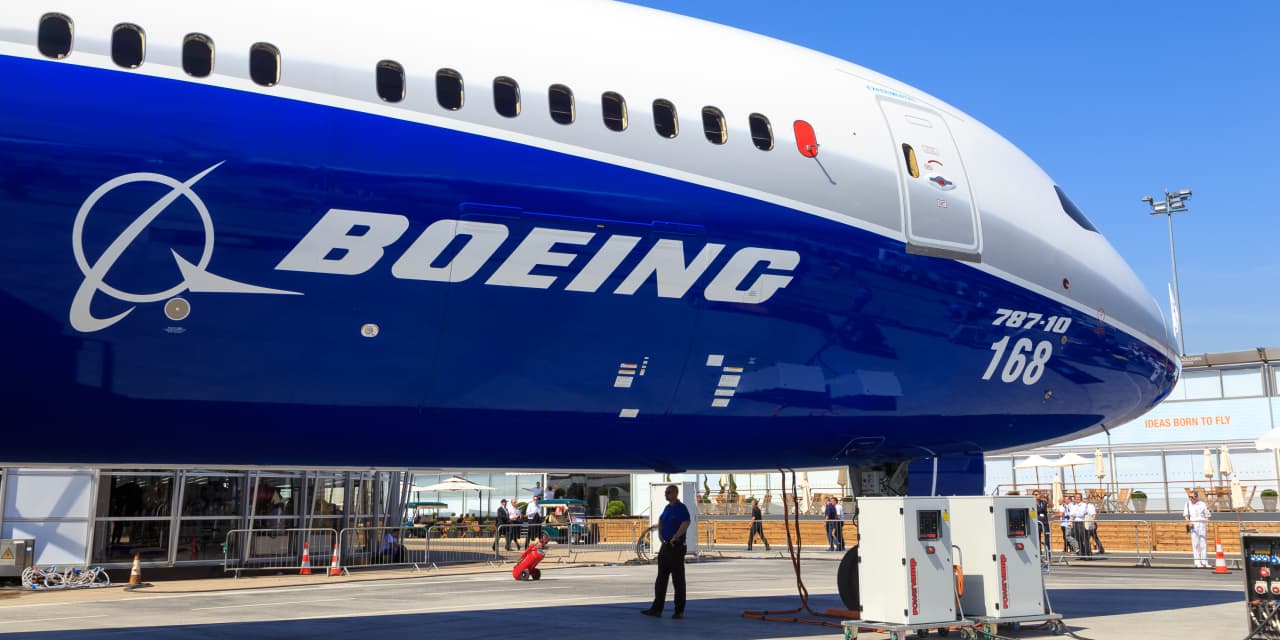
- Key Earnings Week: Cramer highlighted that the upcoming week features several important earnings reports, including Alaska Airlines and Boeing, which are expected to significantly impact market trends, particularly with potential merger activity in the airline sector as the prospect of war ending improves.
- Investor Focus: Cramer specifically noted that Tesla's earnings report will be a focal point for investors, as interest in its autonomy and robotics technologies is growing despite pressures on core auto sales, which could influence stock performance.
- Defensive Investment Strategy: Cramer advised adopting a defensive investment strategy ahead of earnings from American Express and Procter & Gamble, especially given expectations of weak performance, suggesting these stocks remain attractive defensive investment options.
See More

US Stocks Surge as Oil Prices Plunge Amid Peace Talks

- Market Rally: The S&P 500 rose 1.20% and the Nasdaq 100 increased by 1.29%, reaching all-time highs, reflecting investor optimism regarding US-Iran peace talks, which may enhance risk appetite in the markets.
- Oil Price Plunge: WTI crude prices fell over 11% to a five-week low after Iran announced the Strait of Hormuz is fully open, easing inflation concerns and causing the 10-year T-note yield to drop 7 basis points to 4.24%.
- Strong Earnings Season: The earnings season started robustly, with 81% of the 48 S&P 500 companies reporting Q1 earnings exceeding estimates, projecting a 12% year-over-year increase in earnings, providing strong support for the stock market.
- Airline Stocks Surge: Airline stocks surged as fuel costs decreased, with Alaska Air Group (ALK) rising over 10% and Royal Caribbean Cruises Ltd (RCL) up more than 7%, indicating market confidence in the recovery of the airline industry.
See More

Middle East Calm Fuels Market Rally


- Market Surge: The major indices experienced a significant rally on Friday, with the Dow Jones Industrial Average soaring 869 points, or 1.7%, while the S&P 500 and Nasdaq gained 1.2% and 1.5%, respectively, indicating a robust market rebound and restored investor confidence due to easing tensions in the Middle East.
- Nasdaq Winning Streak: The Nasdaq extended its winning streak to 13 sessions, marking its longest consecutive rise since 1992, which highlights the pivotal role of tech stocks in the market recovery and their ability to attract substantial investor interest.
- Upcoming Earnings Outlook: With the earnings season approaching, companies like Alaska Air, RTX, Boeing, and Tesla are set to be in the spotlight, and Cramer believes their performances could play a crucial role in future market dynamics, especially with the potential revival of merger activities in the airline sector.
- Defensive Investment Strategy: Cramer advises investors to focus on defensive stocks such as Procter & Gamble, which, despite expectations of a weak quarter, is viewed as an attractive and cheaper option in the consumer staples sector, reflecting a strategic response to market uncertainties.
See More

US Stocks Rally as Oil Prices Plunge Amid Peace Talks
- Market Surge: The S&P 500 rose by 1.28% and the Nasdaq 100 reached an all-time high, reflecting investor optimism driven by peace talks between the US and Iran, which may enhance risk appetite and bolster overall market confidence.
- Oil Price Plunge: WTI crude oil prices fell over 13% to a five-week low after the Strait of Hormuz reopened, easing inflation concerns and causing the 10-year Treasury yield to drop by 8 basis points, further supporting the bond market.
- Earnings Growth Expectations: Q1 earnings for the S&P 500 are projected to increase by 12% year-over-year, although excluding the tech sector, growth is only 3%, indicating resilience in corporate performance amid economic recovery and providing market support.
- Airline Stocks Soar: With reduced fuel costs, Alaska Air Group and United Airlines surged by over 14% and 11%, respectively, demonstrating the positive impact of falling oil prices on the airline industry, which could enhance profitability for related companies.
See More

US Stocks Rise as Oil Prices Plunge
- Market Highs: The S&P 500 rose by 0.87% and the Nasdaq 100 reached an all-time high, reflecting growing investor optimism regarding a potential US-Iran peace deal, which may enhance risk appetite and further boost stock market momentum.
- Oil Price Plunge: WTI crude prices fell over 10% after Iran announced the Strait of Hormuz is now fully open for commercial shipping, easing inflation concerns and contributing to a 6 basis point drop in the 10-year Treasury yield, which invigorates the bond market.
- Earnings Optimism: Q1 earnings for the S&P 500 are projected to increase by 12% year-over-year, although excluding the tech sector, growth is only expected at 3%, yet this overall positive outlook may attract more investor interest and bolster market confidence.
- Airline Stocks Surge: With reduced fuel costs, United Airlines (UAL) shares surged over 10%, while other airlines like Royal Caribbean (RCL) and Alaska Air (ALK) also saw significant gains, indicating strong market confidence in the recovery of the airline industry.
See More
Alaska Air Set to Announce Q1 Earnings on April 20
- Earnings Announcement: Alaska Air (ALK) is set to release its Q1 2023 earnings on April 20 after market close, with a consensus EPS estimate of -$1.55, reflecting a significant 101.3% year-over-year decline, indicating substantial profitability challenges ahead.
- Revenue Expectations: The anticipated revenue for Q1 is $3.29 billion, representing a 4.8% year-over-year increase, although this growth is overshadowed by ongoing profitability concerns, highlighting intensified competition and macroeconomic risks in the airline industry.
- Historical Performance: Over the past two years, Alaska Air has exceeded EPS estimates 75% of the time and revenue estimates 63% of the time, yet recent EPS estimates have seen one upward revision and nine downward revisions, indicating analyst uncertainty regarding the company's future performance.
- Market Analysis: Recent analyst ratings for Alaska Air have been downgraded twice, primarily due to rising oil prices and macroeconomic risks, reflecting market concerns about potential consolidation in the airline industry and the associated uncertainties.
See More
Jim Cramer Analyzes Market Rally Dynamics
- Remarkable Market Rally: Jim Cramer described this week's market rally as one of the most 'remarkable' he has ever seen, with the S&P 500 rising 1.2% and the Nasdaq gaining 1.5%, reflecting strong market resilience amid easing tensions in the Middle East.
- Key Earnings Week: Cramer highlighted that the upcoming week features several important earnings reports, including Alaska Airlines and Boeing, which are expected to significantly impact market trends, particularly with potential merger activity in the airline sector as the prospect of war ending improves.
- Investor Focus: Cramer specifically noted that Tesla's earnings report will be a focal point for investors, as interest in its autonomy and robotics technologies is growing despite pressures on core auto sales, which could influence stock performance.
- Defensive Investment Strategy: Cramer advised adopting a defensive investment strategy ahead of earnings from American Express and Procter & Gamble, especially given expectations of weak performance, suggesting these stocks remain attractive defensive investment options.
See More
US Stocks Surge as Oil Prices Plunge Amid Peace Talks
- Market Rally: The S&P 500 rose 1.20% and the Nasdaq 100 increased by 1.29%, reaching all-time highs, reflecting investor optimism regarding US-Iran peace talks, which may enhance risk appetite in the markets.
- Oil Price Plunge: WTI crude prices fell over 11% to a five-week low after Iran announced the Strait of Hormuz is fully open, easing inflation concerns and causing the 10-year T-note yield to drop 7 basis points to 4.24%.
- Strong Earnings Season: The earnings season started robustly, with 81% of the 48 S&P 500 companies reporting Q1 earnings exceeding estimates, projecting a 12% year-over-year increase in earnings, providing strong support for the stock market.
- Airline Stocks Surge: Airline stocks surged as fuel costs decreased, with Alaska Air Group (ALK) rising over 10% and Royal Caribbean Cruises Ltd (RCL) up more than 7%, indicating market confidence in the recovery of the airline industry.
See More
Middle East Calm Fuels Market Rally
- Market Surge: The major indices experienced a significant rally on Friday, with the Dow Jones Industrial Average soaring 869 points, or 1.7%, while the S&P 500 and Nasdaq gained 1.2% and 1.5%, respectively, indicating a robust market rebound and restored investor confidence due to easing tensions in the Middle East.
- Nasdaq Winning Streak: The Nasdaq extended its winning streak to 13 sessions, marking its longest consecutive rise since 1992, which highlights the pivotal role of tech stocks in the market recovery and their ability to attract substantial investor interest.
- Upcoming Earnings Outlook: With the earnings season approaching, companies like Alaska Air, RTX, Boeing, and Tesla are set to be in the spotlight, and Cramer believes their performances could play a crucial role in future market dynamics, especially with the potential revival of merger activities in the airline sector.
- Defensive Investment Strategy: Cramer advises investors to focus on defensive stocks such as Procter & Gamble, which, despite expectations of a weak quarter, is viewed as an attractive and cheaper option in the consumer staples sector, reflecting a strategic response to market uncertainties.
See More
US Stocks Rally as Oil Prices Plunge Amid Peace Talks
- Market Surge: The S&P 500 rose by 1.28% and the Nasdaq 100 reached an all-time high, reflecting investor optimism driven by peace talks between the US and Iran, which may enhance risk appetite and bolster overall market confidence.
- Oil Price Plunge: WTI crude oil prices fell over 13% to a five-week low after the Strait of Hormuz reopened, easing inflation concerns and causing the 10-year Treasury yield to drop by 8 basis points, further supporting the bond market.
- Earnings Growth Expectations: Q1 earnings for the S&P 500 are projected to increase by 12% year-over-year, although excluding the tech sector, growth is only 3%, indicating resilience in corporate performance amid economic recovery and providing market support.
- Airline Stocks Soar: With reduced fuel costs, Alaska Air Group and United Airlines surged by over 14% and 11%, respectively, demonstrating the positive impact of falling oil prices on the airline industry, which could enhance profitability for related companies.
See More
US Stocks Rise as Oil Prices Plunge
- Market Highs: The S&P 500 rose by 0.87% and the Nasdaq 100 reached an all-time high, reflecting growing investor optimism regarding a potential US-Iran peace deal, which may enhance risk appetite and further boost stock market momentum.
- Oil Price Plunge: WTI crude prices fell over 10% after Iran announced the Strait of Hormuz is now fully open for commercial shipping, easing inflation concerns and contributing to a 6 basis point drop in the 10-year Treasury yield, which invigorates the bond market.
- Earnings Optimism: Q1 earnings for the S&P 500 are projected to increase by 12% year-over-year, although excluding the tech sector, growth is only expected at 3%, yet this overall positive outlook may attract more investor interest and bolster market confidence.
- Airline Stocks Surge: With reduced fuel costs, United Airlines (UAL) shares surged over 10%, while other airlines like Royal Caribbean (RCL) and Alaska Air (ALK) also saw significant gains, indicating strong market confidence in the recovery of the airline industry.
See More