Airline Executives Urge Congress to Resolve Government Shutdown
Written by Emily J. Thompson, Senior Investment Analyst
Updated: 1 hour ago
0mins
Source: seekingalpha
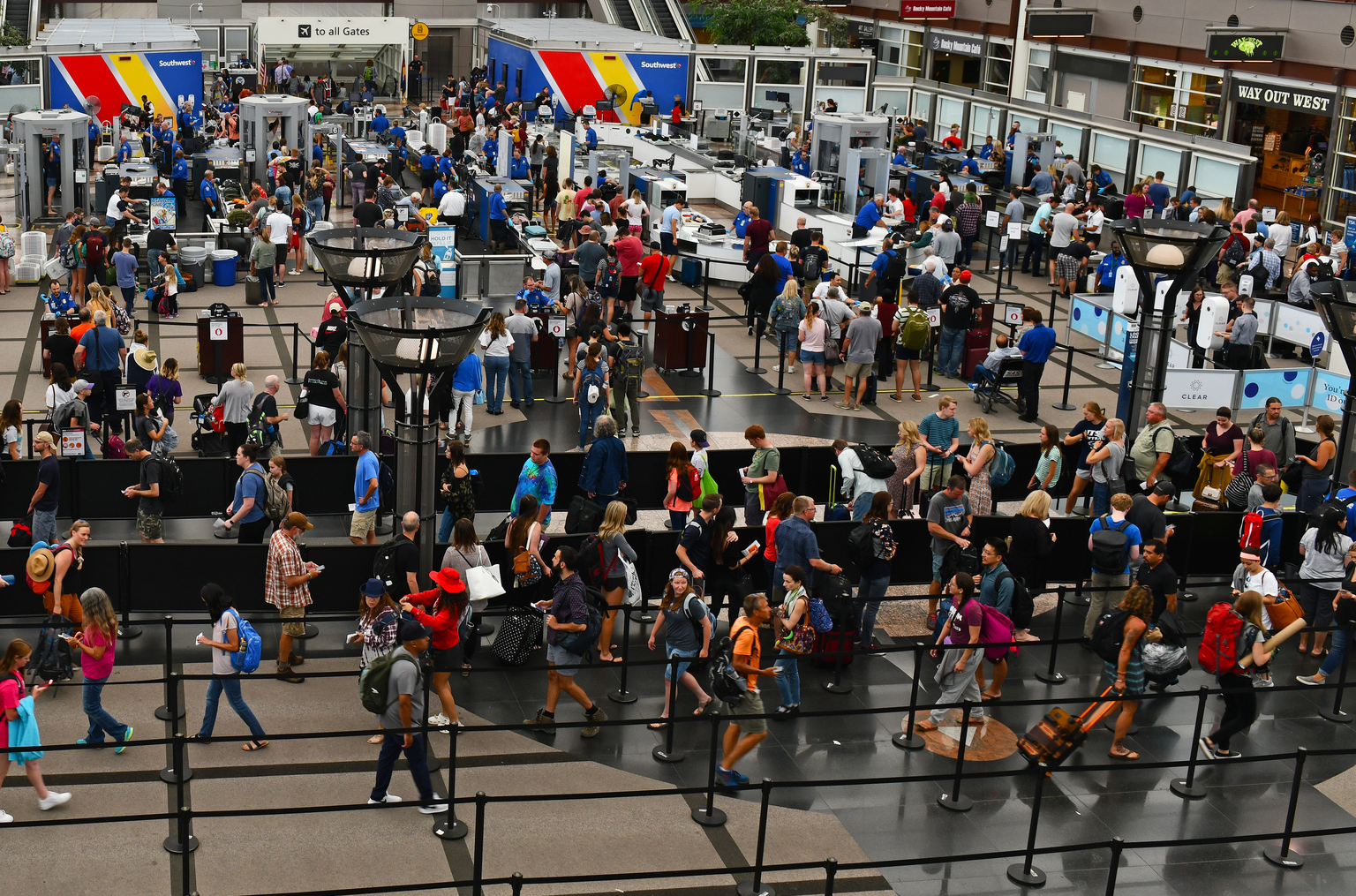
- Security Delays: The ongoing government shutdown has forced approximately 50,000 TSA officers to work without pay, resulting in significantly longer wait times at airport security checkpoints, with some airports reporting delays exceeding two hours, which could disrupt the upcoming spring travel season.
- Industry Legislative Appeal: Executives from major U.S. airlines have urged Congress in an open letter to quickly reach an agreement to ensure that critical aviation personnel are paid during future budget standoffs, aiming to prevent further disruptions to aviation operations.
- Rising Passenger Frustration: Airline leaders highlighted that travelers are increasingly frustrated with the repeated disruptions caused by government shutdowns, as long security lines and flight delays tarnish the travel experience, potentially harming airline reputations and customer satisfaction.
- Increased Flight Demand: With an expected 171 million passengers traveling during the spring season, a 4% increase from last year, airlines are under pressure to manage operations effectively amidst security delays, which could impact overall revenue and operational efficiency.
Trade with 70% Backtested Accuracy
Stop guessing "Should I Buy AAL?" and start using high-conviction signals backed by rigorous historical data.
Sign up today to access powerful investing tools and make smarter, data-driven decisions.
Analyst Views on AAL
Wall Street analysts forecast AAL stock price to rise
15 Analyst Rating
7 Buy
7 Hold
1 Sell
Moderate Buy
Current: 10.550

Low
11.00
Averages
17.93
High
22.00
Current: 10.550
Low
11.00
Averages
17.93
High
22.00
About AAL
American Airlines Group Inc. is a holding company. Its primary business activity is the operation of a major network air carrier, providing scheduled air transportation for passengers and cargo through its hubs in Charlotte, Chicago, Dallas/Fort Worth, Los Angeles, Miami, New York, Philadelphia, Phoenix and Washington, D.C. and partner gateways, including in London, Doha, Madrid, Seattle/Tacoma, Sydney and Tokyo, among others. Together with its regional airline subsidiaries and third-party regional carriers operating as American Eagle. Its cargo division provides a wide range of freight and mail services, with facilities and interline connections available across the globe. It operates approximately 977 mainline aircraft supported by its regional airline subsidiaries and third-party regional carriers, which together operate an additional 585 regional aircraft. Its subsidiaries include American Airlines, Inc., Envoy Aviation Group Inc., PSA Airlines, Inc. and Piedmont Airlines, Inc.
About the author

Emily J. Thompson
Emily J. Thompson, a Chartered Financial Analyst (CFA) with 12 years in investment research, graduated with honors from the Wharton School. Specializing in industrial and technology stocks, she provides in-depth analysis for Intellectia’s earnings and market brief reports.
Airline Executives Urge Congress to Resolve Government Shutdown

- Security Delays: The ongoing government shutdown has forced approximately 50,000 TSA officers to work without pay, resulting in significantly longer wait times at airport security checkpoints, with some airports reporting delays exceeding two hours, which could disrupt the upcoming spring travel season.
- Industry Legislative Appeal: Executives from major U.S. airlines have urged Congress in an open letter to quickly reach an agreement to ensure that critical aviation personnel are paid during future budget standoffs, aiming to prevent further disruptions to aviation operations.
- Rising Passenger Frustration: Airline leaders highlighted that travelers are increasingly frustrated with the repeated disruptions caused by government shutdowns, as long security lines and flight delays tarnish the travel experience, potentially harming airline reputations and customer satisfaction.
- Increased Flight Demand: With an expected 171 million passengers traveling during the spring season, a 4% increase from last year, airlines are under pressure to manage operations effectively amidst security delays, which could impact overall revenue and operational efficiency.
See More

Procter & Gamble Earnings Analysis and Market Outlook

- Earnings Performance: Procter & Gamble reported Q2 earnings per share of $1.88, up from $1.78 year-over-year, although revenue of $22.21 billion fell short of the $22.28 billion expected by analysts, raising concerns about market performance.
- Market Reaction: Despite the revenue miss, P&G's stock rallied post-earnings, with the CFO indicating that the company has completed what is expected to be the softest quarter of the fiscal year, suggesting sustained investor confidence that may attract more risk-averse investors.
- Brand Strength: P&G boasts a portfolio of well-known brands such as Pampers, Tide, and Gillette, which continue to see stable demand even amid economic uncertainty, enhancing the company's competitive position in the market.
- Industry Context: Amid rising tensions in the Middle East, P&G's household goods business remains largely unaffected, potentially benefiting from a market shift towards safer assets, thereby further de-risking ownership of the company.
See More

Market Risk Aversion Rises, Investors Shift to Defensive Stocks
- Market Sentiment Shift: The S&P 500 has been making lower highs and lows since late January, reflecting a growing risk-off attitude among investors due to escalating concerns over the Middle East conflict, which may lead to overall market weakness.
- Procter & Gamble's Performance: Despite Procter & Gamble's (PG) Q2 revenue missing estimates at $22.21 billion, below the expected $22.28 billion, its earnings per share of $1.88 exceeded last year's $1.78, demonstrating resilience in an uncertain market.
- Nice's Resilience: Nice (NICE), which provides AI-powered customer service solutions, reported nearly $3 billion in revenue last year, an 8% year-over-year increase, indicating strong customer demand for its technology despite recent stock price declines.
- Berkshire Hathaway's Safety: Berkshire Hathaway (BRK.A) offers significant safety in uncertain markets, with about one-third of its market cap derived from privately held businesses that continue to generate cash flow regardless of economic conditions, bolstering investor confidence.
See More
US Airlines Face Demand Risks Amid Shutdown

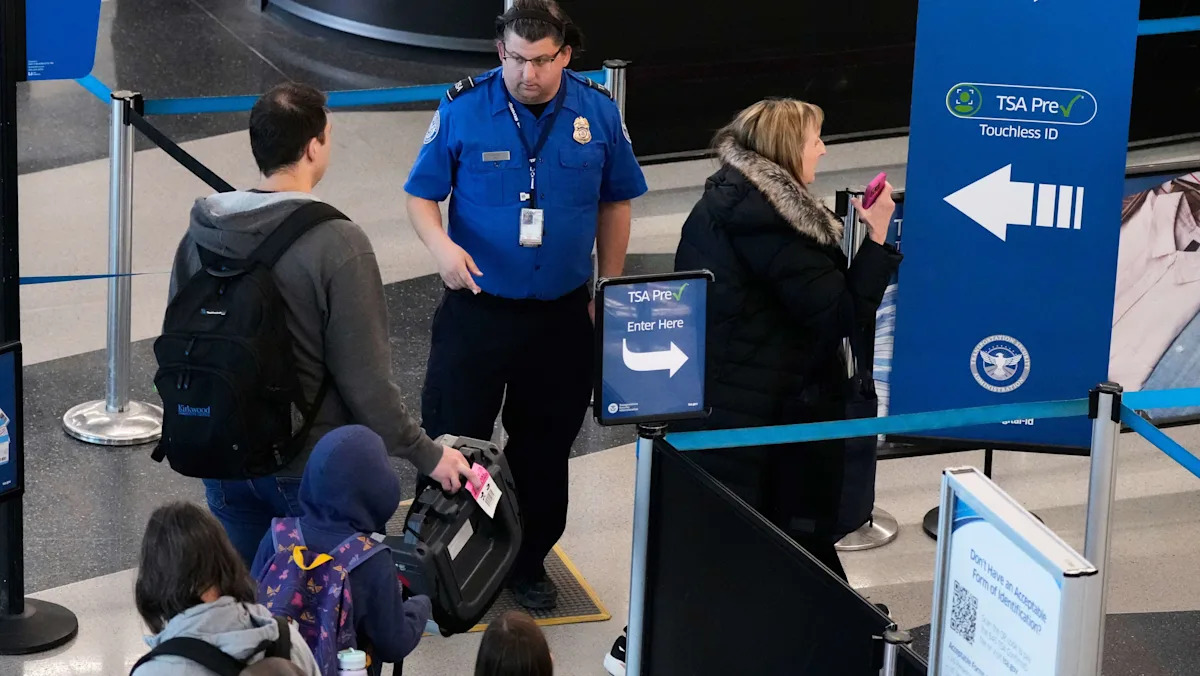
- Security Delays Impact: The partial government shutdown has caused massive slowdowns at TSA checkpoints in major airports, leading travelers to potentially opt for driving instead of flying, negatively affecting airline demand.
- Economic Impact Evident: Airlines experienced a 43-day shutdown in Q4, with reports indicating that this event has had a measurable impact on earnings, highlighting the increasing economic pressure on the aviation sector.
- Emotional Factors Affect Stock Prices: Experts note that market sentiment is also reflected in airline stock prices, and if the situation calms down, a rebound in share prices may occur; however, the current demand stagnation poses challenges for the industry's outlook.
- Demand Trend Uncertainty: With security delays and global entry restrictions, the future trends of airline demand have become increasingly uncertain, potentially leading consumers to be more cautious in their travel choices, further impacting airline performance.
See More

Cuba and US Restart Talks Amid Economic Crisis


- Economic Crisis Intensifies: Cuba is facing a severe economic crisis exacerbated by the U.S. oil blockade imposed since January, which has strained energy supplies and impacted livelihoods and economic recovery.
- Dialogue Resumption: President Miguel Díaz-Canel confirmed talks with the Trump administration aimed at resolving bilateral differences through dialogue, indicating a willingness to seek diplomatic solutions amidst the crisis.
- Influence of International Factors: Díaz-Canel noted that international factors have facilitated exchanges between the two nations, suggesting that external dynamics are significantly influencing Cuba's diplomatic strategies and future policy directions.
- Lengthy Negotiation Process: The president warned that negotiations are lengthy processes requiring willingness and channels for dialogue, emphasizing the complexity and time needed to resolve the issues at hand.
See More

US Stocks Plummet as Oil Prices Surge Amid Iran Conflict


- Oil Price Surge Impacts Markets: WTI crude oil prices soared over 9% on Thursday due to fears surrounding the Iran conflict, leading the S&P 500 to drop 1.52%, the Dow Jones by 1.56%, and the Nasdaq 100 by 1.73%, indicating heightened market anxiety over rising inflation.
- Bank Stocks Under Pressure: Morgan Stanley and Cliffwater LLC capped withdrawals from their private credit funds amid high investor redemption requests, causing Ares Management to fall over 6% and Goldman Sachs to drop more than 4%, reflecting growing concerns about credit quality in the market.
- Mixed Economic Data: Initial jobless claims in the US fell to 213,000, better than the expected 215,000, indicating labor market strength; however, January building permits fell 5.4% to 1.376 million, suggesting potential slowdowns in future construction activity, which could dampen market confidence.
- International Tensions Affecting Outlook: Comments from Iran's Supreme Leader heightened concerns about ongoing tensions in the Middle East, with expectations that if the situation remains tense, global oil supply could decrease by 8 million barrels per day, further driving up oil prices and potentially leading to a global economic slowdown.
See More
Airline Executives Urge Congress to Resolve Government Shutdown
- Security Delays: The ongoing government shutdown has forced approximately 50,000 TSA officers to work without pay, resulting in significantly longer wait times at airport security checkpoints, with some airports reporting delays exceeding two hours, which could disrupt the upcoming spring travel season.
- Industry Legislative Appeal: Executives from major U.S. airlines have urged Congress in an open letter to quickly reach an agreement to ensure that critical aviation personnel are paid during future budget standoffs, aiming to prevent further disruptions to aviation operations.
- Rising Passenger Frustration: Airline leaders highlighted that travelers are increasingly frustrated with the repeated disruptions caused by government shutdowns, as long security lines and flight delays tarnish the travel experience, potentially harming airline reputations and customer satisfaction.
- Increased Flight Demand: With an expected 171 million passengers traveling during the spring season, a 4% increase from last year, airlines are under pressure to manage operations effectively amidst security delays, which could impact overall revenue and operational efficiency.
See More
Procter & Gamble Earnings Analysis and Market Outlook
- Earnings Performance: Procter & Gamble reported Q2 earnings per share of $1.88, up from $1.78 year-over-year, although revenue of $22.21 billion fell short of the $22.28 billion expected by analysts, raising concerns about market performance.
- Market Reaction: Despite the revenue miss, P&G's stock rallied post-earnings, with the CFO indicating that the company has completed what is expected to be the softest quarter of the fiscal year, suggesting sustained investor confidence that may attract more risk-averse investors.
- Brand Strength: P&G boasts a portfolio of well-known brands such as Pampers, Tide, and Gillette, which continue to see stable demand even amid economic uncertainty, enhancing the company's competitive position in the market.
- Industry Context: Amid rising tensions in the Middle East, P&G's household goods business remains largely unaffected, potentially benefiting from a market shift towards safer assets, thereby further de-risking ownership of the company.
See More
Market Risk Aversion Rises, Investors Shift to Defensive Stocks
- Market Sentiment Shift: The S&P 500 has been making lower highs and lows since late January, reflecting a growing risk-off attitude among investors due to escalating concerns over the Middle East conflict, which may lead to overall market weakness.
- Procter & Gamble's Performance: Despite Procter & Gamble's (PG) Q2 revenue missing estimates at $22.21 billion, below the expected $22.28 billion, its earnings per share of $1.88 exceeded last year's $1.78, demonstrating resilience in an uncertain market.
- Nice's Resilience: Nice (NICE), which provides AI-powered customer service solutions, reported nearly $3 billion in revenue last year, an 8% year-over-year increase, indicating strong customer demand for its technology despite recent stock price declines.
- Berkshire Hathaway's Safety: Berkshire Hathaway (BRK.A) offers significant safety in uncertain markets, with about one-third of its market cap derived from privately held businesses that continue to generate cash flow regardless of economic conditions, bolstering investor confidence.
See More
US Airlines Face Demand Risks Amid Shutdown
- Security Delays Impact: The partial government shutdown has caused massive slowdowns at TSA checkpoints in major airports, leading travelers to potentially opt for driving instead of flying, negatively affecting airline demand.
- Economic Impact Evident: Airlines experienced a 43-day shutdown in Q4, with reports indicating that this event has had a measurable impact on earnings, highlighting the increasing economic pressure on the aviation sector.
- Emotional Factors Affect Stock Prices: Experts note that market sentiment is also reflected in airline stock prices, and if the situation calms down, a rebound in share prices may occur; however, the current demand stagnation poses challenges for the industry's outlook.
- Demand Trend Uncertainty: With security delays and global entry restrictions, the future trends of airline demand have become increasingly uncertain, potentially leading consumers to be more cautious in their travel choices, further impacting airline performance.
See More
Cuba and US Restart Talks Amid Economic Crisis
- Economic Crisis Intensifies: Cuba is facing a severe economic crisis exacerbated by the U.S. oil blockade imposed since January, which has strained energy supplies and impacted livelihoods and economic recovery.
- Dialogue Resumption: President Miguel Díaz-Canel confirmed talks with the Trump administration aimed at resolving bilateral differences through dialogue, indicating a willingness to seek diplomatic solutions amidst the crisis.
- Influence of International Factors: Díaz-Canel noted that international factors have facilitated exchanges between the two nations, suggesting that external dynamics are significantly influencing Cuba's diplomatic strategies and future policy directions.
- Lengthy Negotiation Process: The president warned that negotiations are lengthy processes requiring willingness and channels for dialogue, emphasizing the complexity and time needed to resolve the issues at hand.
See More
US Stocks Plummet as Oil Prices Surge Amid Iran Conflict
- Oil Price Surge Impacts Markets: WTI crude oil prices soared over 9% on Thursday due to fears surrounding the Iran conflict, leading the S&P 500 to drop 1.52%, the Dow Jones by 1.56%, and the Nasdaq 100 by 1.73%, indicating heightened market anxiety over rising inflation.
- Bank Stocks Under Pressure: Morgan Stanley and Cliffwater LLC capped withdrawals from their private credit funds amid high investor redemption requests, causing Ares Management to fall over 6% and Goldman Sachs to drop more than 4%, reflecting growing concerns about credit quality in the market.
- Mixed Economic Data: Initial jobless claims in the US fell to 213,000, better than the expected 215,000, indicating labor market strength; however, January building permits fell 5.4% to 1.376 million, suggesting potential slowdowns in future construction activity, which could dampen market confidence.
- International Tensions Affecting Outlook: Comments from Iran's Supreme Leader heightened concerns about ongoing tensions in the Middle East, with expectations that if the situation remains tense, global oil supply could decrease by 8 million barrels per day, further driving up oil prices and potentially leading to a global economic slowdown.
See More