Comparing Long-Term Investment Potential: GE Vernova vs First Solar
Written by Emily J. Thompson, Senior Investment Analyst
Updated: Mar 15 2026
0mins
Should l Buy GEV?
Source: Fool
- GE Vernova Growth Performance: In 2025, GE Vernova achieved $59.3 billion in orders and $38.1 billion in revenue, supported by a $31.2 billion backlog, showcasing strong demand in AI and industrial electrification, with projected revenue growth to $44-$45 billion in 2026 despite a $400 million EBITDA loss in its wind segment.
- Dividend and Buyback Strategy: GE Vernova recently doubled its dividend to $0.50 and authorized additional share repurchases, reflecting the company's confidence in future growth while enhancing shareholder returns, thereby attracting long-term investors.
- First Solar Sales Growth: First Solar experienced a 24% increase in third-party module volume in 2025, with net sales rising from $4.2 billion to $5.2 billion, and despite a recent stock decline, it remains up 50% over the past 12 months, demonstrating its competitiveness in the solar market.
- Policy Risk Impact: First Solar faces concerns over flat growth guidance for 2026, compounded by increased governmental policy risks, particularly with the shortening of the federal clean energy tax credit window, which may adversely affect its future performance and investor sentiment.
Trade with 70% Backtested Accuracy
Stop guessing "Should I Buy GEV?" and start using high-conviction signals backed by rigorous historical data.
Sign up today to access powerful investing tools and make smarter, data-driven decisions.
Analyst Views on GEV
Wall Street analysts forecast GEV stock price to fall
24 Analyst Rating
20 Buy
4 Hold
0 Sell
Strong Buy
Current: 894.780

Low
714.00
Averages
858.23
High
1087
Current: 894.780
Low
714.00
Averages
858.23
High
1087
About GEV
GE Vernova Inc. is a purpose-built global energy company that includes Power, Wind, and Electrification segments and is supported by its accelerator businesses. It designs, manufactures, delivers, and services technologies to create a sustainable electric power system, enabling electrification and decarbonization. Power segment includes the design, manufacture, and servicing of gas, nuclear, hydro, and steam technologies, providing a critical foundation of dispatchable, flexible, stable, and reliable power. Wind segment includes its wind generation technologies, inclusive of onshore and offshore wind turbines and blades. Electrification segment includes grid solutions, power conversion and storage, and electrification software technologies required for the transmission, distribution, conversion, storage, and orchestration of electricity from point of generation to point of consumption. Its accelerator business includes advanced research, consulting services and financial services.
About the author

Emily J. Thompson
Emily J. Thompson, a Chartered Financial Analyst (CFA) with 12 years in investment research, graduated with honors from the Wharton School. Specializing in industrial and technology stocks, she provides in-depth analysis for Intellectia’s earnings and market brief reports.

Brookfield Renewable's Green Energy Business Thrives Amid AI Demand

- Renewable Energy Growth: Brookfield Renewable operated 47 GW of renewable capacity by the end of 2025 and has over 200 GW of projects in development, indicating strong growth potential in the green energy market, with further expansion expected through long-term contracts with hyperscalers like Microsoft and Google.
- Financial Performance Outlook: Analysts project Brookfield's revenue and adjusted EBITDA to grow at CAGRs of 22% and 6% respectively from 2025 to 2028, reflecting its profitability and competitive edge in the green energy sector, with an enterprise value of $58.4 billion still appearing relatively cheap at 15 times this year's adjusted EBITDA.
- GE Vernova's Market Performance: Since its spin-off in 2024, GE Vernova's stock has surged nearly eightfold, with double-digit growth in its Power and Electrification orders in 2025 driven by the expansion of cloud and AI markets, highlighting its critical role in energy transition.
- Future Growth Potential: Analysts expect GE Vernova's revenue and adjusted EBITDA to increase at CAGRs of 15% and 55% from 2025 to 2028, and despite its enterprise value of $233 billion and a meager forward yield of 0.2%, its potential to meet future energy demands makes it a compelling investment for investors.
See More

Utility Stocks Poised for Growth Amid AI Demand
- Brookfield Renewable Growth: As of the end of 2025, Brookfield Renewable operates 47 GW of renewable capacity with over 200 GW in development, and analysts project a 22% CAGR in revenue from 2025 to 2028, highlighting its strong growth potential in the green energy market.
- Long-Term Contract Advantage: Brookfield has secured long-term renewable power agreements with hyperscalers like Microsoft and Google, and as the cloud and AI markets expand, it is expected to gain more contracts, enhancing its market competitiveness and revenue stability.
- GE Vernova's Rapid Surge: Since its spin-off in 2024, GE Vernova's stock has surged nearly eightfold, with analysts forecasting a 15% CAGR in revenue from 2025 to 2028, primarily driven by the expansion of cloud computing and AI markets, prompting utilities to accelerate electrification.
- Power and Electrification Order Growth: GE Vernova has seen double-digit growth in its Power and Electrification orders over the past two years, indicating strong market demand and growth potential, despite slower growth in its wind segment.
See More

Two Utility Stocks Worth Buying This Month

- Brookfield Renewable Growth: As of the end of 2025, Brookfield Renewable operates 47 GW of renewable capacity and has over 200 GW of projects in development, with expected revenue CAGR of 22% from 2025 to 2028, indicating strong growth potential in the green energy market.
- Long-Term Contract Benefits: Brookfield has secured long-term renewable power agreements with hyperscalers like Microsoft and Google, incorporating inflation escalators in contracts to maintain profitability amid inflation, thereby reinforcing its market position.
- Rapid Growth of GE Vernova: Since its spin-off in 2024, GE Vernova's stock has surged nearly eightfold, with projected revenue CAGR of 15% and adjusted EBITDA CAGR of 55% from 2025 to 2028, reflecting strong demand in the power and electrification sectors.
- Demand-Driven Market Expansion: GE Vernova's Power and Electrification orders have seen double-digit growth over the past two years, driven by the expansion of cloud computing and AI markets, although its wind segment grows slower, the overall business will benefit from surging electricity demand.
See More
Market Volatility and Surge in Oil Prices


- Surge in Oil Prices: President Trump's address indicated a hardline U.S. stance on Iran, causing WTI crude prices to exceed $110 per barrel, reflecting market concerns over Middle Eastern tensions that could impact global economic recovery.
- Brief Market Rebound: Despite rising oil prices, stocks briefly turned positive due to reports of Iran drafting a plan with Oman to monitor the Strait of Hormuz, yet this rebound was short-lived, highlighting the fragility of market sentiment.
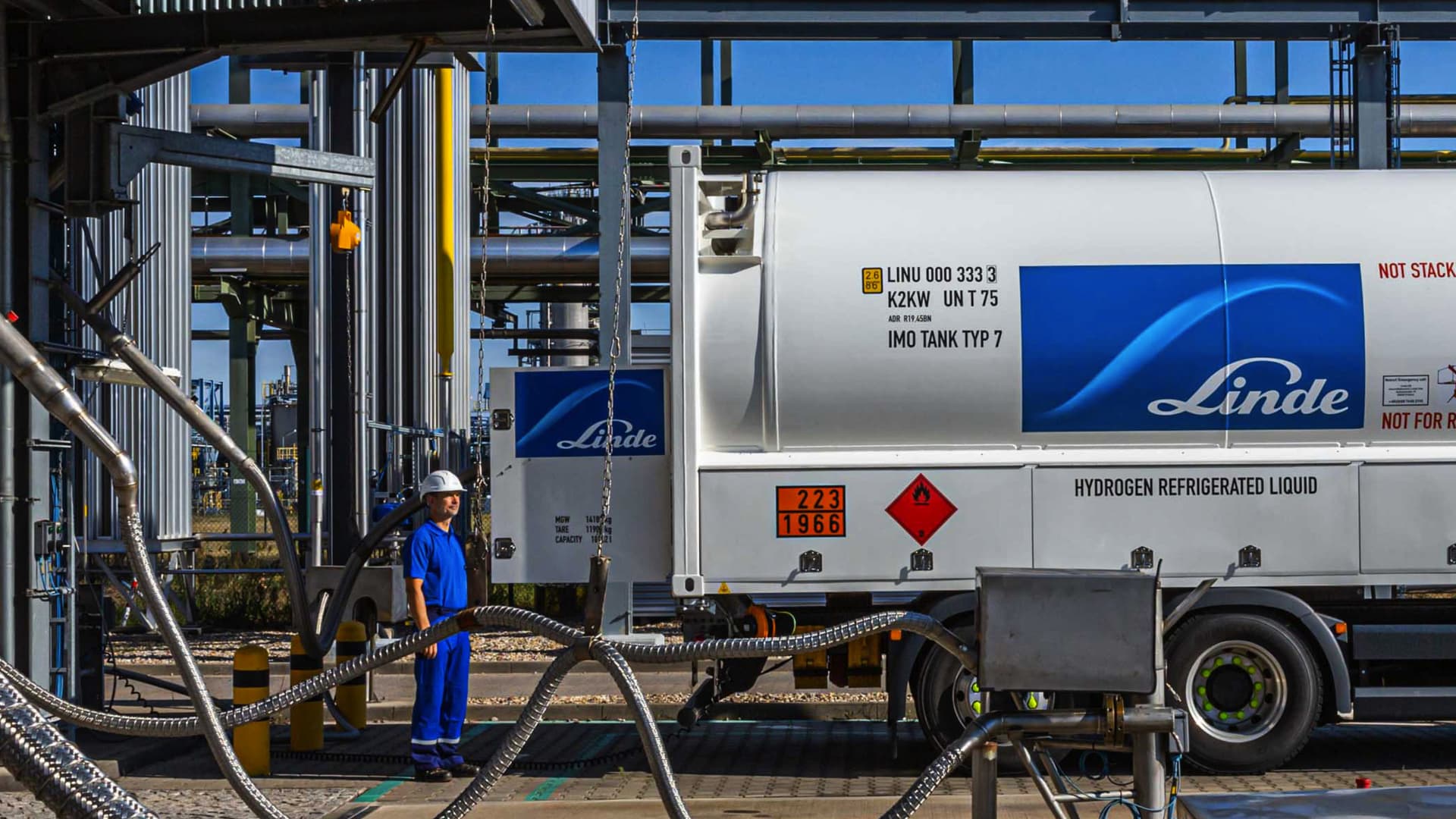
- Helium Supply Chain Disruption: The Wall Street Journal noted that the war has disrupted helium supply chains in Qatar, with Linde and Air Products identified as beneficiaries, although Linde faces challenges due to its smaller helium revenue share compared to Air Products.
- Upcoming Economic Data: While the stock market is closed for Good Friday, attention will turn to the March jobs report, with economists predicting an addition of 60,000 jobs and an unchanged unemployment rate of 4.4%, which will influence market expectations for economic recovery.
See More

Energy Market Enters New Phase as Oil Prices Surge

- Oil Price Surge: In March 2026, oil prices surged above $100 per barrel due to escalating tensions in the Middle East, where approximately 20% of global oil and gas supply transits through the Strait of Hormuz, raising concerns about supply stability and prompting energy markets to prioritize security.
- Strong Performance by GE Vernova: GE Vernova secured $59.3 billion in orders and reported $38.1 billion in revenue for fiscal 2025, exiting with a $65 billion equipment backlog and projecting at least $200 billion in backlog in the coming years, driven by gas power and grid infrastructure projects, indicating robust market demand.
- Service Revenue Growth: In fiscal 2025, about 45% of GE Vernova's revenue came from services, with an $85 billion services backlog, enhancing the company's earnings visibility even amid macroeconomic uncertainties, underscoring its critical role in the global power market.
- Challenges for First Solar: First Solar reported $5.2 billion in revenue and 17.5 gigawatts in module shipments for fiscal 2025, but its contracted backlog declined from 68.5 gigawatts to 50.1 gigawatts, reflecting contract terminations and a more uncertain demand environment, highlighting vulnerability during market volatility.
See More

Energy Markets Shift Towards Security and Reliability Amid Price Surge
- Oil Price Surge Impact: In March 2026, oil prices surged above $100 per barrel due to escalating tensions in the Middle East, affecting approximately 20% of global oil and gas supply, which has led energy markets to prioritize supply stability and security over cost considerations.
- Strong Performance by GE Vernova: In fiscal 2025, GE Vernova reported total orders of $59.3 billion and revenue of $38.1 billion, with an equipment backlog of $65 billion, and it anticipates reaching at least $200 billion in backlog in the coming years, highlighting its robust position in the power infrastructure sector.
- Significant Service Revenue Growth: Approximately 45% of GE Vernova's revenue in fiscal 2025 came from services, with a services backlog of about $85 billion, indicating strong earnings visibility even in uncertain macroeconomic conditions, thereby reinforcing its competitive edge in the market.
- Challenges for First Solar: Although First Solar achieved $5.2 billion in revenue and 17.5 gigawatts in module shipments in fiscal 2025, its contracted backlog declined from 68.5 gigawatts to 50.1 gigawatts, reflecting market demand uncertainty and sensitivity to financing conditions, revealing vulnerabilities in the current market environment.
See More
Brookfield Renewable's Green Energy Business Thrives Amid AI Demand
- Renewable Energy Growth: Brookfield Renewable operated 47 GW of renewable capacity by the end of 2025 and has over 200 GW of projects in development, indicating strong growth potential in the green energy market, with further expansion expected through long-term contracts with hyperscalers like Microsoft and Google.
- Financial Performance Outlook: Analysts project Brookfield's revenue and adjusted EBITDA to grow at CAGRs of 22% and 6% respectively from 2025 to 2028, reflecting its profitability and competitive edge in the green energy sector, with an enterprise value of $58.4 billion still appearing relatively cheap at 15 times this year's adjusted EBITDA.
- GE Vernova's Market Performance: Since its spin-off in 2024, GE Vernova's stock has surged nearly eightfold, with double-digit growth in its Power and Electrification orders in 2025 driven by the expansion of cloud and AI markets, highlighting its critical role in energy transition.
- Future Growth Potential: Analysts expect GE Vernova's revenue and adjusted EBITDA to increase at CAGRs of 15% and 55% from 2025 to 2028, and despite its enterprise value of $233 billion and a meager forward yield of 0.2%, its potential to meet future energy demands makes it a compelling investment for investors.
See More
Utility Stocks Poised for Growth Amid AI Demand
- Brookfield Renewable Growth: As of the end of 2025, Brookfield Renewable operates 47 GW of renewable capacity with over 200 GW in development, and analysts project a 22% CAGR in revenue from 2025 to 2028, highlighting its strong growth potential in the green energy market.
- Long-Term Contract Advantage: Brookfield has secured long-term renewable power agreements with hyperscalers like Microsoft and Google, and as the cloud and AI markets expand, it is expected to gain more contracts, enhancing its market competitiveness and revenue stability.
- GE Vernova's Rapid Surge: Since its spin-off in 2024, GE Vernova's stock has surged nearly eightfold, with analysts forecasting a 15% CAGR in revenue from 2025 to 2028, primarily driven by the expansion of cloud computing and AI markets, prompting utilities to accelerate electrification.
- Power and Electrification Order Growth: GE Vernova has seen double-digit growth in its Power and Electrification orders over the past two years, indicating strong market demand and growth potential, despite slower growth in its wind segment.
See More
Two Utility Stocks Worth Buying This Month
- Brookfield Renewable Growth: As of the end of 2025, Brookfield Renewable operates 47 GW of renewable capacity and has over 200 GW of projects in development, with expected revenue CAGR of 22% from 2025 to 2028, indicating strong growth potential in the green energy market.
- Long-Term Contract Benefits: Brookfield has secured long-term renewable power agreements with hyperscalers like Microsoft and Google, incorporating inflation escalators in contracts to maintain profitability amid inflation, thereby reinforcing its market position.
- Rapid Growth of GE Vernova: Since its spin-off in 2024, GE Vernova's stock has surged nearly eightfold, with projected revenue CAGR of 15% and adjusted EBITDA CAGR of 55% from 2025 to 2028, reflecting strong demand in the power and electrification sectors.
- Demand-Driven Market Expansion: GE Vernova's Power and Electrification orders have seen double-digit growth over the past two years, driven by the expansion of cloud computing and AI markets, although its wind segment grows slower, the overall business will benefit from surging electricity demand.
See More
Market Volatility and Surge in Oil Prices
- Surge in Oil Prices: President Trump's address indicated a hardline U.S. stance on Iran, causing WTI crude prices to exceed $110 per barrel, reflecting market concerns over Middle Eastern tensions that could impact global economic recovery.
- Brief Market Rebound: Despite rising oil prices, stocks briefly turned positive due to reports of Iran drafting a plan with Oman to monitor the Strait of Hormuz, yet this rebound was short-lived, highlighting the fragility of market sentiment.
- Helium Supply Chain Disruption: The Wall Street Journal noted that the war has disrupted helium supply chains in Qatar, with Linde and Air Products identified as beneficiaries, although Linde faces challenges due to its smaller helium revenue share compared to Air Products.
- Upcoming Economic Data: While the stock market is closed for Good Friday, attention will turn to the March jobs report, with economists predicting an addition of 60,000 jobs and an unchanged unemployment rate of 4.4%, which will influence market expectations for economic recovery.
See More
Energy Market Enters New Phase as Oil Prices Surge
- Oil Price Surge: In March 2026, oil prices surged above $100 per barrel due to escalating tensions in the Middle East, where approximately 20% of global oil and gas supply transits through the Strait of Hormuz, raising concerns about supply stability and prompting energy markets to prioritize security.
- Strong Performance by GE Vernova: GE Vernova secured $59.3 billion in orders and reported $38.1 billion in revenue for fiscal 2025, exiting with a $65 billion equipment backlog and projecting at least $200 billion in backlog in the coming years, driven by gas power and grid infrastructure projects, indicating robust market demand.
- Service Revenue Growth: In fiscal 2025, about 45% of GE Vernova's revenue came from services, with an $85 billion services backlog, enhancing the company's earnings visibility even amid macroeconomic uncertainties, underscoring its critical role in the global power market.
- Challenges for First Solar: First Solar reported $5.2 billion in revenue and 17.5 gigawatts in module shipments for fiscal 2025, but its contracted backlog declined from 68.5 gigawatts to 50.1 gigawatts, reflecting contract terminations and a more uncertain demand environment, highlighting vulnerability during market volatility.
See More
Energy Markets Shift Towards Security and Reliability Amid Price Surge
- Oil Price Surge Impact: In March 2026, oil prices surged above $100 per barrel due to escalating tensions in the Middle East, affecting approximately 20% of global oil and gas supply, which has led energy markets to prioritize supply stability and security over cost considerations.
- Strong Performance by GE Vernova: In fiscal 2025, GE Vernova reported total orders of $59.3 billion and revenue of $38.1 billion, with an equipment backlog of $65 billion, and it anticipates reaching at least $200 billion in backlog in the coming years, highlighting its robust position in the power infrastructure sector.
- Significant Service Revenue Growth: Approximately 45% of GE Vernova's revenue in fiscal 2025 came from services, with a services backlog of about $85 billion, indicating strong earnings visibility even in uncertain macroeconomic conditions, thereby reinforcing its competitive edge in the market.
- Challenges for First Solar: Although First Solar achieved $5.2 billion in revenue and 17.5 gigawatts in module shipments in fiscal 2025, its contracted backlog declined from 68.5 gigawatts to 50.1 gigawatts, reflecting market demand uncertainty and sensitivity to financing conditions, revealing vulnerabilities in the current market environment.
See More