AI's Impact on Employment and Financial Strategies
Written by Emily J. Thompson, Senior Investment Analyst
Updated: 1 hour ago
0mins
Source: Fool
- Employment Market Forecast: Predictions indicate that AI could reshape over half of all jobs within the next two to three years, with a potential elimination of up to 15% of current positions by 2030, posing a direct threat to freelance writers like myself.
- Debt Management Strategy: To mitigate potential income declines, my wife and I maintain a low debt level, planning to pay off our low-interest car loan in two years while gradually reducing our mortgage, allowing us to funnel excess funds into investment accounts for enhanced financial security.
- Passive Income Building: Currently, I generate passive income from non-retirement accounts that covers 30% of our basic living needs, with a goal to increase this to 100% to counteract income instability from AI, primarily investing in high-quality, high-yield dividend stocks.
- AI Investment Opportunities: I plan to invest in companies capitalizing on the AI megatrend, such as Brookfield Corporation, which recently launched an AI infrastructure fund aiming to acquire up to $100 billion in assets, with projected annual earnings growth of 25% over the next five years, significantly boosting my wealth.
Trade with 70% Backtested Accuracy
Stop guessing "Should I Buy EPD?" and start using high-conviction signals backed by rigorous historical data.
Sign up today to access powerful investing tools and make smarter, data-driven decisions.
Analyst Views on EPD
Wall Street analysts forecast EPD stock price to fall
12 Analyst Rating
6 Buy
5 Hold
1 Sell
Moderate Buy
Current: 37.840

Low
33.00
Averages
35.17
High
38.00
Current: 37.840
Low
33.00
Averages
35.17
High
38.00
About EPD
Enterprise Products Partners L.P. is a provider of midstream energy services to producers and consumers of natural gas, natural gas liquids (NGLs), crude oil, refined products and petrochemicals. Its NGL Pipelines & Services segment includes natural gas processing and related NGL marketing activities, NGL pipelines, NGL fractionation facilities, NGL and related product storage facilities and NGL marine terminals. Its Crude Oil Pipelines & Services segment includes crude oil pipelines, crude oil storage and marine terminals and related crude oil marketing activities. Its Natural Gas Pipelines & Services segment includes natural gas pipeline systems that provide for the gathering, treating and transportation of natural gas. Its Petrochemical & Refined Products Services segment includes propylene production facilities; butane isomerization complex and related deisobutanizer (DIB) operations; octane enhancement, iBDH and HPIB production facilities; refined products pipelines, and others.
About the author

Emily J. Thompson
Emily J. Thompson, a Chartered Financial Analyst (CFA) with 12 years in investment research, graduated with honors from the Wharton School. Specializing in industrial and technology stocks, she provides in-depth analysis for Intellectia’s earnings and market brief reports.

Financial Strategies and Investments in the AI Era

- Passive Income Building: Currently, my sources of passive income cover 30% of our basic financial needs, and I aim to increase this to 100% before AI impacts my job, ensuring we maintain our living standards amidst potential risks.
- High-Yield Investments: I invest in high-quality, high-yield dividend stocks like Enterprise Products Partners, which has increased its cash distribution for 27 consecutive years and currently offers a yield of 5.8%, providing a stable stream of passive income.
- AI Infrastructure Investment: Brookfield Corporation recently launched its first AI infrastructure fund with a goal to acquire up to $100 billion in assets, expecting 25% annual earnings growth over the next five years, significantly enhancing my portfolio value.
- Debt Management Strategy: My wife and I maintain low debt levels, planning to pay off our car loan in two years while gradually reducing our mortgage, which will lower future living costs and free up more funds for investment.
See More

AI's Impact on Employment and Financial Strategies
- Employment Market Forecast: Predictions indicate that AI could reshape over half of all jobs within the next two to three years, with a potential elimination of up to 15% of current positions by 2030, posing a direct threat to freelance writers like myself.
- Debt Management Strategy: To mitigate potential income declines, my wife and I maintain a low debt level, planning to pay off our low-interest car loan in two years while gradually reducing our mortgage, allowing us to funnel excess funds into investment accounts for enhanced financial security.
- Passive Income Building: Currently, I generate passive income from non-retirement accounts that covers 30% of our basic living needs, with a goal to increase this to 100% to counteract income instability from AI, primarily investing in high-quality, high-yield dividend stocks.
- AI Investment Opportunities: I plan to invest in companies capitalizing on the AI megatrend, such as Brookfield Corporation, which recently launched an AI infrastructure fund aiming to acquire up to $100 billion in assets, with projected annual earnings growth of 25% over the next five years, significantly boosting my wealth.
See More

Middle East Conflict Impacts Energy Stock Earnings


- Supply Reduction Drives Price Increase: The geopolitical conflict in the Middle East has led to a decrease in global oil and natural gas supplies, which in turn drives up commodity prices, resulting in increased revenues and earnings for energy companies; however, a resolution to the conflict could reverse this trend, leading to lower prices and financial performance.
- Stability of Midstream Companies: Companies like Enterprise Products Partners (EPD) and Enbridge (ENB) are relatively stable in the energy sector due to their ownership of energy infrastructure, with EPD increasing its distribution for 27 consecutive years and ENB for 31 years in Canadian dollars, demonstrating reliability in a volatile market.
- Financial Strength of Major Energy Firms: Integrated energy giants ExxonMobil (XOM) and Chevron (CVX) boast low debt-to-equity ratios of 0.19x and 0.25x respectively, allowing them to support their businesses and dividends during downturns, with both companies having increased dividends annually for decades, showcasing strong financial resilience.
- Diversified Business Models: The integrated business models of Exxon and Chevron provide them with advantages across the global energy value chain; while diversification may limit upside potential, it also softens the impact during oil and gas price declines, making them solid long-term choices for dividend investors.
See More

Middle East Conflict Drives Oil Prices Up, Benefiting Energy Stocks
- Oil Price Impact: The geopolitical conflict in the Middle East has led to a reduction in global oil and natural gas supplies, driving up prices and significantly boosting revenues and earnings for energy companies reliant on these commodities, particularly in the short term.
- Dividend Investment Strategy: In the volatile energy market, investors should focus on companies that have consistently paid dividends throughout the energy cycle, such as Enterprise Products Partners and Enbridge, which have increased their distributions for 27 and 31 consecutive years, respectively, demonstrating strong financial resilience.
- Financial Strength: Integrated energy giants ExxonMobil and Chevron boast low debt-to-equity ratios of 0.19x and 0.25x, respectively, allowing them to manage debt during downturns and continue supporting their businesses and dividends, maintaining stable dividend growth over decades despite market volatility.
- Diversified Business Model: Both companies leverage globally diversified portfolios and a complete energy value chain to mitigate risks across different markets and cycles, which, while potentially limiting upside, effectively cushions the impact during oil and gas price declines, making them suitable for long-term dividend investors.
See More

Persian Gulf Oil Output Plummets 57% Amid War


- Significant Output Decline: Goldman Sachs estimates that oil production from the Persian Gulf has dropped by 57% from pre-war levels, equating to a reduction of approximately 14.5 million barrels per day, which has severely impacted the global oil market and forced countries to rely on reserves to cover the shortfall.
- Emergency Stock Release: The International Energy Agency (IEA) has released a record 400 million barrels of oil, including 172 million barrels from the U.S. Strategic Petroleum Reserve (SPR), aimed at alleviating supply crises caused by the closure of the Strait of Hormuz, highlighting the urgent need for stable supply in global markets.
- Infrastructure Support: Oil pipeline companies such as Enterprise Products Partners and Enbridge are facilitating the transport of crude oil from the SPR to global markets, with their critical oil infrastructure ensuring efficient flow from storage to market, which is expected to enhance their cash flow and dividend yields.
- Optimistic Market Outlook: Due to supply issues in the Persian Gulf, these energy companies are projected to see increased volumes, boosting their cash flow and further supporting their high-yielding and steadily rising dividends, reflecting the growing importance of infrastructure in an uncertain market environment.
See More
Impact of Iran War on Global Oil Market
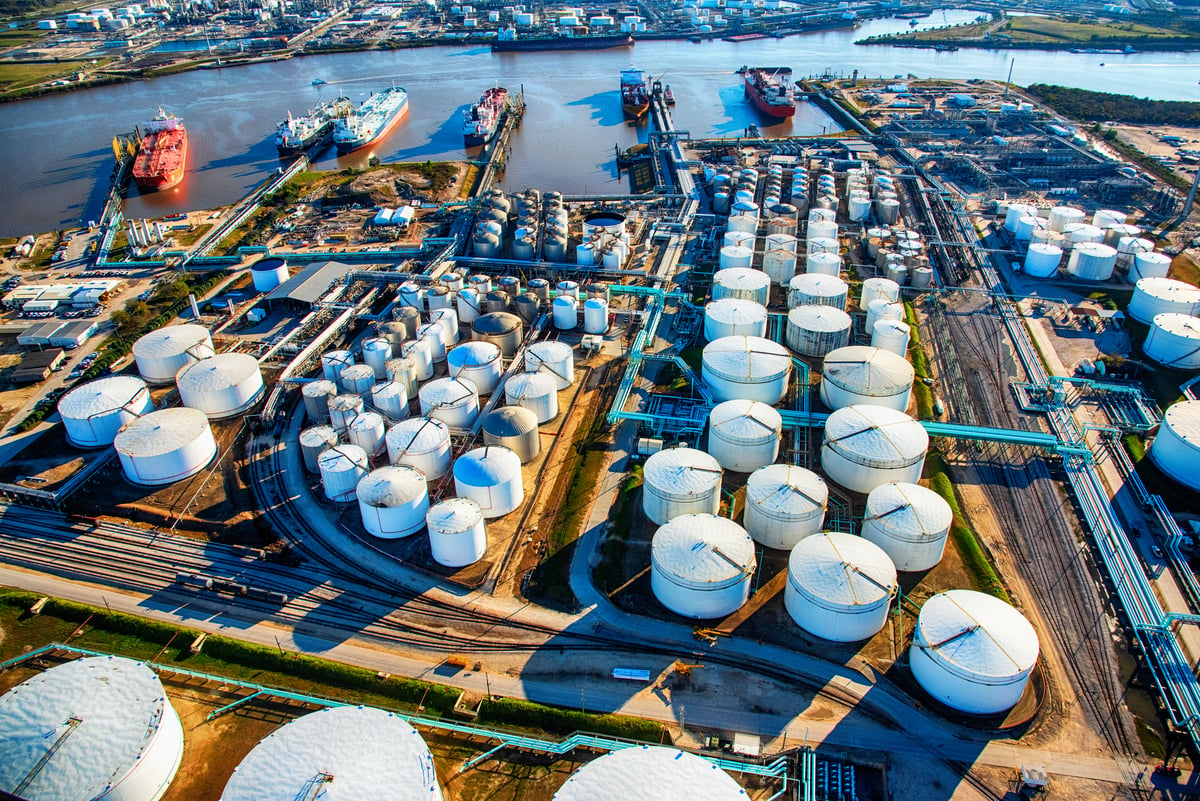
- Production Decline: Goldman Sachs estimates that oil production from the Persian Gulf has fallen by 57% from pre-war levels, approximately 14.5 million barrels per day, forcing the global market to draw from reserves to cover the supply shortfall.
- U.S. Strategic Reserve Release: The U.S. Department of Energy plans to release 172 million barrels from the Strategic Petroleum Reserve as part of a record release by the IEA, further mitigating the impact of the Strait of Hormuz closure.
- Infrastructure Support: The Seaway Pipeline Company, co-owned by Enterprise Products Partners and Enbridge, plays a crucial role in transporting oil from the SPR to U.S. refineries and global markets, ensuring smooth oil flow.
- Cash Flow Growth Expectations: As these energy companies play a vital role in supporting the SPR release, their volumes are expected to increase significantly, boosting cash flow and providing additional support for their high-yielding and steadily rising dividends.
See More
Financial Strategies and Investments in the AI Era
- Passive Income Building: Currently, my sources of passive income cover 30% of our basic financial needs, and I aim to increase this to 100% before AI impacts my job, ensuring we maintain our living standards amidst potential risks.
- High-Yield Investments: I invest in high-quality, high-yield dividend stocks like Enterprise Products Partners, which has increased its cash distribution for 27 consecutive years and currently offers a yield of 5.8%, providing a stable stream of passive income.
- AI Infrastructure Investment: Brookfield Corporation recently launched its first AI infrastructure fund with a goal to acquire up to $100 billion in assets, expecting 25% annual earnings growth over the next five years, significantly enhancing my portfolio value.
- Debt Management Strategy: My wife and I maintain low debt levels, planning to pay off our car loan in two years while gradually reducing our mortgage, which will lower future living costs and free up more funds for investment.
See More
AI's Impact on Employment and Financial Strategies
- Employment Market Forecast: Predictions indicate that AI could reshape over half of all jobs within the next two to three years, with a potential elimination of up to 15% of current positions by 2030, posing a direct threat to freelance writers like myself.
- Debt Management Strategy: To mitigate potential income declines, my wife and I maintain a low debt level, planning to pay off our low-interest car loan in two years while gradually reducing our mortgage, allowing us to funnel excess funds into investment accounts for enhanced financial security.
- Passive Income Building: Currently, I generate passive income from non-retirement accounts that covers 30% of our basic living needs, with a goal to increase this to 100% to counteract income instability from AI, primarily investing in high-quality, high-yield dividend stocks.
- AI Investment Opportunities: I plan to invest in companies capitalizing on the AI megatrend, such as Brookfield Corporation, which recently launched an AI infrastructure fund aiming to acquire up to $100 billion in assets, with projected annual earnings growth of 25% over the next five years, significantly boosting my wealth.
See More
Middle East Conflict Impacts Energy Stock Earnings
- Supply Reduction Drives Price Increase: The geopolitical conflict in the Middle East has led to a decrease in global oil and natural gas supplies, which in turn drives up commodity prices, resulting in increased revenues and earnings for energy companies; however, a resolution to the conflict could reverse this trend, leading to lower prices and financial performance.
- Stability of Midstream Companies: Companies like Enterprise Products Partners (EPD) and Enbridge (ENB) are relatively stable in the energy sector due to their ownership of energy infrastructure, with EPD increasing its distribution for 27 consecutive years and ENB for 31 years in Canadian dollars, demonstrating reliability in a volatile market.
- Financial Strength of Major Energy Firms: Integrated energy giants ExxonMobil (XOM) and Chevron (CVX) boast low debt-to-equity ratios of 0.19x and 0.25x respectively, allowing them to support their businesses and dividends during downturns, with both companies having increased dividends annually for decades, showcasing strong financial resilience.
- Diversified Business Models: The integrated business models of Exxon and Chevron provide them with advantages across the global energy value chain; while diversification may limit upside potential, it also softens the impact during oil and gas price declines, making them solid long-term choices for dividend investors.
See More
Middle East Conflict Drives Oil Prices Up, Benefiting Energy Stocks
- Oil Price Impact: The geopolitical conflict in the Middle East has led to a reduction in global oil and natural gas supplies, driving up prices and significantly boosting revenues and earnings for energy companies reliant on these commodities, particularly in the short term.
- Dividend Investment Strategy: In the volatile energy market, investors should focus on companies that have consistently paid dividends throughout the energy cycle, such as Enterprise Products Partners and Enbridge, which have increased their distributions for 27 and 31 consecutive years, respectively, demonstrating strong financial resilience.
- Financial Strength: Integrated energy giants ExxonMobil and Chevron boast low debt-to-equity ratios of 0.19x and 0.25x, respectively, allowing them to manage debt during downturns and continue supporting their businesses and dividends, maintaining stable dividend growth over decades despite market volatility.
- Diversified Business Model: Both companies leverage globally diversified portfolios and a complete energy value chain to mitigate risks across different markets and cycles, which, while potentially limiting upside, effectively cushions the impact during oil and gas price declines, making them suitable for long-term dividend investors.
See More
Persian Gulf Oil Output Plummets 57% Amid War
- Significant Output Decline: Goldman Sachs estimates that oil production from the Persian Gulf has dropped by 57% from pre-war levels, equating to a reduction of approximately 14.5 million barrels per day, which has severely impacted the global oil market and forced countries to rely on reserves to cover the shortfall.
- Emergency Stock Release: The International Energy Agency (IEA) has released a record 400 million barrels of oil, including 172 million barrels from the U.S. Strategic Petroleum Reserve (SPR), aimed at alleviating supply crises caused by the closure of the Strait of Hormuz, highlighting the urgent need for stable supply in global markets.
- Infrastructure Support: Oil pipeline companies such as Enterprise Products Partners and Enbridge are facilitating the transport of crude oil from the SPR to global markets, with their critical oil infrastructure ensuring efficient flow from storage to market, which is expected to enhance their cash flow and dividend yields.
- Optimistic Market Outlook: Due to supply issues in the Persian Gulf, these energy companies are projected to see increased volumes, boosting their cash flow and further supporting their high-yielding and steadily rising dividends, reflecting the growing importance of infrastructure in an uncertain market environment.
See More
Impact of Iran War on Global Oil Market
- Production Decline: Goldman Sachs estimates that oil production from the Persian Gulf has fallen by 57% from pre-war levels, approximately 14.5 million barrels per day, forcing the global market to draw from reserves to cover the supply shortfall.
- U.S. Strategic Reserve Release: The U.S. Department of Energy plans to release 172 million barrels from the Strategic Petroleum Reserve as part of a record release by the IEA, further mitigating the impact of the Strait of Hormuz closure.
- Infrastructure Support: The Seaway Pipeline Company, co-owned by Enterprise Products Partners and Enbridge, plays a crucial role in transporting oil from the SPR to U.S. refineries and global markets, ensuring smooth oil flow.
- Cash Flow Growth Expectations: As these energy companies play a vital role in supporting the SPR release, their volumes are expected to increase significantly, boosting cash flow and providing additional support for their high-yielding and steadily rising dividends.
See More