Airbus Recalls 6,000 A320 Jets, Disrupting Asia-Pacific Airlines

- Massive Recall: Airbus's recall of 6,000 A320 jets marks one of the largest in its 55-year history, affecting over 350 operators globally, particularly in rapidly growing markets like China and India, which may lead to operational challenges for airlines.
- Software Issue Impact: The recall was triggered by an incident in October involving a JetBlue flight that experienced a significant loss of altitude, prompting global regulators to require airlines to address the software issue before resuming flights, potentially affecting confidence in aviation safety.
- Flight Cancellations and Delays: ANA Holdings canceled 65 flights, while India's IndiGo and Air India completed software resets on 143 out of 200 and 42 out of 113 affected aircraft respectively, with Air India noting that overall schedule integrity remains intact but delays may still occur.
- Regional Impact Assessment: Taiwan and Macau's aviation authorities have also mandated inspections, with Taiwan estimating that around two-thirds of its 67 A320 and A321 aircraft are affected, highlighting the widespread impact of the recall on the Asia-Pacific aviation sector.
Trade with 70% Backtested Accuracy
Analyst Views on AIR

About AIR
About the author


AAR Government Services Secures $305.7M Navy Contract
- Significant Contract Value: AAR Government Services has secured a $305.7 million contract to provide logistics support for the Navy and Marine Corps C-40A aircraft, showcasing the company's strong competitive position in the defense sector.
- Multi-Location Execution: The work will be performed across multiple U.S. locations and is expected to be completed by March 2031, indicating AAR's capability to handle complex logistics support tasks effectively.
- Competitive Bidding: The contract was awarded after competing against four bids, reflecting AAR's strength and recognition in the industry, potentially laying the groundwork for future contract acquisitions.
- Flexible Funding Arrangement: No funds will be obligated at the time of award, allowing AAR to maintain financial flexibility and reduce initial funding pressure, which is strategically beneficial for managing cash flow.

AIR and Cantor Equity Partners III Announce Public Submission of Form F-4 in Preparation for Upcoming Merger and NASDAQ Listing

Announcement of Public Filing: A company named Airand Cantor Equity Partners III has announced a public filing for Form F-4.
Planned Merger: The filing is related to a planned merger involving the company.
NASDAQ Listing: The announcement also includes details about a listing on the NASDAQ.
Implications for Investors: This move may have significant implications for investors and stakeholders in the company.

Voyager Stock Soars Following New Buy Rating: Potential for 58% Increase.


- Stock Performance: Voyager Technologies' stock experienced a significant increase on Monday.
- Analyst Rating: The rise in stock price followed the announcement of a new Buy rating for the company.

How Delta and United Navigate Challenges in the Airline Industry

- Delta Air Lines Performance: Delta Air Lines shares are down only 3% for the year, outperforming the S&P 500 despite industry challenges.
- Jet Fuel Price Impact: The airline is facing a significant 62% increase in jet fuel prices since February, which typically affects profitability.
- Industry Profit Estimates: There has been a general reduction in profit estimates across the airline industry, yet Delta's stock remains relatively stable.
- Unusual Market Behavior: The current performance of Delta's stock is noted as unusual for the airline industry, which is typically more volatile.

How Delta Stock Can Soar Despite Rising Oil Prices and TSA Challenges


- Delta Air Lines Performance: Delta Air Lines shares are down only 3% for the year, outperforming the S&P 500 despite industry challenges.
- Jet Fuel Price Impact: The airline is facing a significant 62% increase in jet fuel prices since February, which typically affects profitability.
- Industry Profit Estimates: There has been a general reduction in profit estimates across the airline industry, yet Delta's stock remains relatively stable.
- Unusual Market Behavior: The current performance of Delta's stock is noted as unusual for the airline industry, which often experiences more volatility.
Clean Air Metals Secures $200,000 Government Funding for Thunder Bay Project
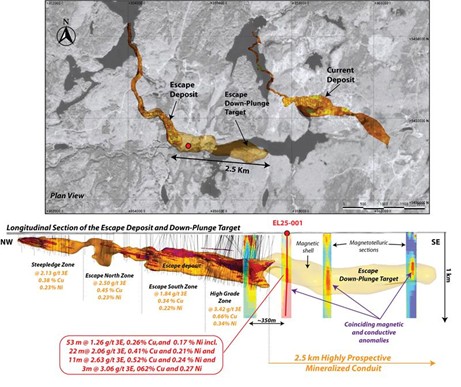
- Government Funding Support: Clean Air Metals has secured up to $200,000 in funding from the Ontario Junior Exploration Program (OJEP) to advance exploration work on the 2.5 km long Escape down-plunge target, which is expected to significantly enhance the project's resource potential and development timeline.
- Mineral Market Outlook: Despite global economic uncertainties impacting most commodity prices, the rebound in platinum and palladium prices underscores Clean Air Metals' optimistic view on the long-term economic prospects of its Thunder Bay North project, particularly driven by electrification and energy transition initiatives.
- Project Development Progress: The company is updating the stand-alone milling business case for Thunder Bay North and preparing a new metallurgical test program to confirm potential toll milling performance, laying a solid foundation for the project's future development.
- Community Engagement and Collaboration: Clean Air Metals is actively engaging with First Nations communities to initiate early design discussions for site access roads and power infrastructure, reflecting the company's commitment to respect and collaborate with local communities.
AAR Government Services Secures $305.7M Navy Contract
- Significant Contract Value: AAR Government Services has secured a $305.7 million contract to provide logistics support for the Navy and Marine Corps C-40A aircraft, showcasing the company's strong competitive position in the defense sector.
- Multi-Location Execution: The work will be performed across multiple U.S. locations and is expected to be completed by March 2031, indicating AAR's capability to handle complex logistics support tasks effectively.
- Competitive Bidding: The contract was awarded after competing against four bids, reflecting AAR's strength and recognition in the industry, potentially laying the groundwork for future contract acquisitions.
- Flexible Funding Arrangement: No funds will be obligated at the time of award, allowing AAR to maintain financial flexibility and reduce initial funding pressure, which is strategically beneficial for managing cash flow.
AIR and Cantor Equity Partners III Announce Public Submission of Form F-4 in Preparation for Upcoming Merger and NASDAQ Listing
Announcement of Public Filing: A company named Airand Cantor Equity Partners III has announced a public filing for Form F-4.
Planned Merger: The filing is related to a planned merger involving the company.
NASDAQ Listing: The announcement also includes details about a listing on the NASDAQ.
Implications for Investors: This move may have significant implications for investors and stakeholders in the company.
Voyager Stock Soars Following New Buy Rating: Potential for 58% Increase.
- Stock Performance: Voyager Technologies' stock experienced a significant increase on Monday.
- Analyst Rating: The rise in stock price followed the announcement of a new Buy rating for the company.
How Delta and United Navigate Challenges in the Airline Industry
- Delta Air Lines Performance: Delta Air Lines shares are down only 3% for the year, outperforming the S&P 500 despite industry challenges.
- Jet Fuel Price Impact: The airline is facing a significant 62% increase in jet fuel prices since February, which typically affects profitability.
- Industry Profit Estimates: There has been a general reduction in profit estimates across the airline industry, yet Delta's stock remains relatively stable.
- Unusual Market Behavior: The current performance of Delta's stock is noted as unusual for the airline industry, which is typically more volatile.
How Delta Stock Can Soar Despite Rising Oil Prices and TSA Challenges
- Delta Air Lines Performance: Delta Air Lines shares are down only 3% for the year, outperforming the S&P 500 despite industry challenges.
- Jet Fuel Price Impact: The airline is facing a significant 62% increase in jet fuel prices since February, which typically affects profitability.
- Industry Profit Estimates: There has been a general reduction in profit estimates across the airline industry, yet Delta's stock remains relatively stable.
- Unusual Market Behavior: The current performance of Delta's stock is noted as unusual for the airline industry, which often experiences more volatility.
Clean Air Metals Secures $200,000 Government Funding for Thunder Bay Project
- Government Funding Support: Clean Air Metals has secured up to $200,000 in funding from the Ontario Junior Exploration Program (OJEP) to advance exploration work on the 2.5 km long Escape down-plunge target, which is expected to significantly enhance the project's resource potential and development timeline.
- Mineral Market Outlook: Despite global economic uncertainties impacting most commodity prices, the rebound in platinum and palladium prices underscores Clean Air Metals' optimistic view on the long-term economic prospects of its Thunder Bay North project, particularly driven by electrification and energy transition initiatives.
- Project Development Progress: The company is updating the stand-alone milling business case for Thunder Bay North and preparing a new metallurgical test program to confirm potential toll milling performance, laying a solid foundation for the project's future development.
- Community Engagement and Collaboration: Clean Air Metals is actively engaging with First Nations communities to initiate early design discussions for site access roads and power infrastructure, reflecting the company's commitment to respect and collaborate with local communities.