AI Stocks: Speculation vs. Solid Performance
Written by Emily J. Thompson, Senior Investment Analyst
Updated: 4 days ago
0mins

Should l Buy NVDA?
Source: NASDAQ.COM
- Investor Confidence Survey: Research from Motley Fool indicates that 41% of investors believe the rise in AI stocks is primarily speculative, reflecting market concerns about a potential AI bubble, which may lead to more cautious investment decisions in the future.
- Strong Financial Performance: Companies like Nvidia, Taiwan Semiconductor, and Broadcom continue to see rising sales and earnings in the AI hardware sector, with Nvidia holding an 86% market share in AI data center processors, showcasing their dominant position and potential for future growth.
- Major Partnership Agreements: Broadcom has signed a long-term agreement with Google to design Tensor Processing Units (TPUs) for AI data centers, with projected revenue from Anthropic potentially reaching $63 billion over the next two years, highlighting Broadcom's critical role in AI infrastructure.
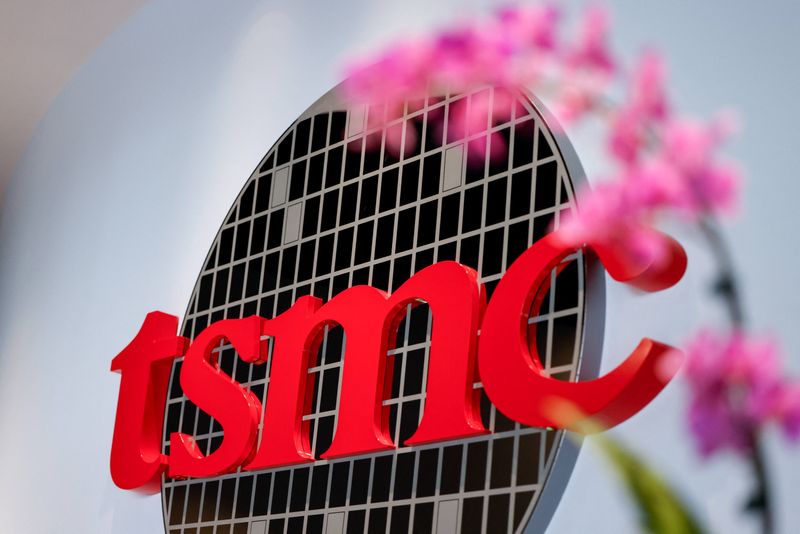
- Signals of Continued Investment: TSMC plans to invest $165 billion in new facilities, with Apple securing over half of TSMC's 2-nanometer processor capacity, indicating strong demand for advanced processors and further solidifying its leadership in the global semiconductor market.
Trade with 70% Backtested Accuracy
Stop guessing "Should I Buy NVDA?" and start using high-conviction signals backed by rigorous historical data.
Sign up today to access powerful investing tools and make smarter, data-driven decisions.
Analyst Views on NVDA
Wall Street analysts forecast NVDA stock price to rise
41 Analyst Rating
39 Buy
1 Hold
1 Sell
Strong Buy
Current: 198.870

Low
200.00
Averages
264.97
High
352.00
Current: 198.870
Low
200.00
Averages
264.97
High
352.00
About NVDA
NVIDIA Corporation is an artificial intelligence (AI) infrastructure company. The Company is engaged in accelerated computing to help solve the challenging computational problems. Its segments include Compute & Networking and Graphics. The Compute & Networking segment includes its Data Center accelerated computing and networking platforms and AI solutions and software, and automotive platforms and autonomous and electric vehicle solutions, including software. The Graphics segment includes GeForce GPUs for gaming and personal computers (PCs), and Quadro/NVIDIA RTX GPUs for enterprise workstation graphics. Its technology stack includes the foundational NVIDIA CUDA development platform that runs on all NVIDIA GPUs, as well as hundreds of domain-specific software libraries, frameworks, algorithms, software development kits (SDKs), and application programming interfaces (APIs). Its platforms address four markets, which include Data Center, Gaming, Professional Visualization, and Automotive.
About the author

Emily J. Thompson
Emily J. Thompson, a Chartered Financial Analyst (CFA) with 12 years in investment research, graduated with honors from the Wharton School. Specializing in industrial and technology stocks, she provides in-depth analysis for Intellectia’s earnings and market brief reports.

Nvidia Drives Expansion in AI Market

- Significant Revenue Growth: Nvidia's sales in Q4 of fiscal 2026 reached $68.1 billion, a 73% increase year-over-year, driven primarily by strong demand for its graphics processing units, underscoring the company's critical role in AI infrastructure.
- Outstanding Annual Performance: For the full fiscal year 2026, Nvidia reported total revenue of $215.9 billion, marking a 65% increase from fiscal 2025, reflecting the company's robust performance and profitability in the rapidly growing AI market.
- Optimistic Future Outlook: CEO Jensen Huang projects that Nvidia will achieve $1 trillion in revenue by 2027, indicating a compound annual growth rate of 116%, which highlights the company's ongoing growth potential and market leadership in AI.
- Investment Value Highlighted: Despite increasing market concerns about tech stocks, Nvidia is viewed as the only buy among the
See More

Taiwan Semiconductor: A Lucrative Investment in the AI Revolution


- Partnerships with AI Leaders: Taiwan Semiconductor Manufacturing Company (TSMC) collaborates closely with AI giants like Nvidia and AMD, producing 12,682 products using 305 technologies, which secures its competitive edge in high-performance computing and IoT markets, thereby driving sustained growth.
- Surge in AI Hardware Sales: In Q1 2023, TSMC's revenue surged 35% year-over-year to $36 billion, with net income soaring 58% to $18 billion, primarily fueled by robust demand for AI chips, and management anticipates over 30% revenue growth for the full year 2026.
- Consistent Performance: Since its IPO in 1994, TSMC has achieved over 18% annual sales and profit growth, demonstrating strong operational and financial stability, and has never cut dividends since 2004, with cash payouts to shareholders more than doubling in the last five years, enhancing investor confidence.
- Market Dominance: With a market capitalization exceeding $1.6 trillion, TSMC stands as a leading semiconductor manufacturer, with extensive applications across smartphones, consumer electronics, and AI data centers, positioning it for even larger growth in the coming years.
See More

US Stocks Dip Slightly as Chipmakers Weigh on Market


- Market Performance: The S&P 500 index fell by 0.15%, the Dow Jones Industrial Average decreased by 0.06%, and the Nasdaq 100 dropped by 0.21%, indicating a slight market pullback after reaching new highs, particularly pressured by weakness in chipmakers.
- Economic Data: Initial jobless claims in the US fell by 11,000 to 207,000, indicating a stronger labor market than the expected 213,000; additionally, the Philadelphia Fed business outlook unexpectedly rose by 8.6 to a 15-month high of 26.7, reflecting potential economic recovery.
- Oil Price Fluctuations: WTI crude oil prices increased by over 1% as the US naval blockade of the Strait of Hormuz enters its fourth day, which could exacerbate global oil and fuel shortages, impacting future energy market stability.
- Earnings Season: Q1 earnings for the S&P 500 are projected to rise by 12% year-over-year, but excluding the technology sector, the earnings growth is only 3%, the lowest in two years, indicating a cautious market outlook on profit growth.
See More

Nvidia: Projected Revenue to Reach $1 Trillion by 2027
- Market Cyclicality: Despite the poor performance of tech stocks this year, with the Roundhill Magnificent Seven ETF down nearly 9% from its all-time highs, the cyclical nature of the market suggests that investors should not hastily exit tech stocks.
- Nvidia's Market Advantage: As a key supplier of infrastructure components, Nvidia benefits from extremely high demand for its graphics processing units, with Q4 fiscal 2026 sales up 73% year-over-year to $68.1 billion, indicating strong profitability.
- Future Revenue Projections: Nvidia achieved $215.9 billion in revenue for fiscal 2025, a 65% increase, and CEO Jensen Huang projects revenue to reach $1 trillion by 2027, representing a compound annual growth rate of 116%, further solidifying its market leadership.
- Investment Recommendation: Given that Nvidia's stock is currently down 6% from its all-time high, and considering the strong profit outlook and market demand, investors should view it as a smart investment choice, especially amid the overall tech stock pullback.
See More

CNBC Investing Club April Meeting Highlights


- Market Rebound Analysis: The S&P 500 index reached a record high in April, marking a significant recovery from the Iran war sell-off, indicating a renewed focus on company fundamentals despite the ongoing conflict, which underscores the importance of investor calmness.
- Nike Investment Reflection: Despite insider buying signals prompting us to increase our stake in Nike last December, we are now skeptical about CEO Elliott Hill's ability to turn the company around, and if next quarter's performance is disappointing, we will consider exiting.
- Amazon Cloud Business Recovery: Amazon's stock rebound highlights the importance of patience, as the market is gradually recognizing the strength of its AWS cloud division and online retail business, which are expected to continue growing in the future.
- Nvidia Market Leadership: Nvidia's leading position in the AI chip sector is paying off, and despite competitive pressures, its advantage in computing power positions it well to maintain market leadership going forward.
See More

Nvidia Stock Price Recovery Outlook
- Stock Performance Issues: Despite Nvidia's accelerating revenue growth over the past six months, its stock price has only increased by about $5, reflecting market caution regarding its future performance, which may impact investor confidence.
- External Factors Impact: The market's focus on Nvidia centers around the return on investment from AI hyperscalers; if these companies fail to generate sufficient cash flows, it could lead to a lower valuation for Nvidia, affecting its stock price.
- Future Growth Potential: Nvidia is expected to launch its new Rubin chip architecture in 2026, which could further drive revenue growth; if cloud computing companies continue to show outsized growth, it will help bolster market confidence in Nvidia.
- Market Confidence Rebuilding: If Nvidia can report solid financial results in the coming months and there is substantial progress in Iran peace talks, it may prompt the market to reassess its stock price, making it a good entry point for investors.
See More
Nvidia Drives Expansion in AI Market
- Significant Revenue Growth: Nvidia's sales in Q4 of fiscal 2026 reached $68.1 billion, a 73% increase year-over-year, driven primarily by strong demand for its graphics processing units, underscoring the company's critical role in AI infrastructure.
- Outstanding Annual Performance: For the full fiscal year 2026, Nvidia reported total revenue of $215.9 billion, marking a 65% increase from fiscal 2025, reflecting the company's robust performance and profitability in the rapidly growing AI market.
- Optimistic Future Outlook: CEO Jensen Huang projects that Nvidia will achieve $1 trillion in revenue by 2027, indicating a compound annual growth rate of 116%, which highlights the company's ongoing growth potential and market leadership in AI.
- Investment Value Highlighted: Despite increasing market concerns about tech stocks, Nvidia is viewed as the only buy among the
See More
Taiwan Semiconductor: A Lucrative Investment in the AI Revolution
- Partnerships with AI Leaders: Taiwan Semiconductor Manufacturing Company (TSMC) collaborates closely with AI giants like Nvidia and AMD, producing 12,682 products using 305 technologies, which secures its competitive edge in high-performance computing and IoT markets, thereby driving sustained growth.
- Surge in AI Hardware Sales: In Q1 2023, TSMC's revenue surged 35% year-over-year to $36 billion, with net income soaring 58% to $18 billion, primarily fueled by robust demand for AI chips, and management anticipates over 30% revenue growth for the full year 2026.
- Consistent Performance: Since its IPO in 1994, TSMC has achieved over 18% annual sales and profit growth, demonstrating strong operational and financial stability, and has never cut dividends since 2004, with cash payouts to shareholders more than doubling in the last five years, enhancing investor confidence.
- Market Dominance: With a market capitalization exceeding $1.6 trillion, TSMC stands as a leading semiconductor manufacturer, with extensive applications across smartphones, consumer electronics, and AI data centers, positioning it for even larger growth in the coming years.
See More
US Stocks Dip Slightly as Chipmakers Weigh on Market
- Market Performance: The S&P 500 index fell by 0.15%, the Dow Jones Industrial Average decreased by 0.06%, and the Nasdaq 100 dropped by 0.21%, indicating a slight market pullback after reaching new highs, particularly pressured by weakness in chipmakers.
- Economic Data: Initial jobless claims in the US fell by 11,000 to 207,000, indicating a stronger labor market than the expected 213,000; additionally, the Philadelphia Fed business outlook unexpectedly rose by 8.6 to a 15-month high of 26.7, reflecting potential economic recovery.
- Oil Price Fluctuations: WTI crude oil prices increased by over 1% as the US naval blockade of the Strait of Hormuz enters its fourth day, which could exacerbate global oil and fuel shortages, impacting future energy market stability.
- Earnings Season: Q1 earnings for the S&P 500 are projected to rise by 12% year-over-year, but excluding the technology sector, the earnings growth is only 3%, the lowest in two years, indicating a cautious market outlook on profit growth.
See More
Nvidia: Projected Revenue to Reach $1 Trillion by 2027
- Market Cyclicality: Despite the poor performance of tech stocks this year, with the Roundhill Magnificent Seven ETF down nearly 9% from its all-time highs, the cyclical nature of the market suggests that investors should not hastily exit tech stocks.
- Nvidia's Market Advantage: As a key supplier of infrastructure components, Nvidia benefits from extremely high demand for its graphics processing units, with Q4 fiscal 2026 sales up 73% year-over-year to $68.1 billion, indicating strong profitability.
- Future Revenue Projections: Nvidia achieved $215.9 billion in revenue for fiscal 2025, a 65% increase, and CEO Jensen Huang projects revenue to reach $1 trillion by 2027, representing a compound annual growth rate of 116%, further solidifying its market leadership.
- Investment Recommendation: Given that Nvidia's stock is currently down 6% from its all-time high, and considering the strong profit outlook and market demand, investors should view it as a smart investment choice, especially amid the overall tech stock pullback.
See More
CNBC Investing Club April Meeting Highlights
- Market Rebound Analysis: The S&P 500 index reached a record high in April, marking a significant recovery from the Iran war sell-off, indicating a renewed focus on company fundamentals despite the ongoing conflict, which underscores the importance of investor calmness.
- Nike Investment Reflection: Despite insider buying signals prompting us to increase our stake in Nike last December, we are now skeptical about CEO Elliott Hill's ability to turn the company around, and if next quarter's performance is disappointing, we will consider exiting.
- Amazon Cloud Business Recovery: Amazon's stock rebound highlights the importance of patience, as the market is gradually recognizing the strength of its AWS cloud division and online retail business, which are expected to continue growing in the future.
- Nvidia Market Leadership: Nvidia's leading position in the AI chip sector is paying off, and despite competitive pressures, its advantage in computing power positions it well to maintain market leadership going forward.
See More
Nvidia Stock Price Recovery Outlook
- Stock Performance Issues: Despite Nvidia's accelerating revenue growth over the past six months, its stock price has only increased by about $5, reflecting market caution regarding its future performance, which may impact investor confidence.
- External Factors Impact: The market's focus on Nvidia centers around the return on investment from AI hyperscalers; if these companies fail to generate sufficient cash flows, it could lead to a lower valuation for Nvidia, affecting its stock price.
- Future Growth Potential: Nvidia is expected to launch its new Rubin chip architecture in 2026, which could further drive revenue growth; if cloud computing companies continue to show outsized growth, it will help bolster market confidence in Nvidia.
- Market Confidence Rebuilding: If Nvidia can report solid financial results in the coming months and there is substantial progress in Iran peace talks, it may prompt the market to reassess its stock price, making it a good entry point for investors.
See More