4 Copper Stocks Worth Considering for the Late 2025 Surge


Copper Price Surge: Copper prices are increasing due to supply constraints from the Grasberg mine in Indonesia, with projections estimating prices to rise between $10,500 and $11,700 per ton, driven by high demand, particularly from China.
Investor Interest in Copper: Investors are heavily acquiring copper assets, with sector ETFs seeing significant inflows, and the Global X Copper Miners ETF outperforming the S&P 500, as copper is viewed as a key commodity for infrastructure and clean energy sectors.
Long-term Demand vs. Supply Issues: The demand for copper is expected to grow significantly due to its essential role in technologies like electric vehicles and renewable energy, while supply is limited and costly to extract, leading to a potential imbalance.
Investment Opportunities: Notable copper stocks include Freeport-McMoRan, Southern Copper, and Antofagasta, with the Global X Copper Miners ETF recommended for those seeking diversified exposure to the copper market without the risks associated with individual stocks.
Trade with 70% Backtested Accuracy
Analyst Views on SCCO

About SCCO
About the author


US Stocks Plummet as Oil Prices Surge


- Oil Price Surge: Crude oil prices soared over 13% as President Trump took a tougher stance on Iran, reaching a 3.5-week high, which not only heightened inflation fears but also pushed bond yields higher, with the 10-year T-note yield rising by 2 basis points to 4.34%.
- Unemployment Claims Drop: Weekly initial unemployment claims unexpectedly fell by 9,000 to 202,000, indicating a stronger labor market than the anticipated increase to 212,000, which could provide support for the stock market amid rising inflation concerns.
- Global Market Decline: Overseas stock markets are lower, with the Euro Stoxx 50 down 2.25%, China's Shanghai Composite down 0.74%, and Japan's Nikkei 225 sharply falling 2.38% from a two-week high, reflecting global economic uncertainty and investor caution.
- Airline Stocks Plummet: Airline stocks are sharply lower as crude oil prices surged over 10%, raising fuel costs; United Airlines and American Airlines Group both fell more than 6%, highlighting the direct impact of rising oil prices on airline profitability.

Impact of War on Metal Markets


- Aluminum Surge: Since the onset of the war, aluminum futures have surged nearly 12%, indicating strong market demand that may reflect supply chain tensions and investor optimism about future needs.
- Precious Metals Decline: In stark contrast to aluminum, gold futures have fallen about 9%, while silver, palladium, and platinum futures have dropped between 17% and 19%, suggesting a waning interest in safe-haven assets and potential for increased market volatility.
- Tariff Impact: One year after Trump's tariff announcement, Walmart's stock has risen nearly 40%, and Tesla's shares have soared about 35%, indicating that some companies have successfully adapted to policy changes, while Best Buy's 15% decline highlights the varied impacts across different firms.
- Jobless Claims Expectations: Initial jobless claims are expected to reach 212,000, with a trade deficit forecast of $62 billion, up from last month's $54.46 billion, reflecting the complexities of economic recovery and market focus on upcoming economic data.

US Stocks Close Higher Amid Optimism Over Middle East Conflict Resolution
- Market Rally: The S&P 500 rose by 0.72%, the Dow Jones increased by 0.48%, and the Nasdaq 100 climbed by 1.18%, reflecting growing investor optimism regarding a potential resolution to the Middle East conflict, which has bolstered market confidence.
- Strong Economic Data: The US ADP employment change for March increased by 62,000, surpassing expectations of 40,000, while February retail sales rose by 0.6% month-over-month, indicating robust economic recovery that could influence Federal Reserve policy decisions.
- Interest Rate Expectations: Despite positive economic indicators, hawkish comments from St. Louis Fed President raised concerns about inflation and employment, leading to a mere 1% chance of a 25 basis point rate hike at the upcoming April FOMC meeting, reflecting cautious market sentiment.
- Divergent Stock Performances: Target Hospitality surged over 36% after securing a multi-year contract worth over $550 million, while Nike fell more than 15% due to revenue forecasts indicating a decline, highlighting the market's varied outlook on different companies' futures.
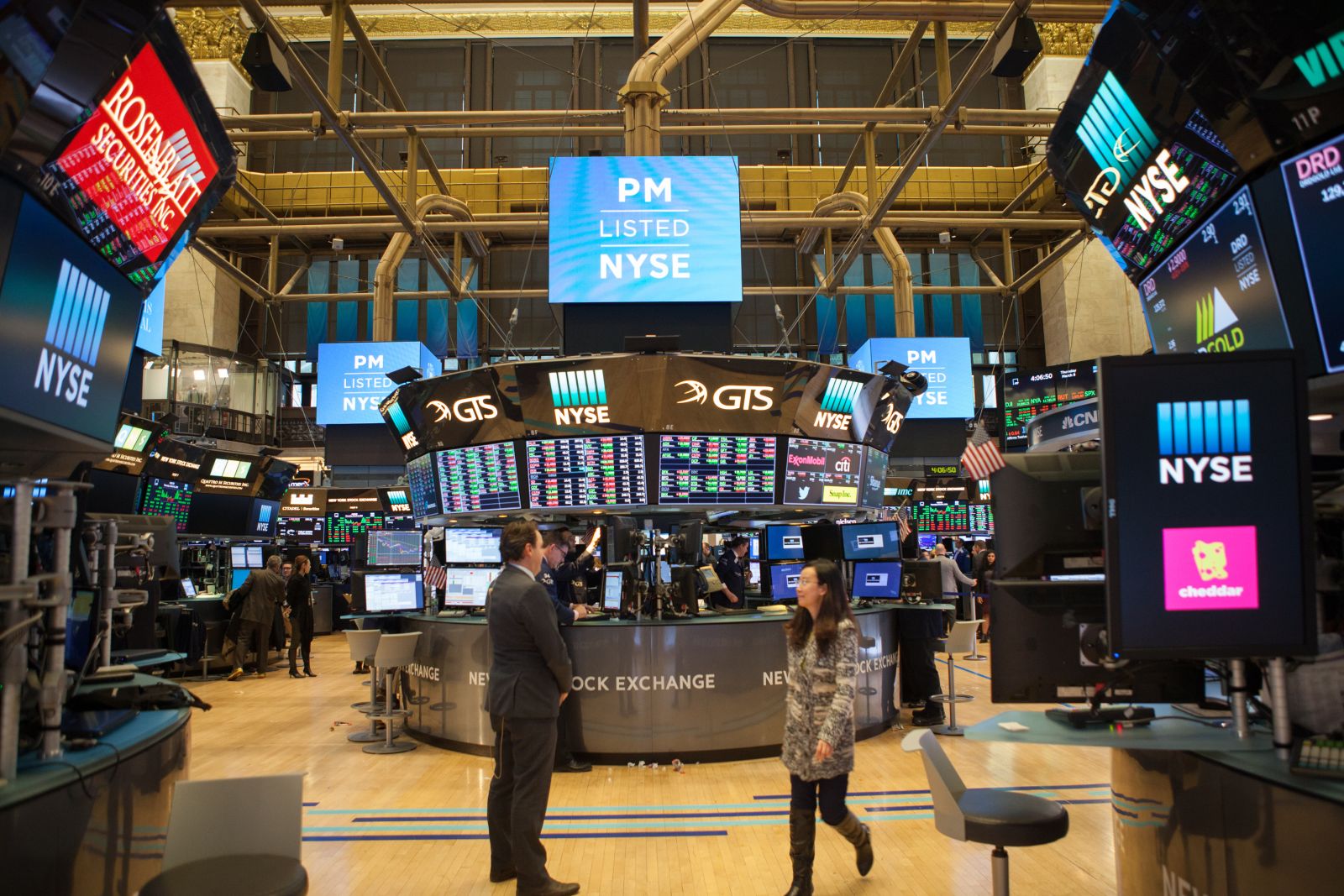
US Stocks Rise on Optimism Over Middle East Conflict Resolution
- Market Rally: The S&P 500 Index rose by 0.97%, the Dow Jones Industrial Average by 0.86%, and the Nasdaq 100 by 1.45%, reflecting growing investor confidence amid optimism that the Middle East conflict may soon conclude, which could stabilize global markets.
- Strong Economic Data: The US ADP employment change for March increased by 62,000, surpassing expectations of 40,000, while February retail sales rose by 0.6% month-over-month, indicating robust economic recovery that may influence Federal Reserve policy decisions.
- Interest Rate Outlook: Despite a mere 1% chance of a 25 basis point rate hike at the upcoming FOMC meeting, hawkish comments from St. Louis Fed President raised concerns about inflation and employment risks, potentially affecting investor sentiment and market dynamics.
- Divergent Stock Performances: Target Hospitality surged by over 37% after securing a multi-year contract worth over $550 million, while Nike fell by more than 13% due to revenue forecasts indicating a decline, highlighting varied market reactions to company-specific news.
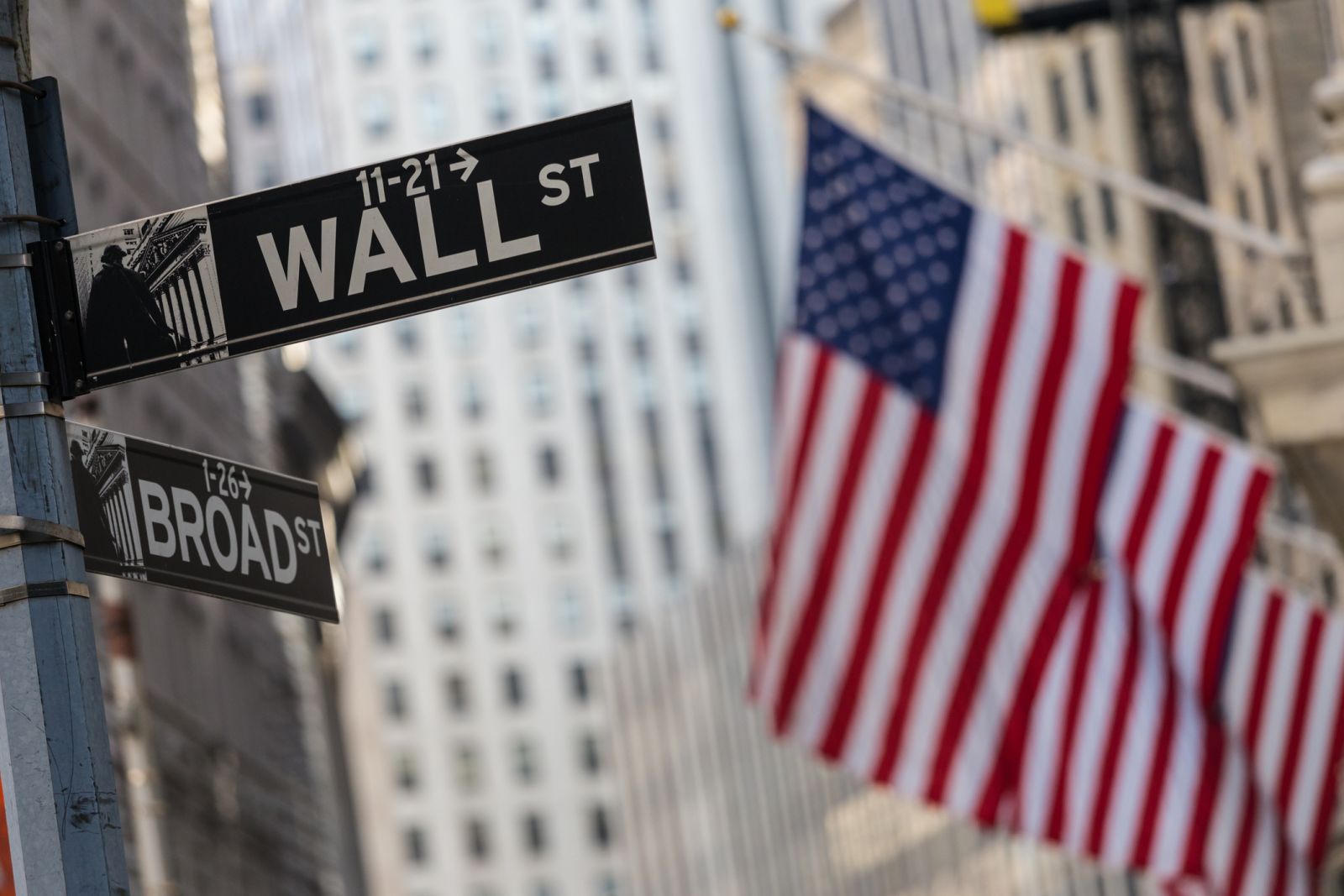
US Stocks Rise on Optimism Over Middle East Conflict Resolution


- Market Optimism: The S&P 500 index rose by 0.52%, the Dow Jones Industrial Average by 0.43%, and the Nasdaq 100 by 0.68%, reflecting investor optimism regarding a potential resolution to the Middle East conflict, which has fueled a continuation of Tuesday's strong rally.
- Strong Economic Data: The US ADP employment change for March increased by 62,000, surpassing expectations of 40,000, while February retail sales rose by 0.6% month-over-month, exceeding the anticipated 0.5%, bolstering market confidence in economic recovery and potentially influencing future monetary policy.
- Interest Rate Expectations: Despite hawkish comments from the St. Louis Fed President putting pressure on stocks, the market is still pricing in only a 1% chance of a 25 basis point rate hike at the upcoming FOMC meeting on April 28-29, indicating a cautious optimism regarding economic growth.
- Notable Stock Performances: Target Hospitality's stock surged over 28% after securing a multi-year contract worth over $550 million, while nCino's forecast of $569 million to $573 million in subscription revenue for 2027 exceeded market expectations, highlighting strong demand in the tech and service sectors.
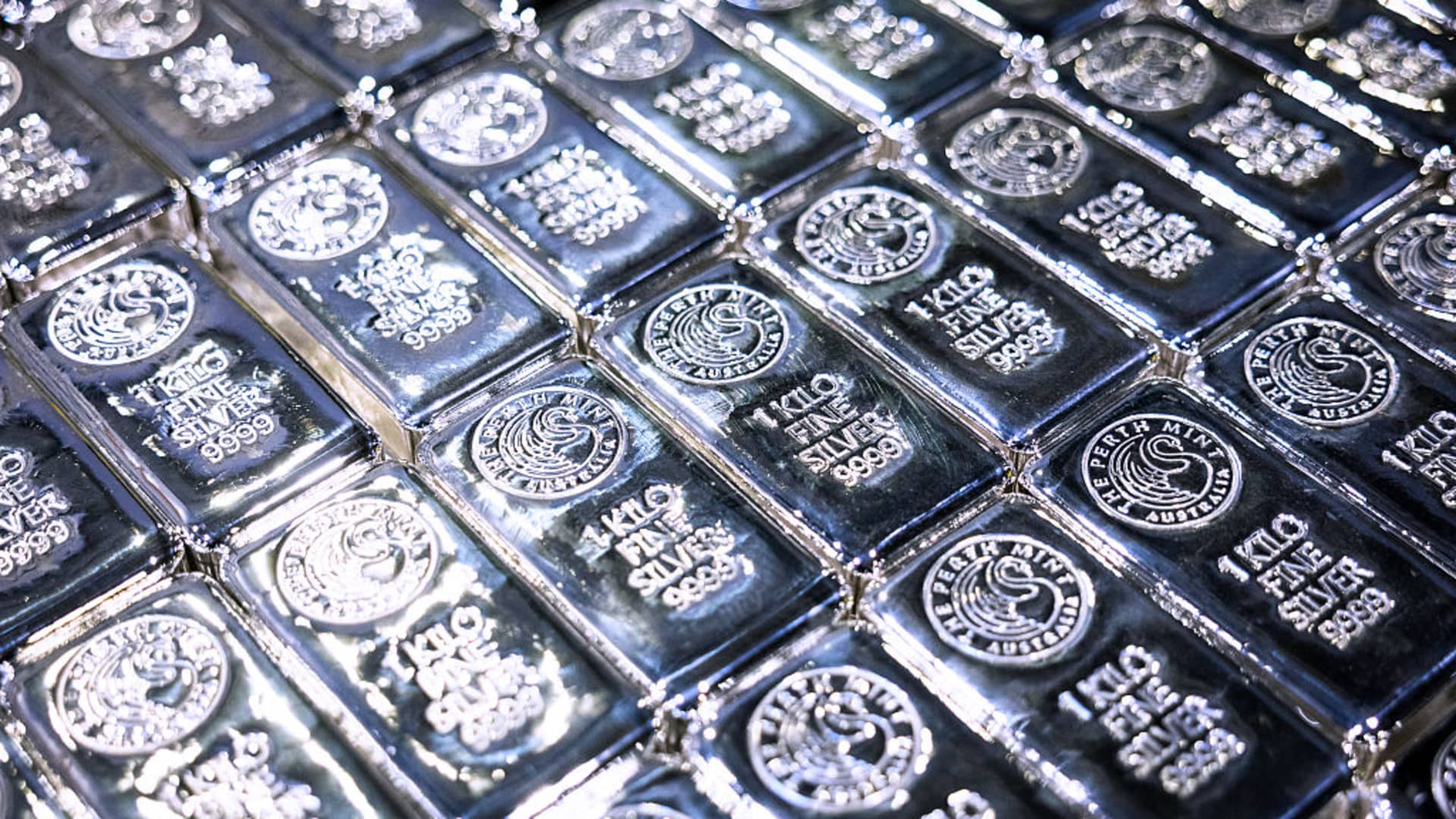
Silver Prices Plunge Amid Market Turmoil and Geopolitical Tensions
- Silver Price Volatility: In March, silver prices fell by 19.7%, marking the largest monthly decline since September 2011, as investors took profits amid the U.S.-Iran conflict, leading to heightened market anxiety and impacting investor confidence.
- Market Reaction: The closure of the Strait of Hormuz by Iran caused a spike in global oil prices, putting pressure on other supply chains and prompting indiscriminate selling across asset classes, with silver and gold being utilized as 'cash stations' during this turmoil.
- Potential for Rebound: Despite short-term pressures on silver prices, analysts believe that the exit of 'weak hands' from the market may lead to a rebound, with KKM's Kilburg projecting prices could rise to $90 to $100 per ounce if U.S.-Iran relations improve.
- Growing Industrial Demand: Despite market fluctuations, the demand for silver in industrial applications continues to grow, while its supply remains relatively scarce; Boockvar noted that the difficulty in mining silver could drive prices higher in the future.
US Stocks Plummet as Oil Prices Surge
- Oil Price Surge: Crude oil prices soared over 13% as President Trump took a tougher stance on Iran, reaching a 3.5-week high, which not only heightened inflation fears but also pushed bond yields higher, with the 10-year T-note yield rising by 2 basis points to 4.34%.
- Unemployment Claims Drop: Weekly initial unemployment claims unexpectedly fell by 9,000 to 202,000, indicating a stronger labor market than the anticipated increase to 212,000, which could provide support for the stock market amid rising inflation concerns.
- Global Market Decline: Overseas stock markets are lower, with the Euro Stoxx 50 down 2.25%, China's Shanghai Composite down 0.74%, and Japan's Nikkei 225 sharply falling 2.38% from a two-week high, reflecting global economic uncertainty and investor caution.
- Airline Stocks Plummet: Airline stocks are sharply lower as crude oil prices surged over 10%, raising fuel costs; United Airlines and American Airlines Group both fell more than 6%, highlighting the direct impact of rising oil prices on airline profitability.
Impact of War on Metal Markets
- Aluminum Surge: Since the onset of the war, aluminum futures have surged nearly 12%, indicating strong market demand that may reflect supply chain tensions and investor optimism about future needs.
- Precious Metals Decline: In stark contrast to aluminum, gold futures have fallen about 9%, while silver, palladium, and platinum futures have dropped between 17% and 19%, suggesting a waning interest in safe-haven assets and potential for increased market volatility.
- Tariff Impact: One year after Trump's tariff announcement, Walmart's stock has risen nearly 40%, and Tesla's shares have soared about 35%, indicating that some companies have successfully adapted to policy changes, while Best Buy's 15% decline highlights the varied impacts across different firms.
- Jobless Claims Expectations: Initial jobless claims are expected to reach 212,000, with a trade deficit forecast of $62 billion, up from last month's $54.46 billion, reflecting the complexities of economic recovery and market focus on upcoming economic data.
US Stocks Close Higher Amid Optimism Over Middle East Conflict Resolution
- Market Rally: The S&P 500 rose by 0.72%, the Dow Jones increased by 0.48%, and the Nasdaq 100 climbed by 1.18%, reflecting growing investor optimism regarding a potential resolution to the Middle East conflict, which has bolstered market confidence.
- Strong Economic Data: The US ADP employment change for March increased by 62,000, surpassing expectations of 40,000, while February retail sales rose by 0.6% month-over-month, indicating robust economic recovery that could influence Federal Reserve policy decisions.
- Interest Rate Expectations: Despite positive economic indicators, hawkish comments from St. Louis Fed President raised concerns about inflation and employment, leading to a mere 1% chance of a 25 basis point rate hike at the upcoming April FOMC meeting, reflecting cautious market sentiment.
- Divergent Stock Performances: Target Hospitality surged over 36% after securing a multi-year contract worth over $550 million, while Nike fell more than 15% due to revenue forecasts indicating a decline, highlighting the market's varied outlook on different companies' futures.
US Stocks Rise on Optimism Over Middle East Conflict Resolution
- Market Rally: The S&P 500 Index rose by 0.97%, the Dow Jones Industrial Average by 0.86%, and the Nasdaq 100 by 1.45%, reflecting growing investor confidence amid optimism that the Middle East conflict may soon conclude, which could stabilize global markets.
- Strong Economic Data: The US ADP employment change for March increased by 62,000, surpassing expectations of 40,000, while February retail sales rose by 0.6% month-over-month, indicating robust economic recovery that may influence Federal Reserve policy decisions.
- Interest Rate Outlook: Despite a mere 1% chance of a 25 basis point rate hike at the upcoming FOMC meeting, hawkish comments from St. Louis Fed President raised concerns about inflation and employment risks, potentially affecting investor sentiment and market dynamics.
- Divergent Stock Performances: Target Hospitality surged by over 37% after securing a multi-year contract worth over $550 million, while Nike fell by more than 13% due to revenue forecasts indicating a decline, highlighting varied market reactions to company-specific news.
US Stocks Rise on Optimism Over Middle East Conflict Resolution
- Market Optimism: The S&P 500 index rose by 0.52%, the Dow Jones Industrial Average by 0.43%, and the Nasdaq 100 by 0.68%, reflecting investor optimism regarding a potential resolution to the Middle East conflict, which has fueled a continuation of Tuesday's strong rally.
- Strong Economic Data: The US ADP employment change for March increased by 62,000, surpassing expectations of 40,000, while February retail sales rose by 0.6% month-over-month, exceeding the anticipated 0.5%, bolstering market confidence in economic recovery and potentially influencing future monetary policy.
- Interest Rate Expectations: Despite hawkish comments from the St. Louis Fed President putting pressure on stocks, the market is still pricing in only a 1% chance of a 25 basis point rate hike at the upcoming FOMC meeting on April 28-29, indicating a cautious optimism regarding economic growth.
- Notable Stock Performances: Target Hospitality's stock surged over 28% after securing a multi-year contract worth over $550 million, while nCino's forecast of $569 million to $573 million in subscription revenue for 2027 exceeded market expectations, highlighting strong demand in the tech and service sectors.
Silver Prices Plunge Amid Market Turmoil and Geopolitical Tensions
- Silver Price Volatility: In March, silver prices fell by 19.7%, marking the largest monthly decline since September 2011, as investors took profits amid the U.S.-Iran conflict, leading to heightened market anxiety and impacting investor confidence.
- Market Reaction: The closure of the Strait of Hormuz by Iran caused a spike in global oil prices, putting pressure on other supply chains and prompting indiscriminate selling across asset classes, with silver and gold being utilized as 'cash stations' during this turmoil.
- Potential for Rebound: Despite short-term pressures on silver prices, analysts believe that the exit of 'weak hands' from the market may lead to a rebound, with KKM's Kilburg projecting prices could rise to $90 to $100 per ounce if U.S.-Iran relations improve.
- Growing Industrial Demand: Despite market fluctuations, the demand for silver in industrial applications continues to grow, while its supply remains relatively scarce; Boockvar noted that the difficulty in mining silver could drive prices higher in the future.