XPO Inc. Outperforms Despite Broader Market Decline
Written by Emily J. Thompson, Senior Investment Analyst
Updated: Apr 16 2026
0mins

Should l Buy XPO?
Source: AlphaStreet
XPO Inc. saw a price increase of 3.06% and reached a 52-week high, showcasing its strong market performance amidst a generally declining market.
XPO was highlighted as the best-performing component in its ETF, rising by approximately 2.5%, suggesting that investors are recognizing its robust business model and potential for growth, despite the S&P 500 and Nasdaq-100 experiencing declines of 0.26% and 0.35%, respectively. This performance indicates a positive sentiment towards XPO's operational strategies and market positioning.
The implications of XPO's strong performance could attract further investor interest, potentially leading to increased capital inflow and reinforcing its market position as a leader in the logistics sector.
Trade with 70% Backtested Accuracy
Stop guessing "Should I Buy XPO?" and start using high-conviction signals backed by rigorous historical data.
Sign up today to access powerful investing tools and make smarter, data-driven decisions.
Analyst Views on XPO
Wall Street analysts forecast XPO stock price to fall
19 Analyst Rating
15 Buy
3 Hold
1 Sell
Moderate Buy
Current: 199.950

Low
90.00
Averages
155.22
High
171.00
Current: 199.950
Low
90.00
Averages
155.22
High
171.00
About XPO
XPO, Inc. is a provider of freight transportation services. The Company uses its proprietary technology to move goods through its customers supply chains in North America and Europe. It operates through two segments: North American Less-Than-Truckload (LTL), and European Transportation. The North American LTL segment provides shippers with geographic density and day-definite domestic and cross-border services to the United States (U.S.), as well as Mexico, Canada, and the Caribbean. It also includes trailer manufacturing operations. The European Transportation segment offers a range of services, such as truckload, LTL, full truckload brokerage, warehousing, managed transportation, last mile, freight forwarding, and multimodal solutions. It serves a base of customers in consumer, trade, and industrial markets. The Company offers XPO Smart, its proprietary suite of intelligent tools and analytics that self-adjusts site by site to drive productivity across LTL service center operations.
About the author

Emily J. Thompson
Emily J. Thompson, a Chartered Financial Analyst (CFA) with 12 years in investment research, graduated with honors from the Wharton School. Specializing in industrial and technology stocks, she provides in-depth analysis for Intellectia’s earnings and market brief reports.
Amazon Launches Supply Chain Services, Disrupting Logistics Industry


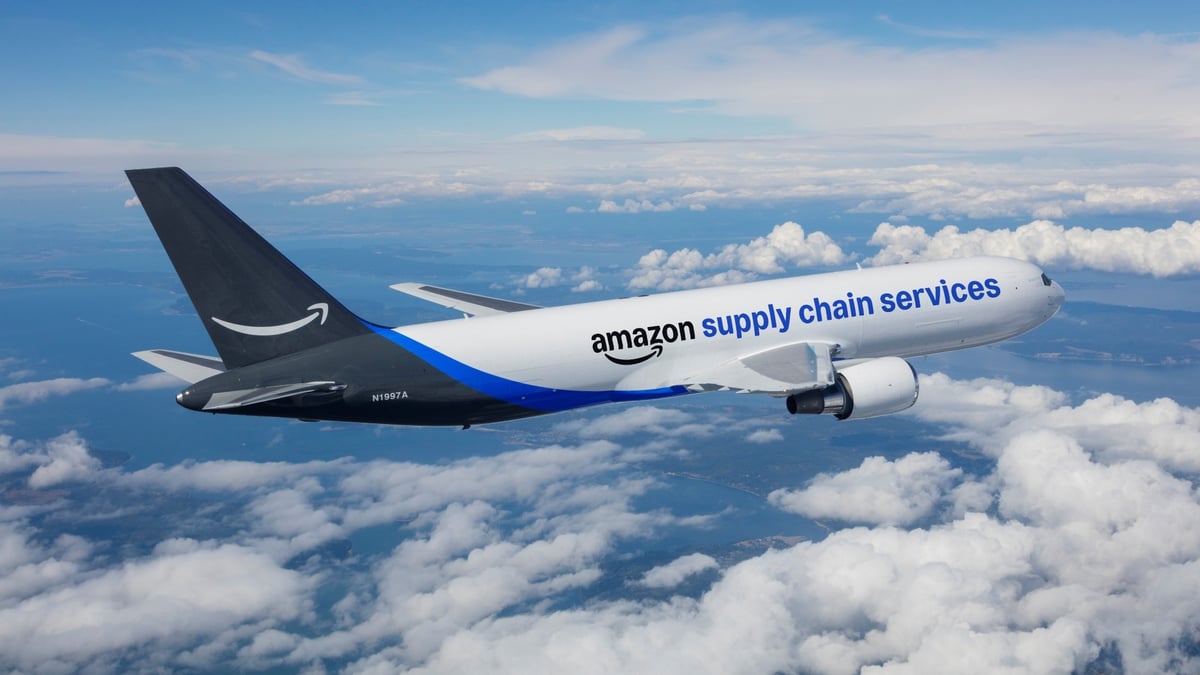
- New Business Launch: Amazon announced the launch of Amazon Supply Chain Services (ASCS), opening its logistics network to external business customers, marking its direct competition in the logistics sector and potentially pressuring traditional delivery companies.
- Diverse Customer Base: Initial customers include Procter & Gamble, 3M, Lands' End, and American Eagle, which utilize Amazon's logistics services for raw material transportation and inventory unification, showcasing Amazon's potential in supply chain management.
- Large Market Size: The global third-party logistics services market is valued at $1.3 trillion, indicating that Amazon does not need to capture a significant market share to impact its overall business, highlighting the strategic significance of its market entry.
- Complex Competitive Outlook: While Amazon has robust infrastructure, historical precedents suggest that its threat to supermarkets and pharmacy sectors was exaggerated, indicating that its future success in logistics may still require time to validate.
See More

XPO INC: TD Cowen Increases Price Target to $224, Up from $192
- Target Price Increase: TD Cowen has raised its target price for a specific stock to $224 from $192.
- Market Implications: This adjustment reflects a positive outlook on the stock's performance and potential growth in the market.
See More
XPO Reports Record Q1 2026 Earnings with Strong Momentum
- Record Financial Performance: XPO achieved total revenue of $2.1 billion in Q1 2026, a 7% year-over-year increase, with adjusted EBITDA reaching $319 million, up 15%, reflecting the company's strong market performance and enhanced profitability.
- Operational Efficiency Gains: The North American LTL segment saw adjusted operating income rise by 20%, with an operating ratio improvement of 200 basis points to 83.9%, which not only exceeds seasonal expectations but also lays a solid foundation for future profit growth.
- Technology-Driven Loss Control: By implementing new AI technology, XPO reduced its damage claims ratio to below 0.2%, achieving a record low, indicating the company's ongoing efforts to enhance operational efficiency and customer satisfaction.
- Optimistic Future Outlook: Management anticipates further improvement in the operating ratio by 250 to 300 basis points in Q2 and expresses confidence in year-over-year revenue and yield growth, demonstrating the company's positive outlook for future market performance.
See More

XPO Stock Doubles Amid Positive Industry Outlook

- Significant Revenue Growth: XPO's Q1 revenue rose 7.3% year-over-year to $2.1 billion, surpassing market expectations of $2.04 billion, indicating a recovery in tonnage and shipments that reflects improving industry demand.
- Operational Efficiency Improvement: The company's operating ratio improved by 200 basis points to 83.9%, primarily due to a record low damage claims ratio of 0.2%, which not only reduced costs but also enhanced overall profitability.
- Capital Expenditure Plans: XPO plans to allocate 8%-12% of its revenue to capital expenditures through 2027 and expects free cash flow to double from last year's $329 million, demonstrating strong cash flow management and future investment potential.
- Market Share Expansion: The bankruptcy of Yellow has allowed XPO and its peers to gain market share, with industry dynamics enhancing pricing power, leading to anticipated sustained profit growth in the coming years, further solidifying its market position.
See More
XPO Reports Strong Q1 Earnings, Beats Expectations
- Earnings Beat: XPO's Q1 non-GAAP EPS of $1.01 surpassed expectations by $0.13, reflecting strong performance in cost management and operational efficiency, which bolsters investor confidence.
- Revenue Growth: The company reported Q1 revenue of $2.09 billion, a 7.2% year-over-year increase, exceeding market expectations by $50 million, indicating robust demand in the logistics and transportation sectors that drives overall performance.
- Valuation Concerns: Despite the strong earnings, analysts caution that XPO's valuation has become too high, lacking a margin of safety, which could exert downward pressure on future stock prices, prompting investors to assess risks carefully.
- Strategic Moves: ClearBridge Growth Strategy exited positions in Chipotle and Pinterest during Q1, demonstrating a keen response to market dynamics, which may influence market sentiment and investor confidence regarding XPO.
See More

US Stock Update: Tech Stocks and Economic Data Insights


- Eli Lilly's Decline: Eli Lilly's stock has dropped about 17% over the past three months and is down 25% from its January peak, indicating pressure on the company amidst competitive market conditions that may affect investor confidence moving forward.
- Caterpillar's Strong Growth: Caterpillar shares surged approximately 22% in the last three months and 163% over the past year, benefiting from the data center construction boom, showcasing its strategic advantage in infrastructure investments.
- Amazon's Cloud Service Growth: Amazon reported a 28% growth in its cloud services in its latest earnings report, with shares rising 3% in after-hours trading and approximately 18% year-to-date, reflecting its sustained strong performance in the cloud computing market.
- Bond Yield Changes: The 1-month Treasury bill yield stands at 3.64%, while the 10-year Treasury yield is at 4.43%, indicating shifts in market expectations regarding future economic growth, which may influence investors' asset allocation strategies.
See More
Amazon Launches Supply Chain Services, Disrupting Logistics Industry
- New Business Launch: Amazon announced the launch of Amazon Supply Chain Services (ASCS), opening its logistics network to external business customers, marking its direct competition in the logistics sector and potentially pressuring traditional delivery companies.
- Diverse Customer Base: Initial customers include Procter & Gamble, 3M, Lands' End, and American Eagle, which utilize Amazon's logistics services for raw material transportation and inventory unification, showcasing Amazon's potential in supply chain management.
- Large Market Size: The global third-party logistics services market is valued at $1.3 trillion, indicating that Amazon does not need to capture a significant market share to impact its overall business, highlighting the strategic significance of its market entry.
- Complex Competitive Outlook: While Amazon has robust infrastructure, historical precedents suggest that its threat to supermarkets and pharmacy sectors was exaggerated, indicating that its future success in logistics may still require time to validate.
See More
XPO INC: TD Cowen Increases Price Target to $224, Up from $192
- Target Price Increase: TD Cowen has raised its target price for a specific stock to $224 from $192.
- Market Implications: This adjustment reflects a positive outlook on the stock's performance and potential growth in the market.
See More
XPO Reports Record Q1 2026 Earnings with Strong Momentum
- Record Financial Performance: XPO achieved total revenue of $2.1 billion in Q1 2026, a 7% year-over-year increase, with adjusted EBITDA reaching $319 million, up 15%, reflecting the company's strong market performance and enhanced profitability.
- Operational Efficiency Gains: The North American LTL segment saw adjusted operating income rise by 20%, with an operating ratio improvement of 200 basis points to 83.9%, which not only exceeds seasonal expectations but also lays a solid foundation for future profit growth.
- Technology-Driven Loss Control: By implementing new AI technology, XPO reduced its damage claims ratio to below 0.2%, achieving a record low, indicating the company's ongoing efforts to enhance operational efficiency and customer satisfaction.
- Optimistic Future Outlook: Management anticipates further improvement in the operating ratio by 250 to 300 basis points in Q2 and expresses confidence in year-over-year revenue and yield growth, demonstrating the company's positive outlook for future market performance.
See More
XPO Stock Doubles Amid Positive Industry Outlook
- Significant Revenue Growth: XPO's Q1 revenue rose 7.3% year-over-year to $2.1 billion, surpassing market expectations of $2.04 billion, indicating a recovery in tonnage and shipments that reflects improving industry demand.
- Operational Efficiency Improvement: The company's operating ratio improved by 200 basis points to 83.9%, primarily due to a record low damage claims ratio of 0.2%, which not only reduced costs but also enhanced overall profitability.
- Capital Expenditure Plans: XPO plans to allocate 8%-12% of its revenue to capital expenditures through 2027 and expects free cash flow to double from last year's $329 million, demonstrating strong cash flow management and future investment potential.
- Market Share Expansion: The bankruptcy of Yellow has allowed XPO and its peers to gain market share, with industry dynamics enhancing pricing power, leading to anticipated sustained profit growth in the coming years, further solidifying its market position.
See More
XPO Reports Strong Q1 Earnings, Beats Expectations
- Earnings Beat: XPO's Q1 non-GAAP EPS of $1.01 surpassed expectations by $0.13, reflecting strong performance in cost management and operational efficiency, which bolsters investor confidence.
- Revenue Growth: The company reported Q1 revenue of $2.09 billion, a 7.2% year-over-year increase, exceeding market expectations by $50 million, indicating robust demand in the logistics and transportation sectors that drives overall performance.
- Valuation Concerns: Despite the strong earnings, analysts caution that XPO's valuation has become too high, lacking a margin of safety, which could exert downward pressure on future stock prices, prompting investors to assess risks carefully.
- Strategic Moves: ClearBridge Growth Strategy exited positions in Chipotle and Pinterest during Q1, demonstrating a keen response to market dynamics, which may influence market sentiment and investor confidence regarding XPO.
See More
US Stock Update: Tech Stocks and Economic Data Insights
- Eli Lilly's Decline: Eli Lilly's stock has dropped about 17% over the past three months and is down 25% from its January peak, indicating pressure on the company amidst competitive market conditions that may affect investor confidence moving forward.
- Caterpillar's Strong Growth: Caterpillar shares surged approximately 22% in the last three months and 163% over the past year, benefiting from the data center construction boom, showcasing its strategic advantage in infrastructure investments.
- Amazon's Cloud Service Growth: Amazon reported a 28% growth in its cloud services in its latest earnings report, with shares rising 3% in after-hours trading and approximately 18% year-to-date, reflecting its sustained strong performance in the cloud computing market.
- Bond Yield Changes: The 1-month Treasury bill yield stands at 3.64%, while the 10-year Treasury yield is at 4.43%, indicating shifts in market expectations regarding future economic growth, which may influence investors' asset allocation strategies.
See More