Wingstop Inc. stock declines amid market weakness
Written by Emily J. Thompson, Senior Investment Analyst
Updated: Dec 18 2024
0mins
Wingstop Inc. shares fell by 5.38% as the stock crossed below its 5-day SMA, reflecting a negative sentiment in the market.
The decline in Wingstop's stock price comes amid broader market weakness, with the Nasdaq-100 down 0.15% and the S&P 500 down 0.55%. This suggests a sector rotation, as investors may be reallocating their portfolios away from restaurant stocks in favor of other sectors.
The implications of this movement indicate that Wingstop may face continued pressure unless there are positive developments or changes in market sentiment.
Trade with 70% Backtested Accuracy
Stop guessing "Should I Buy WING?" and start using high-conviction signals backed by rigorous historical data.
Sign up today to access powerful investing tools and make smarter, data-driven decisions.
Analyst Views on WING
Wall Street analysts forecast WING stock price to rise
22 Analyst Rating
19 Buy
3 Hold
0 Sell
Strong Buy
Current: 150.050

Low
268.69
Averages
330.13
High
400.00
Current: 150.050
Low
268.69
Averages
330.13
High
400.00
About WING
Wingstop Inc. is a fast casual chicken wings-focused restaurant chain in the world, with more than 2,550 locations worldwide. The Company is in the business of franchising and operating Wingstop restaurants. The Company is primarily a franchisor, with approximately 98% of its restaurants owned and operated by independent franchisees. The Company offers classic wings, boneless wings, tenders, and chicken sandwiches, always cooked to order, and hand-sauced-and-tossed in 12 bold, distinctive flavors. It also complements its wings, tenders, and chicken sandwiches with fresh-cut, seasoned fries and fresh, hand-cut carrots and celery. It offers various order options, including dine-in / carryout / delivery; individual / combo meals / family packs. Its menu also features signature sides, including fresh-cut, seasoned fries and freshly made ranch and bleu cheese dips. The Company operates approximately a total of 2,513 restaurants in 45 states and 12 countries and United States territories.
About the author

Emily J. Thompson
Emily J. Thompson, a Chartered Financial Analyst (CFA) with 12 years in investment research, graduated with honors from the Wharton School. Specializing in industrial and technology stocks, she provides in-depth analysis for Intellectia’s earnings and market brief reports.

Wingstop Shares Dip Slightly Amid Positive Earnings Outlook
- Stock Performance: Wingstop (WING) closed at $142.23, down 1.56% from the previous day, yet this decline was less than the S&P 500's 2.65% drop, indicating relative resilience and market confidence in its future performance.
- Earnings Expectations: The upcoming earnings report is anticipated to show an EPS of $1.02, a 2% increase year-over-year, with projected net sales of $190.27 million, reflecting a 9.14% growth from the prior year, suggesting the company maintains growth potential in a competitive restaurant market.
- Analyst Ratings: Wingstop currently holds a Zacks Rank of #3 (Hold), with a 0.25% increase in EPS estimates over the past month, indicating analysts' optimistic outlook on short-term business trends, which could positively influence the stock price.
- Valuation Analysis: With a forward P/E ratio of 31.47, Wingstop trades at a premium compared to the industry average of 19.88; however, its PEG ratio of 1.61 is lower than the industry average of 1.77, suggesting that the stock remains attractive given future earnings growth expectations.
See More

Wingstop Launches First National Loyalty Program
- Loyalty Program Launch: Wingstop activated its first national loyalty program, Club Wingstop, last week, aiming to enhance customer engagement through an experience-led points system that drives sales growth.
- Digital Ecosystem Expansion: Positioned as an extension of the MyWingstop digital ecosystem, the program leverages over 70% of digital sales, with expectations to boost visit frequency and lifetime value through personalized offers and content.
- Sales Growth Expectations: Mizuho analyst Nick Setyan estimates that the loyalty program could contribute over 3% to same-store sales growth, while BNP Paribas analyst Steve McManus believes it will help Wingstop better address customer needs, a key friction point recently.
- Market Performance Pressure: Despite the loyalty program launch, Wingstop's shares have declined over 40% year-to-date, with short interest at 19.1%, indicating market concerns about its future performance.
See More

Wingstop Launches New Loyalty Program Club Wingstop
- Loyalty Program Innovation: Wingstop's newly launched Club Wingstop loyalty program aims to enhance customer experience through digital innovation, emphasizing the 'Members Eat First' philosophy, which is expected to increase customer loyalty and drive sales growth.
- Limited Edition Product Launch: The 'Club in a Box' limited edition product, created in collaboration with celebrity Maura Higgins, includes various unique items priced at just 94 cents, designed to attract loyal fans and enhance brand affinity.
- Unique Member Benefits: Club Wingstop offers innovative features such as points-sharing and group ordering, along with exclusive access to events and new flavors, which are anticipated to boost customer engagement and brand loyalty.
- Cultural Experience Integration: The program will further enhance brand influence through partnerships with cultural events like WWE and NBA, showcasing Wingstop's commitment to loyal customers and advancing its goal of becoming a top 10 global restaurant brand.
See More
Wingstop Launches Summer Value Bundles for Memorial Day
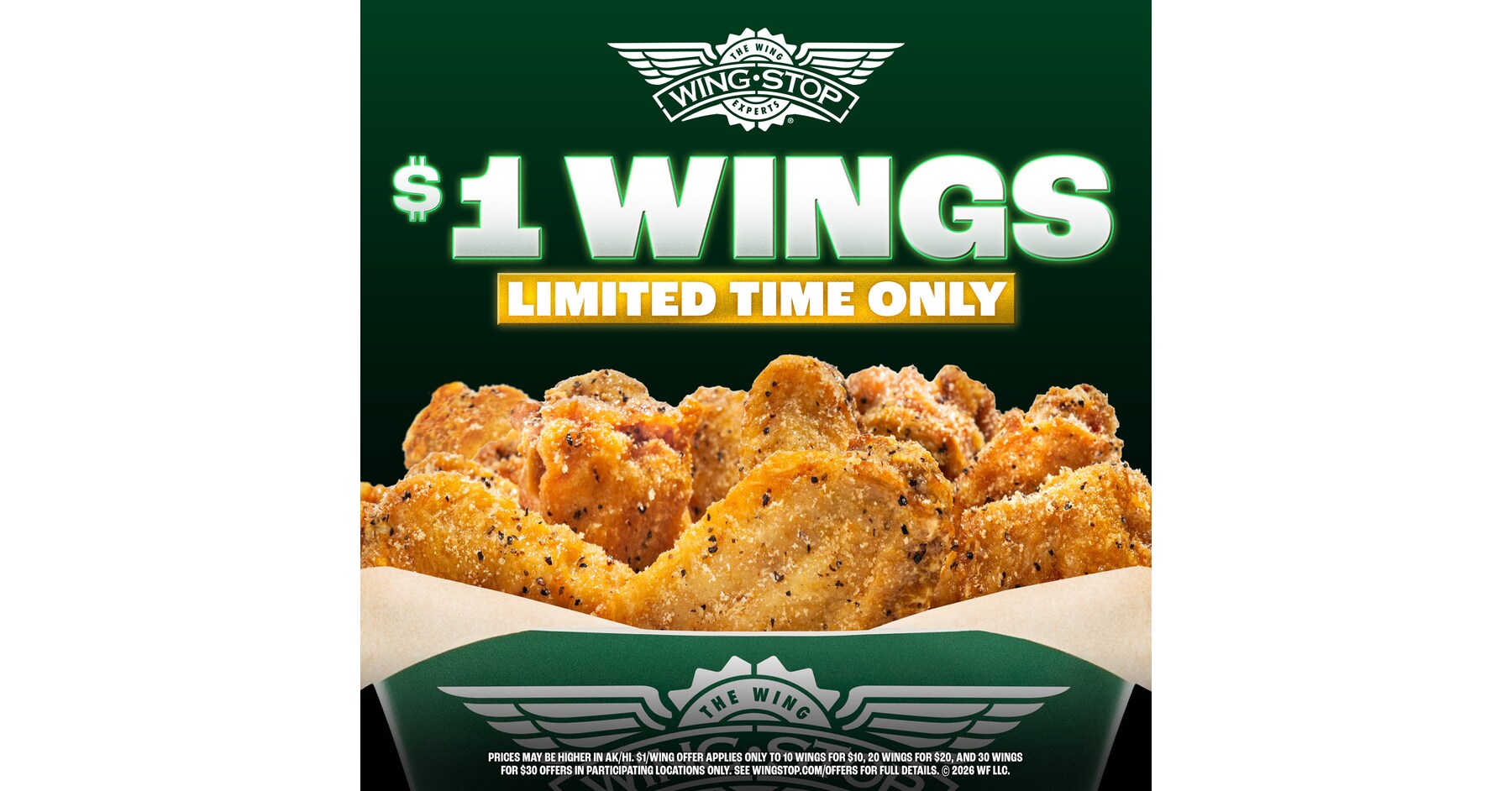
- Summer Value Bundles: Wingstop introduces limited-time bundles with 10 wings for $10, 20 wings for $20, and 30 wings for $30, aimed at enticing customers to enjoy flavorful meals during the Memorial Day weekend, thereby boosting sales.
- Diverse Options: Customers can choose from Classic Wings, Boneless Wings, or Mix & Match, catering to various taste preferences, enhancing brand appeal, and increasing customer retention.
- New Flavor Launch: The introduction of the new Citrus Mojo flavor, a zesty blend of citrus, garlic, and herbs, enriches Wingstop's lineup of 12 classic flavors, enhancing product diversity and market competitiveness.
- Convenient Online Ordering: The offer is exclusively available through the Wingstop app and website, facilitating easy ordering for customers, which is expected to drive online sales growth and align with modern consumer shopping habits.
See More
Wingstop Faces First Same-Store Sales Decline in Over Two Decades
- Sales Decline: Wingstop's same-store sales fell nearly 9% in Q1, marking the end of a 21-year positive growth streak, reflecting persistent traffic weakness that has led to a 25% stock drop since April 29.
- Strong Expansion Plans: Despite sales challenges, Wingstop opened a record 493 new restaurants last year and is guiding for 15% store growth this year, indicating a robust development pipeline of over 2,200 units.
- Franchise Model Resilience: With 98% of its locations operated by independent franchisees, Wingstop is better positioned to navigate current challenges, as it continues to collect royalties and advertising fees from a growing restaurant base despite negative organic growth.
- Smart Kitchen Rollout: The company is rolling out its
See More
Wingstop Launches House of Flavor Experience in North America
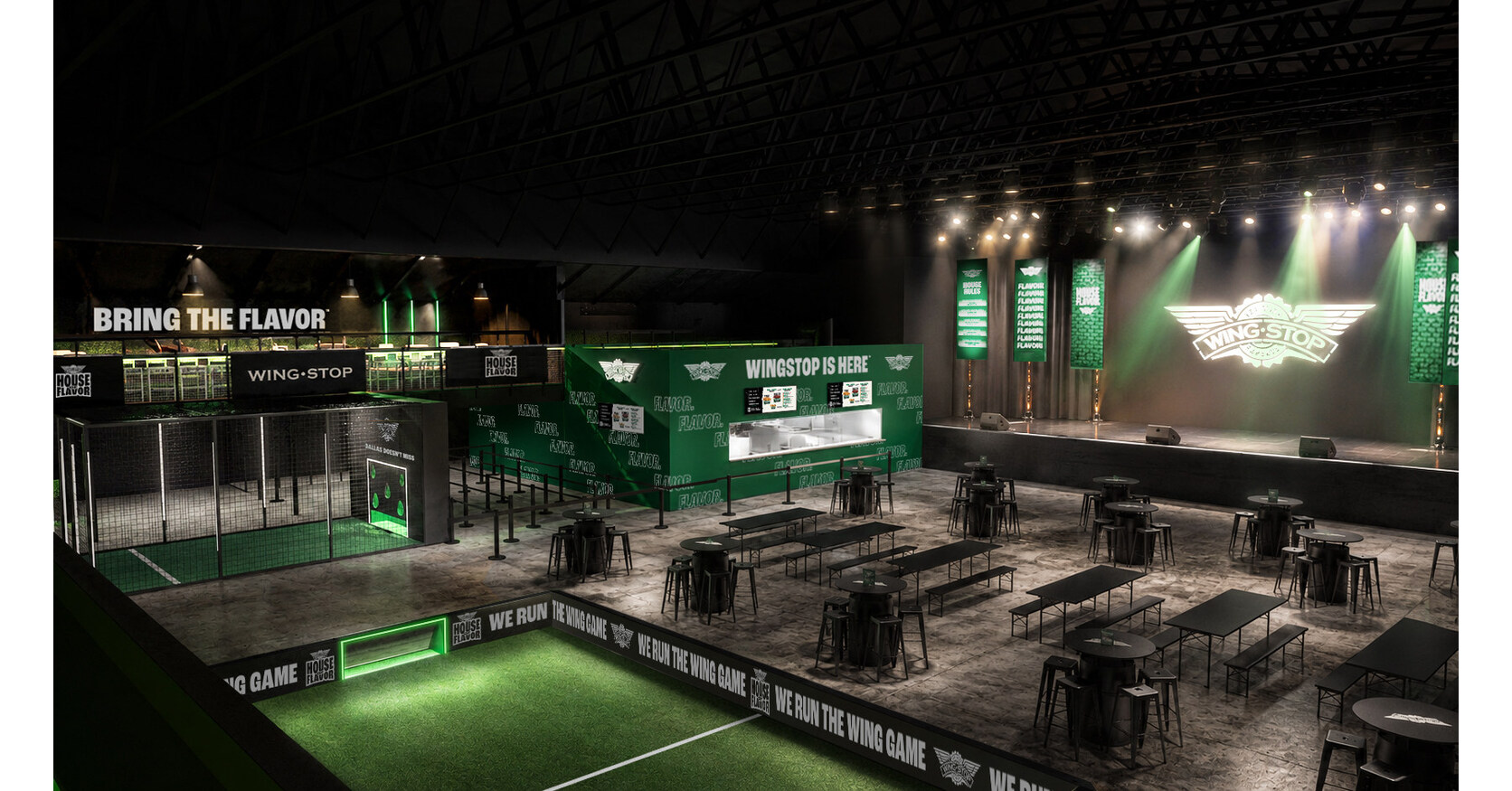
- Flavor Experience Debut: Wingstop is introducing its House of Flavor experience to North America for the first time, scheduled for June in Dallas and Toronto, aiming to attract more consumers through culturally-driven events and enhance brand influence.
- Unique Event Features: The events in Toronto and Dallas will not only offer signature wings but also feature live DJs, gameday watch parties, and exclusive performances, expected to draw large crowds and strengthen brand loyalty.
- Cultural and Community Focus: Wingstop's Chief Brand Officer, Donnie Upshaw, stated that House of Flavor aims to unite fans through craveable flavors and culture, further boosting brand recognition and market share among younger consumers.
- Global Expansion Strategy: This event is part of Wingstop's strategy to promote its brand globally, following successful runs in Milan and Paris, with the North American launch laying the groundwork for future growth and aiming to become a top ten global restaurant brand.
See More
Wingstop Shares Dip Slightly Amid Positive Earnings Outlook
- Stock Performance: Wingstop (WING) closed at $142.23, down 1.56% from the previous day, yet this decline was less than the S&P 500's 2.65% drop, indicating relative resilience and market confidence in its future performance.
- Earnings Expectations: The upcoming earnings report is anticipated to show an EPS of $1.02, a 2% increase year-over-year, with projected net sales of $190.27 million, reflecting a 9.14% growth from the prior year, suggesting the company maintains growth potential in a competitive restaurant market.
- Analyst Ratings: Wingstop currently holds a Zacks Rank of #3 (Hold), with a 0.25% increase in EPS estimates over the past month, indicating analysts' optimistic outlook on short-term business trends, which could positively influence the stock price.
- Valuation Analysis: With a forward P/E ratio of 31.47, Wingstop trades at a premium compared to the industry average of 19.88; however, its PEG ratio of 1.61 is lower than the industry average of 1.77, suggesting that the stock remains attractive given future earnings growth expectations.
See More
Wingstop Launches First National Loyalty Program
- Loyalty Program Launch: Wingstop activated its first national loyalty program, Club Wingstop, last week, aiming to enhance customer engagement through an experience-led points system that drives sales growth.
- Digital Ecosystem Expansion: Positioned as an extension of the MyWingstop digital ecosystem, the program leverages over 70% of digital sales, with expectations to boost visit frequency and lifetime value through personalized offers and content.
- Sales Growth Expectations: Mizuho analyst Nick Setyan estimates that the loyalty program could contribute over 3% to same-store sales growth, while BNP Paribas analyst Steve McManus believes it will help Wingstop better address customer needs, a key friction point recently.
- Market Performance Pressure: Despite the loyalty program launch, Wingstop's shares have declined over 40% year-to-date, with short interest at 19.1%, indicating market concerns about its future performance.
See More
Wingstop Launches New Loyalty Program Club Wingstop
- Loyalty Program Innovation: Wingstop's newly launched Club Wingstop loyalty program aims to enhance customer experience through digital innovation, emphasizing the 'Members Eat First' philosophy, which is expected to increase customer loyalty and drive sales growth.
- Limited Edition Product Launch: The 'Club in a Box' limited edition product, created in collaboration with celebrity Maura Higgins, includes various unique items priced at just 94 cents, designed to attract loyal fans and enhance brand affinity.
- Unique Member Benefits: Club Wingstop offers innovative features such as points-sharing and group ordering, along with exclusive access to events and new flavors, which are anticipated to boost customer engagement and brand loyalty.
- Cultural Experience Integration: The program will further enhance brand influence through partnerships with cultural events like WWE and NBA, showcasing Wingstop's commitment to loyal customers and advancing its goal of becoming a top 10 global restaurant brand.
See More
Wingstop Launches Summer Value Bundles for Memorial Day
- Summer Value Bundles: Wingstop introduces limited-time bundles with 10 wings for $10, 20 wings for $20, and 30 wings for $30, aimed at enticing customers to enjoy flavorful meals during the Memorial Day weekend, thereby boosting sales.
- Diverse Options: Customers can choose from Classic Wings, Boneless Wings, or Mix & Match, catering to various taste preferences, enhancing brand appeal, and increasing customer retention.
- New Flavor Launch: The introduction of the new Citrus Mojo flavor, a zesty blend of citrus, garlic, and herbs, enriches Wingstop's lineup of 12 classic flavors, enhancing product diversity and market competitiveness.
- Convenient Online Ordering: The offer is exclusively available through the Wingstop app and website, facilitating easy ordering for customers, which is expected to drive online sales growth and align with modern consumer shopping habits.
See More
Wingstop Faces First Same-Store Sales Decline in Over Two Decades
- Sales Decline: Wingstop's same-store sales fell nearly 9% in Q1, marking the end of a 21-year positive growth streak, reflecting persistent traffic weakness that has led to a 25% stock drop since April 29.
- Strong Expansion Plans: Despite sales challenges, Wingstop opened a record 493 new restaurants last year and is guiding for 15% store growth this year, indicating a robust development pipeline of over 2,200 units.
- Franchise Model Resilience: With 98% of its locations operated by independent franchisees, Wingstop is better positioned to navigate current challenges, as it continues to collect royalties and advertising fees from a growing restaurant base despite negative organic growth.
- Smart Kitchen Rollout: The company is rolling out its
See More
Wingstop Launches House of Flavor Experience in North America
- Flavor Experience Debut: Wingstop is introducing its House of Flavor experience to North America for the first time, scheduled for June in Dallas and Toronto, aiming to attract more consumers through culturally-driven events and enhance brand influence.
- Unique Event Features: The events in Toronto and Dallas will not only offer signature wings but also feature live DJs, gameday watch parties, and exclusive performances, expected to draw large crowds and strengthen brand loyalty.
- Cultural and Community Focus: Wingstop's Chief Brand Officer, Donnie Upshaw, stated that House of Flavor aims to unite fans through craveable flavors and culture, further boosting brand recognition and market share among younger consumers.
- Global Expansion Strategy: This event is part of Wingstop's strategy to promote its brand globally, following successful runs in Milan and Paris, with the North American launch laying the groundwork for future growth and aiming to become a top ten global restaurant brand.
See More