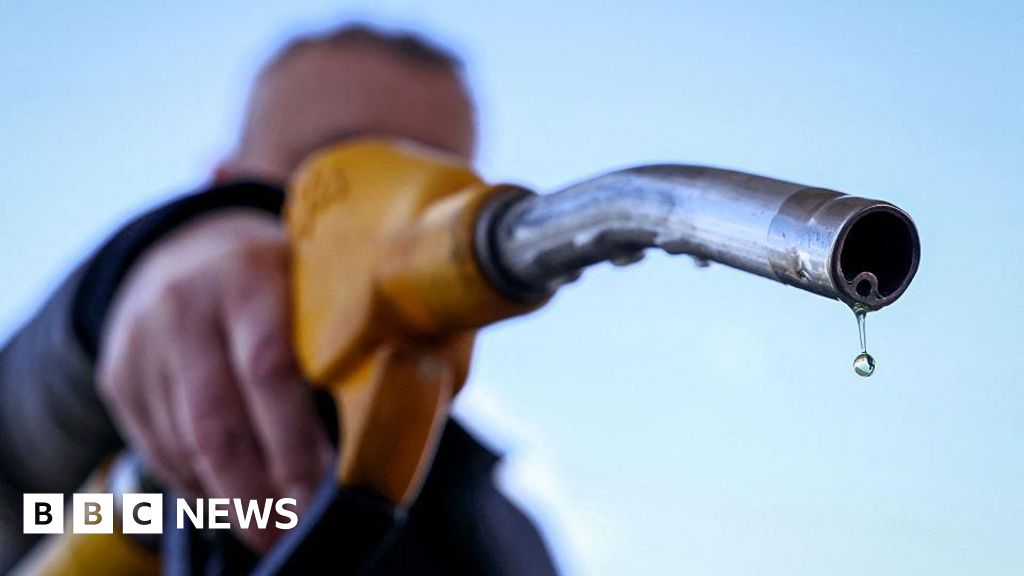
U.S. Rare Earth Miners' Shares Rise on New Reserve Plan

United States Antimony Corp's shares fell by 5.11% as it crossed below the 5-day SMA amid broader market gains in the Nasdaq-100 and S&P 500.
Despite the positive market response to President Trump's announcement of a $12 billion critical mineral reserve, which aims to bolster U.S. rare earth mining and reduce reliance on China, United States Antimony Corp experienced a decline in its stock price. The initiative, known as Project Vault, is designed to protect U.S. tech firms and automakers from supply shocks, but it appears that sector rotation is impacting UAMY's performance negatively.
This decline may reflect a sector rotation away from U.S. rare earth miners despite the overall market strength, indicating that investors are reallocating their portfolios in response to the new reserve plan.
Trade with 70% Backtested Accuracy
Analyst Views on UAMY

About UAMY
About the author


Israeli President Herzog Discusses Iran War with U.S. Business Leaders


- Necessity of War: Israeli President Herzog stated at the Yale CEO caucus that despite the high costs, the war against Iran, initiated jointly with the U.S., is a necessary price for a better future in the Middle East, emphasizing the urgency of countering Iran.
- Regional Unity: Herzog highlighted that Middle Eastern countries are forming a NATO-like cooperative structure for the first time to collectively resist Iranian threats, demonstrating unity among regional nations in the face of a common enemy.
- Military Cooperation: He praised the unprecedented military cooperation between the U.S. and Israel, comparing it to the alliances formed during World War II, indicating that both nations share intelligence and resources on multiple levels, enhancing their capacity to confront Iran.
- Strategic Strikes on Iran: Herzog emphasized that the war is
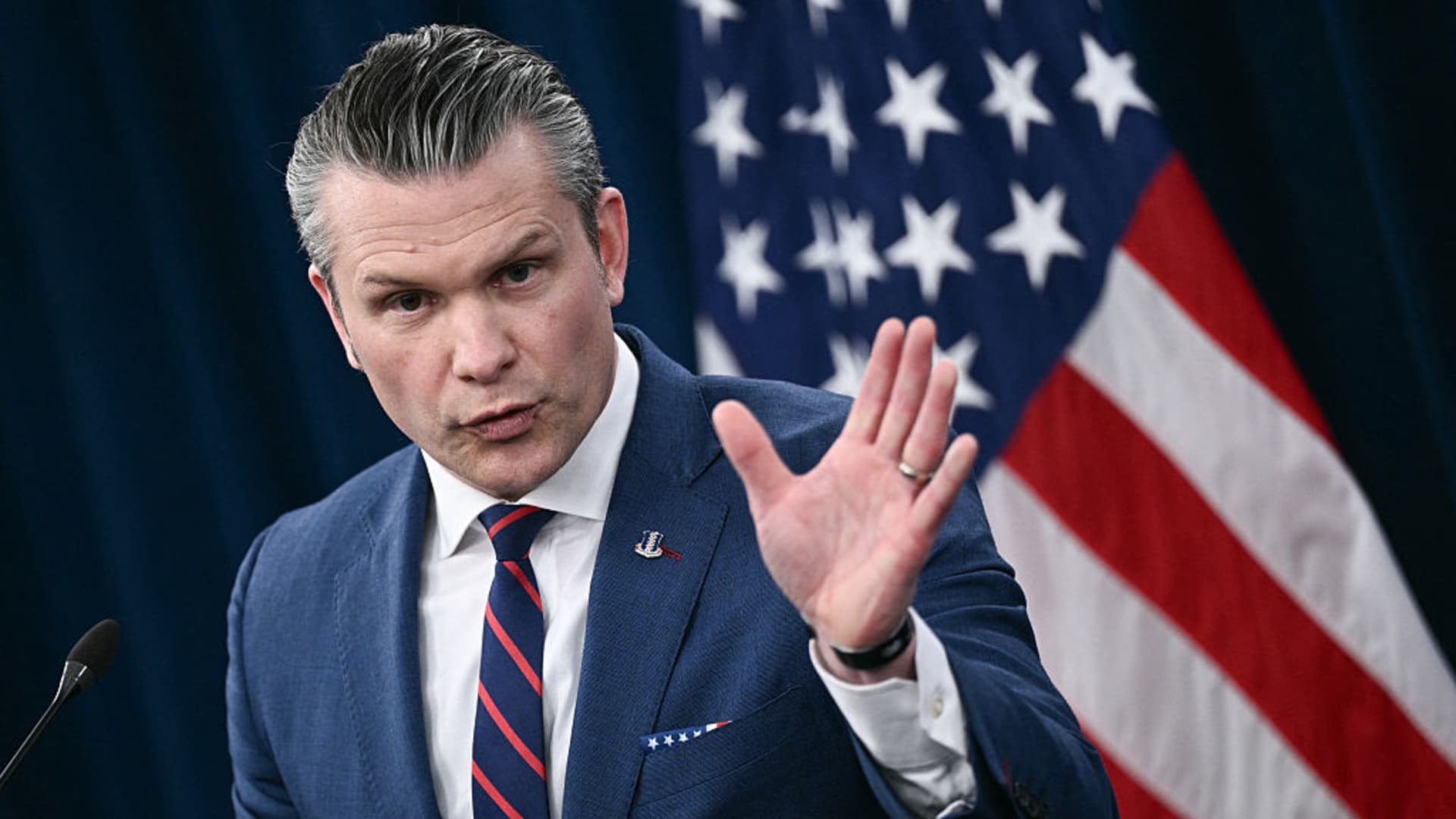
US Defense Secretary Declares Intensified Strikes Against Iran


- Military Action Escalation: Defense Secretary Hegseth announced that Tuesday will mark the most intense day of strikes against Iran, with the U.S. observing the lowest number of missiles fired by Iran in the past 24 hours, indicating a significant decline in its military capabilities and potential further losses in the conflict.
- Control of Strategic Objectives: Hegseth emphasized that President Trump will dictate the pace of the war, deciding when specific objectives are achieved, which could influence the U.S.'s long-term military deployment and diplomatic strategy in the Middle East.
- Oil Price Volatility Impact: As the conflict escalates, oil prices surged past $110, prompting the G7 to consider releasing emergency reserves to mitigate economic pressures from the widening Middle East war, which could have profound implications for global energy markets, particularly for oil-importing nations.
- New Leadership Challenges: Trump expressed dissatisfaction with Iran's new supreme leader Mojtaba Khamenei, suggesting he cannot live in peace, which may exacerbate tensions in U.S.-Iran relations and affect future diplomatic negotiations.
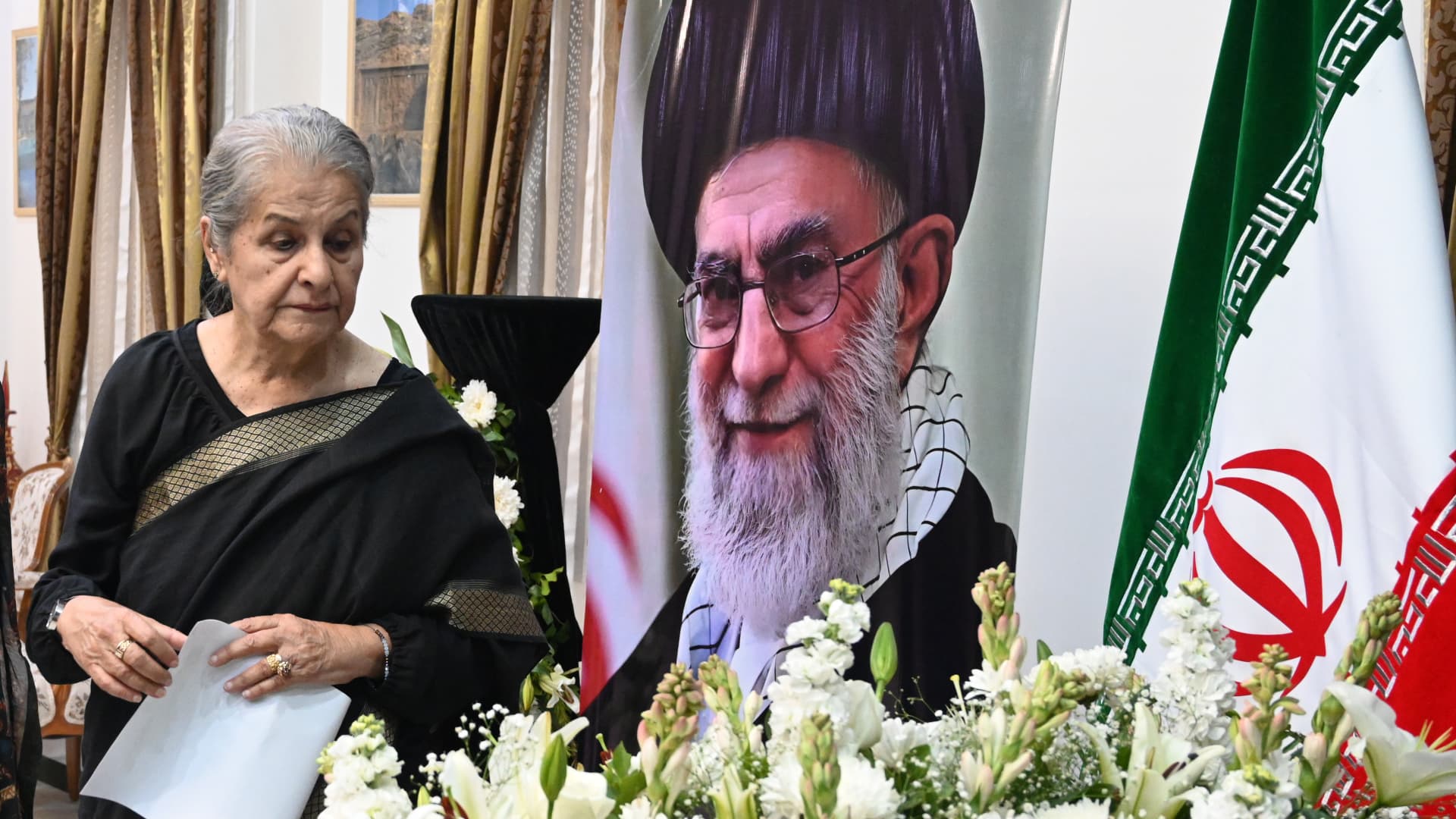
India's Diplomatic Challenges Amid Iran Crisis

- Diplomatic Balancing Act: India faces a diplomatic balancing act amid the Iran crisis, particularly as its oil supply vulnerability is highlighted by only weeks of crude reserves compared to China's months-long stockpiles, indicating India's economic fragility.
- Multi-Alignment Strategy: While China's Foreign Minister calls for stronger BRICS cooperation, India remains silent, and experts warn that abandoning its multi-alignment approach could lead to supply volatility and fiscal strain, especially with rising LPG and LNG prices.
- US Relations: India has not condemned US actions during the Iran crisis and appears to be leaning closer to Israel, raising questions about whether Modi's visit to Israel indicates a shift towards the US-Israel coalition.
- Economic Interests: Although India has not taken sides in the conflict, its national interests seem to align more with the US and Israel, particularly after the US lifted punitive tariffs on Indian purchases of Russian crude, which could impact India's diplomatic standing in the Global South.
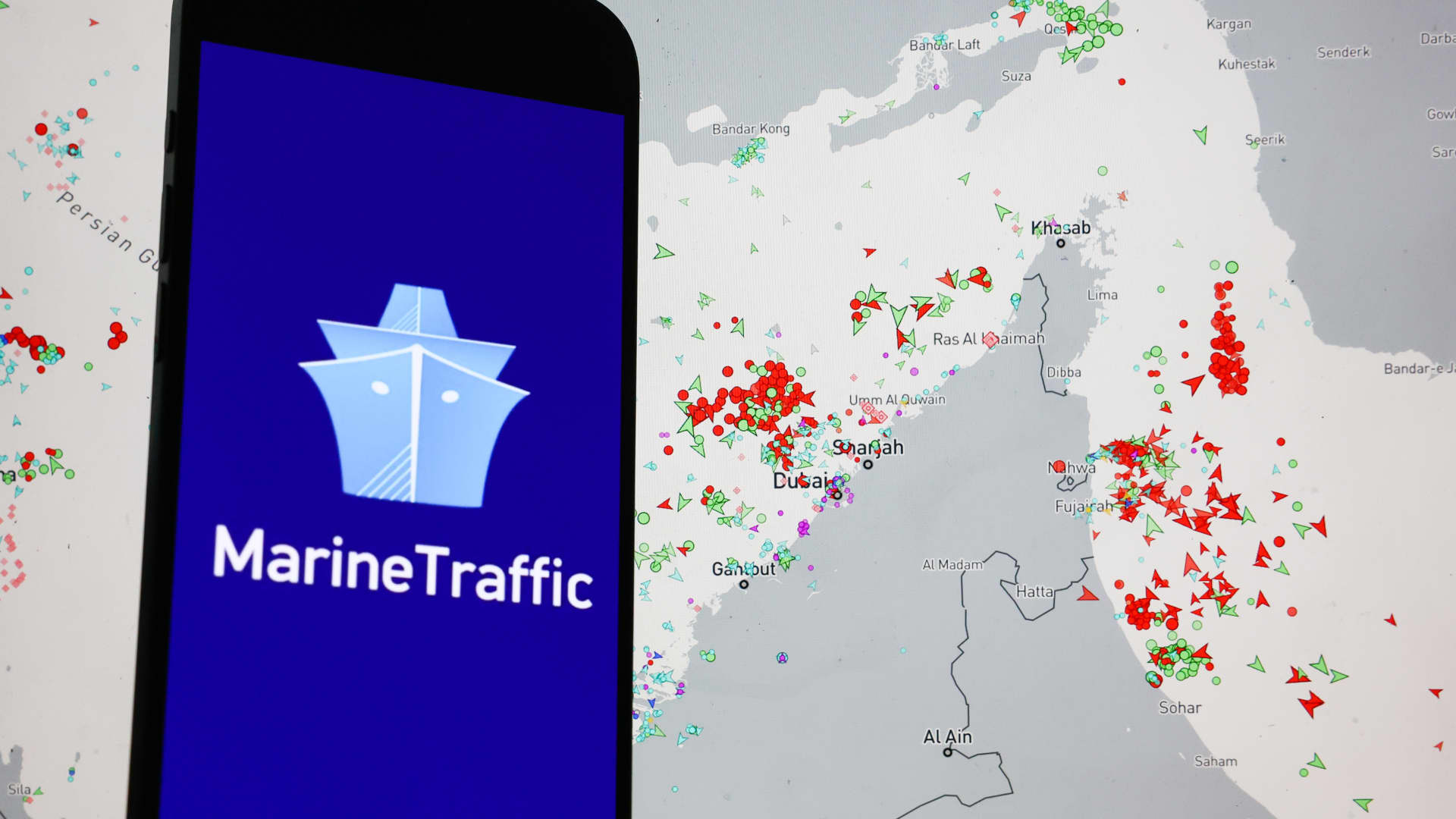
Strait of Hormuz Tensions Rise, Oil Prices Surge


- Oil Price Surge: Crude oil prices have surged past $100 per barrel due to escalating tensions in the Strait of Hormuz, reflecting market fears of supply disruptions that could lead to increased global energy costs and economic impacts.
- Iran's Military Stance: The Iranian Foreign Ministry spokesperson stated that attacks on U.S. military bases in the Gulf are legitimate under international law, a position that may escalate regional tensions and affect international relations.
- New Leadership Impact: The appointment of Mojtaba Khamenei as Iran's new Supreme Leader is expected to unify the nation, with the spokesperson asserting that state institutions and the populace will rally around the new leadership, potentially leading to a more aggressive foreign policy.
- Sovereignty and International Law: Iran emphasized its right to choose its leaders without foreign intervention, asserting its commitment to defending national sovereignty under international law, which may provoke widespread attention and reactions from the international community.
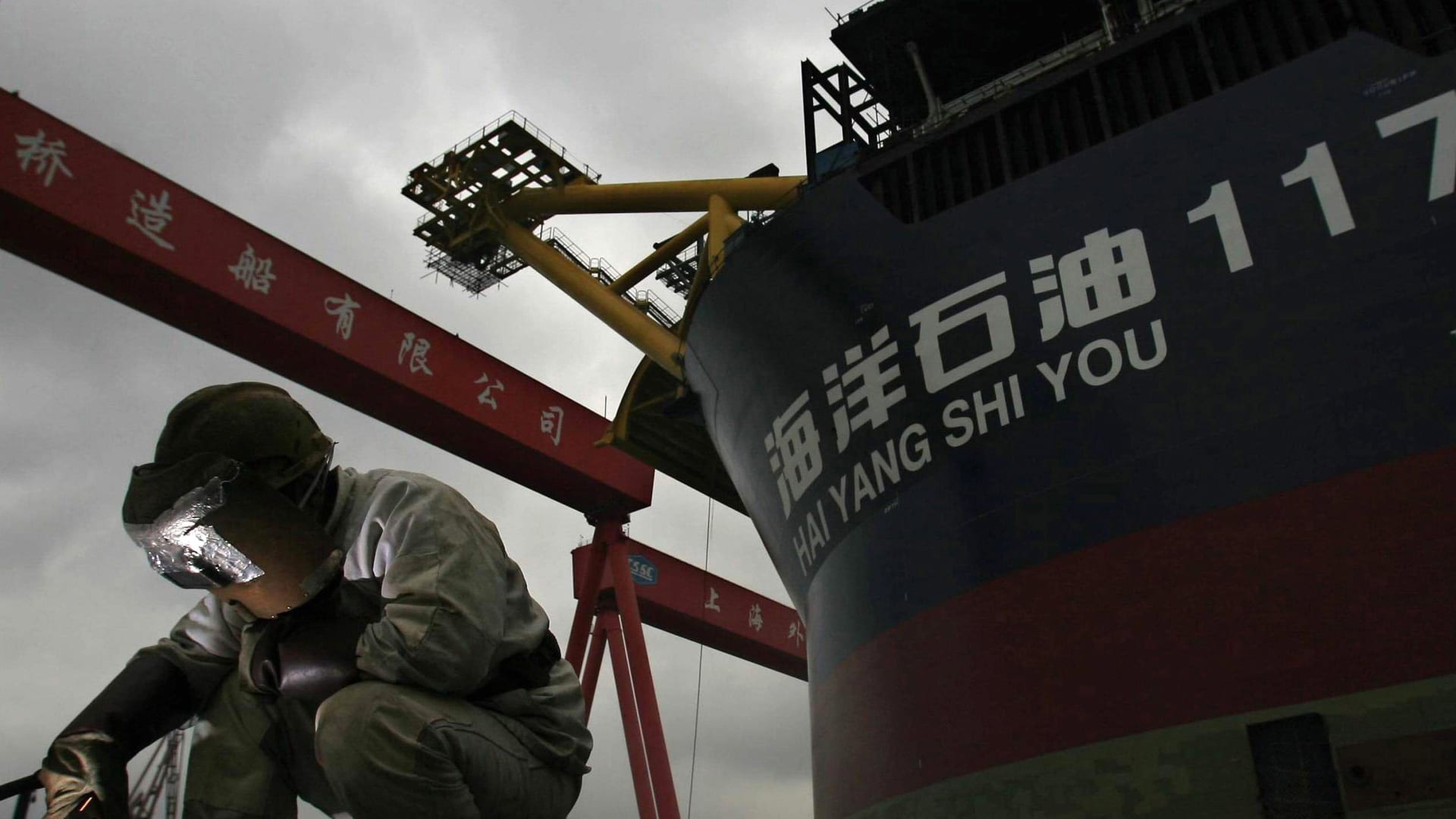
China's Strategy to Mitigate Surging Oil Prices

- Mitigated Oil Price Impact: With oil prices surpassing $100 per barrel for the first time, China's substantial 1.2 billion barrels of crude reserves and diversification into renewables suggest a reduced sensitivity to price fluctuations, highlighting its unique position in global energy markets.
- Energy Consumption Transition: By 2030, China aims to increase the share of non-fossil fuels in total energy consumption to 25%, reflecting its commitment to renewables and further decreasing reliance on maritime oil imports, which is crucial for long-term energy security.
- Growing EV Demand: The rapid adoption of electric vehicles, particularly in heavy trucks, has already displaced over 1 million barrels per day of implied oil demand, with expectations of an additional 600,000 barrels per day increase in the next year, showcasing the potential of electrified transportation.
- Strategic Reserve Expansion: China is projected to expand its strategic oil reserves by approximately 1 million barrels per day by 2026, a move that not only enhances energy security but also provides a buffer against future market volatility.

Wang Yi Emphasizes Importance of US-China Interaction

- High-Level Exchange Preparations: Wang Yi stated that the agenda for a meeting between the US and Chinese leaders is already set, emphasizing the need for both sides to prepare thoroughly to create a suitable environment, manage existing risks, and avoid misunderstandings and conflicts, thereby ensuring stable development of bilateral relations.
- Trump's Planned Visit to China: President Trump is scheduled to visit China from March 31 to April 2, marking the first visit by a sitting US president since 2017; although the exact dates are yet to be confirmed, this visit could positively impact US-China relations.
- Call for Ceasefire in Iran Conflict: Wang reiterated calls for a ceasefire in the Iran conflict, stating that the war brings no benefits, and emphasized China's role in promoting constructive engagement in international affairs to foster global stability.
- Tariff Negotiation Dynamics: The US and China reached a fragile truce in October to lower tariffs to below 50%, and Wang warned against exacerbating tensions through economic and technological decoupling, which could have detrimental effects on the global economy.
Israeli President Herzog Discusses Iran War with U.S. Business Leaders
- Necessity of War: Israeli President Herzog stated at the Yale CEO caucus that despite the high costs, the war against Iran, initiated jointly with the U.S., is a necessary price for a better future in the Middle East, emphasizing the urgency of countering Iran.
- Regional Unity: Herzog highlighted that Middle Eastern countries are forming a NATO-like cooperative structure for the first time to collectively resist Iranian threats, demonstrating unity among regional nations in the face of a common enemy.
- Military Cooperation: He praised the unprecedented military cooperation between the U.S. and Israel, comparing it to the alliances formed during World War II, indicating that both nations share intelligence and resources on multiple levels, enhancing their capacity to confront Iran.
- Strategic Strikes on Iran: Herzog emphasized that the war is
US Defense Secretary Declares Intensified Strikes Against Iran
- Military Action Escalation: Defense Secretary Hegseth announced that Tuesday will mark the most intense day of strikes against Iran, with the U.S. observing the lowest number of missiles fired by Iran in the past 24 hours, indicating a significant decline in its military capabilities and potential further losses in the conflict.
- Control of Strategic Objectives: Hegseth emphasized that President Trump will dictate the pace of the war, deciding when specific objectives are achieved, which could influence the U.S.'s long-term military deployment and diplomatic strategy in the Middle East.
- Oil Price Volatility Impact: As the conflict escalates, oil prices surged past $110, prompting the G7 to consider releasing emergency reserves to mitigate economic pressures from the widening Middle East war, which could have profound implications for global energy markets, particularly for oil-importing nations.
- New Leadership Challenges: Trump expressed dissatisfaction with Iran's new supreme leader Mojtaba Khamenei, suggesting he cannot live in peace, which may exacerbate tensions in U.S.-Iran relations and affect future diplomatic negotiations.
India's Diplomatic Challenges Amid Iran Crisis
- Diplomatic Balancing Act: India faces a diplomatic balancing act amid the Iran crisis, particularly as its oil supply vulnerability is highlighted by only weeks of crude reserves compared to China's months-long stockpiles, indicating India's economic fragility.
- Multi-Alignment Strategy: While China's Foreign Minister calls for stronger BRICS cooperation, India remains silent, and experts warn that abandoning its multi-alignment approach could lead to supply volatility and fiscal strain, especially with rising LPG and LNG prices.
- US Relations: India has not condemned US actions during the Iran crisis and appears to be leaning closer to Israel, raising questions about whether Modi's visit to Israel indicates a shift towards the US-Israel coalition.
- Economic Interests: Although India has not taken sides in the conflict, its national interests seem to align more with the US and Israel, particularly after the US lifted punitive tariffs on Indian purchases of Russian crude, which could impact India's diplomatic standing in the Global South.
Strait of Hormuz Tensions Rise, Oil Prices Surge
- Oil Price Surge: Crude oil prices have surged past $100 per barrel due to escalating tensions in the Strait of Hormuz, reflecting market fears of supply disruptions that could lead to increased global energy costs and economic impacts.
- Iran's Military Stance: The Iranian Foreign Ministry spokesperson stated that attacks on U.S. military bases in the Gulf are legitimate under international law, a position that may escalate regional tensions and affect international relations.
- New Leadership Impact: The appointment of Mojtaba Khamenei as Iran's new Supreme Leader is expected to unify the nation, with the spokesperson asserting that state institutions and the populace will rally around the new leadership, potentially leading to a more aggressive foreign policy.
- Sovereignty and International Law: Iran emphasized its right to choose its leaders without foreign intervention, asserting its commitment to defending national sovereignty under international law, which may provoke widespread attention and reactions from the international community.
China's Strategy to Mitigate Surging Oil Prices
- Mitigated Oil Price Impact: With oil prices surpassing $100 per barrel for the first time, China's substantial 1.2 billion barrels of crude reserves and diversification into renewables suggest a reduced sensitivity to price fluctuations, highlighting its unique position in global energy markets.
- Energy Consumption Transition: By 2030, China aims to increase the share of non-fossil fuels in total energy consumption to 25%, reflecting its commitment to renewables and further decreasing reliance on maritime oil imports, which is crucial for long-term energy security.
- Growing EV Demand: The rapid adoption of electric vehicles, particularly in heavy trucks, has already displaced over 1 million barrels per day of implied oil demand, with expectations of an additional 600,000 barrels per day increase in the next year, showcasing the potential of electrified transportation.
- Strategic Reserve Expansion: China is projected to expand its strategic oil reserves by approximately 1 million barrels per day by 2026, a move that not only enhances energy security but also provides a buffer against future market volatility.
Wang Yi Emphasizes Importance of US-China Interaction
- High-Level Exchange Preparations: Wang Yi stated that the agenda for a meeting between the US and Chinese leaders is already set, emphasizing the need for both sides to prepare thoroughly to create a suitable environment, manage existing risks, and avoid misunderstandings and conflicts, thereby ensuring stable development of bilateral relations.
- Trump's Planned Visit to China: President Trump is scheduled to visit China from March 31 to April 2, marking the first visit by a sitting US president since 2017; although the exact dates are yet to be confirmed, this visit could positively impact US-China relations.
- Call for Ceasefire in Iran Conflict: Wang reiterated calls for a ceasefire in the Iran conflict, stating that the war brings no benefits, and emphasized China's role in promoting constructive engagement in international affairs to foster global stability.
- Tariff Negotiation Dynamics: The US and China reached a fragile truce in October to lower tariffs to below 50%, and Wang warned against exacerbating tensions through economic and technological decoupling, which could have detrimental effects on the global economy.